Ancient Roman statue reveals the art of ancient comedy
Small bronze statue from the 1st-2nd century AD depicting a comical image of an actor, reflecting the entertainment preferences of ancient Romans.
Báo Khoa học và Đời sống•01/12/2025
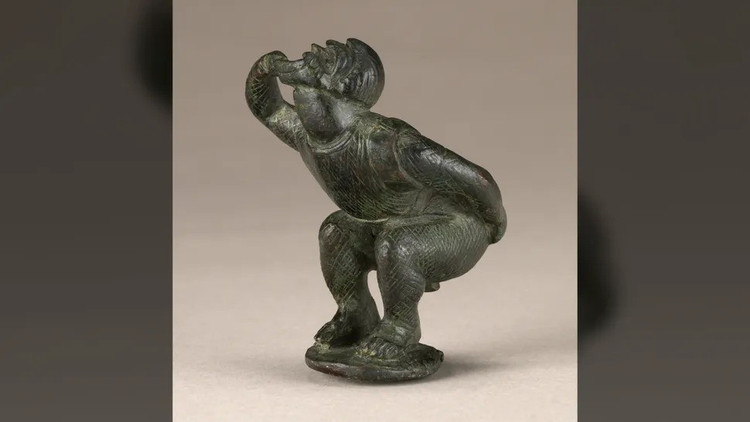
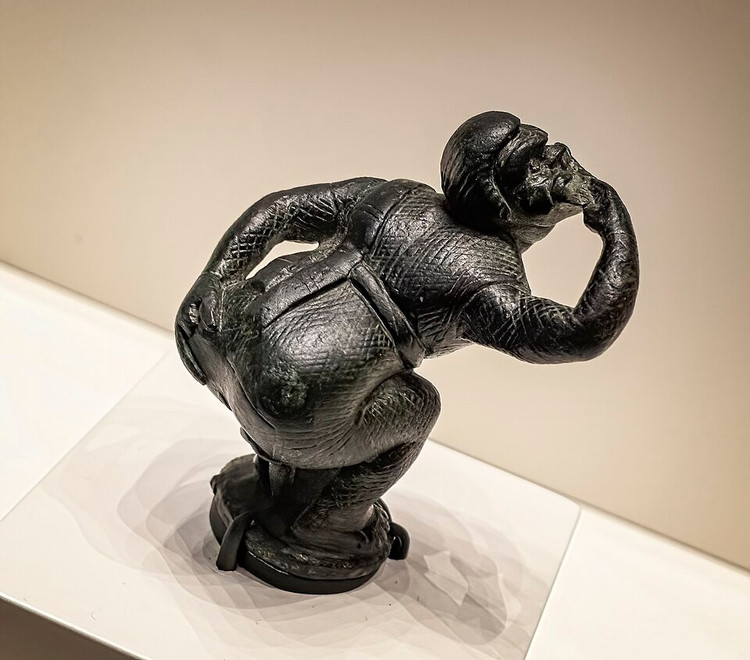
Housed at the J. Paul Getty Museum in Pacific Palisades, California, the bronze statue of the Roman Empire, dating back about 2,000 years, helps experts decode the entertainment life of ancient people. Photo: J. Paul Getty Museum / Public Domain. According to experts, the statue is made of bronze, 6 cm high. Based on the shape of the statue, experts believe the artifact was created around the 1st or 2nd century AD in Rome. Photo: wikimedia commons.
The statue depicts a chubby man wearing a comical mask and a cross-patterned jumpsuit. Photo: wikimedia commons. While his left hand is clenched behind his back, the man bends his knees, placing his right hand at the corner of his mouth, possibly to create a fart-like sound to make the audience laugh. Photo: wikipedia. According to Mary Louise Hart, associate curator at the J. Paul Getty Museum, the statue is a typical image of an actor in Aristophanes' Greek plays as well as in ancient Roman comedies. Photo: historycooperative.org.
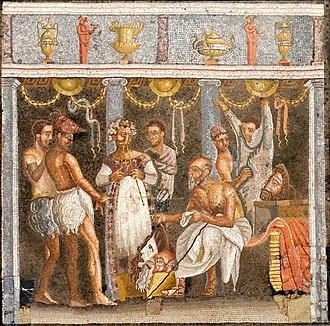
The most successful playwright of the Roman Empire is said to be Plautus (circa 254 BC to 184 BC). He started out as a comedian before turning to writing plays. He wrote at least 130 plays, of which only 21 remain. Photo: thecollector. Plautus created many classic characters, including the boastful soldier and the old man in love. However, the bronze statue above probably depicts a supporting actor in a comedy rather than a main character. Photo: wikimedia commons. “We know from the few surviving figurines that a lot of people liked this character. They found the actor interesting and wanted a figurine of him in their home,” said deputy curator Mary. Photo: Christie’s images / Corbis.
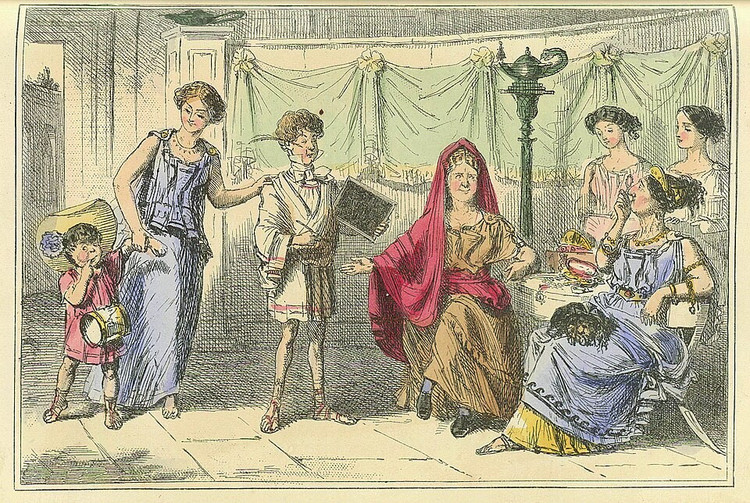
According to the Getty Museum, ancient Romans enjoyed crude humor that included dirty jokes, self-mockery... Photo: mems.ucdavis.edu. Readers are invited to watch the video : Revealing lost civilizations through archaeological remains.

 Báo Khoa học và Đời sống•01/12/2025










![[Photo] Prime Minister Pham Minh Chinh receives President of Cuba's Latin American News Agency](/_next/image?url=https%3A%2F%2Fvphoto.vietnam.vn%2Fthumb%2F1200x675%2Fvietnam%2Fresource%2FIMAGE%2F2025%2F12%2F01%2F1764569497815_dsc-2890-jpg.webp&w=3840&q=75)








































































Comment (0)