The mysterious cause of the destruction of the Indus civilization is finally revealed
Scientists identify prolonged drought and climate change as the main culprits that caused the Indus Valley civilization to disappear thousands of years ago.
Báo Khoa học và Đời sống•01/12/2025
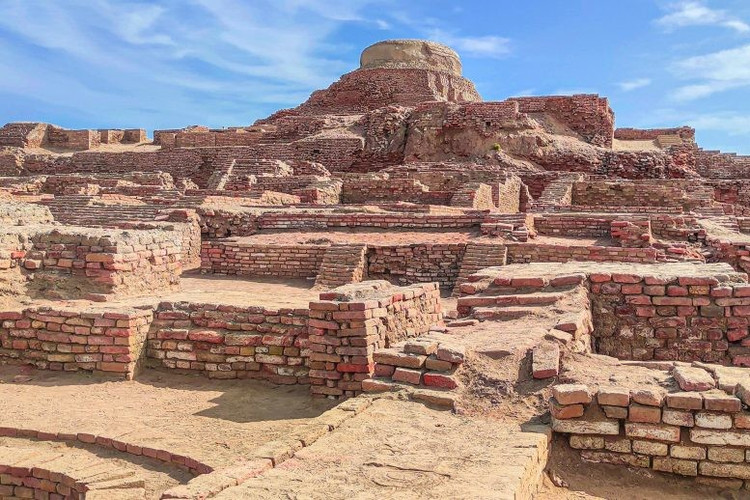
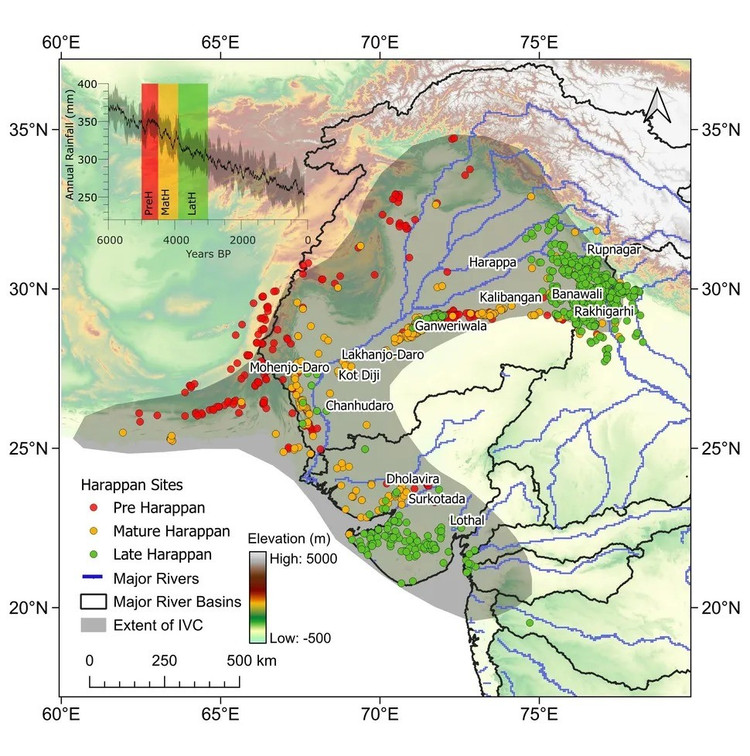
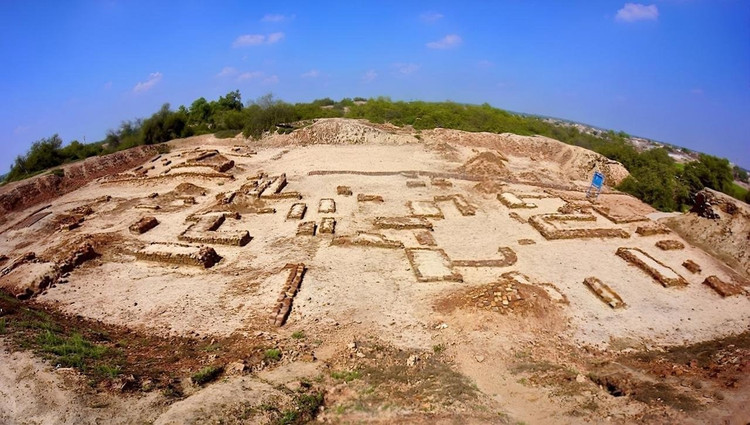
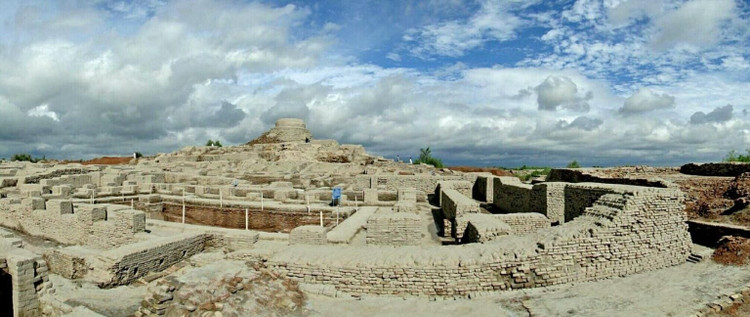
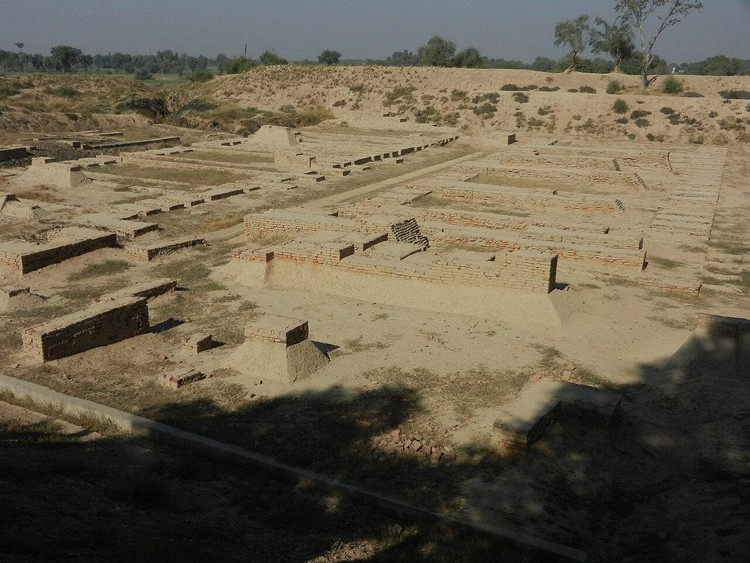
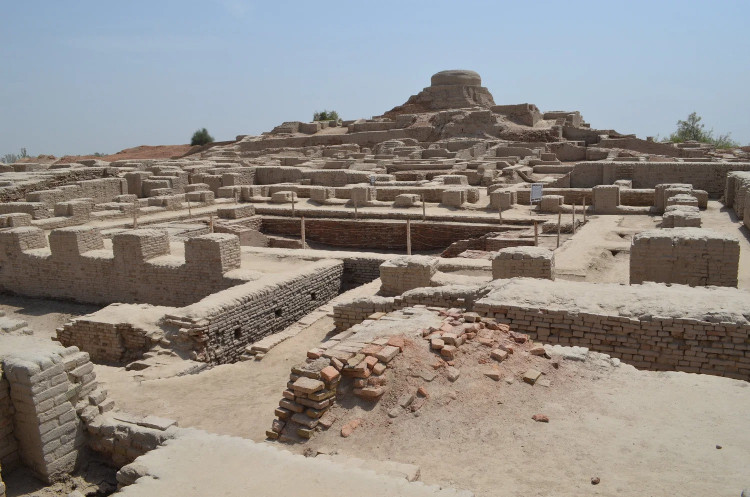
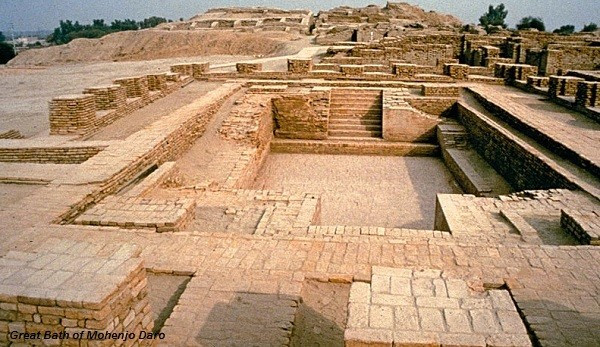
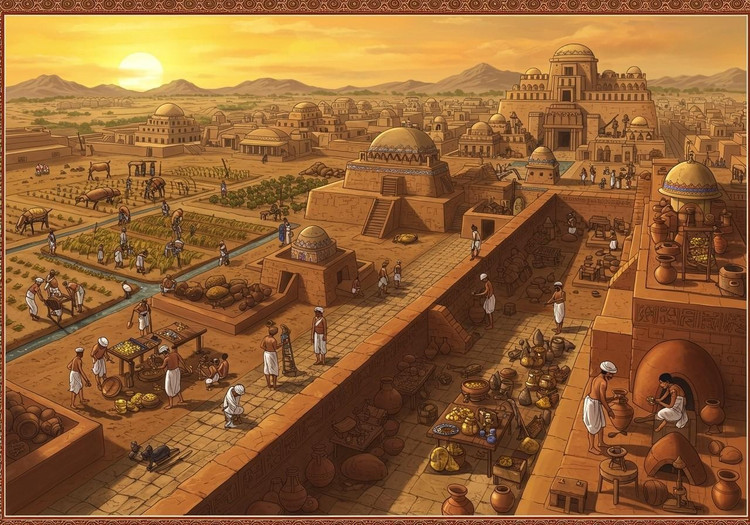
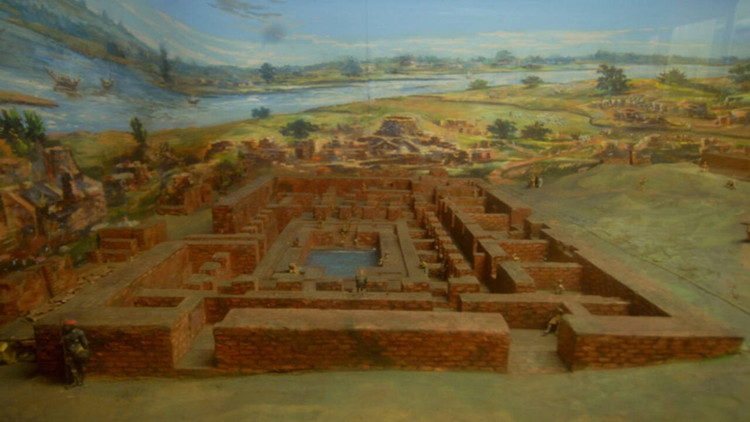
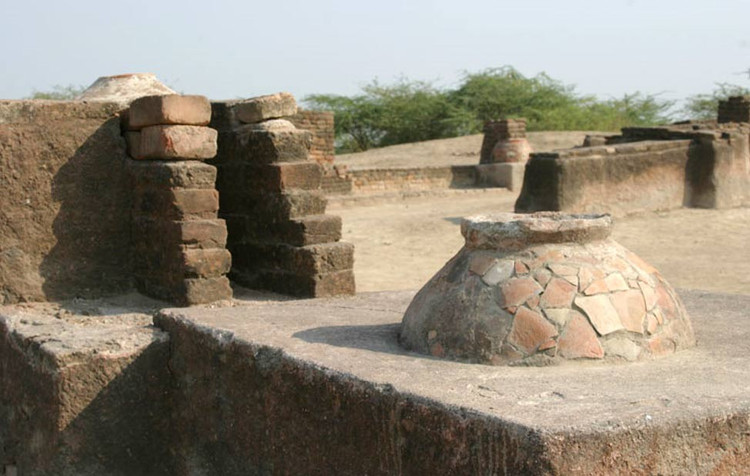
The Indus Valley Civilization (also known as the "Harappan" civilization) is one of the world's oldest civilizations. It flourished between 5,000 and 3,500 years ago in an area that spans the present-day India-Pakistan border. Photo: Shutterstocknbs. The people of the Indus Valley Civilization built many cities, including Harappa and Mohenjo Daro, with complex water management systems. They also developed a writing system that modern scholars have yet to decipher. They also traveled to Mesopotamia to conduct trade. Photo: Vimal Mishra et al.
The cause of the collapse of the Indus Valley Civilization has long been a great mystery that has left experts scratching their heads to find an answer. Recently, scientists published a study in the journal Communications Earth & Environment on November 27, revealing the cause of the collapse of this ancient civilization. Photo: Sara Jilani / CC BY-SA 3.0. A series of severe droughts lasting decades led to the decline of the Indus Valley Civilization, according to the research team. Photo: Nikesh Chawla. “Successive major droughts, each lasting more than 85 years, may have been a key factor in the eventual collapse of the Indus Valley Civilization,” the team wrote in a statement. Photo: Muhammad Bin Naveed / CC BY-SA 3.0.
Researchers also found that as these droughts worsened, people moved to areas where water was still abundant. Photo: worldhistory. Eventually, cities across the region collapsed. A centuries-long drought that began around 3,500 years ago “coincided with widespread urbanization and the abandonment of many major cities.” Photo: lotusarise.com. To reach this conclusion, the team used three different publicly available global climate simulations – complex computer simulations that use large amounts of data to determine how the climate has changed over thousands of years. Photo: Poojn India.
The experts used these simulations to determine how rainfall and temperature changed between 5,000 and 3,000 years ago in the region where the Indus Valley Civilization flourished. All three simulations showed that the region experienced severe droughts. Photo: TOI photo by Sanjay Hadkar. The team fed rainfall and temperature data into a hydrological model to determine how rivers, streams and other water sources in the area had changed over time. They compared this data with archaeological data showing the location of past settlements and found that local residents tended to move over time to areas closer to water sources. Photo: harappa.com.
Readers are invited to watch the video : Revealing lost civilizations through archaeological remains.

 Báo Khoa học và Đời sống•01/12/2025








![[Photo] Cat Ba - Green island paradise](/_next/image?url=https%3A%2F%2Fvphoto.vietnam.vn%2Fthumb%2F1200x675%2Fvietnam%2Fresource%2FIMAGE%2F2025%2F12%2F04%2F1764821844074_ndo_br_1-dcbthienduongxanh638-jpg.webp&w=3840&q=75)



































![[VIMC 40 days of lightning speed] Da Nang Port: Unity - Lightning speed - Breakthrough to the finish line](https://vphoto.vietnam.vn/thumb/402x226/vietnam/resource/IMAGE/2025/12/04/1764833540882_cdn_4-12-25.jpeg)
















































Comment (0)