

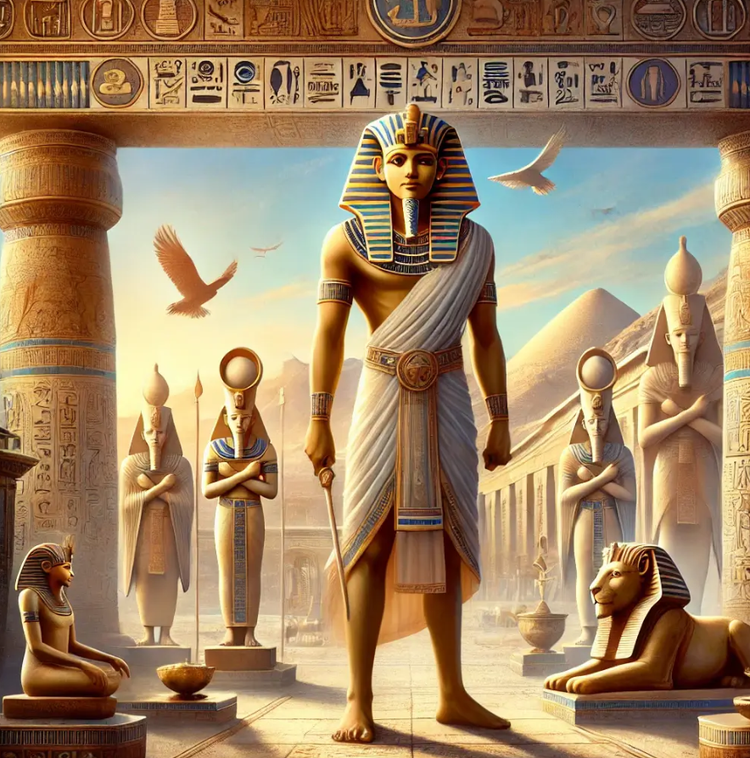
Shoshenq III was an ancient Egyptian pharaoh, reigning during the 22nd Dynasty. Photo: @Sorbonne University.
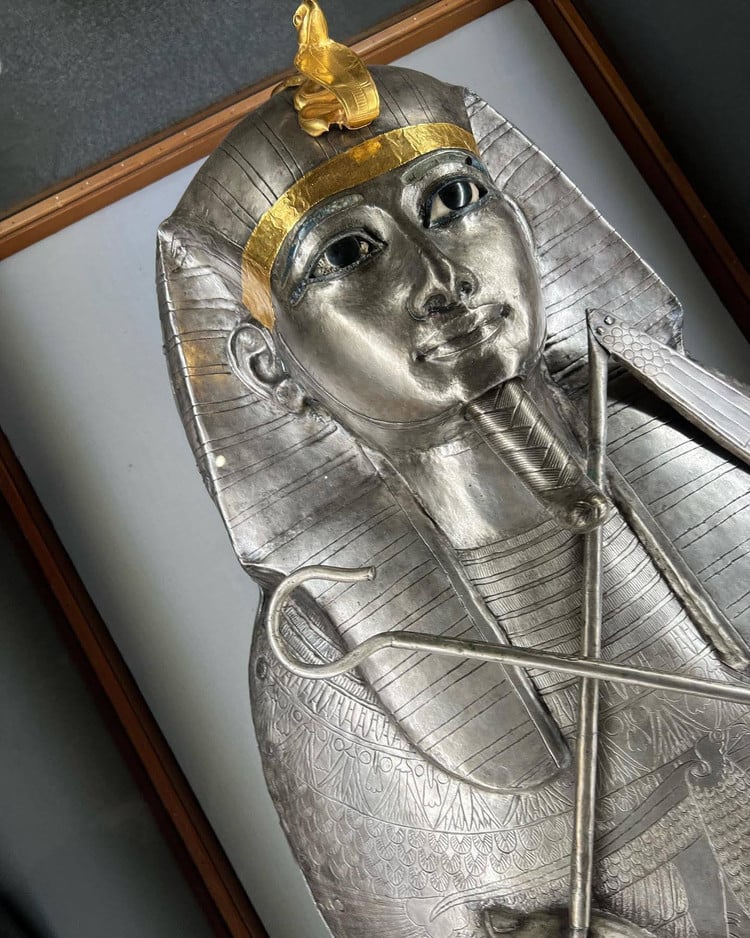
His reign is usually dated from around 837 BC to 798 BC. Photo: @Sorbonne University.
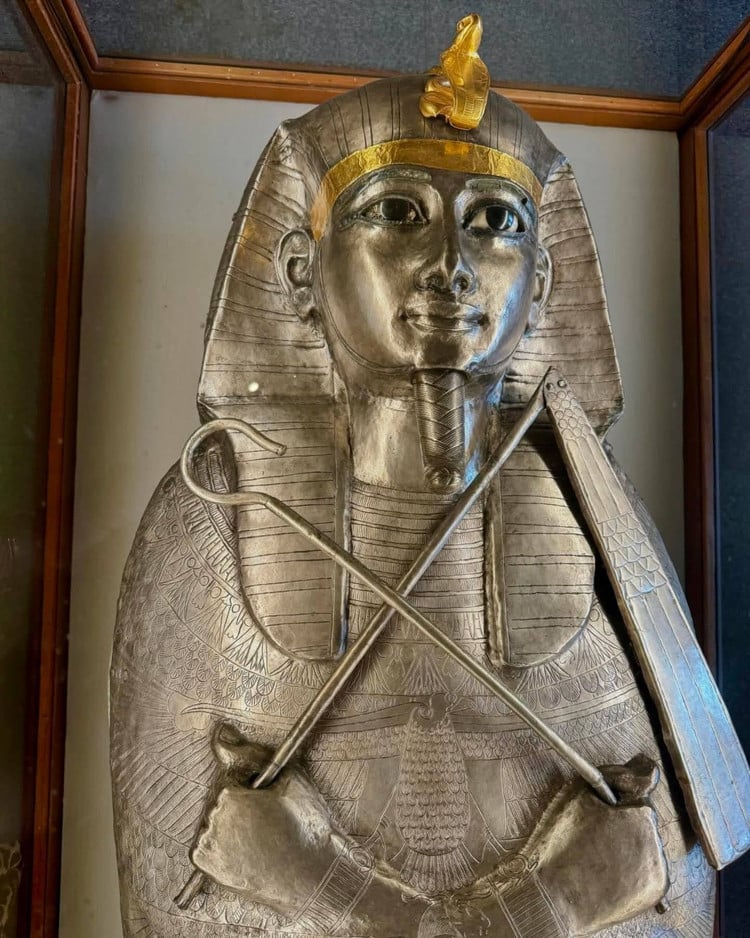
Shoshenq III ascended the throne under unclear circumstances, possibly following the death of his grandfather, Osorkon II – a transfer of power that may have triggered a succession crisis. Photo: @Sorbonne University.
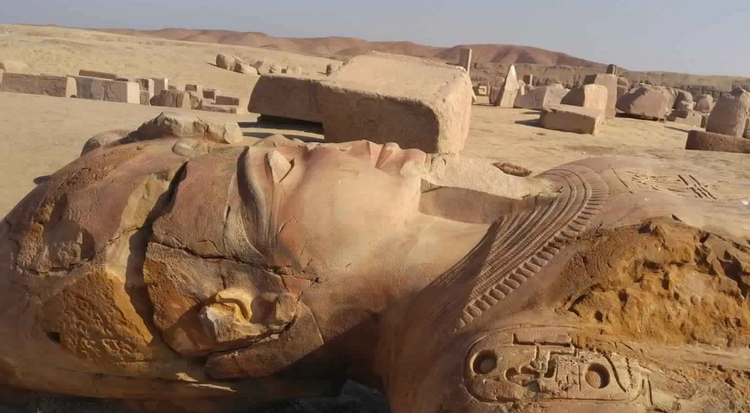
King Shoshenq III was buried in San el-Hagar, the royal cemetery in the ancient city of Tanis. However, recent archaeological discoveries have raised new questions about his final burial rites. Photo: @Sorbonne University.
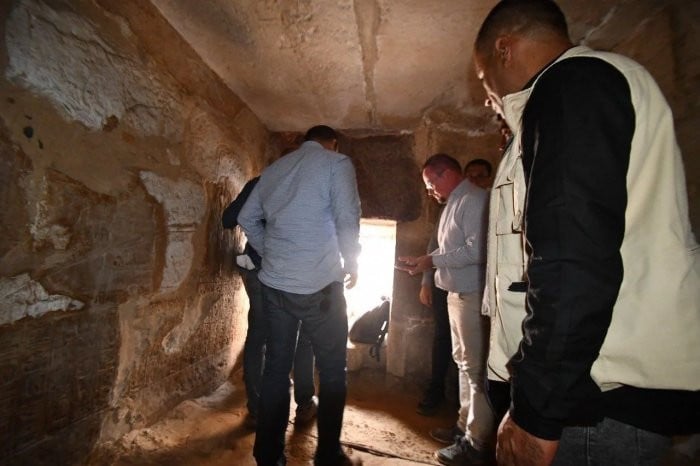
During excavations at San el-Hagar, a French archaeological team led by Frédéric Payraudeau from Sorbonne University unexpectedly discovered hundreds of strange objects, believed to belong to King Shoshenq III. Photo: @Sorbonne University.
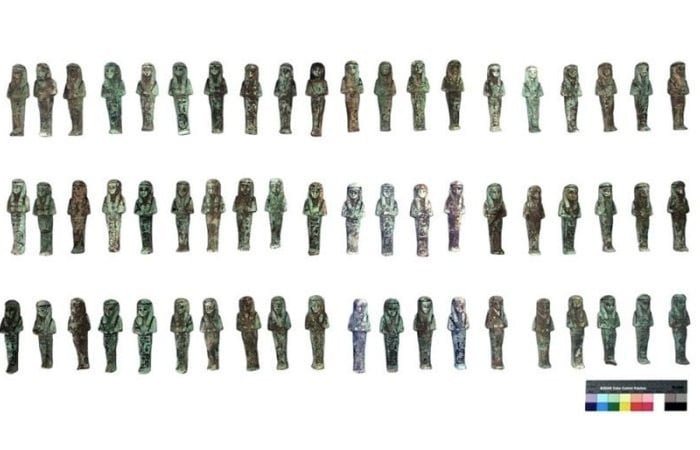
They are called Ushabti. Ushabti are small statues of servants placed around the north side of King Shoshenq III's tomb as part of ancient Egyptian religious rituals. Photo: @Sorbonne University.
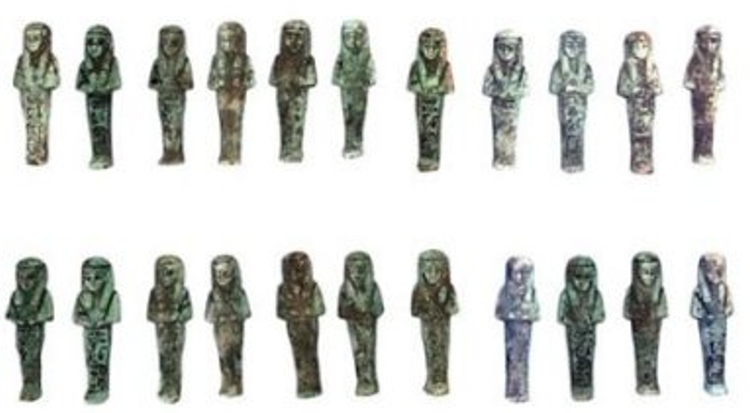
Advanced archaeological exploration and analysis techniques have shown that these figurines are depicted with their arms crossed over their chests. Photo: @Sorbonne University.
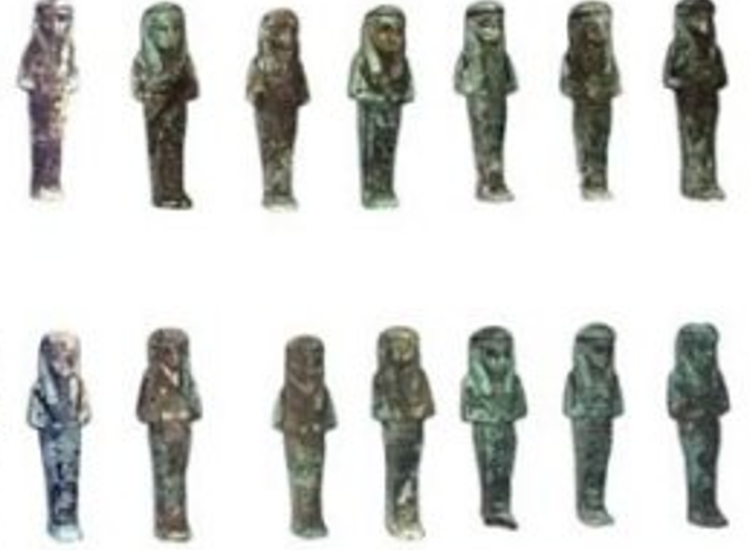
The pose appears to show they are ready to serve their deceased master in the afterlife . Photo: @Sorbonne University.
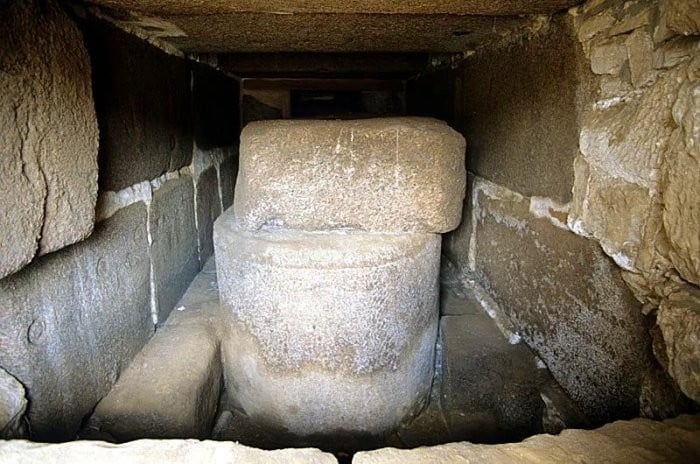
The discovery underscores the importance and long-term archaeological potential of the ancient city of Tanis, which still holds many secrets, experts say. Photo: @Sorbonne University.
Source: https://khoahocdoisong.vn/phat-hien-hang-tram-tuong-ushabti-cua-vua-shoshenq-iii-post2149073262.html


![[Photo] Cat Ba - Green island paradise](/_next/image?url=https%3A%2F%2Fvphoto.vietnam.vn%2Fthumb%2F1200x675%2Fvietnam%2Fresource%2FIMAGE%2F2025%2F12%2F04%2F1764821844074_ndo_br_1-dcbthienduongxanh638-jpg.webp&w=3840&q=75)


































![[VIMC 40 days of lightning speed] Da Nang Port: Unity - Lightning speed - Breakthrough to the finish line](https://vphoto.vietnam.vn/thumb/402x226/vietnam/resource/IMAGE/2025/12/04/1764833540882_cdn_4-12-25.jpeg)





































Comment (0)