8,500-year-old Obsidian mirror discovered in Türkiye
Discover ancient obsidian mirrors and sophisticated tools, opening up new insights into Neolithic craftsmanship in Anatolia.
Báo Khoa học và Đời sống•04/12/2025
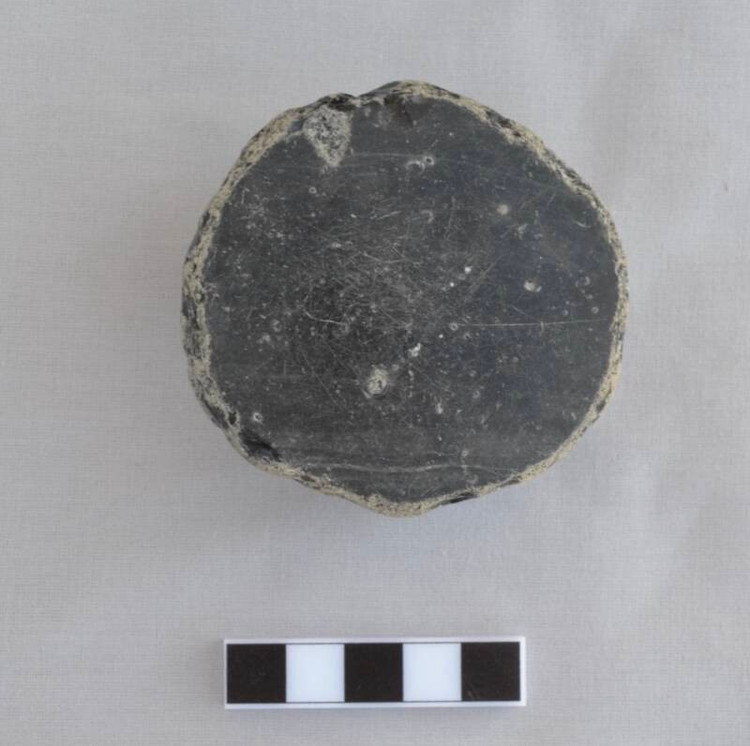
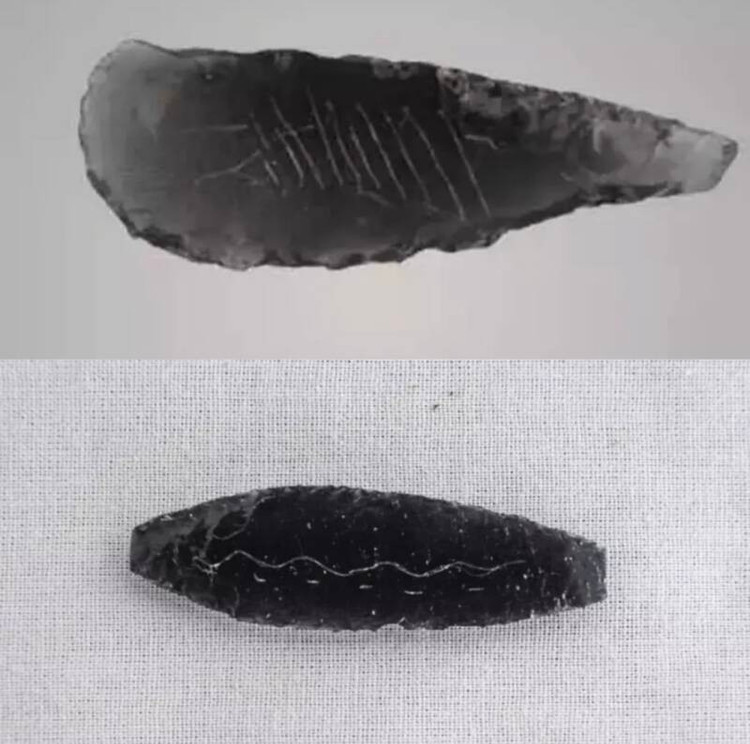
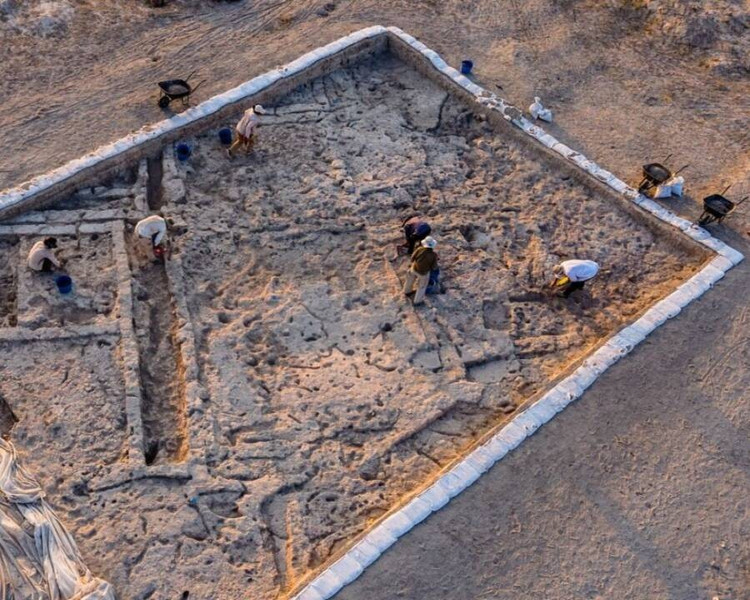
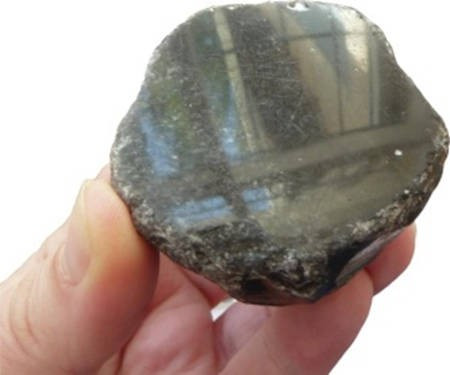
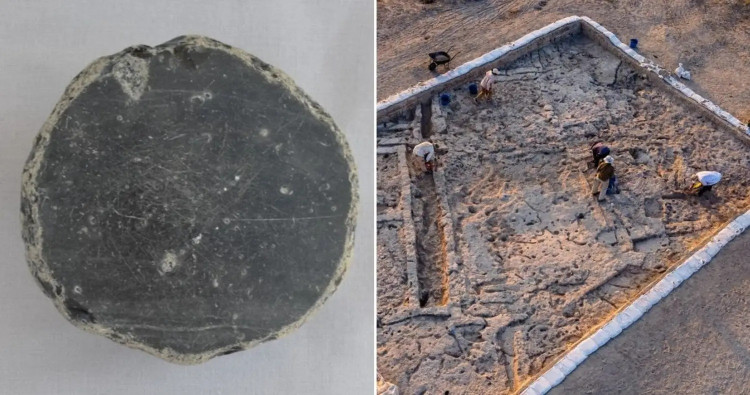
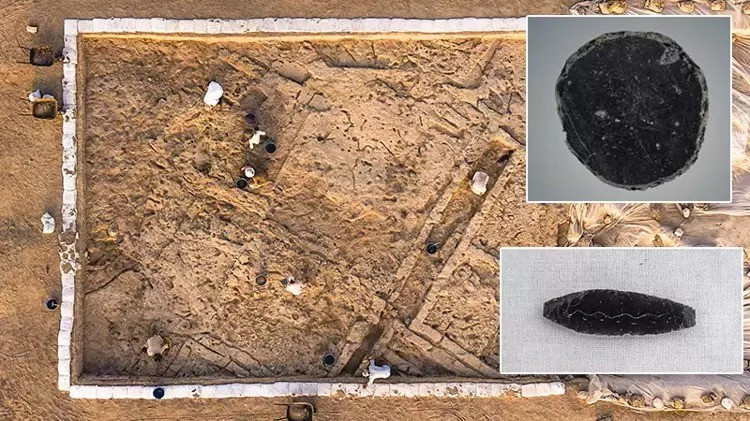
During excavations at Canhasan in central Türkiye, one of the oldest settlements in Anatolia, archaeologists found an obsidian mirror that is about 8,500 years old. In addition to the obsidian mirror, experts also discovered several obsidian tools and arrowheads nearby. Photo: The Canhasan Archaeological Project/Instagram. These findings now provide further details about Neolithic crafts and the high level of technical skill and expertise of people in Anatolia thousands of years ago. Photo: The Canhasan Archaeological Project/Instagram.
Among the artifacts, experts paid special attention to an obsidian mirror about 8,500 years old. According to the test results, this artifact was crafted and carefully polished around 6500 BC. Photo: The Canhasan Archaeological Project/Instagram. Obsidian is a versatile ancient material. It was used throughout Anatolia for toolmaking and ritual purposes. Obsidian’s shiny appearance and sharp edges made it a valuable resource for the region’s Neolithic inhabitants. Photo: The Canhasan Archaeological Excavation Team. While obsidian artifacts are not exactly rare, mirrors made from volcanic materials are rare. They require “a special level of skill” to make. Researchers believe the mirror found at Canhasan may have had symbolic or ritual significance. Photo: Canhasan Archaeological Excavation Team.
“The manufacturing process is extremely difficult – the obsidian has to be carefully shaped and polished with abrasives. This is not a common craft. It is a specialized job,” said Adnan Baysal, who led the project. Photo: A. Vinet./Journal of Archaeological Science. The obsidian mirror found at Canhasan dates to roughly the same period as mirrors found at Çatalhöyük, another Neolithic settlement in southern Anatolia. This suggests that obsidian mirror making may have been a prominent occupation in the region. Photo: The Canhasan Archaeological Project/Instagram. The arrowheads found near the Obsidian mirror were also made from the same material. Not only that, they were decorated with elaborate carvings, in a pattern typical of each region. According to experts, each pattern carved on the arrowhead could have a different meaning, indicating social status or ritual significance. Photo: arkeonews.
“Although obsidian has been found at many Neolithic sites, this particular type of carving appears to have been discovered only at Canhasan so far,” said Baysal. Photo: The Canhasan Archaeological Excavation Team. The new discoveries add to previous finds at Canhasan, contributing to a complete picture of the prehistoric settlement and the people who lived there thousands of years ago. Photo: The Canhasan Archaeological Excavation Team.
Readers are invited to watch the video : Revealing lost civilizations through archaeological remains.




 Báo Khoa học và Đời sống•04/12/2025























































































Comment (0)