

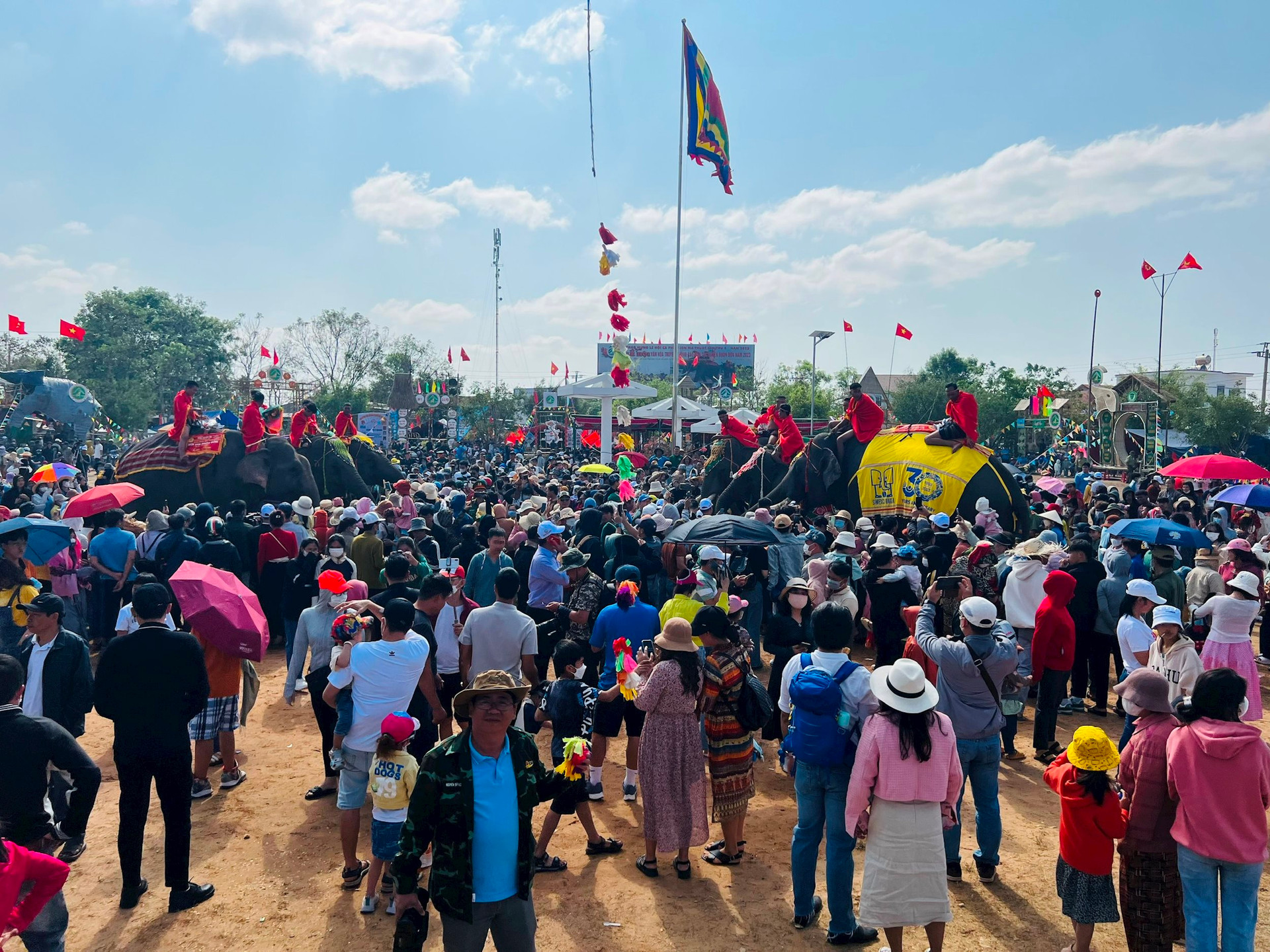
From the place name Bản Đôn
Bản Đôn, in Lao, means "island village" - the village is located on an island in the Serepok River, a river that flows upstream from Dak Lak to the Mekong River in Cambodia. And the people...
The Ede and M'Nong people call it Buon Don. Originally, this place was one of the important river trading points of the three Indochinese countries in the past. At that time, Laotian merchants often traveled down the Mekong River through Cambodia and Thailand, then up the Serepok River to Vietnam. On each trip, the main goods were buffaloes to exchange for elephants, ivory, and other forest products. While trading upstream, they encountered this land and were captivated, so they stayed and built a prosperous village here with the local Ede people. This place is famous for its elephant hunting and taming, with the legend of King Elephant Khun Ju Nop (also known as Y Thu K'nul), who captured more than 400 wild elephants. Therefore, when the French first set foot in Dak Lak, they chose Buon Don as the provincial capital, until the beginning of the 20th century when it was moved to Buon Ma Thuot. Buon Don became the land of elephants in Dak Lak and the Central Highlands. The elephant kings who succeeded Y Thu K'nul were also his descendants, such as R'leo and Ama Kong. Therefore, Buon Don has long been famous both domestically and internationally.
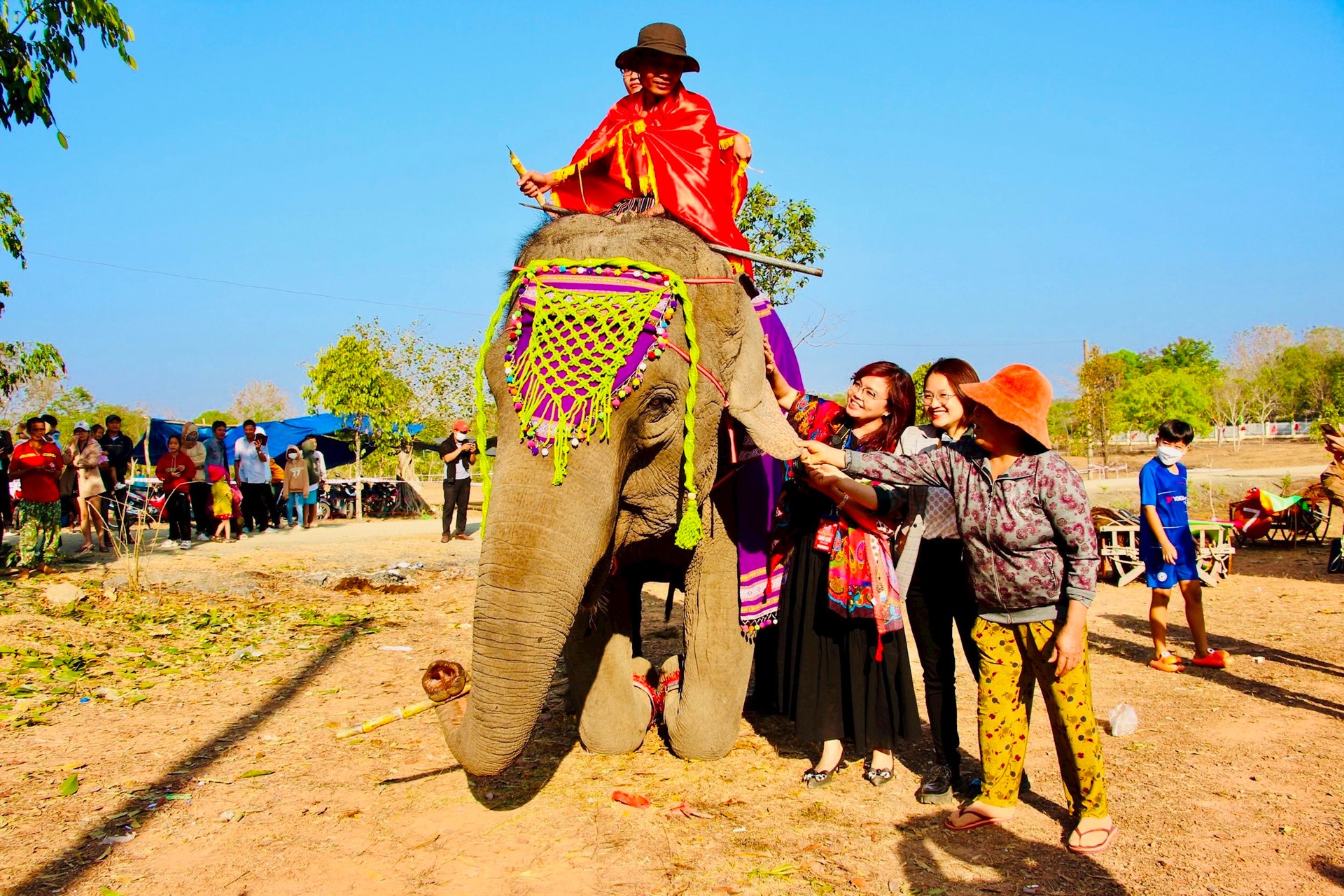
Arriving in a region with diverse ethnic cultures…
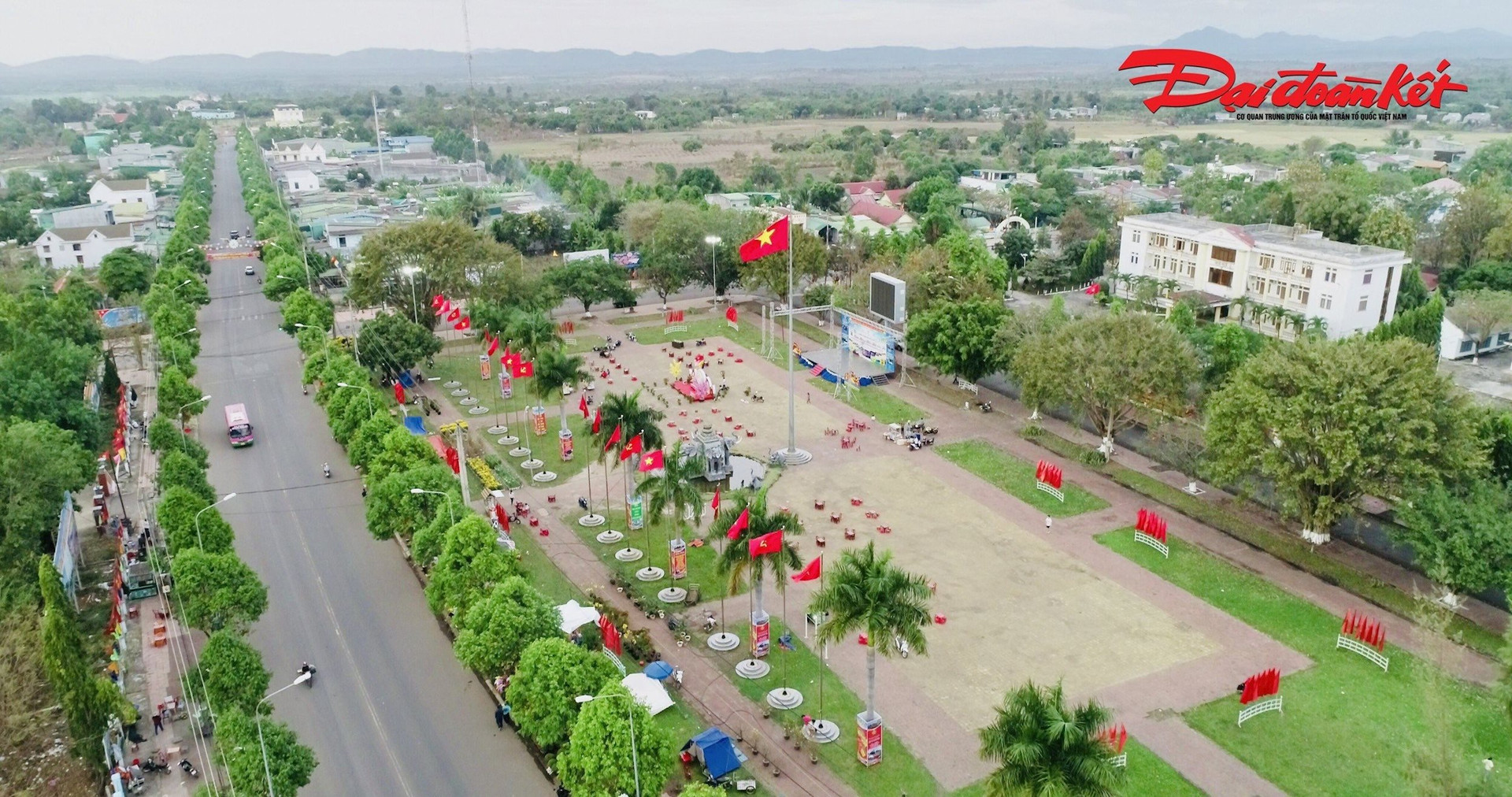
Buôn Đôn District is located approximately 30 km west of Buôn Ma Thuột City. It borders Ea Súp District to the north, Cư M'gar District and Buôn Ma Thuột City, Đắk Lắk Province to the east, the Kingdom of Cambodia to the west, and Buôn Ma Thuột City, Đắk Lắk Province and Cư Jút District, Đắk Nông Province to the south.
Buon Don has a history of formation and development spanning over 200 years. Before August 1904, it was the capital of Dak Lak province. Along with the Ede and M'nong ethnic groups, who were the indigenous people who settled and established the first villages in this area, the presence of Laotians, and the trade of Thais and Cambodians, transformed it into a bustling trading center and a multi-ethnic cultural region. After the reunification of the country on April 30, 1975, many waves of migration of ethnic minorities from the northern mountainous regions to the Central Highlands in search of new land to live on occurred, with Buon Don being one of the destinations. Since then, the population has included people from the northern mountainous regions such as the Tay, Nung, and Dao. Today, Buon Don is home to 29 ethnic groups living together, with ethnic minorities accounting for approximately 47%.
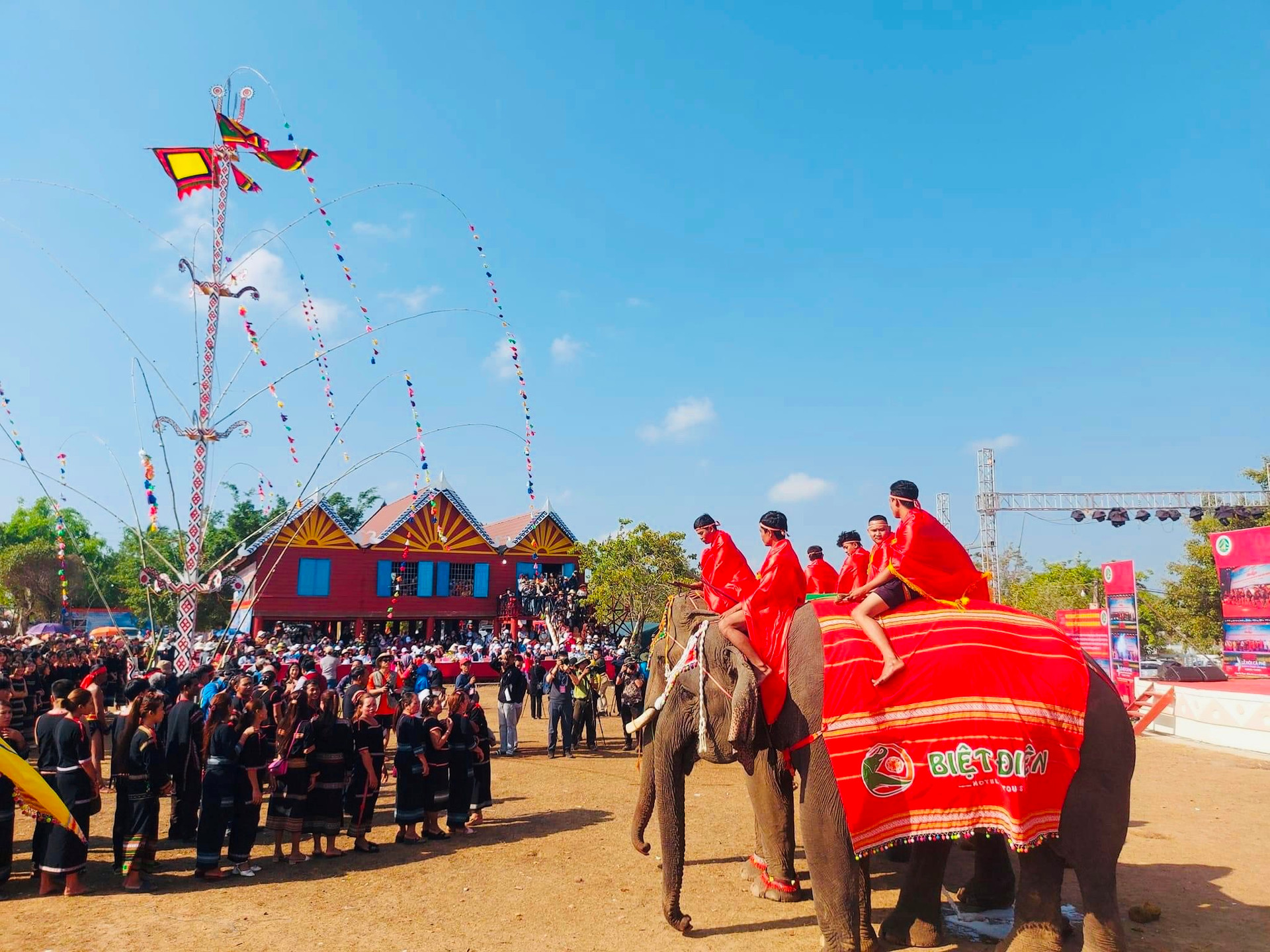
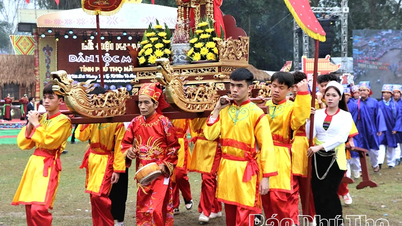
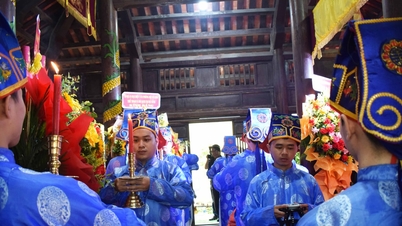
The multi-ethnic culture, with elephant culture at its core, has contributed to the creation of a unique traditional culture, on the basis of which the annual Traditional Culture Festival - Buon Don Elephant Festival - has been established, attracting many domestic and international tourists.
…and has great potential for economic development.
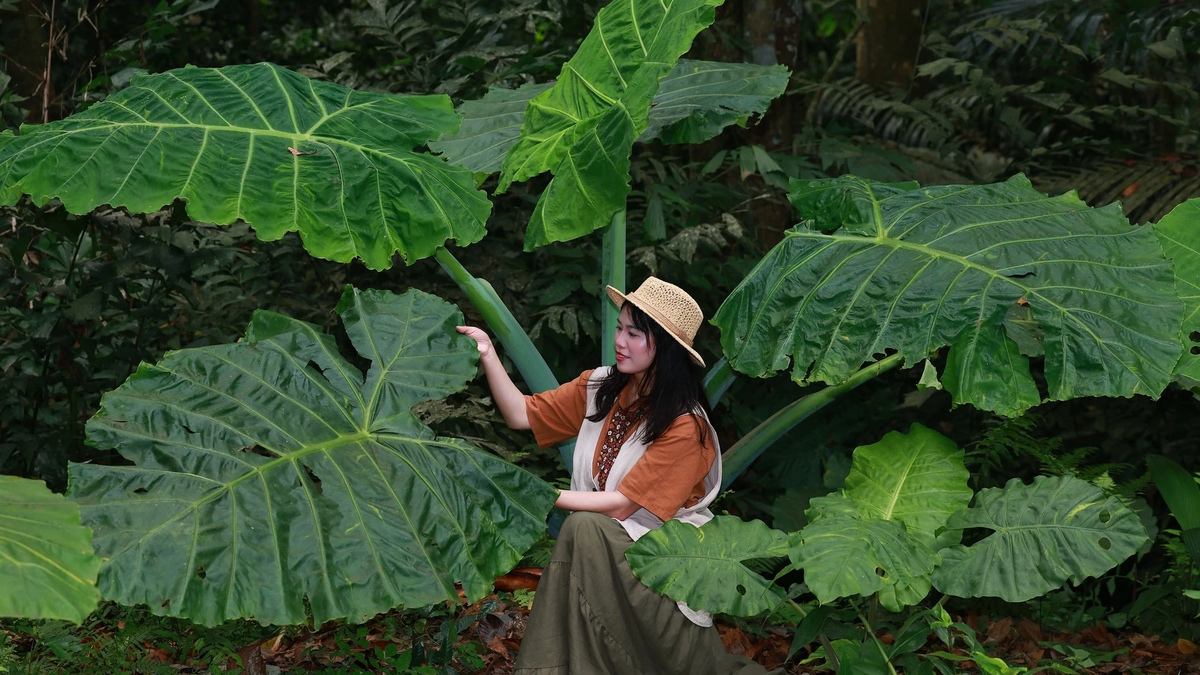
The majority of Buôn Đôn district lies within the Ea Súp semi-plain, with low to medium-hill terrain accounting for 86.4% of its natural area. It is home to Yok Đôn National Park, the largest in the country, covering over 115,500 hectares, a conservation area for Asian elephants and a unique dipterocarp forest ecosystem.
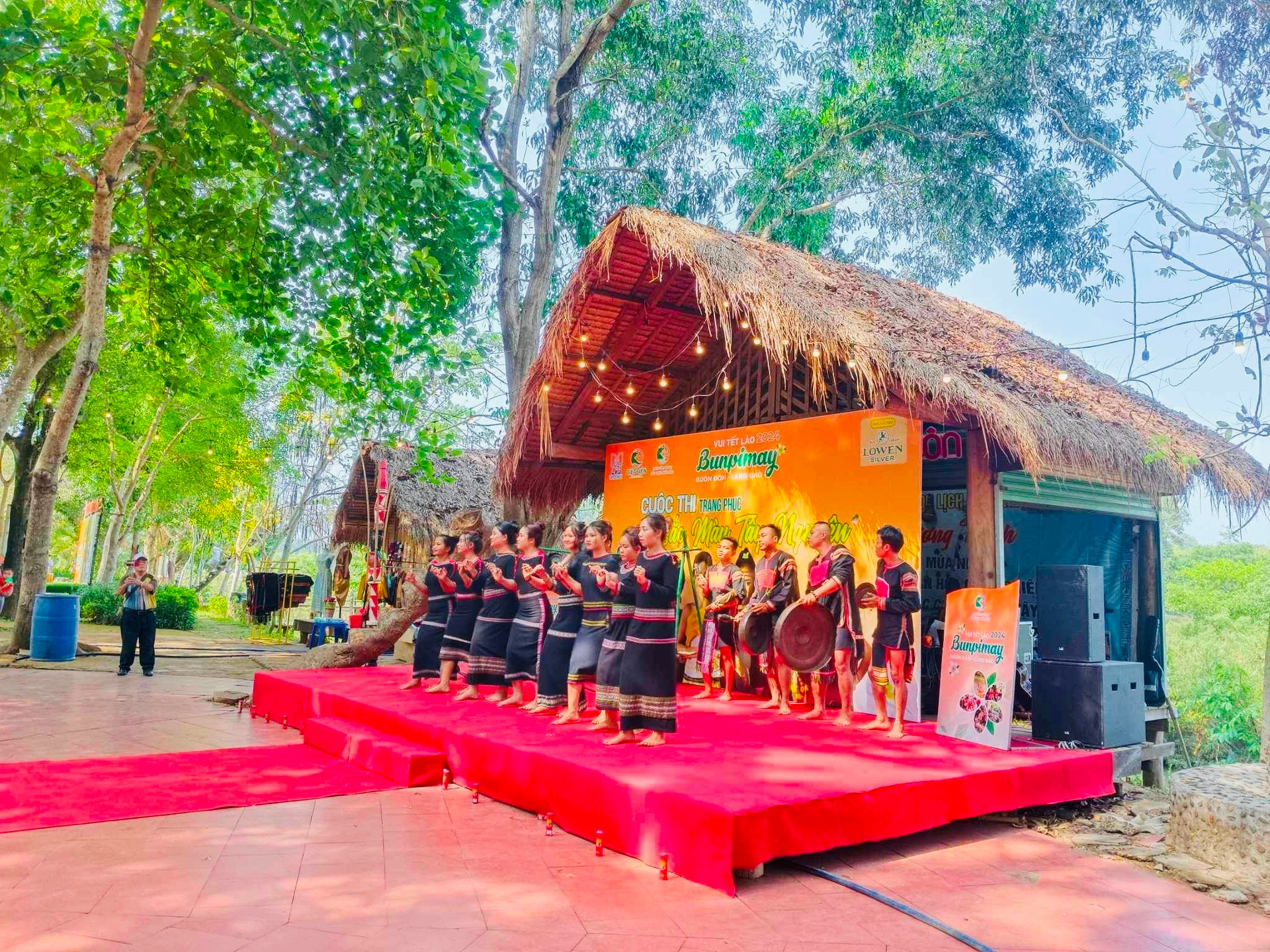
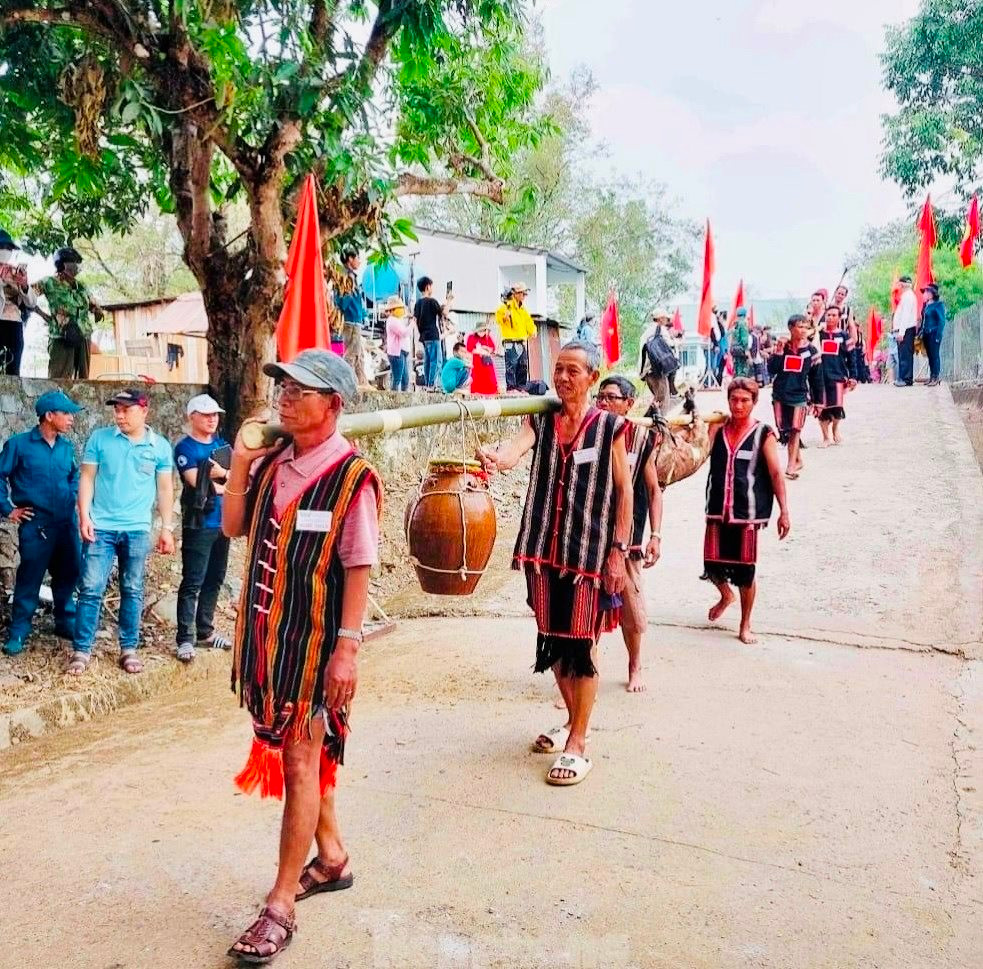
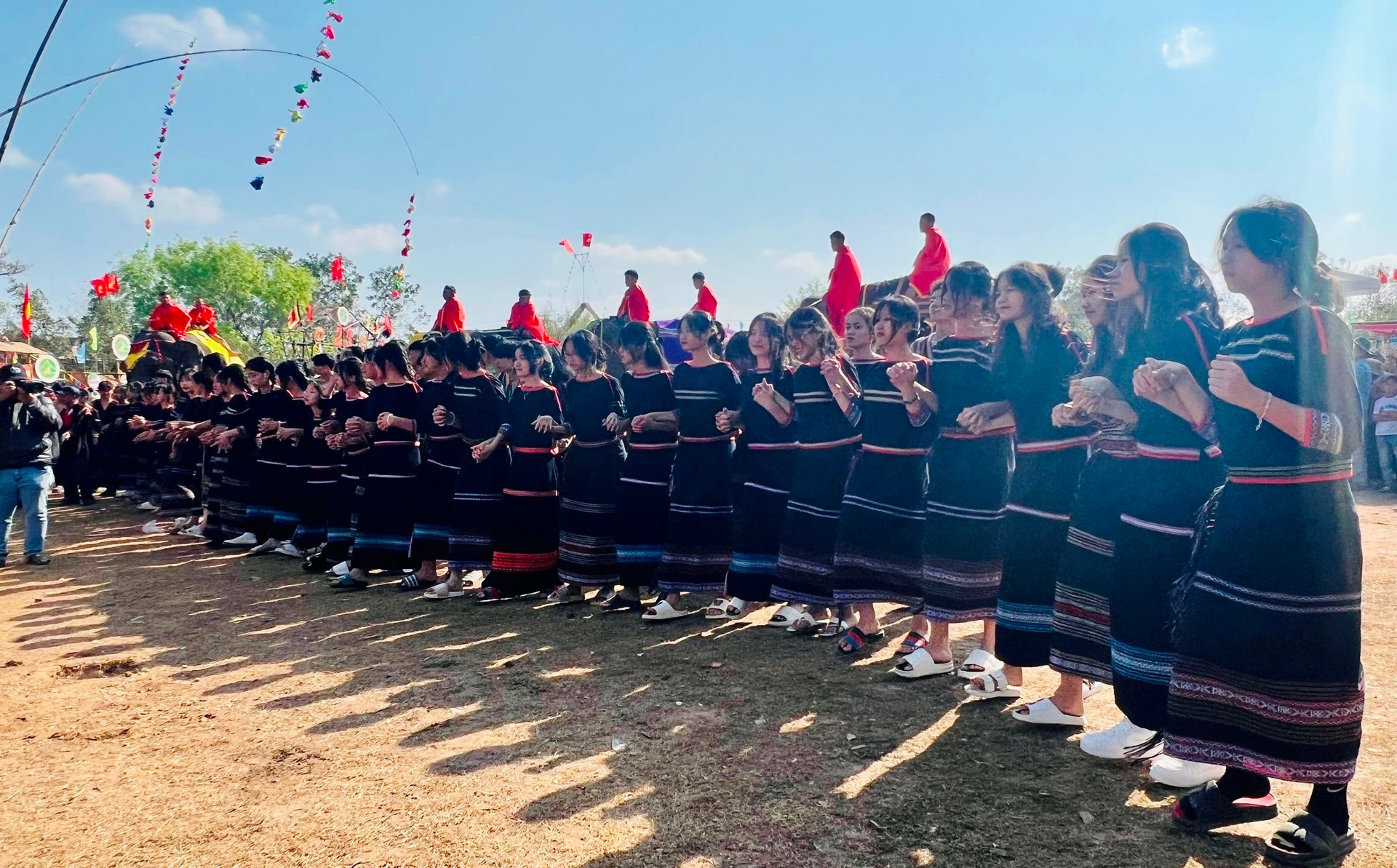
With a border of approximately 45 km shared with the Kingdom of Cambodia, Buon Don district holds a very important geographical, economic, and defense position for Dak Lak province and the Central Highlands region. Buon Don district is also identified as a key economic zone in the western part of Dak Lak province, possessing many favorable conditions for the development of tourism, energy, agricultural processing industries, and agricultural services.
Currently, tourism is developing strongly in Buon Don, and it is also a key economic sector of the locality. Buon Don has many beautiful scenic spots along the Serepok River such as riverbanks, Serepok 3 hydroelectric lake, Seven Branches Waterfall, Buddha Waterfall, Duc Minh Lake... thereby forming attractive tourist destinations such as Buon Don Suspension Bridge, ancient Lao houses, the Elephant King's tomb area, Anh Duong Tourism, Thanh Ha Tourism, Yen Castle - Buon Don Yen Island Community Tourism Village, Trohbu Landscape Garden,... Yok Don National Park is famous for its potential for ecotourism and adventure tourism. And especially, the traditional cultural identity of the ethnic groups and the legend of the Elephant King are unique tourism products of the Buon Don region.
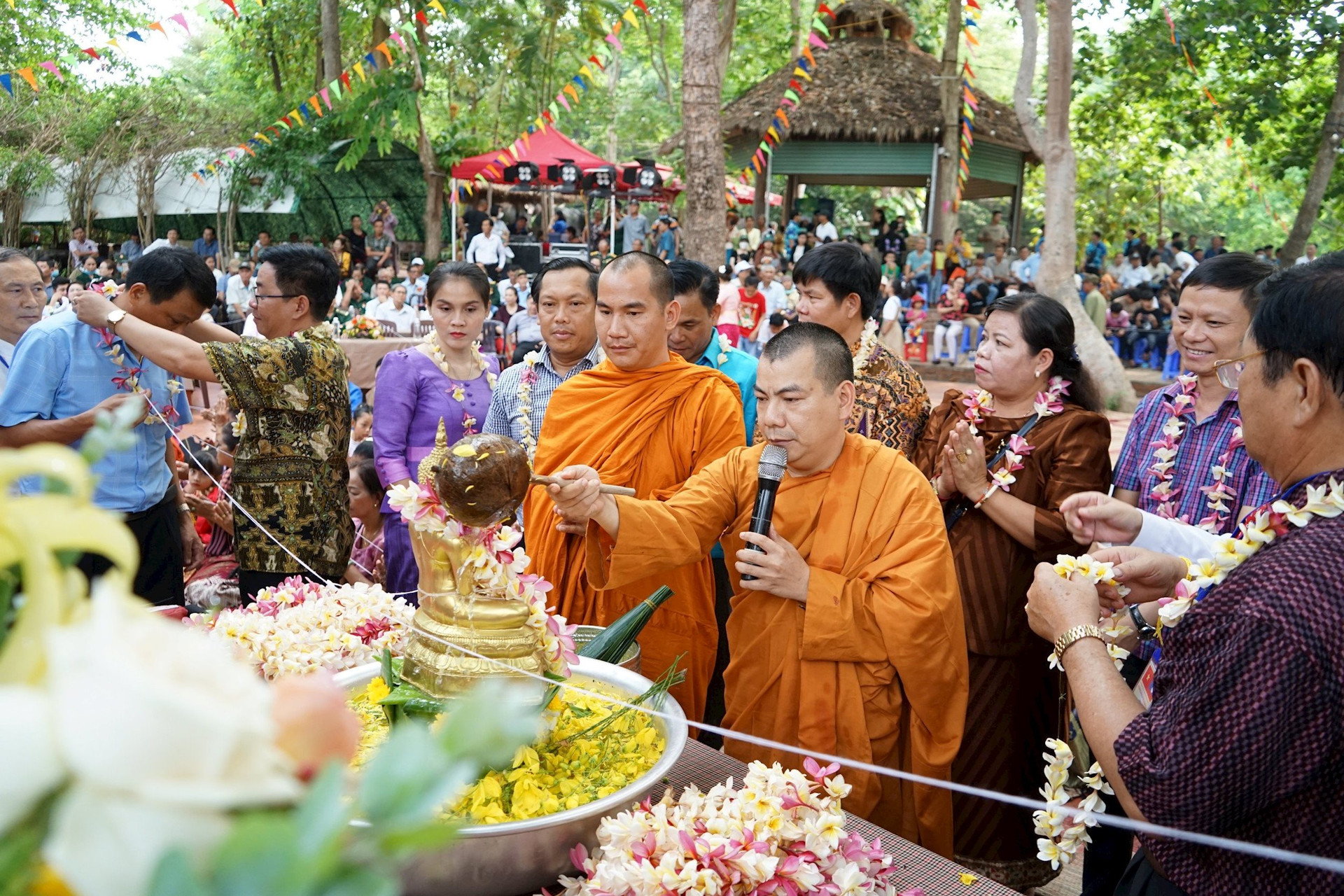
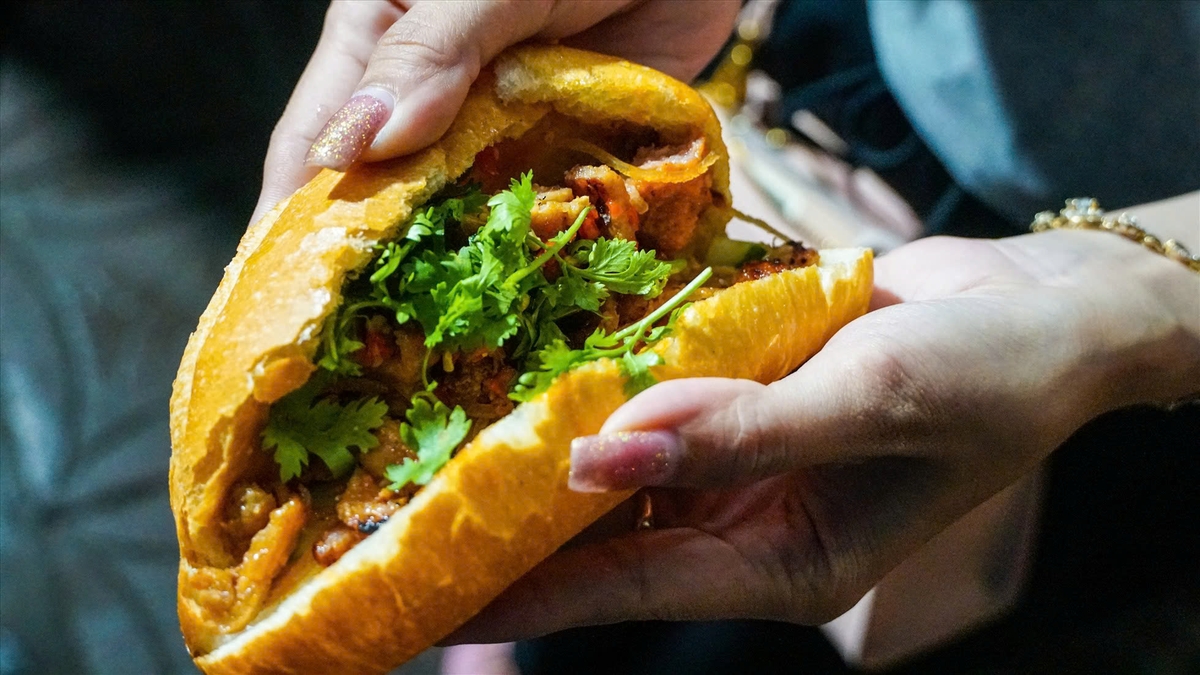
Along with traditional cultural values, historical sites, scenic spots, the advantages of the national forest, and very distinctive local specialties such as grilled meat, grilled chicken from Buon Don, bamboo rice; Ama Cong wine; and dishes made from special river fish species such as catfish and bullhead fish... all contribute to the unique character of Buon Don's culinary culture and tourism.
Source

![[Photo] Prime Minister Pham Minh Chinh receives the Chinese Ambassador to Vietnam](https://vphoto.vietnam.vn/thumb/1200x675/vietnam/resource/IMAGE/2026/04/05/1775397481797_ndo_br_dsc-5512-jpg.webp)










































































Comment (0)