

On September 25th, the Standing Committee of the National Assembly gave its opinion on the draft Law on Teachers, which includes provisions on salary and benefits policies for teachers.
Teachers' salaries should be ranked highest among public sector salaries.
Presenting the Government's report, Deputy Minister of Education and Training Pham Ngoc Thuong stated that one of the current shortcomings is that the regulations and policies for teachers, such as salaries, allowances, benefits, incentives, and social recognition, are not truly commensurate with the status and role of teachers.
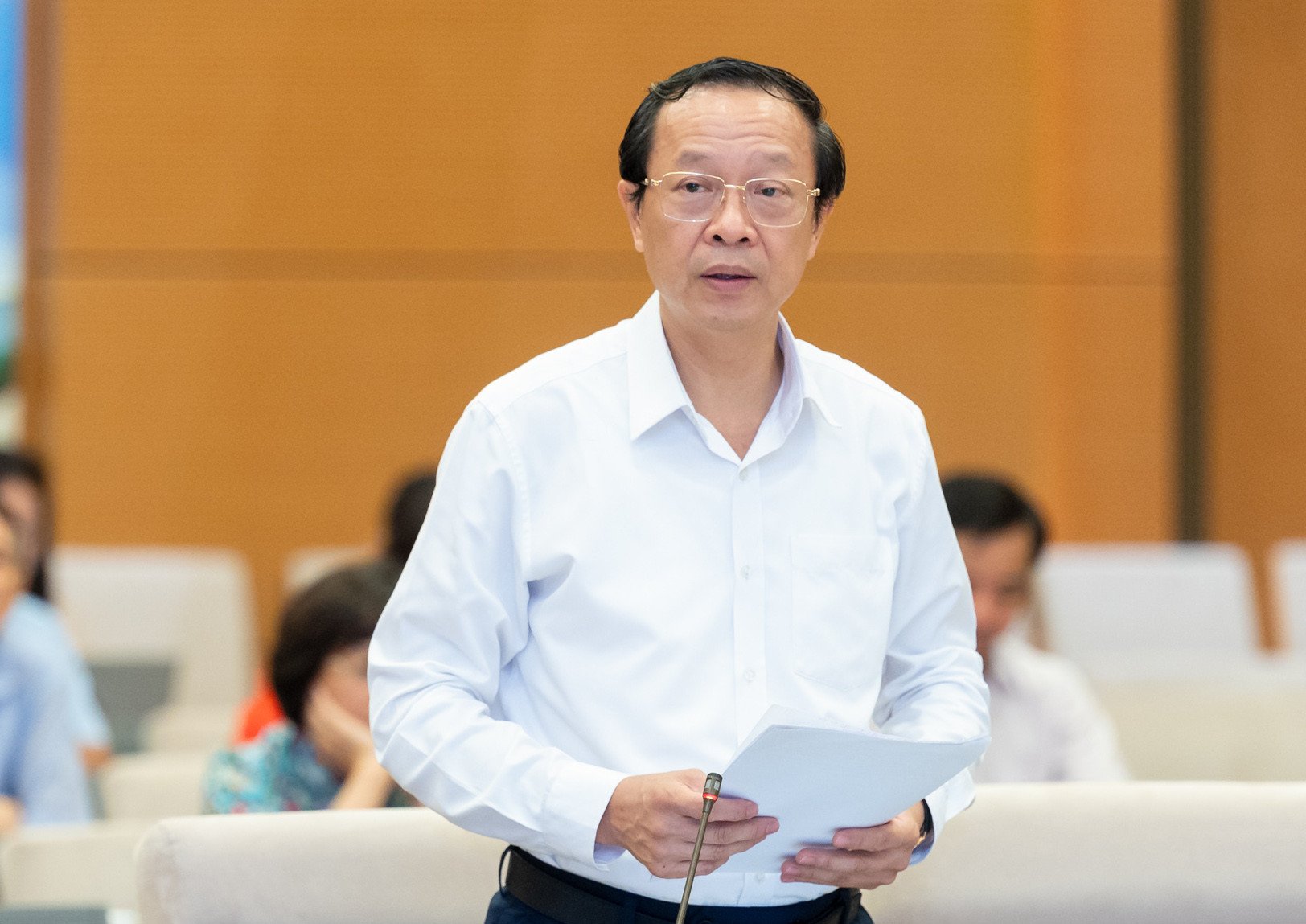
Teachers cannot yet make a living from their profession; salaries are not truly the main source of income to ensure a decent standard of living, especially for young teachers and preschool teachers.
This has led to a lack of job security among teachers, with a significant number, especially young teachers, quitting or changing jobs. Simultaneously, it has also resulted in a failure to attract talented individuals to the teaching profession, leaving many localities and educational institutions short of qualified candidates to supplement their teaching staff.
Therefore, the draft Law on Teachers stipulates that "teachers' salaries shall be ranked highest in the administrative and public service salary scale system." Teachers are also entitled to professional incentive allowances and other allowances depending on the nature of their work and region, as prescribed by law.
This policy aims to help teachers feel secure in their work, dedicate themselves, and develop their careers; to attract, value, and reward talented individuals in the teaching profession; and to encourage teachers to work and stay in the education sector for the long term, especially in disadvantaged areas...
Reviewing this matter, the Chairman of the Committee on Culture and Education, Nguyen Dac Vinh, stated that the institutionalization of this salary policy needs to be consistent with the context of salary reform; avoiding the interpretation that there will be a separate salary scale or table specifically for teachers.
The reviewing agency also noted the need to assess the impact and identify the target groups of teachers who will benefit from support policies and policies to attract and utilize them.
"There have been suggestions to review support and attraction policies to avoid duplication or omissions; and to add policies to attract academically excellent students to study pedagogy, and retain outstanding students at the university as lecturers," Mr. Vinh noted.
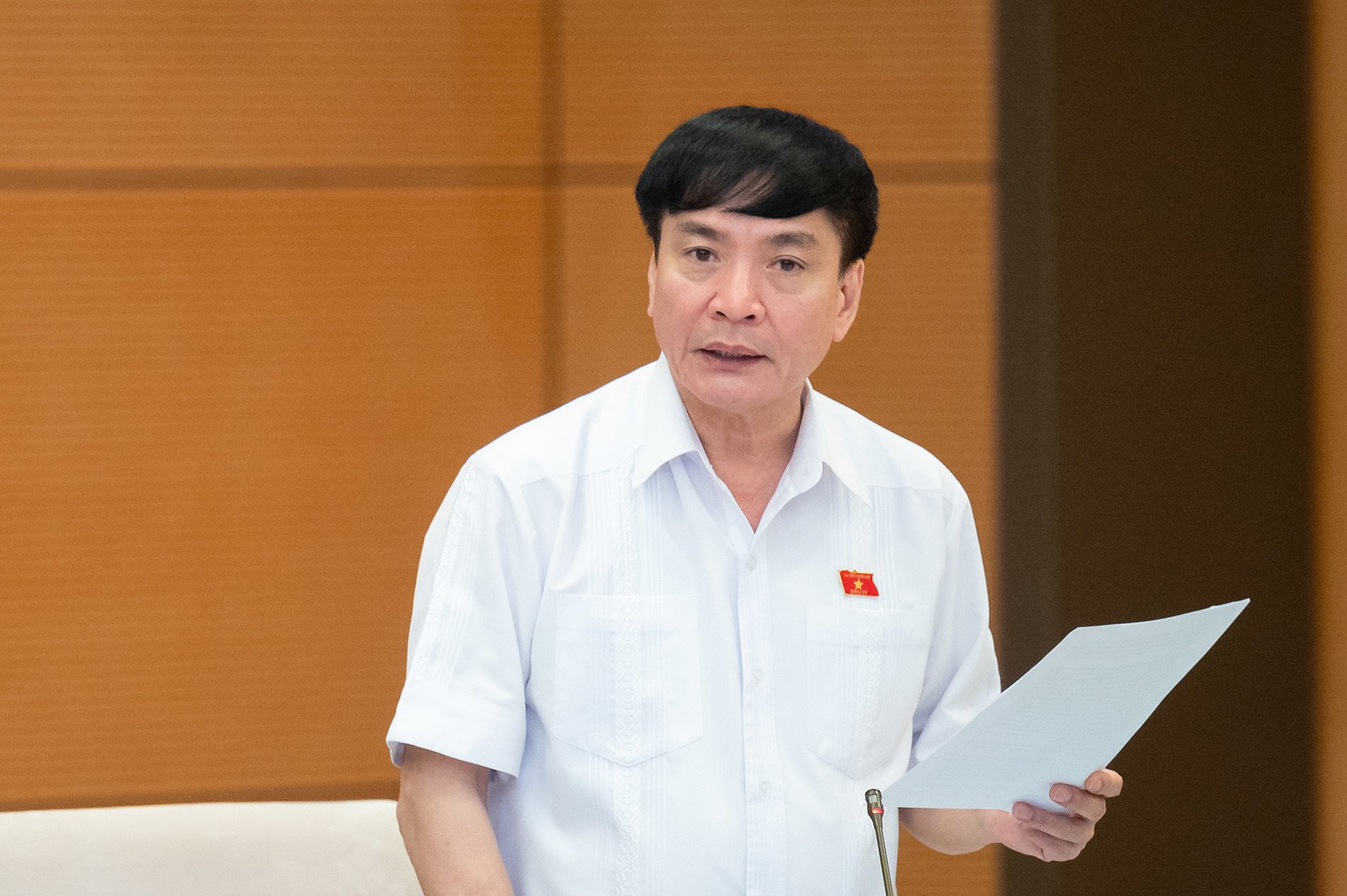
National Assembly Secretary General Bui Van Cuong agreed with the development of regulations on salary and benefits policies for teachers to concretize the Party's guidelines.
Considering that reforming teachers' salaries is difficult and complex, Mr. Cuong suggested that further research and review are needed to allow for greater flexibility in implementation.
Specifically, the draft law could consider providing incentives for teachers, attracting talented individuals to the field of education, and avoiding a situation where seniority is prioritized over seniority, while talented individuals who join the education sector later are not given any incentive policies.
Everything is needed... but everything is already available.
Commenting on the draft law as a whole, Deputy Speaker of the National Assembly Nguyen Khac Dinh stated that "the issue of teachers is a very big and important issue." The Law on Cadres and Civil Servants; the Law on Public Employees; the Labor Code, etc., already contain provisions related to teachers.
"Looking back at the specifics in this ( draft Law - PV ), every provision is necessary, but many are already in place, and some contents are missing and contradictory," the Vice Chairman of the National Assembly observed.
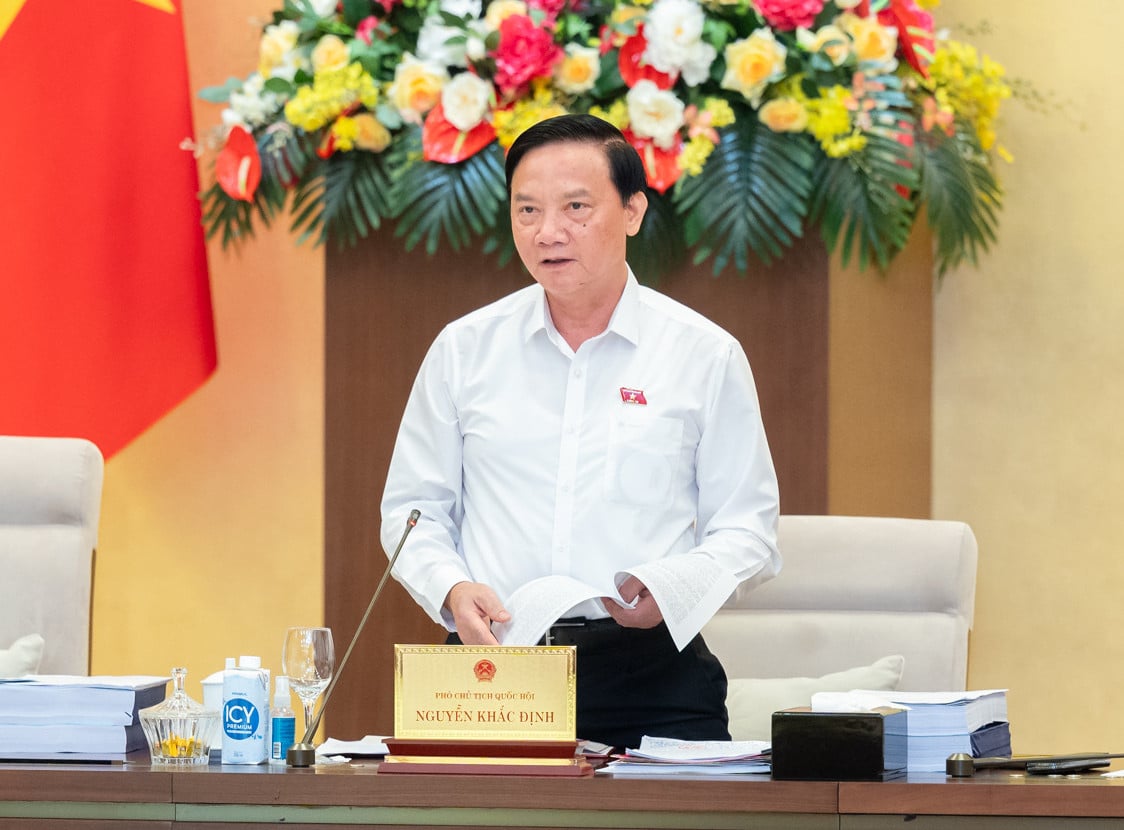
Mr. Nguyen Khac Dinh stated that the Institute for Legislative Research consulted legal experts and reviewed how many countries have laws on teachers. While the current figures are not official, they indicate very few.
"There are separate laws on education, laws on higher education, and many legal documents in the field of education, but the data currently available to me on separate laws for teachers is very limited," Mr. Dinh cited, suggesting that the drafting agency conduct a comprehensive study.
The Deputy Speaker of the National Assembly emphasized that if a separate law on teachers is needed, careful consideration should be given to including specific content in it, avoiding excessive inclusion and, even more importantly, preventing regulations that contradict the current legal system.
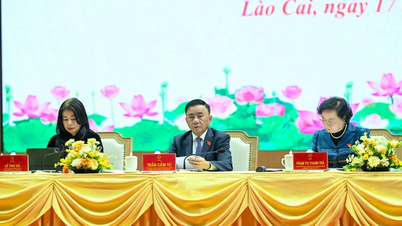
National Assembly Chairman Tran Thanh Man also noted that if laws are enacted, they must avoid overlaps and contradictions, ensure compatibility and consistency within the legal system, and should be concisely written.
"This is a completely new law, so we need to examine what mechanisms, policies, and regulations the National Assembly has enacted, including those in the public and private sectors, and the target groups, so that the new regulations we create are completely new and do not overlap with other laws," the Speaker of the National Assembly noted.
Specifically, the draft law focuses on what policies and regulations need to be enacted beyond the Education Law, the Higher Education Law, the Vocational Education Law, etc., and avoids including detailed content from circulars and decrees in the law, which would be lengthy but unnecessary.
"The drafting of this law must be approached cautiously and consistently, especially ensuring quality and policy breakthroughs without disrupting the structure of the current legal system," the Speaker of the National Assembly demanded.
In his subsequent explanation, Deputy Minister of Education and Training Pham Ngoc Thuong stated that several countries have enacted Laws on Teachers, such as China, Thailand, Indonesia, and the Philippines…
"We propose to the Speaker of the National Assembly, the Vice-Speakers, and the delegates that it is necessary to enact this law. During the lawmaking process, the drafting committee will incorporate as many suggestions as possible," said the Deputy Minister of Education and Training.
Concluding this discussion, National Assembly Vice Chairwoman Nguyen Thi Thanh requested the drafting committee to review the document and, together with the Ministry of Justice and the Ministry of Interior, conduct research to develop legislative techniques that ensure consistency and address the issue of "developing a teaching staff that meets requirements."
This matter will be reported at the Standing Committee meeting of the National Assembly around the beginning of October to decide whether or not to include it in the upcoming session of the National Assembly.
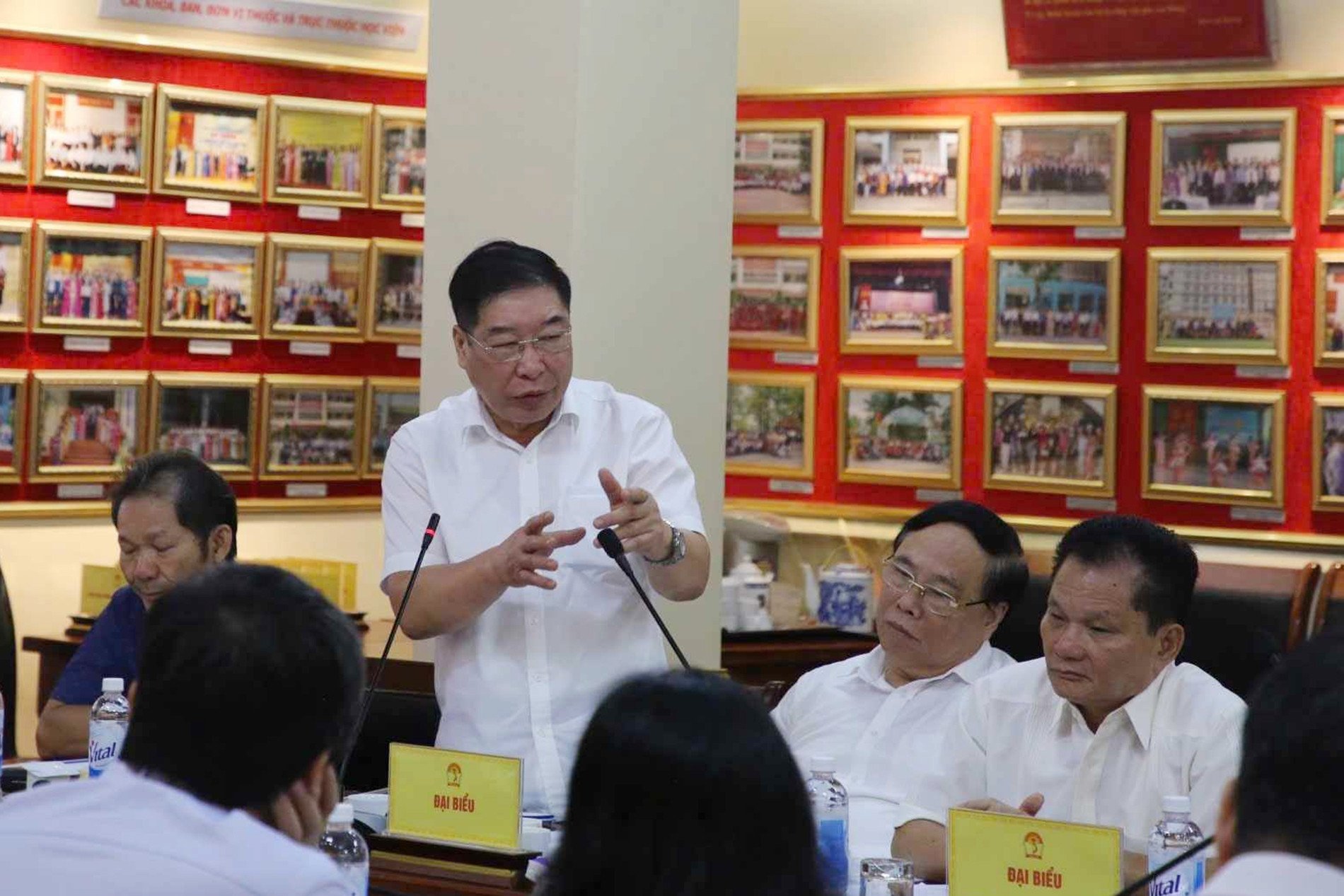
"Removing teachers from the civil service would be a huge loss."
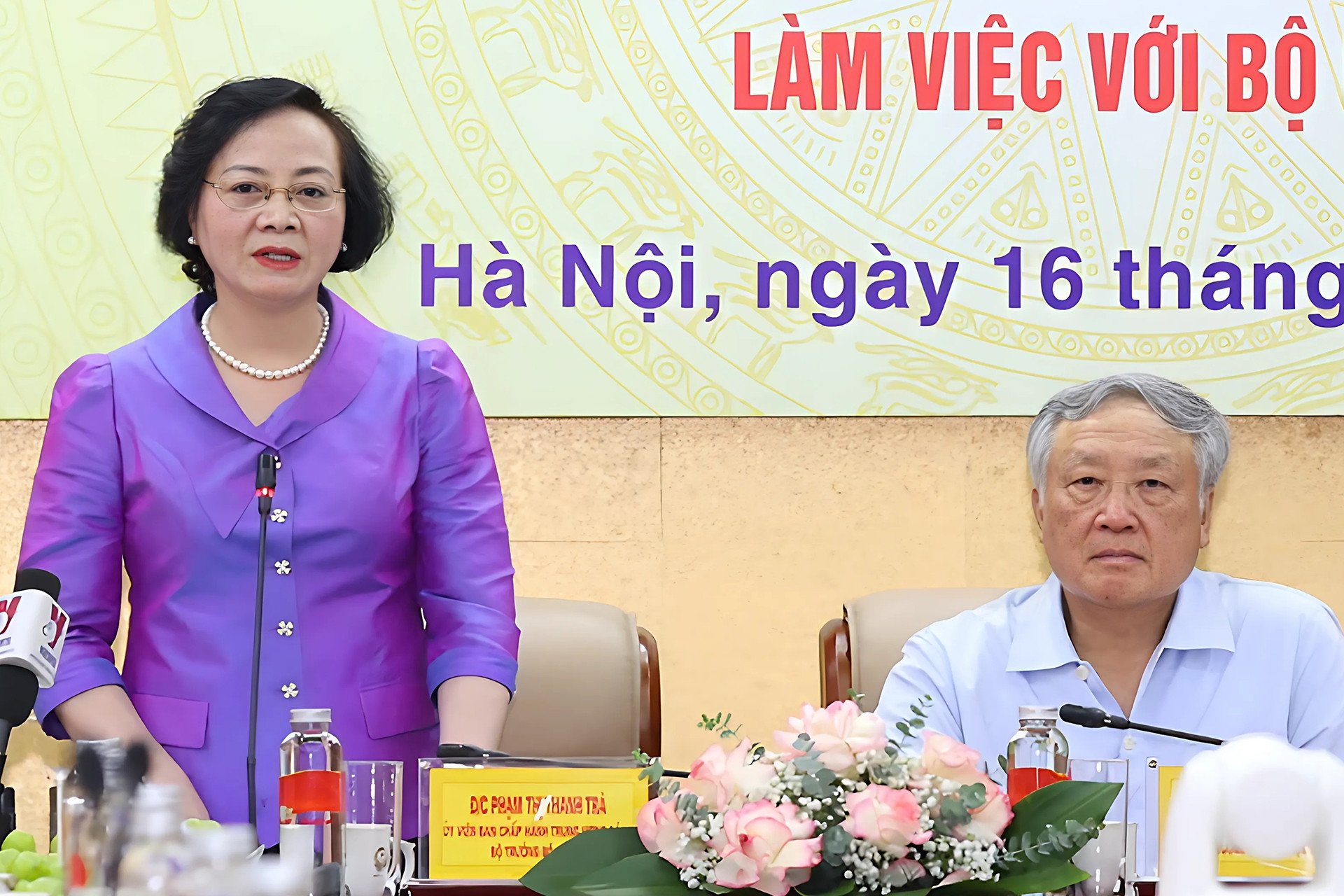
Over 7,000 civil servants may be converted into contract civil servants.
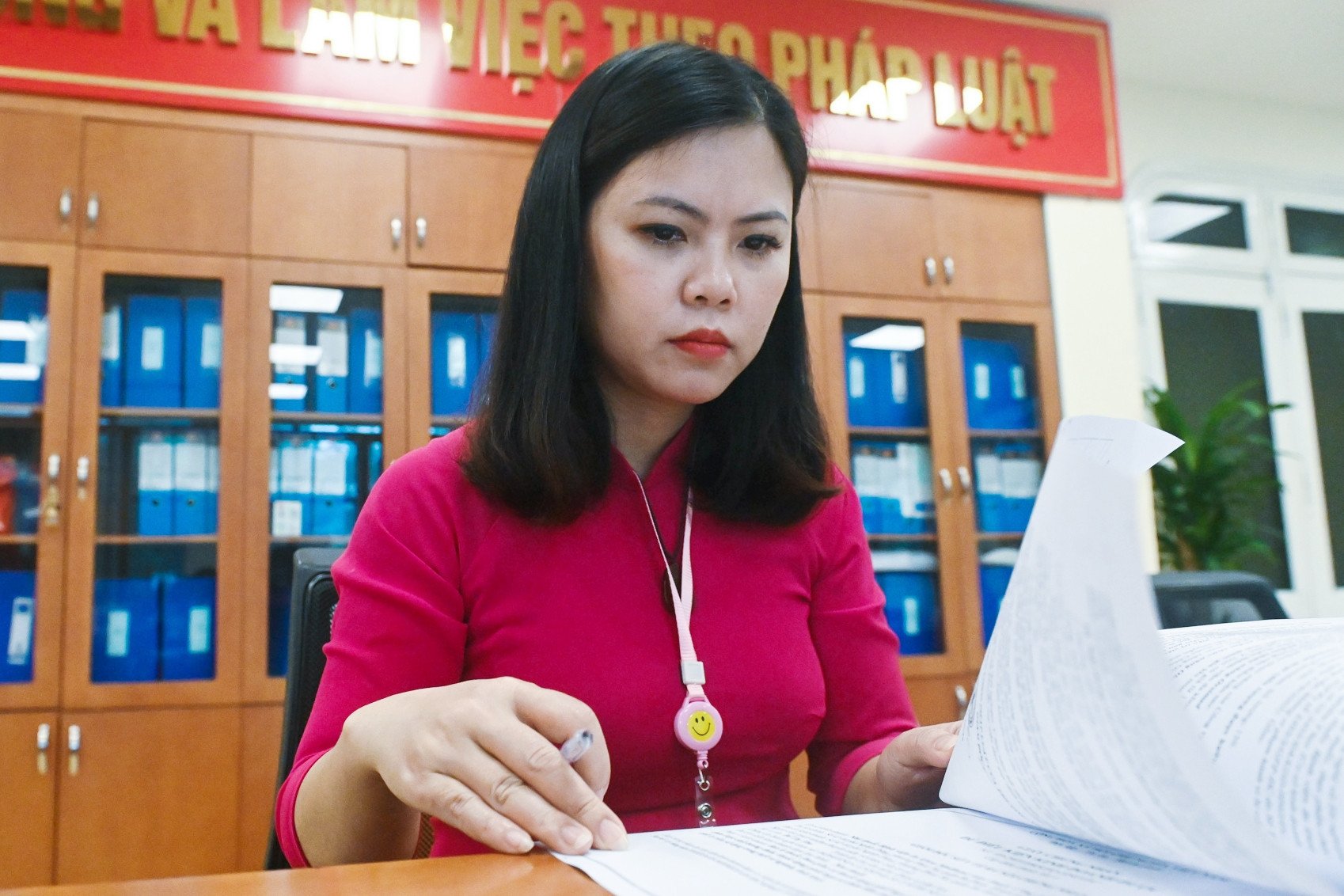
The Ministry of Interior has issued guidelines on the new method for calculating salaries and allowances for officials, civil servants, and public employees.
Source: https://vietnamnet.vn/can-co-che-dai-ngo-tang-luong-giao-vien-tranh-song-lau-len-lao-lang-2325832.html
![[Image] Central Party Office summarizes work in 2025](/_next/image?url=https%3A%2F%2Fvphoto.vietnam.vn%2Fthumb%2F1200x675%2Fvietnam%2Fresource%2FIMAGE%2F2025%2F12%2F18%2F1766065572073_vptw-hoi-nghi-tong-ket-89-1204-jpg.webp&w=3840&q=75)

































































Comment (0)