

 |
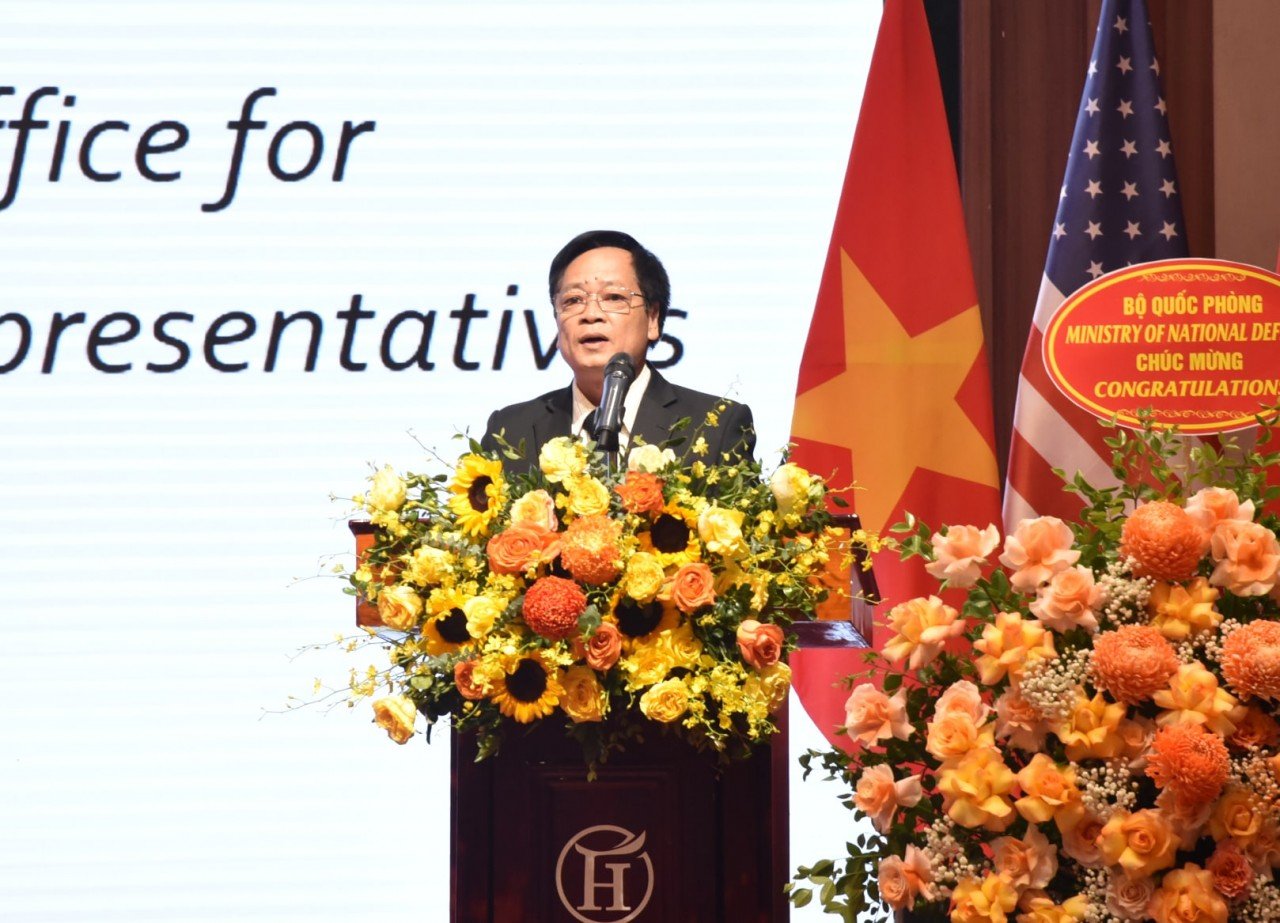
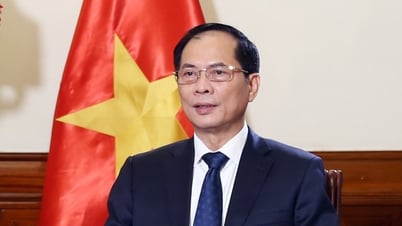
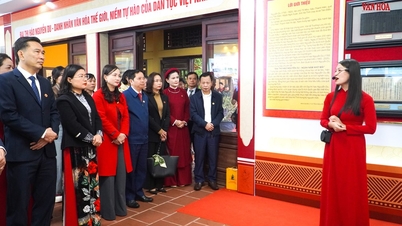
| Mr. Tran Khanh Phoi, Deputy Director of the Quang Tri Department of Foreign Affairs, shared a touching story about his family at the ceremony commemorating the 50th anniversary of the establishment of the Vietnam Agency for Searching for Missing Persons (VNOSMP) and the 35th anniversary of the joint operation to search for American servicemen missing in action (MIA) on June 8, 2023. |
The stories shared by Mr. Tran Khanh Phoi, Deputy Director of the Quang Tri Department of Foreign Affairs, at the ceremony commemorating the 50th anniversary of the establishment of the Vietnam Agency for Searching for Missing Persons (VNOSMP) and the 35th anniversary of the joint operation to search for American soldiers missing in action (MIA) on June 8th, have haunted me ever since. Today, on the Day of War Invalids and Martyrs, July 27th, I called him and he told me more stories and memories about the war, which, though long over, is truly unforgettable for his family...
Mr. Tran Khanh Phoi was born into a very poor family and grew up in a concentration camp established by the Republic of Vietnam regime on the southern bank of the Ben Hai River. His childhood was filled with arrests, imprisonment, bombs, bullets, death, and tragedy. Hunger and poverty. That was the situation in his hometown at the time, and like many other Vietnamese villages, it had to endure constant wars. He remembers never having had a full meal…
Recounting the sacrifices and losses of his family, Phoi's voice choked with emotion as he recalled the image of his father being shot dead by a South Vietnamese soldier right in front of their house on August 25, 1968. At that time, he was just a six-year-old child.
He recalled the image of his mother and sister weeping when his brother died less than a year later, on June 19, 1969. His brother had run away from home to join the army at the age of 17, and at 20 he was captured in a battle and imprisoned in Non Nuoc prison in Da Nang . Two years later, his family received news that his brother had been tortured to death in prison by the enemy for a simple reason: he was a "Viet Cong."
Later, through conversations with Mr. Phoi, I learned that he also had an older brother born in 1941. At the age of 23, he joined the army and fought directly on the Tri Thien battlefield. In 1966, he was captured in a battle and began his journey of imprisonment and torture, from Hue prison to Chi Hoa prison and nearly 8 years in Phu Quoc prison.
There wasn't a single brutal form of torture inflicted by the South Vietnamese regime that Phoi's brother didn't endure. It wasn't until 1973, after the Paris Agreement, that the once strong man, now weighing only 46 kg after years of imprisonment, was released under the "prisoner of war" arrangement. But in 1996, after years of continuous illness due to the lingering effects of his imprisonment, he passed away.
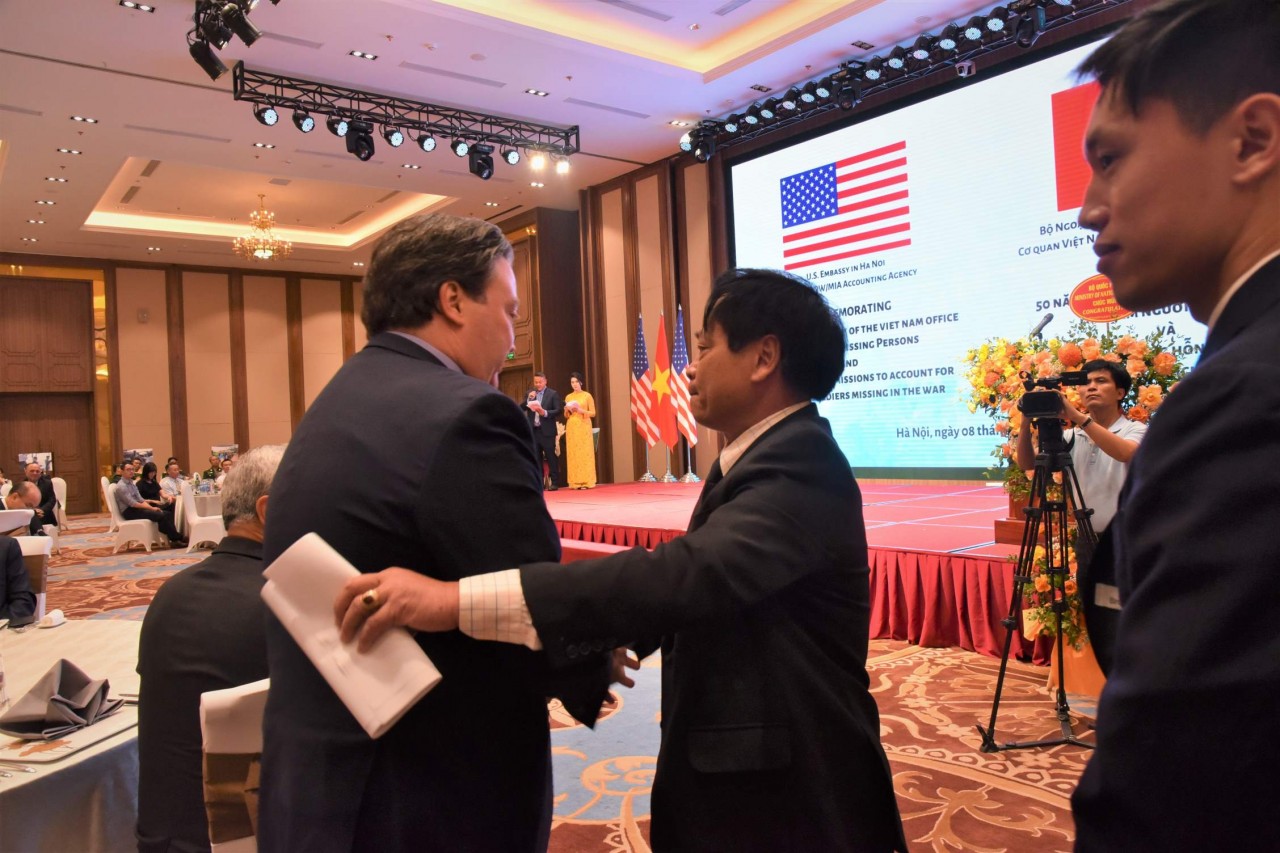 |
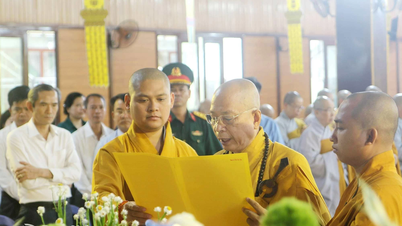
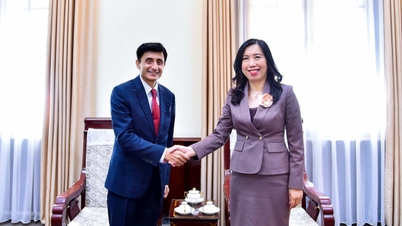
| U.S. Ambassador to Vietnam Marc E. Knapper expressed his empathy with the sentiments shared by Mr. Tran Khanh Phoi at the commemoration ceremony. |
Phoi was deeply moved as he recalled the death of his older sister on January 23, 1976, when he was 14 years old. Although still a child, he was a child of wartime, old enough to remember all the painful memories of the war.
He recounted that his older sister died right in front of her 14-year-old brother, in their garden, while participating in a bomb disposal unit. A shell unexpectedly exploded while his sister and other female comrades were using a probe to search for bombs, mines, and artillery shells, as their bomb disposal team at the time did not have the modern equipment they would have later.
Mr. Phoi sighed, his childhood memories filled with the pain and loss that war inflicted on his family, his hometown, and Vietnam. The deaths were heartbreaking and haunting: the story of his father's death when he was very young; his older brother and sister also passed away in their early twenties, unmarried, childless, and without even a photograph to commemorate them.
| RELATED NEWS | |
 | Commemorating the Day of War Invalids and Martyrs: July and the Immortal Monuments |
Mr. Phoi added that even after the war ended in Vietnam, its remnants, not only in his homeland but also in neighboring Cambodia, caused his family to lose another beloved member. He recounted that his older brother enlisted at the age of 20 and died in 1981 at the age of 26 after stepping on a landmine while on duty in Cambodia. His brother was buried by his comrades in a village in Pretviha province, Cambodia.
Four years later, his brother's remains were exhumed and placed in a backpack by a fellow soldier returning from the Cambodian battlefield and brought to the Kon Tum Martyrs' Cemetery. This soldier discarded most of his own belongings just to bring his brother's remains back home. In 1987, Phoi's family went to Kon Tum to bring his brother's remains back to their hometown for burial. Phoi was unaware of all this because he was studying in the Soviet Union at the time. In 1989, when he returned home, his mother happily recounted the story and expressed her gratitude to her son's comrade who accompanied him to his brother's grave to light incense. He was deeply moved, and later, remembering his mother, he understood even more the feelings of all mothers who have lost their children. He was fortunate to still have his son's remains…
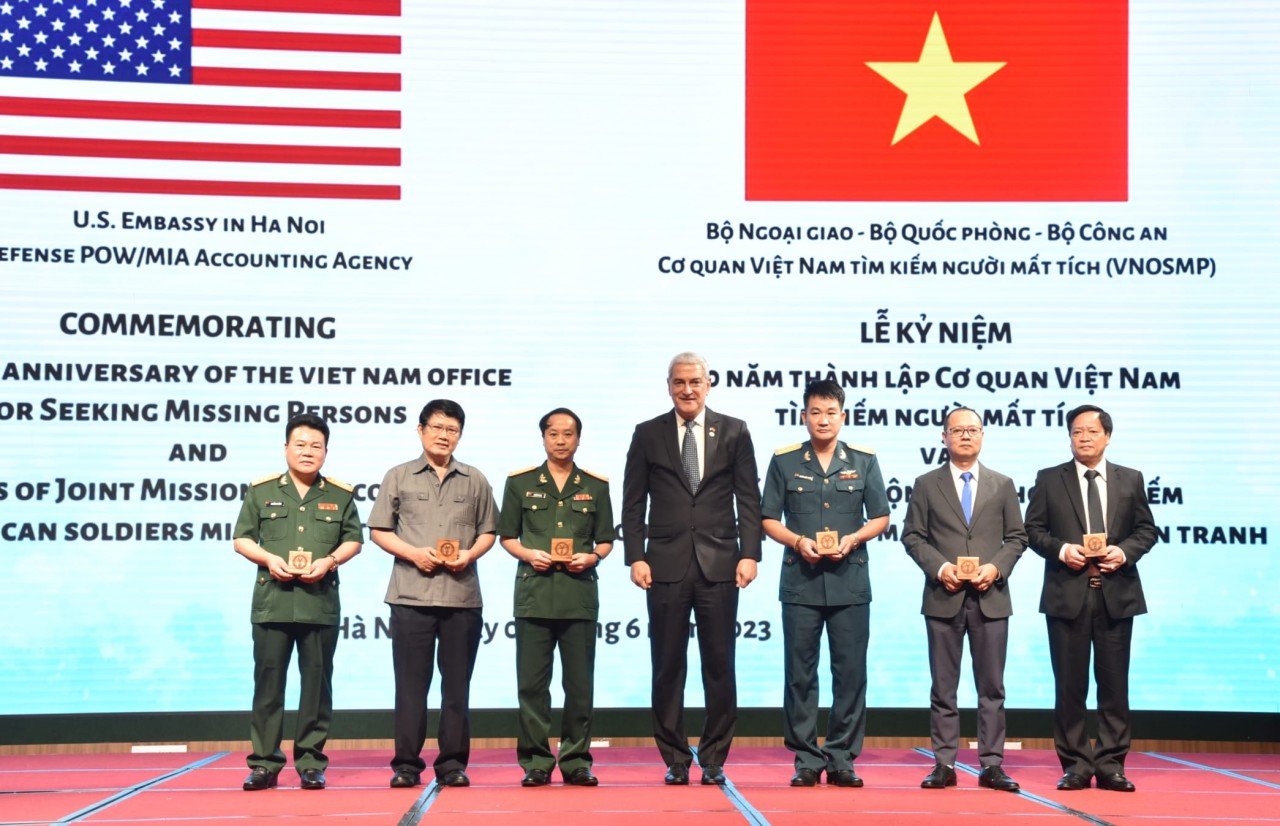 |
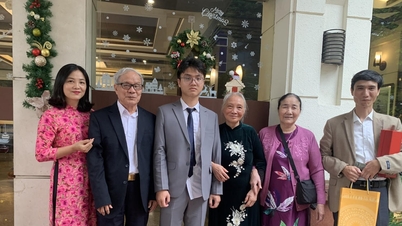
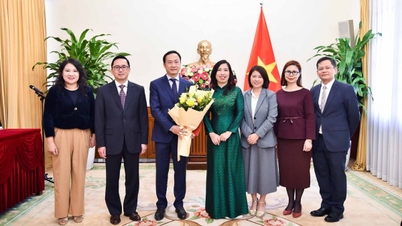
| Kelly McKeague (center), Director of the U.S. Prisoner of War and Missing in Action (MIA) Accounting Agency, presents a commemorative medal to Tran Khanh Phoi (far right) and other members who have made significant contributions to MIA work. |
Sensing this, since 1993, Mr. Phoi has participated in the search for missing persons (MIA) from the war. He said that even though he still harbored much hatred towards those who caused the war, which resulted in his family losing their dearest loved ones, Mr. Phoi shared that for 30 years, almost his entire life as a civil servant, he tirelessly dedicated himself to searching for missing soldiers from both sides.
And after those 30 years, many of his thoughts had changed; he understood more about compassion and tolerance. He understood why it was necessary to "close the past and look to the future." Ordinary Americans were not at fault. And therefore, he no longer harbored hatred towards anyone. If anything, it was only hatred for war, a revulsion towards war, with the wish that there would never be war, anywhere, with anyone, and for any reason.
| RELATED NEWS | |
| Commemorating the 50th anniversary of the establishment of MIA and the 35th anniversary of the search for missing American servicemen. |
Mr. Phoi shared that those who witnessed and endured the extreme suffering of war, and then directly participated in activities to heal the wounds of war, like them, have, are, and will continue to overcome their own losses and pain with a compassionate and kind heart that is truly Vietnamese. These actions will contribute to a journey of alleviating the pain of mothers, helping to heal the wounds of war between the two countries and two peoples, no matter how difficult or arduous the work may be.
He wanted the land to be free of landmines so that the people in his hometown could cultivate it freely. He wanted more Americans who went missing in Vietnam to be found, and of course, even more Vietnamese soldiers who died in the war to be found and identified so they could return home to their families.
"I'm absolutely certain of that!" Mr. Phoi concluded his touching story with a sigh, met with applause and shared appreciation from those present.
Source


![[Image] Central Party Office summarizes work in 2025](/_next/image?url=https%3A%2F%2Fvphoto.vietnam.vn%2Fthumb%2F1200x675%2Fvietnam%2Fresource%2FIMAGE%2F2025%2F12%2F18%2F1766065572073_vptw-hoi-nghi-tong-ket-89-1204-jpg.webp&w=3840&q=75)



























































Comment (0)