

Straw is no longer an environmental burden.
Each year, the Mekong Delta cultivates approximately 4 million hectares of rice, generating over 40-45 million tons of rice straw after harvest. For many years, a large portion of this byproduct has been burned or directly plowed into the fields, causing air pollution, greenhouse gas emissions, and wasting valuable organic matter for agricultural land.
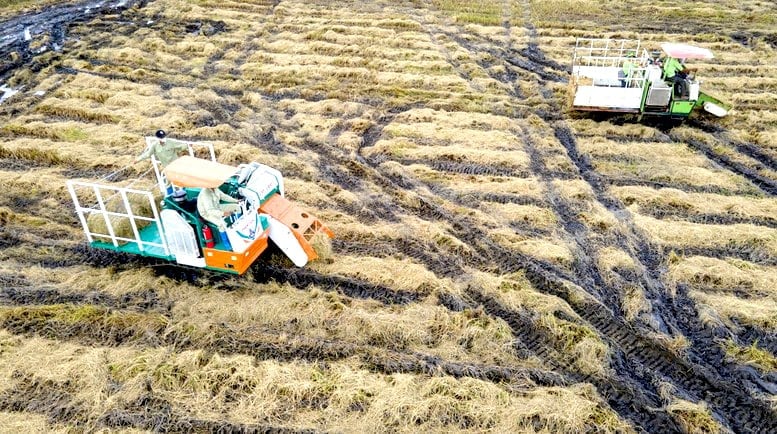
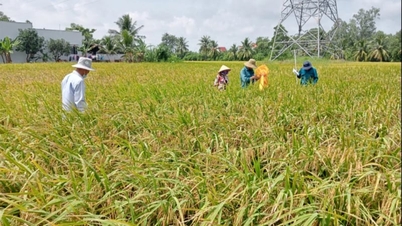
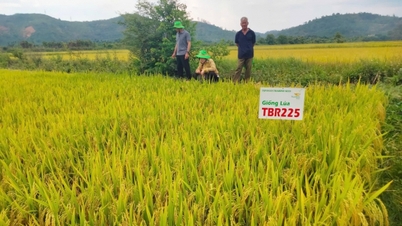
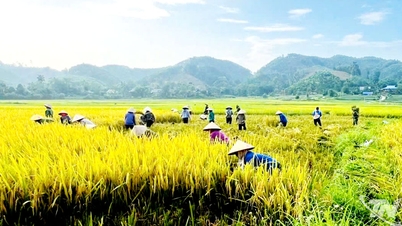
The Mekong Delta cultivates approximately 4 million hectares of rice, generating over 40-45 million tons of straw after harvest. Photo: Provided by IAS Institute.
According to agricultural estimates, burning rice straw in the fields emits large amounts of CO₂, CH₄, and PM2.5 fine dust, which not only affects the environment but also directly impacts public health. Meanwhile, rice straw contains high levels of nutrients and can be reused as a raw material for mushroom cultivation, animal feed, organic fertilizer, or soil improvement.
Recognizing this problem, in recent years, many localities in the Mekong Delta region have strongly shifted towards applying mechanization and biotechnology to collect and process rice straw after harvest in a circular economy approach with low emissions.
In Can Tho City, rice farmers in cooperatives have begun to change their production practices. Instead of burning the fields after harvest, the straw is collected using baling and pressing machines right in the fields, helping to quickly clean the fields, reduce labor, and create additional income. Tien Thuan Agricultural and Service Cooperative (Thanh Quoi commune, Can Tho City) is one of the leading units in applying mechanization to straw collection.
With the support of the Center for Agricultural Technology Transfer Research (Southern Institute of Agricultural Science and Technology - IAS), the Department of Agriculture and Environment of Can Tho City, and research units transferring advanced technologies to farmers under the central agricultural extension program "Building a model of mechanized straw collection for processing into straw products in some southern provinces," the cooperative has invested in machinery and organized straw collection in a chain.
After harvesting, the straw is rolled up and transported to a collection point for use in growing straw mushrooms, as biological bedding, animal feed, or processed into organic fertilizer to be applied back to the fields. Mr. Nguyen Cao Khai, Director of Tien Thuan Cooperative, said: “The benefits are not only in the rice crop but also in the by-products. When the straw is collected, farmers not only earn extra income but also keep their fields clean and reduce pollution. This is a long-term direction for sustainable rice production.”
In reality, when rice straw is properly utilized, its value far exceeds previous expectations. The family of Mr. Pham Dinh Thieu, a member of the Tien Thuan Cooperative, is a prime example. “In the last rice harvest, my family earned over 15 million VND from selling and utilizing the straw alone. The fields are cleaner, the soil is more porous, and the environment is more pleasant. Farming now isn't just about the rice grain; it's about the straw as well,” Mr. Thieu shared.
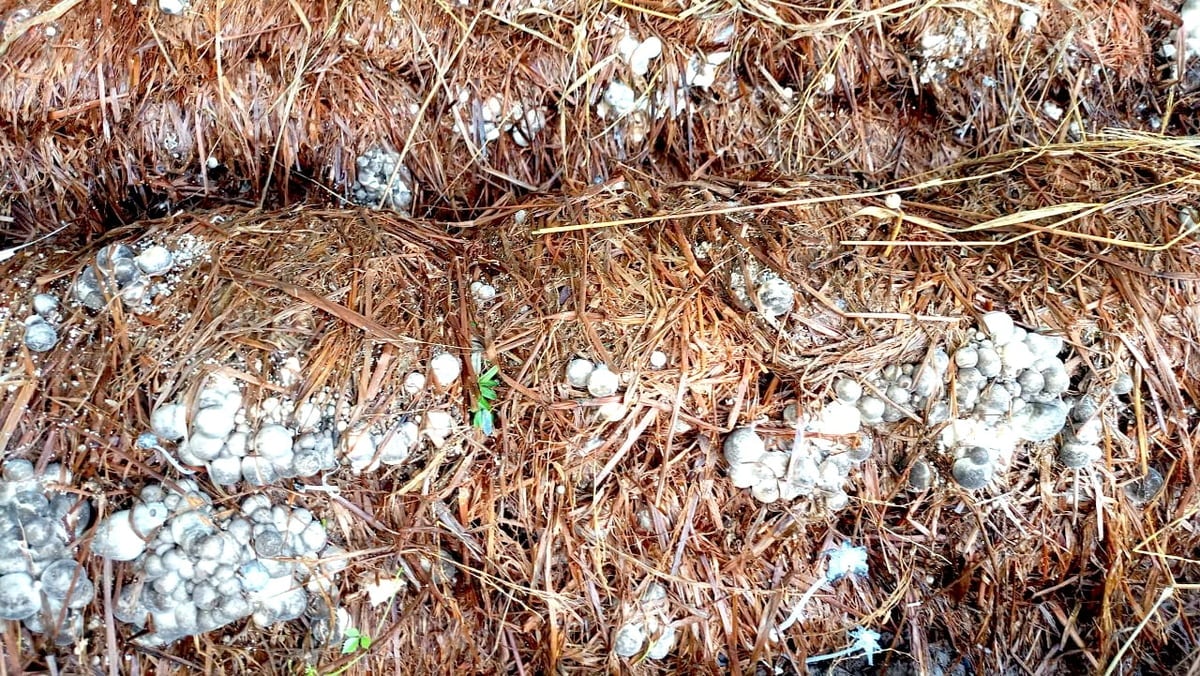
After harvesting, straw is rolled up and transported to a collection point for use in straw mushroom cultivation, as biological bedding, animal feed, or processed into organic fertilizer to be applied back to the fields. Photo: Minh Sang.
Besides collecting dry straw, the cooperative also utilizes the straw residue after mushroom cultivation to make organic fertilizer, which is then recycled for rice and vegetable production. As a result, the cost of chemical fertilizers is significantly reduced, and the fertility of the cultivated land is improved, along with the growth of beneficial microorganisms.
According to expert assessments, if rice is produced using traditional methods, the average income is approximately 85-90 million VND/ha/year. When combined with utilizing rice straw (for mushroom cultivation, organic fertilizer production), the total income can reach 130-135 million VND/ha/year, an increase of over 40%.
Leveraging the 1 million hectare high-quality rice project.
Besides collection, many localities in the Mekong Delta are promoting solutions for treating rice straw in the fields using biological preparations. This is seen as a solution for areas where it is impossible to collect all the straw. New generation microbial preparations help rice straw decompose quickly under anaerobic conditions, in just 3-5 days, limiting organic poisoning, reducing greenhouse gas emissions, and supplementing soil nutrients.
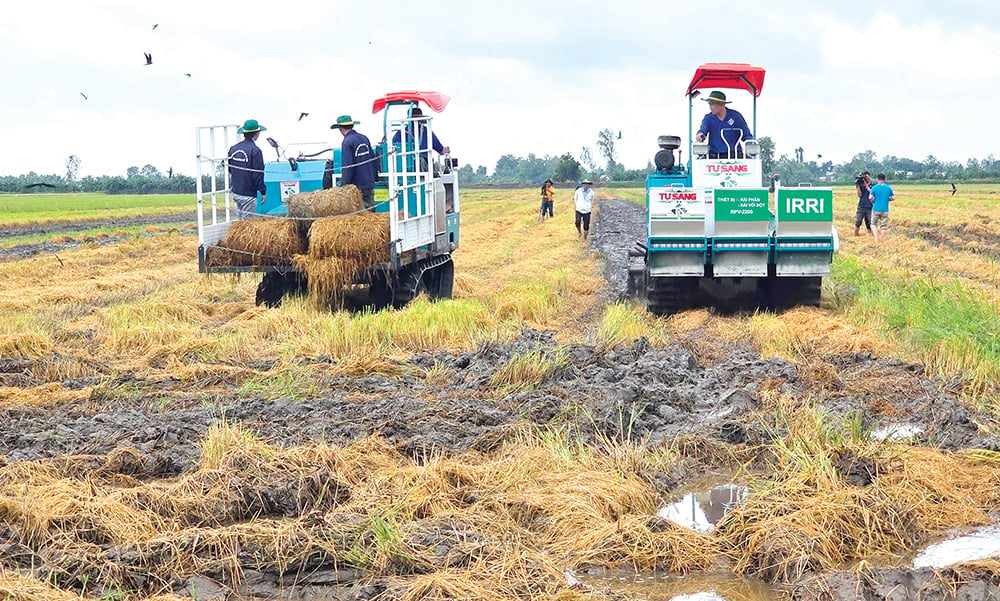
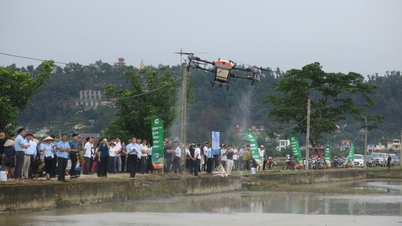
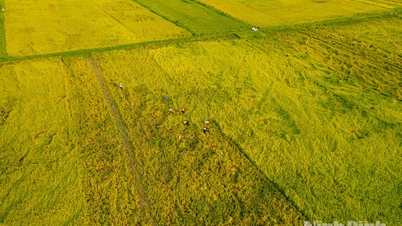
Many localities in the Mekong Delta are promoting solutions for collecting and processing rice straw in the fields using biological preparations to help the straw decompose quickly, reduce organic poisoning, decrease greenhouse gas emissions, and add nutrients to the soil. Photo: Provided by IAS Institute.
Mr. Ngo Xuan Chinh, Director of the Center for Research and Transfer of Agricultural Technology (Southern Institute of Agricultural Science and Technology), said: “The model we are building aims to transform waste products into resources. Mechanized collection combined with biotechnology helps straw and stubble no longer be an environmental burden, but become an input for many production chains.”
Practical experience shows that treating rice straw with microorganisms can help reduce the amount of chemical fertilizers by 20-30% in the following crop, while improving soil structure and the resilience of rice plants. The project "Sustainable development of 1 million hectares of high-quality, low-emission specialized rice cultivation associated with green growth in the Mekong Delta by 2030" is becoming a major impetus for models using rice straw in a circular manner.
According to the project's guidelines, rice straw is no longer considered a discarded byproduct, but rather an integral component of the rice value chain. The new farming process aims to reduce seed usage, minimize fertilizer and pesticide use, manage water intelligently, and remove straw from the fields or process it biologically using proper techniques to reduce greenhouse gas emissions.
Ms. Nguyen Thanh Thuy, Deputy Head of the Crop Production and Plant Protection Sub-Department of Can Tho City (Department of Agriculture and Environment of Can Tho City), said: “If straw is utilized effectively, the value per unit of cultivated land will increase significantly. This is a key factor in increasing farmers' income in the context of rising input costs.”
According to experts from the International Rice Research Institute (IRRI), farmers play a decisive role in the transition to circular, low-emission agriculture. For circular agriculture to succeed, policies must provide clear benefits to farmers. When they see the economic and environmental benefits, farmers will proactively make the change.
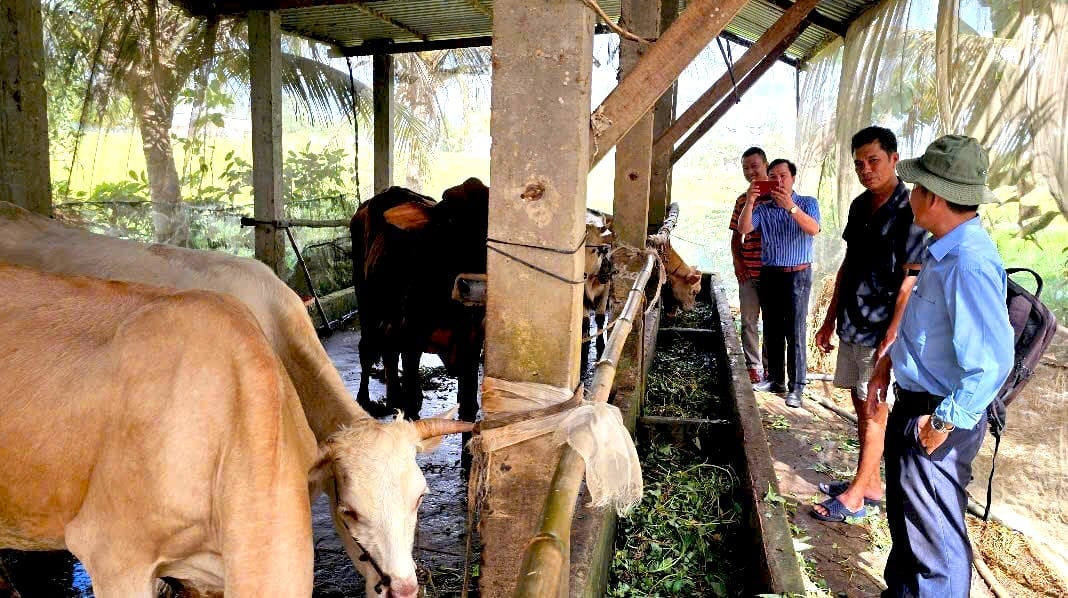
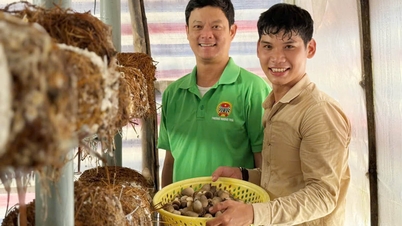
Rice straw contains high levels of nutrients and can be reused as a raw material for mushroom cultivation, animal feed, organic fertilizer, or for effective soil improvement. Photo: Minh Sang.
In Can Tho and many other localities in the Mekong Delta, it has been shown that when supported with machinery, technology, and product outlets, farmers are willing to abandon the habit of burning straw and switch to greener, more sustainable production models. The application of mechanization and biotechnology in straw collection and processing is contributing to reducing greenhouse gas emissions, improving the living environment, and increasing the added value of the rice industry.
From the rice fields of Can Tho, Dong Thap, and other areas, the "recycled straw" model is spreading rapidly. This is not just a technical solution, but a shift in production mindset, from maximizing rice grain harvesting to comprehensively exploiting the value of the rice plant. When straw is recognized for its true role as a resource, agriculture in the Mekong Delta is taking another solid step on the path to green, efficient development and adaptation to climate change.
The Department of Agriculture and Environment of Can Tho City will continue to closely coordinate with domestic and foreign partners to support farmers and businesses in accessing and applying advanced machinery and technology. According to the plan, Can Tho will implement the 1 million hectare rice project with a total area of 170,000 hectares by 2030; specifically, 104,500 hectares will be cultivated in 2025.
Source: https://nongnghiepmoitruong.vn/co-gioi-hoa-cong-nghe-sinh-hoc-khai-thac-ben-vung-rom-ra-dbscl-d789872.html
![[Photo] Admire the coral "masterpiece" amidst the million-year-old heritage of Dak Lak province.](https://vphoto.vietnam.vn/thumb/1200x675/vietnam/resource/IMAGE/2026/05/30/1780107638639_y25-jpg.webp)













































































Comment (0)