

For many years, in response to the development needs of localities, the power grid system has been invested in using various sources of capital, from the state budget to non-state budget sources. However, during the process of transferring power projects invested with state capital to the Vietnam Electricity Group (EVN) for management, many shortcomings have arisen, making the transfer process difficult.
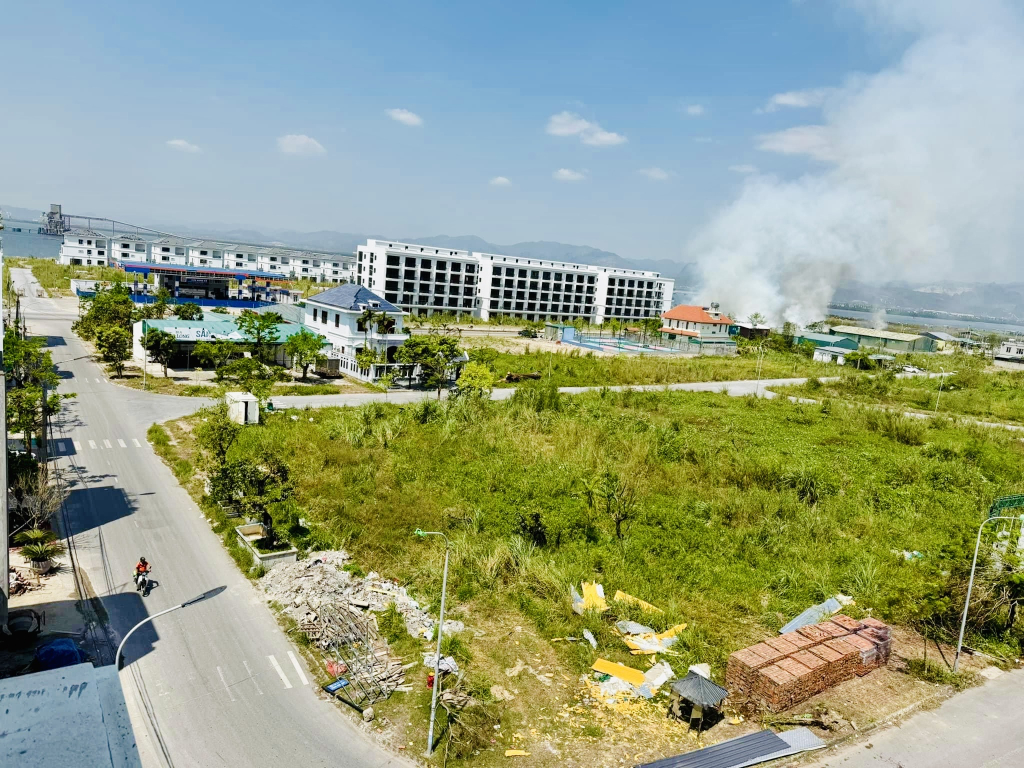
According to data compiled by the Department of Industry and Trade from various units and localities, the number of electricity projects within the scope of regulation that require asset transfer to EVN in the province currently stands at 661. In reality, the delay in transferring and receiving electricity projects stems from several causes, including the complex transfer process outlined in Decision No. 41/2017/QD-TTg, which involves many intermediate steps and does not fully cover all cases arising in practice. Specifically, Decision 41/2017/QD-TTg states that transfers are only permitted for electricity projects funded by the state budget. For projects funded by other sources, there is no policy yet on transferring or receiving assets; therefore, the electricity sector lacks the legal basis to carry out the transfer procedures. Meanwhile, many urban areas in the province are being developed through land-for-construction exchange. In order for these projects to be handed over, the Provincial People's Committee must prepare transfer documents, identify the assets, and submit them to EVN and the Ministry of Finance for reporting to the Prime Minister for consideration.
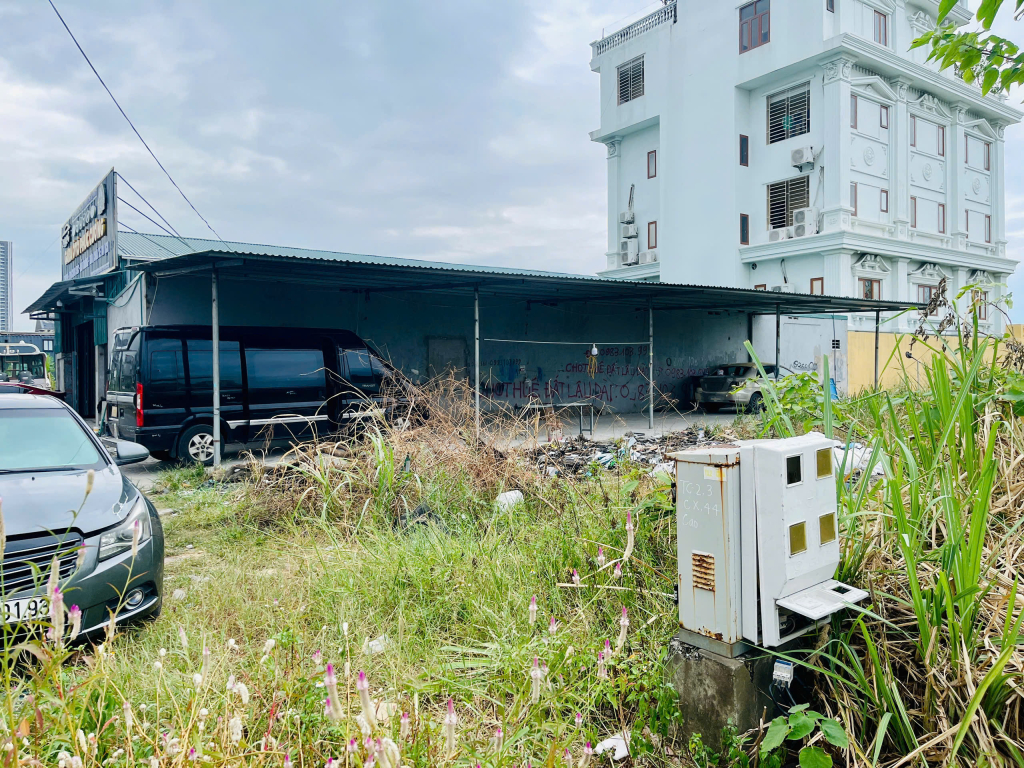
The delay in handing over assets to the power sector has led to a series of other problems for businesses and residents, especially in urban areas that have been established for many years. Many project investors are very frustrated because they have invested tens of billions of dong in technical infrastructure, but paradoxically, the amount of money residents pay to the power sector for monthly electricity consumption is still being used for repairs because the assets have not yet been handed over. As a result, whenever power lines, substations, or electrical cabinets are damaged, the power sector requires the investors to continue to bear the repair costs. For example, according to calculations by Construction Company 507, Quang Ninh Branch, the annual maintenance and repair costs for the power grid of these projects have now reached 30% of the initial investment capital.
Due to limited capital, many businesses are unable to upgrade and repair the power grid system to meet development needs in a timely manner. As a result, the power system deteriorates year after year, the quality of electricity becomes unstable, posing safety risks and seriously affecting the quality of life for residents. For example, in the Cao Xanh and Ha Khanh areas (Ha Long City), people who buy land and build houses often have to borrow electricity from neighboring residential areas. The main reason is that the power grid in these projects is almost overloaded and cannot ensure operation, leading the Ha Long City Power Company to temporarily suspend the supply of new electricity to these urban areas. Ms. Nguyen Thi Hang (Cao Xanh - Ha Khanh B New Urban Area) shared: "Having electricity and running water is a legitimate right that residents should enjoy before moving into urban areas. However, to get electricity, my family had to run around everywhere. It was really exhausting."
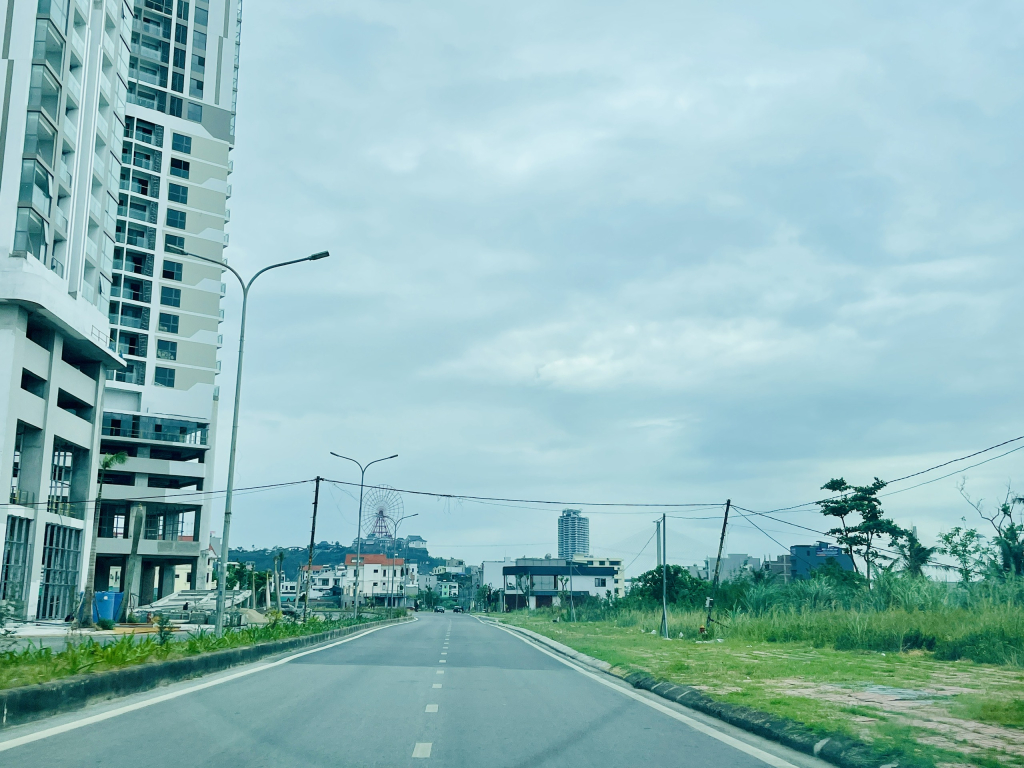
To address the obstacles in the procedures for transferring public electricity infrastructure to EVN, on January 10, 2024, the Government signed and issued Decree No. 02/2024/ND-CP on the transfer of public electricity infrastructure to EVN, effective from March 1, 2024. Decree No. 02/2024/ND-CP introduces a significant decentralization of authority to ministries, sectors, localities, and units directly managing electricity infrastructure; it specifies the method for determining the value of transferred electricity infrastructure in a simplified manner, maximizing the use of available information; and it clarifies the responsibilities of relevant units.
Mr. Tong Viet Hung, Deputy Director of Construction Company 507, said: "Electric infrastructure is a unique type of asset, and only the electricity sector has the expertise to operate it. Therefore, we hope that the local authorities and Quang Ninh Power Company will support and guide the enterprise to ensure correct and consistent understanding, minimize difficulties and obstacles in the practical implementation according to the new Decree, and promptly hand over the assets to the electricity sector."
To ensure the effectiveness of Decree No. 02/2024/ND-CP, in early October 2024, the Provincial People's Committee issued Plan No. 231/KH-UBND on the implementation of transferring public assets of electricity infrastructure with voltage levels up to 110kV in the province to EVN. According to the Plan, the processing time for electricity infrastructure transfer applications is approximately 40-45 applications per month (expected to be 120 applications in 2024, with the remaining applications, as listed in the attached catalog, carried over to 2025 and subsequent years). The plan also specifies the responsibilities of the relevant units.
Mr. Dao Duy Linh, Head of the Energy Management Department (Department of Industry and Trade), stated: Based on the current situation, the transfer of public assets to the Vietnam Electricity Group (EVN) is expected to face many difficulties and obstacles, especially the lack or loss of project and construction documents. The transfer process involves many specialized areas and procedures, such as asset valuation and land procedures, requiring support and guidance from relevant departments, agencies, and localities. In particular, localities need to facilitate and closely coordinate with the investor or the unit currently managing and using the electricity infrastructure in preparing documents and land procedures in accordance with regulations.
Source


![[Image] Central Party Office summarizes work in 2025](/_next/image?url=https%3A%2F%2Fvphoto.vietnam.vn%2Fthumb%2F1200x675%2Fvietnam%2Fresource%2FIMAGE%2F2025%2F12%2F18%2F1766065572073_vptw-hoi-nghi-tong-ket-89-1204-jpg.webp&w=3840&q=75)








































































Comment (0)