

Lesson 1: Enhancing the effectiveness of state management of mineral resources
(TN&MT) - Since the Mineral Resources Law of 2010 came into effect, it has helped localities effectively manage and exploit mineral resources, meeting part of the demand for raw materials for socio-economic development, contributing to increasing state budget revenue, and creating jobs for local people.
Mining operations are becoming more organized.
Quang Nam province possesses abundant and diverse mineral resources, with nearly 45 types, many of which have large reserves and high economic value, such as gold, sand, white sand, and construction stone. While these abundant mineral resources contribute to the socio-economic development of the province, they also pose significant challenges in management.
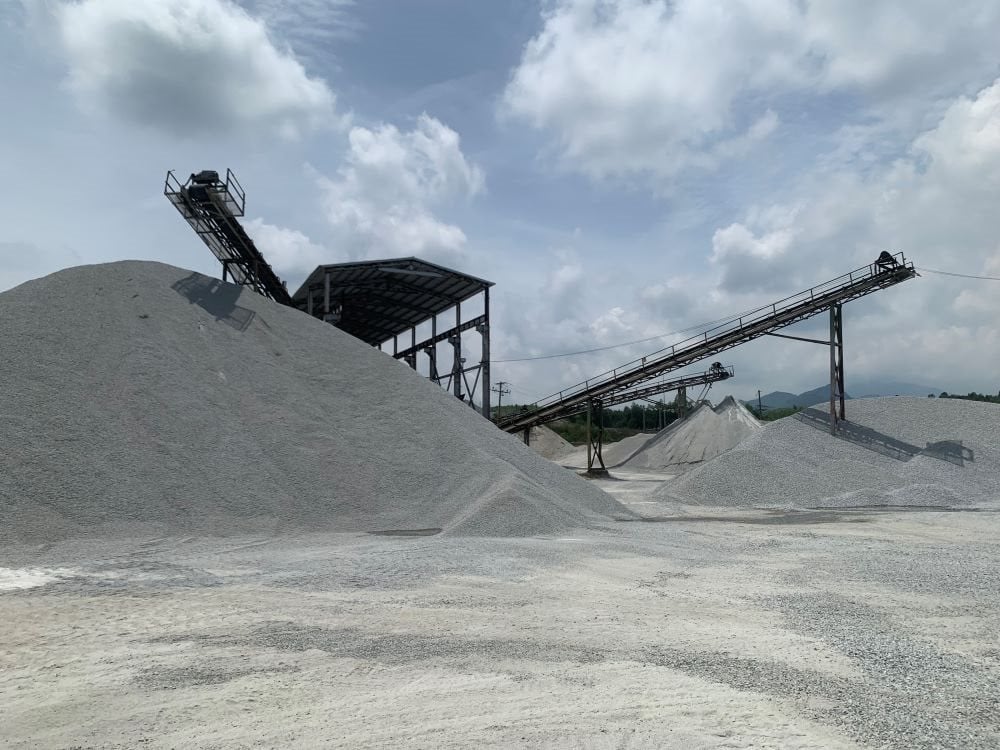
According to Mr. Tran Thanh Ha, Director of the Department of Natural Resources and Environment of Quang Nam province, before the 2010 Mineral Law came into effect, mineral exploitation activities in the locality did not require exploration and assessment of mineral reserves before applying for a mining license. Therefore, the application process was relatively simple, and the processing time was relatively short, resulting in a relatively large number of mining licenses issued in the locality.
Meanwhile, the local characteristics include the widespread distribution of mineral resources, mainly in the midland and mountainous areas with rugged terrain, making it difficult for all levels and sectors to manage and protect these resources. In addition, some businesses exploit loopholes in law enforcement to profit illegally.
Since the 2010 Mineral Law came into effect, it has created a legal framework to improve the efficiency and effectiveness of mineral resource management in the province. Most notably, it has enhanced legal understanding, creating fundamental changes in the awareness and actions of Party members, civil servants, citizens, and businesses regarding the management and protection of mineral resources and the fulfillment of obligations and responsibilities in mineral exploitation activities. The people have also participated in protecting unexploited mineral resources and monitoring the implementation of mineral laws in the area.
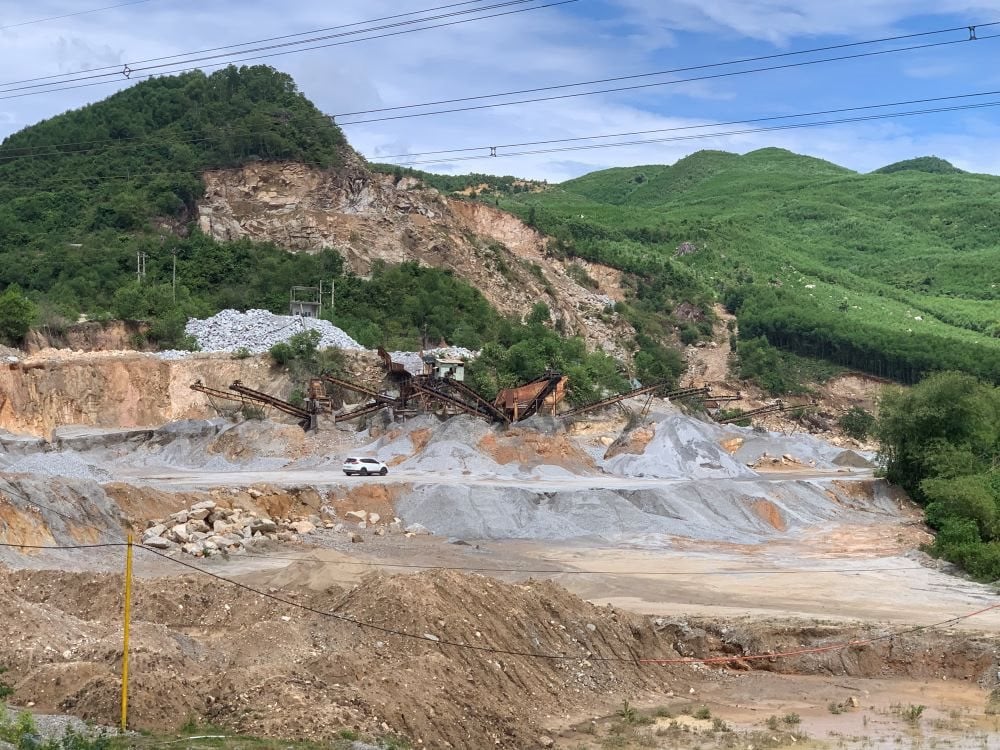
Furthermore, the 2010 Mineral Resources Law clearly defined the functions and responsibilities of various sectors and levels in the management and protection of mineral resources. Over the past period, functional forces have detected, prevented, and handled numerous violations in mineral exploitation (both illegal and licensed), initiating legal proceedings in 10 cases involving 23 defendants. This has contributed to raising awareness, deterring, and educating the public about preventative measures. As a result, the number of violations by licensed enterprises and illegal mineral exploitation has significantly decreased, eliminating hotspots of illegal activity.
In particular, licensed mining activities have utilized and exploited the local mineral potential, contributing to meeting the demand for raw materials for socio-economic development, increasing budget revenue, creating jobs for workers, and minimizing illegal mining, etc.
Add local management tools.
Phuoc Son mountainous district possesses abundant mineral resources, especially gold, which is distributed in small, scattered areas across 8 planned mining zones in 6 communes, covering a total area of 150 hectares. According to Mr. Vo Van Hieu, Deputy Head of the Department of Natural Resources and Environment of Phuoc Son district, since the Mineral Law came into effect and in accordance with documents from the Provincial Party Committee, the Provincial People's Council and People's Committee, and the Provincial Department of Natural Resources and Environment, the locality has intensified activities to disseminate legal documents on minerals and environmental protection. Simultaneously, the People's Council has issued numerous inspection and supervision documents, strengthened management, coordinated checkpoints, and urged the fulfillment of obligations, all aimed at improving the efficiency and effectiveness of mineral resource management.
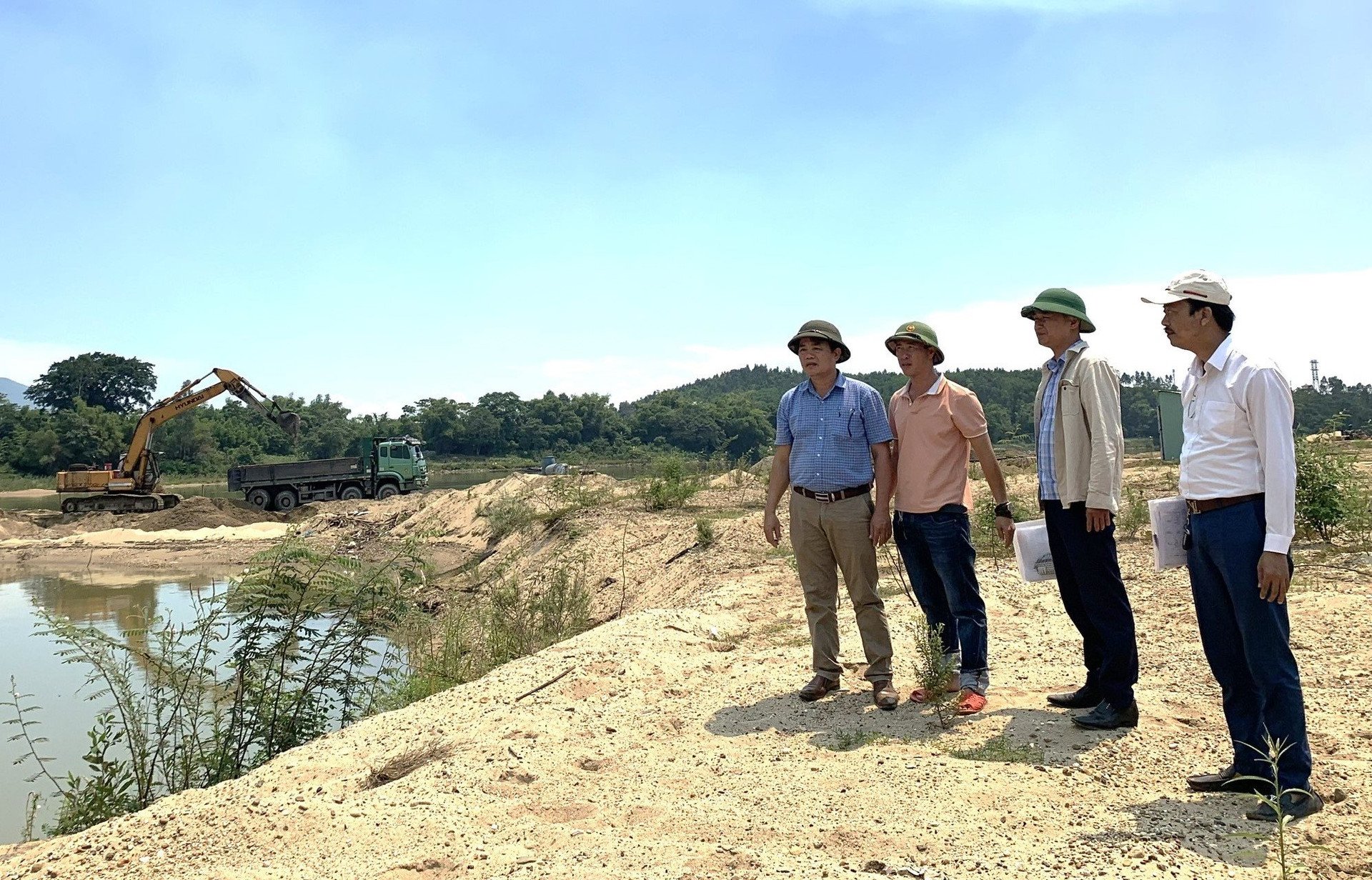
Through public awareness campaigns, organizations and individuals operating in the mineral sector have become aware of and voluntarily comply with the law. The people have also participated in protecting unexploited mineral resources and the environment. Regarding inspection and supervision, timely corrective measures have been taken to address violations, gradually bringing mineral resource management in the district in accordance with the law.
According to Mr. Vo Ngoc Tot, Head of the Department of Natural Resources and Environment of Dai Loc District, there are 13 enterprises operating mineral mining activities in the district under granted licenses. These enterprises have signed commitments to comply with legal regulations on mineral mining activities, including the installation of surveillance cameras (data from the recording device must be stored for at least 45 days from the date of inspection) and weighing stations, and to provide data transmission and information to the District People's Committee and relevant authorities in the localities where the mineral mines are located.
The protection of unexploited mineral resources and the management of minerals after licensing have always been a priority for the Da Loc District People's Committee, with regular directives. In particular, with the recent increase in sand and gravel prices due to supply shortages, the District People's Committee has directly instructed the Department of Natural Resources and Environment to coordinate with local authorities where mines are located, conduct on-site inspections, and work with businesses, requesting them to bring mines into operation to stabilize prices. This has significantly contributed to supplying sand and gravel to the market and bringing the selling price of sand and gravel at the mines of businesses to a single price as stipulated by the Provincial People's Committee.
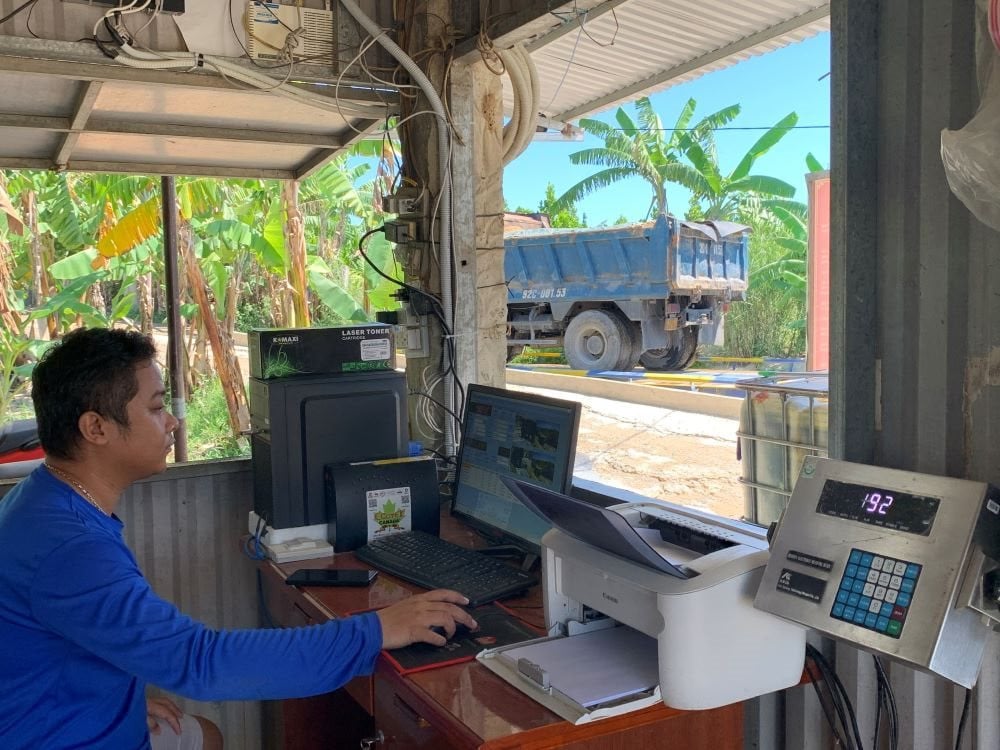
“Recently, the local authorities promptly rectified the situation and suspended the operations of a business that violated regulations in mining after receiving reports from the press. This measure aims to deter and warn businesses to strictly comply with the law,” Mr. Tot informed.
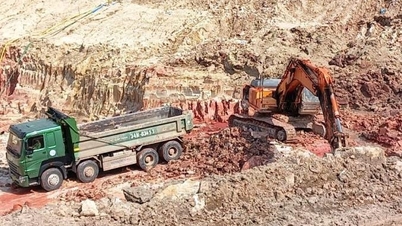
The protection and exploitation of mineral resources in the localities of Nui Thanh, Que Son, Dai Loc, Dien Ban, Nam Giang, and Phuoc Son (Quang Nam)... such as the Nui Tra, Dong Hoa Van, Chu Lai, and Hung Long quarries (Nui Thanh); Dai Hung, Nong Lam Dat Viet, Quang Cu, and An Loc Vien quarries (Dai Loc); the Khe Rom quarry of FUTSAL Football Joint Stock Company (Nam Giang); the Ho Huu, Thien An Khuong, Quang Phu, and Loc Dai reservoir (Que Son)... and most mineral mining sites in Phuoc Son district basically comply with the law, ensuring safe mineral exploitation and minimizing environmental impact. However, alongside these positive aspects, the exploitation and management of mineral resources in Quang Nam still have many limitations and obstacles that cause the loss of mineral resources and need to be addressed and resolved.
From 2016 to the present, the Department of Natural Resources and Environment of Quang Nam province has conducted inspections at 75 organizations and units engaged in mineral exploitation. Through these inspections, administrative penalties have been imposed on 60 organizations and individuals for violations of regulations in the field of natural resources and environment related to mineral exploitation, totaling over 6.5 billion VND. Simultaneously, the violating units were required to return 1.42 billion VND in illegally obtained profits from mineral exploitation; and one unit had its operations suspended for two months.
Part 2: Identifying the shortcomings
Source


























































































Comment (0)