

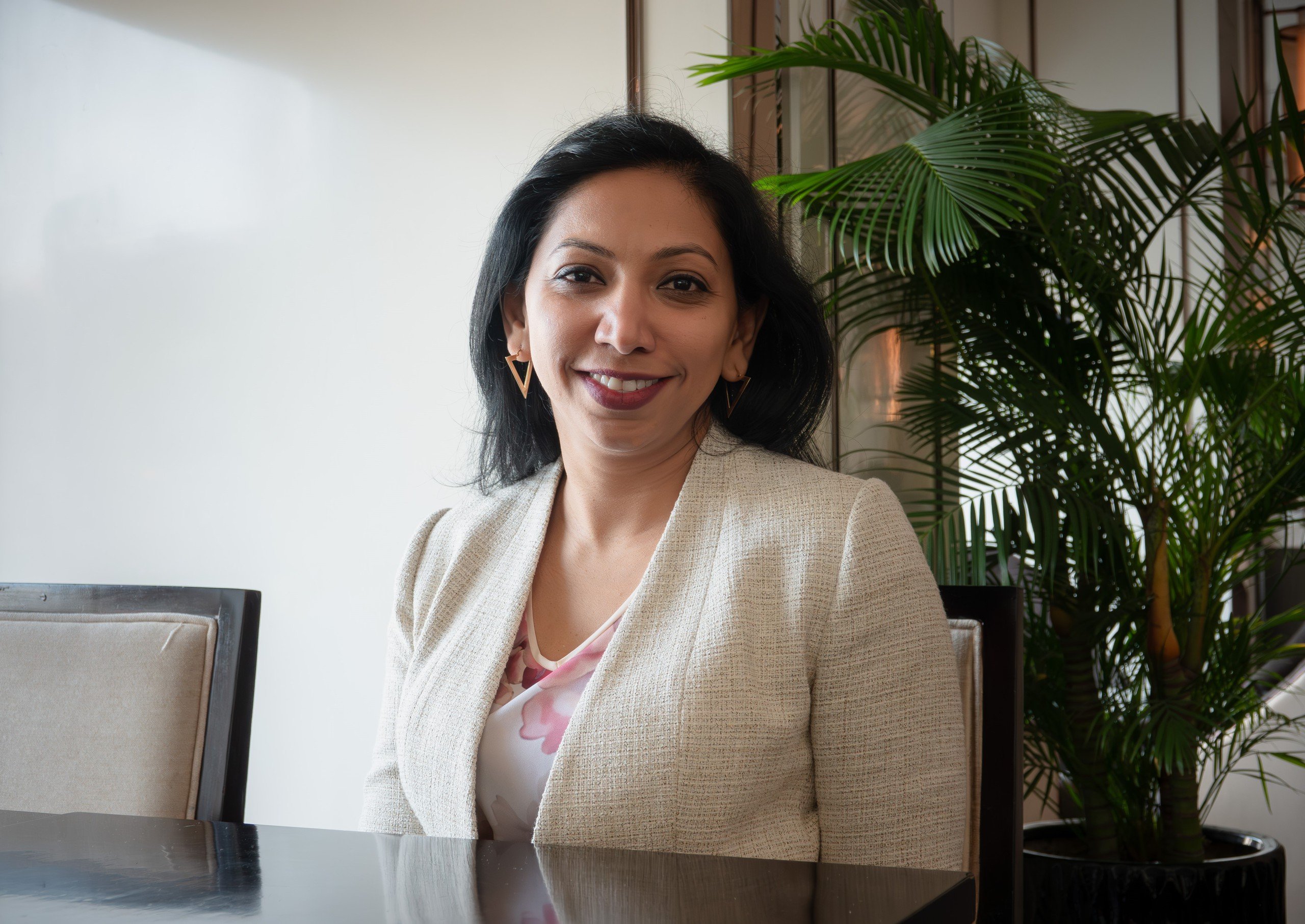
Ziena Jalil assumed leadership roles at a very young age, helping some of New Zealand's largest businesses build their reputations and revenues, advising ministers, and supporting young people in developing professional careers.
As a prominent young female leader in New Zealand, Ziena Jalil uses her extensive experience to bring fairness and opportunity to people of diverse cultural backgrounds, skills, and experience. She is a member of the Governance Advisory Board at Education New Zealand (ENZ), the Asia New Zealand Foundation, and Toka Tū Ake EQC, and also serves as the Director of Human Resources at the New Zealand Institute of Skills and Technology.
On the occasion of International Women's Day on March 8th and Prime Minister Pham Minh Chinh 's visit to New Zealand, Ms. Jalil shared with a reporter from Thanh Nien Newspaper about the importance of the gender equality movement from an educational perspective, how to train students to become global citizens, and the educational opportunities that New Zealand offers specifically for Vietnamese people.
The essential role of women in STEM fields.
PV: In recent years, gender equality has become a topic that attracts public attention not only in Vietnam but also in other countries. What are your views on this?
Countries are at different stages on their journey towards gender equality. New Zealand was the first country to grant women the right to vote, and we've had three female prime ministers . On the occasion of International Women's Day (March 8th), we also organized many activities focused on leadership and empowering women. But this isn't enough, and there are still other aspects we need to address.
When discussing gender equality, STEM (science, technology, engineering, mathematics) is a field that requires special attention. Although it forms the foundation of the present and future world, we are witnessing a higher number of men in these fields than women. In education, the number of male students studying STEM subjects also far exceeds that of female students, creating an imbalance. This leads to numerous problems.
For example, when Volvo, a car manufacturer renowned for its safety, conducted road tests, they discovered that women were more likely to suffer serious injuries than men in accidents. This stems from the fact that their engineering and design teams are predominantly male, so the test dummies and safety features in their cars are designed based on the male physique.
For example, men can easily place microphones in their clothing, such as jackets or trouser pockets, but this is impossible with women's dresses, even though these are devices we constantly use in our daily news reporting work. These examples show that there are products and services that are not truly suitable for women, especially in fields lacking female representation.
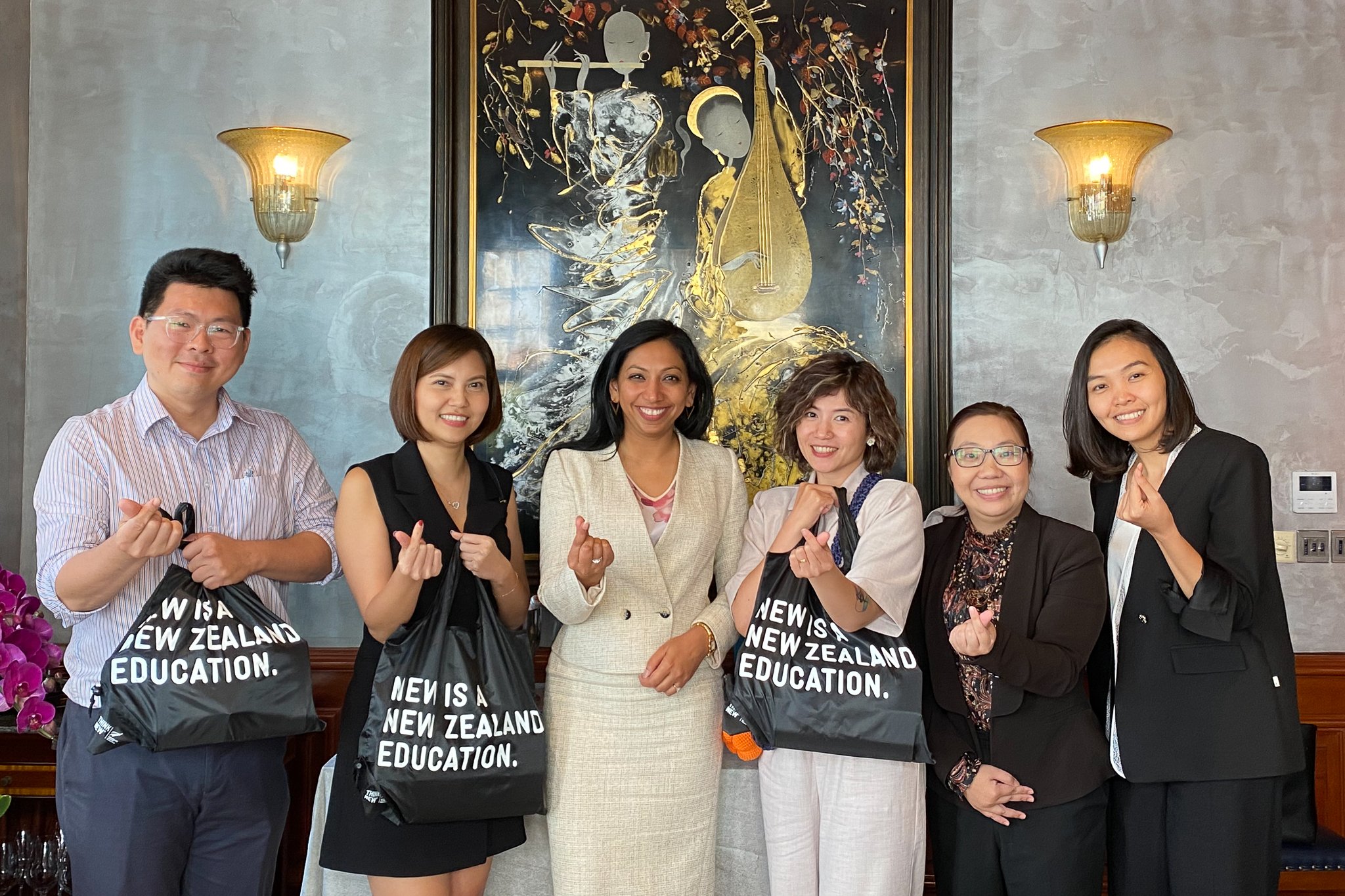
Ms. Ziena Jalil poses for a commemorative photo with former New Zealand students.
So, what needs to be done to bridge the STEM gap from an educational perspective, Madam?
What needs to be done is to create opportunities and demonstrate to girls that they can absolutely pursue long-term careers in STEM fields, through programs and scholarships specifically for women. This will address the absence of women in STEM leadership roles. STEM education should also be designed to be inclusive of both genders, not just male students.
In particular, if female students have the opportunity to choose any career path they love, not only they and their families but also our society as a whole will benefit. Because the presence of women in STEM fields will help create new services and technologies that are accessible to everyone, not just the other half of the population. This is a huge difference.
Don't wait to study abroad to become a global citizen.
Besides gender equality, global citizenship is also a concern for many schools. What advice do you have for teachers and students?
Studying abroad, whether for an extended period or just a few weeks, is undoubtedly the best way to gain global citizenship experience. But thanks to the internet and social media, today's students have the whole world at their fingertips. They can follow events or admire their idols from anywhere, and the Taylor Swift phenomenon is the clearest example of this ability to connect across borders.
Teachers also play a crucial role, and the nature of the school—whether private, international, or public—does not affect the ability to develop global citizenship. For example, when my child attended a local elementary school, the teachers organized online meetings with another class overseas. Children from different countries had the opportunity to meet, get to know each other, and eventually become pen pals.
Overall, there are many ways to build international experiences and become global citizens. This is even easier given Vietnam's central location within a dynamic economic and social region. It can be said that, from birth, children in your country are able to live in an international environment.
So, in your opinion, what are the criteria for becoming a global citizen?
First, it's important to clarify that global citizenship is a skill that requires cultivation. This skill demands that we see our identity beyond national borders, focusing on global issues such as climate change and rising sea levels, and finding solutions through collaboration with citizens from other countries.
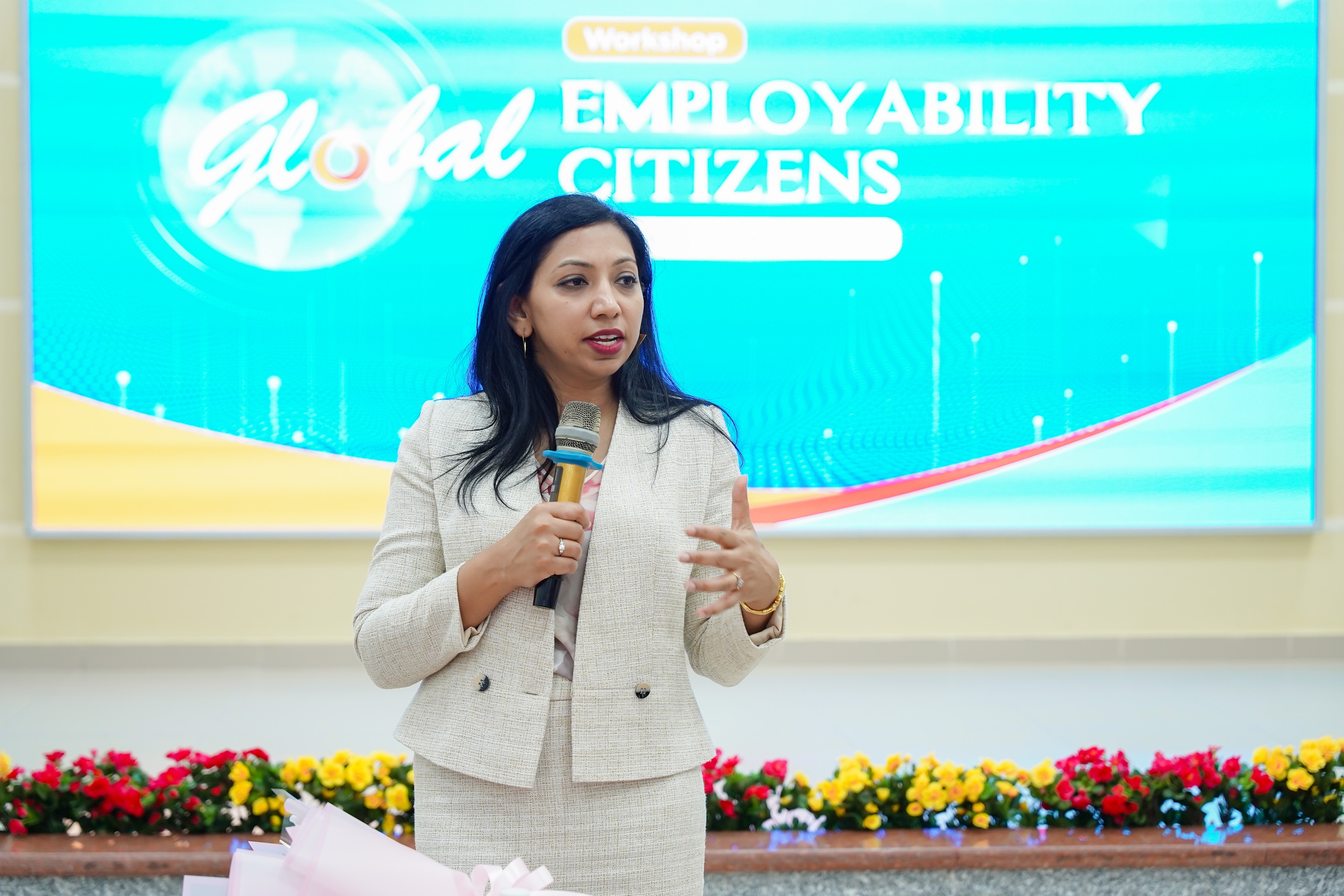
Ms. Ziena Jalil during a dialogue with Vietnamese students in early March 2024 on the topic of global citizenship.
In other words, global citizens are people who understand and respect different cultures, are able to make friends and work with anyone, and are always striving to change the world for the better. In Vietnam, this will be a particularly valuable skill because more and more multinational corporations are investing in your country, and they will need local personnel who can work alongside their staff.
Once again, I want to emphasize that studying in an international education system is perhaps one of the easiest and fastest ways to become a global citizen. However, even without the opportunity to study abroad or attend training programs at foreign educational institutions in Vietnam, you can still proactively develop this skill and equip yourself to meet the demands of future jobs.
Education is the starting point for people-to-people exchanges between New Zealand and Vietnam.
On the occasion of Prime Minister Pham Minh Chinh's official visit to New Zealand, what are your comments on the opportunities for educational cooperation between the two countries in the future?
In my opinion, education is the starting point for people-to-people exchanges between New Zealand and Vietnam, while simultaneously strengthening all other aspects of the bilateral relationship. We are actively supporting human resource training for Vietnam, and every year, New Zealand welcomes many Vietnamese to study business, food technology, hospitality, and even technology – areas where Vietnam is rapidly advancing.
In particular, the New Zealand government and our top 3% universities worldwide have scholarship programs specifically for Vietnamese students, such as the New Zealand Government Secondary School Scholarship (NZSS). Besides facilitating access to New Zealand education for Vietnamese people, we also hope that young New Zealanders will have the opportunity to learn about the culture, history, and unique qualities of the Vietnamese people.
Inspiring young female leaders
Growing up in Fiji (an island nation in Oceania), Ziena Jalil attended Natabua High School and was the school's representative. At age 16, she became a trainer in drug and substance abuse prevention, representing South Pacific youth at the United Nations forum in the Netherlands in 1999 and was the sole youth speaker at Fiji's first Youth Conference.
Ms. Jalil came to New Zealand to study and earned a Bachelor of Arts degree with distinction in Media Studies from Auckland University of Technology, followed by a Master of Arts degree with distinction in International Relations and Politics from the University of Auckland. She has also received several international awards for promoting New Zealand's trade, investment, and education in Asia, and was recognized by Campaign Asia Pacific 2020 as one of the top 40 women to watch in the Asia Pacific region.
Source link

![[Photo] Closing Ceremony of the 10th Session of the 15th National Assembly](/_next/image?url=https%3A%2F%2Fvphoto.vietnam.vn%2Fthumb%2F1200x675%2Fvietnam%2Fresource%2FIMAGE%2F2025%2F12%2F11%2F1765448959967_image-1437-jpg.webp&w=3840&q=75)




































![[OFFICIAL] MISA GROUP ANNOUNCES ITS PIONEERING BRAND POSITIONING IN BUILDING AGENTIC AI FOR BUSINESSES, HOUSEHOLDS, AND THE GOVERNMENT](https://vphoto.vietnam.vn/thumb/402x226/vietnam/resource/IMAGE/2025/12/11/1765444754256_agentic-ai_postfb-scaled.png)





































Comment (0)