

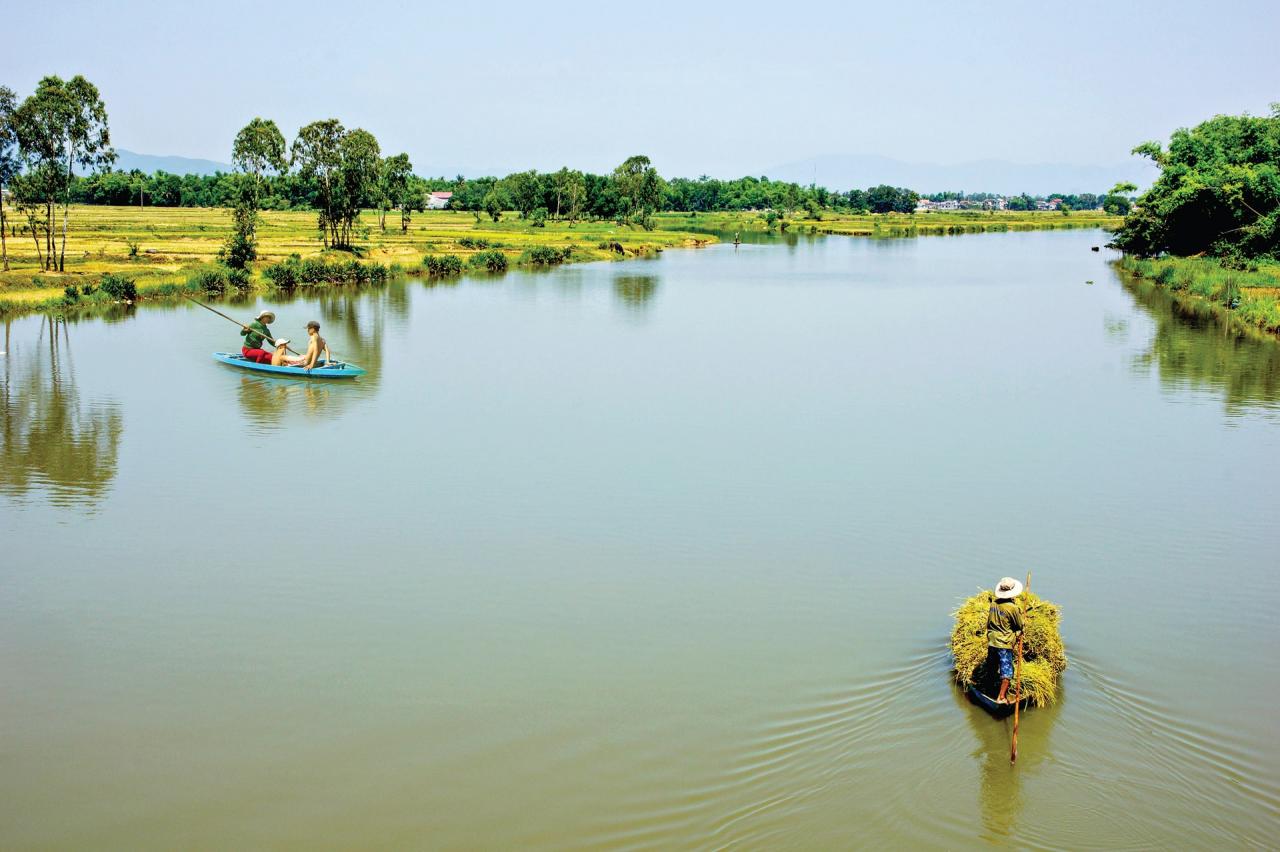
The story of the river
The river, called Nadī नदी in Sanskrit and Krauṅ /krɔ:ŋ/ in ancient Cham, bears the traces of the Champa kingdom in Quang Nam - Da Nang, a history spanning over 1,000 years, and is not just about temples and towers. It's a massive irrigation system with fields, canals, and dams built since ancient times. And the story of the river continues.
The Great River (mahānadī) is identified in three inscriptions located in the Quang Nam area: C.72 at My Son, C.105 at Hon Cut, and C.147 at Chiem Son.
During the Campapura dynasty (lasting from the 4th to 7th centuries), the C.72 inscription discovered near Temple A1 in My Son was considered by L. Finot to be the first charter of the region.
Next to it, inscription C.147 at Chiem Son indicates that to the north there is the Mahā River (mahānadī). The Campapura dynasty only mentions the name of the Great River, within the territory of My Son, which is now part of the Thu Bon River.
In later dynasties, the Indrapura dynasty, spanning from the 8th to the 10th centuries, mentioned three river systems. The boundaries of the temples are confirmed to border the Nayauna River, the Luvu River, and the Bhauk Śirā River, corresponding to the Thu Bồn and Ly Ly river systems.
Inscription C. 106 was discovered in Ban Lanh village (Dien Trung commune, Dien Ban town), about 12 miles north of inscription C.66 in Dong Duong.
Previously, the temple of Śrī Rudramaddhyeśvara was also built here by the sage Śrī Kalpa. Stretching from the Ṅauk Rayā field to the Nayauna river mouth, from the river mouth to the southern bank of the temple, there are more than 100 fields, villages, and ponds with place names in the ancient Cham language. All are governed by the irrigation system of two northern branches of the Thu Bồn River, separating from Cổ Tháp and flowing in two directions: northeast and southeast.
Based on the topography of Ban Lanh village, the Nayauna River mentioned in inscription C.106 can only be two branches of the Great River (mahānadī) flowing down in the northeast and southeast directions.
Later Indrapura Dynasty
Around this same time, King Śrī Jaya Siṅhavarmadeva built temples and divided the villages and fields in Cẩm Lệ (now Da Nang City) into a system of settlements. Evidence of this can still be found in inscriptions C.211 at Khuê Trung and C.142 at Hóa Quê. Archaeologically, the Phong Lệ ruins are also considered a religious center during this dynasty.
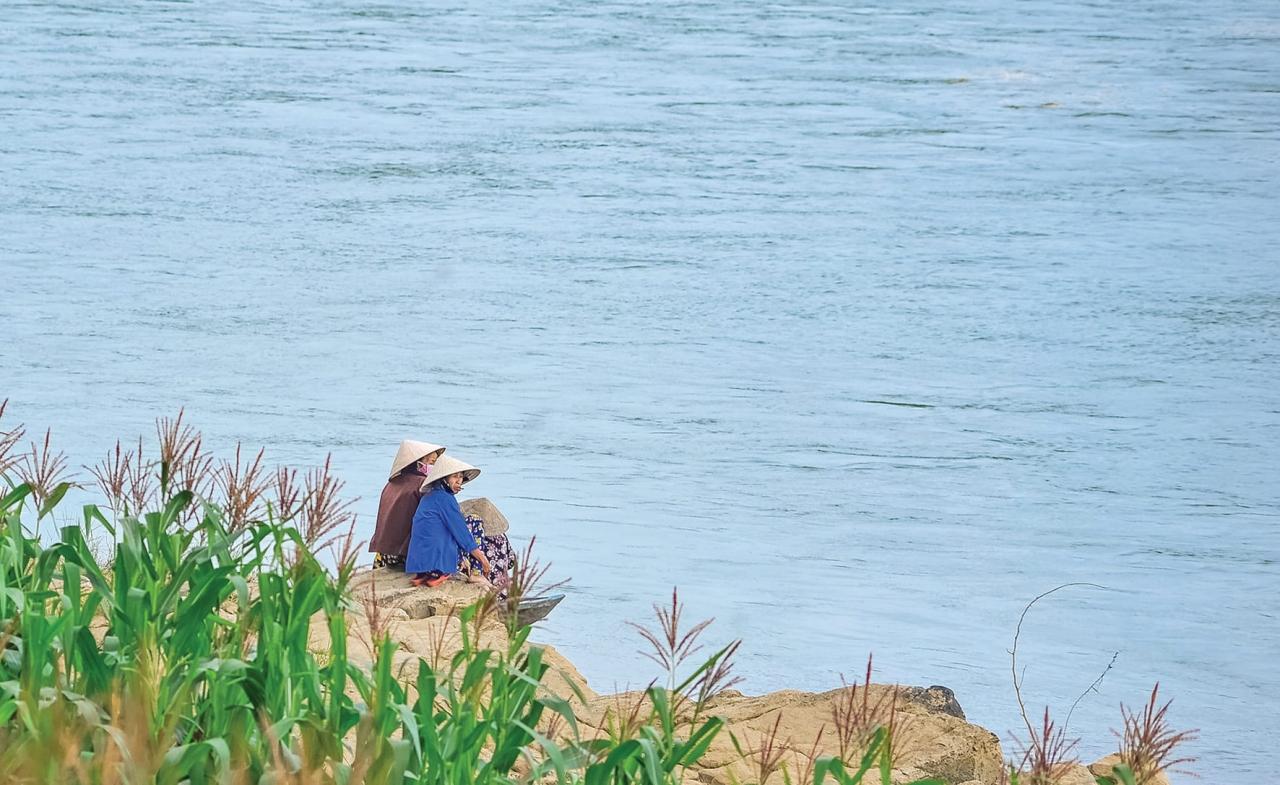
Next to it, the C.140 inscription site in Huong Que, Que Son, faces east towards the Ly Ly River - the territory of the feudal lords that could reach the Thu Bon River, the Ba Ren River, the Truong Giang River, and even the highlands.
During the reign of Yāṅ Põ Ku Śrī Jaya Harivarmadeva Ciy Śivānandana in the early 13th century, two rivers were mentioned in inscription C. 100: the river flowing through the capital city of Siṅhapura (Trà Kiệu) and the Yāṃ River - both belonging to the Thu Bồn river system (southern branch).
Inscription C. 100 was discovered at temple G5, My Son - located on the Yāṃ River east of the Guheśvara temple - a temple mentioned in inscription C.106 from the Indrapura dynasty.
Previously, in Śaka 1010 (1088), during the reign of King Śrī Jaya Indravarmmadeva Yãṅ Devatāmūrti, the inscription C. 89 discovered at temple D1, My Son also listed the fields, villages and rivers and lakes here during the reconstruction of the country after war devastation.
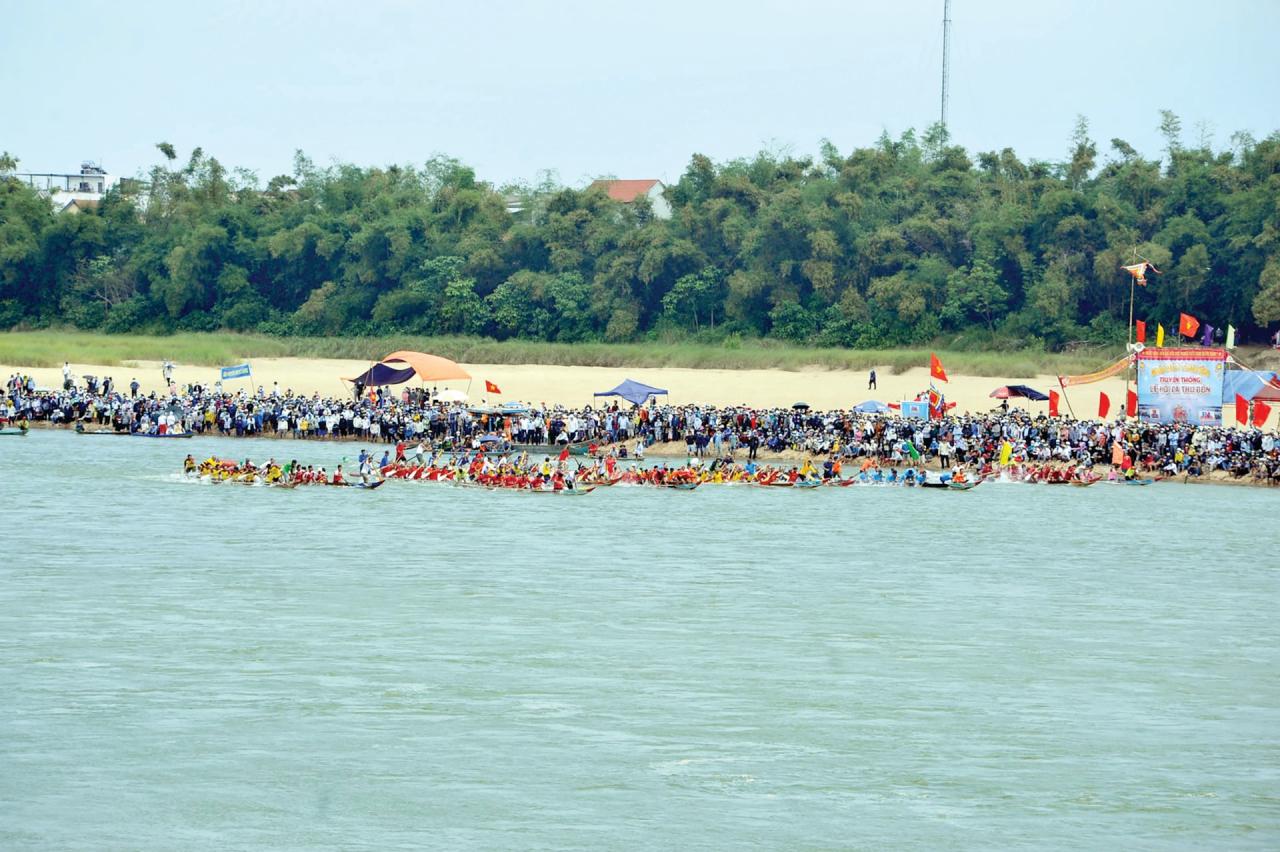
Inscription C.64 at Chien Dan indicates that, at the end of the 11th century, King Śrī Harivarmadeva conquered the entire southern region, from the Tam Ky River to the Campeśvara temple, in Tra Kieu. The lords in this area submitted and became his vassals. The fields and lakes belonging to the Tam Ky river system are also mentioned in inscriptions C.227 at An My and C.63 at Khuong My.
Quang Nam - Da Nang, where the ancient capital of Campa flourished for nearly 1,000 years. Time has faded the relics, but the names of the rivers, streams, ponds, fields, villages, and even the people remain. The physical forms may have changed, but the echoes of the dynasties still resonate, including stories of life along the river.
Source: https://baoquangnam.vn/nhung-dong-song-trong-bia-ky-cham-3148245.html














![[Photo] General Secretary To Lam visits the exhibition space showcasing books, photo exhibitions, and achievements of digital transformation in journalism.](/_next/image?url=https%3A%2F%2Fvphoto.vietnam.vn%2Fthumb%2F1200x675%2Fvietnam%2Fresource%2FIMAGE%2F2025%2F12%2F19%2F1766110879215_1766110240024-jpg.webp&w=3840&q=75)











































Comment (0)