

(To Quoc) - On the morning of November 9th, within the framework of the 7th Hanoi International Film Festival (HANIFF VII), a workshop on developing film production exploring historical themes and adaptations from literary works was held. Deputy Minister of Culture, Sports and Tourism Ta Quang Dong, Head of the HANIFF VII Steering Committee, attended the workshop.
Filmmakers are fearful and holding themselves back.
According to writer Nguyen Quang Thieu, two film industries have been extremely successful in adapting literature into films: China and the United States. Furthermore, China is also the film industry with the most successful historical films in the world .
Mr. Nguyen Quang Thieu pointed out that the challenges in making historical films and adapting literary works into films come from many sides, including the literary works themselves, the viewers, the filmmakers, and the authorities. "Sometimes filmmakers respect the literary work too much (for film adaptations) or are too vague about historical figures, thus stifling creativity. We must have the right to create a creative space for the characters or historical periods. In Vietnam, there are many talented filmmakers who produce excellent films, but historical themes are limited. We lack creativity or dare not judge history. We are limited in art and thinking. We are afraid and holding ourselves back," Mr. Nguyen Quang Thieu commented.

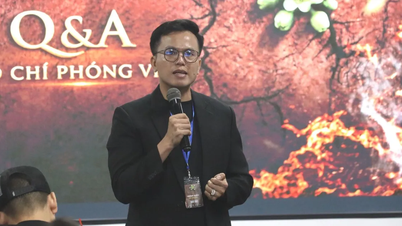
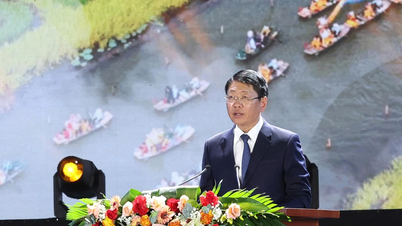
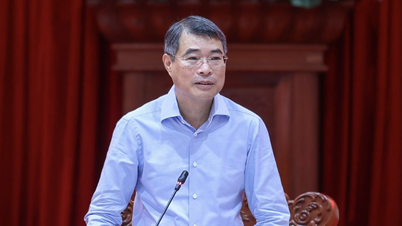
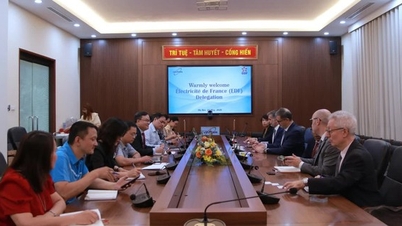
Conference scene
Mr. Nguyen Quang Thieu cited the example of why China made Guan Yu known to the whole world, but Vietnamese people did not know and love Quang Trung. He said: "Because we did not dare to be creative, we did not dare to build an image of King Quang Trung, a talented king of the great man of his time."
Sharing the same viewpoint, director Charlie Nguyen added that he himself was apprehensive and confused when encountering this topic, even though many people embraced the idea of a highly appealing historical film project. Many people approach historical films as documentaries, which would restrict filmmakers' freedom of movement.
"Viewing a historical film as a work of art, not history itself, is essential for understanding cinematic works about history. The journey of making a historical film must transform historical figures into beings with emotions, inner lives, and spiritual lives. If we demand that a film be as accurate as history, then there will only be history, not cinema," director Charlie Nguyen stated.
Besides the creative challenges, making historical films also requires a huge amount of funding for sets and costumes. Many filmmakers jokingly say that before making a film, they still have a place to live, but after making the film, they "lose their home".
Producer Trinh Hoan shared that, when making historical films, many filmmakers have numerous scripts about history, especially the Nguyen dynasty, but the high investment costs make it difficult to attract funding.
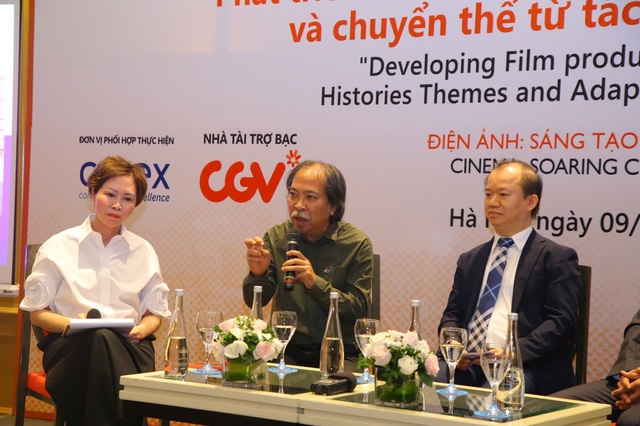
Writer Nguyen Quang Thieu shared his thoughts at the seminar.
Producer Trinh Hoan also pointed out the second difficulty in making historical films, besides capital, which is public interest. How to attract the public while still ensuring historical accuracy and creativity. "While modern films require less investment and are easy to recoup, historical films are difficult to make, hard to attract audiences, and require a lot of investment with little chance of recouping the costs. This makes it difficult for us to convince investors."
Without encouragement and support from the State, it is difficult for filmmakers to invest in historical subjects. "We need many things, from locations, studios, costumes, props... Each dynasty has its own characteristics, and there must be research and consistency for each dynasty. If the State encourages and invests in a warehouse to store costumes and props from the same dynasty and historical period to serve film crews, it will stimulate creativity," said producer Trinh Hoan.
According to producer Trinh Hoan, the recent draft amendment to the VAT Law proposes increasing the VAT rate on film and sports products from 5% to 10%, which he finds unreasonable. "Making a film takes at least a year from investment to recouping the investment. If an investor puts in 20 billion VND and the tax increases it to 21 billion VND, they will stop immediately and not invest anymore. We propose that the National Assembly review the draft VAT Law; otherwise, it will be difficult for the film industry, especially for historical films and high-risk films. If lawmakers want the film industry, especially historical and cultural products, to develop, they must reconsider increasing the VAT rate," producer Trinh Hoan suggested.
Support from policies and regulatory agencies is needed.
According to Chinese producer and director Qian Zhongyuan, executive producer of As One Production, one of the advantages of Chinese cinema is its adaptation of literary works and historical films, with many famous film and television adaptations such as Water Margin and Journey to the West.
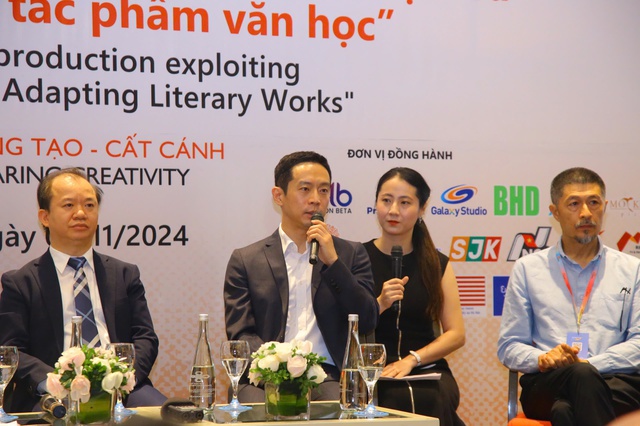
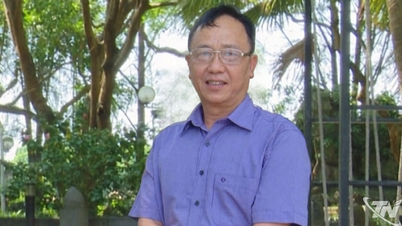
Mr. Tien Trong Vien shared this at the seminar.
According to Qian Zhongyuan, Chinese audiences love historical films, but because they are so knowledgeable about history, making historical films is a major challenge, requiring filmmakers to be creative in order to attract viewers to the theaters.
Mr. Qian Zhongyuan shared his experience in making historical films in China: "During the filmmaking process and in selecting works, there must be a specific procedure. For example, 'Chang'an 30,000 Li' has a theme about the poet Li Bai, so we had to do a lot of research to create a complete work. The positive wave is that young people have returned to learning about and reading Tang Dynasty poetry after watching the film. Last year, we also had the film 'Fengshen'. These two films were successful because, based on literary foundations, the team had the creativity and adaptability to bring the works closer to the public."
Mr. Qian Zhongyuan also stated that the Chinese government and its agencies and ministries have very good support policies for filmmakers of historical films.
"When we make films based on historical themes and literary adaptations, we receive a lot of support from various agencies, ministries, and the government. Historical experts assist us, analyzing even the smallest historical details. Secondly, we receive financial support from the government and local authorities. The cities where we film are all enthusiastically supportive. From scriptwriting and planning to site surveys, we receive financial support. Most importantly, the filming process in the local areas is enthusiastically supported. Last year, when we filmed 'Decoding' in Zhejiang, we received enthusiastic support from the local authorities to complete the film. We believe that when filming in scenic spots with high tourist traffic or national conservation areas, we wouldn't be able to complete the scenes without the help of the local government," said Mr. Qian Zhongyuan.

Director Charlie Nguyen shared this at the workshop.
Explaining why filmmaking receives such support, Mr. Qian Zhongyuan said that filming historical scenes promotes tourism development in the locality, so the Chinese government and local authorities strongly support films shot in these areas. There are many support policies and guidelines for local authorities to follow, and these guidelines are publicly available on local websites.
Associate Professor Bui Hoai Son, Standing Member of the National Assembly's Committee on Culture and Education, stated: "Historical films should be an important genre for the country. We always want to have films for Vietnamese people, by Vietnamese people. These films should convey cultural, historical, and political messages. There are many reasons hindering the development of Vietnamese historical films. Respecting history is a moral responsibility for everyone, especially artists. We have many policies to encourage this genre," Associate Professor Bui Hoai Son said.
According to Mr. Bui Hoai Son, the State, through the Ministry of Culture, Sports and Tourism, has a policy to create favorable conditions for historical films by commissioning projects and organizing creative workshops to produce high-quality works.
Source: https://toquoc.vn/nhung-thach-thuc-khi-lam-phim-lich-su-20241109174217051.htm
















































































Comment (0)