

Many studies have shown that when women are empowered to participate in cultural, economic , tourism or production activities, they not only improve their family income but also contribute to building a civilized, progressive and culturally rich community. Therefore, ensuring gender equality in cultural and livelihood development is a strategic task, closely linked to the current poverty reduction.
Gender equality – the foundation of sustainable development
In many disadvantaged areas, women play an important role in family and community life, but they still face many barriers such as limited access to education , little voice in the family, limited access to vocational training courses, lack of capital for production development, traditional concepts affecting the role of women, dual pressure: taking care of children - farming - housework....

Many sustainable poverty reduction programs have identified gender equality as a key element.
These barriers make it difficult for women to become the subject of economic development, and accordingly, it is very difficult for families to escape poverty.
To address the problem, many sustainable poverty reduction programs have identified gender equality as a key factor, in which promoting women's participation in cultural, sports and production activities is considered a direct solution to help improve the quality of life.
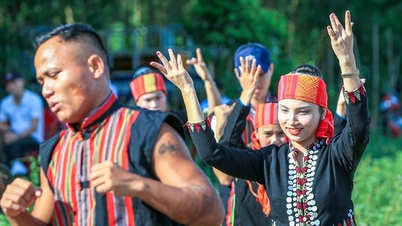
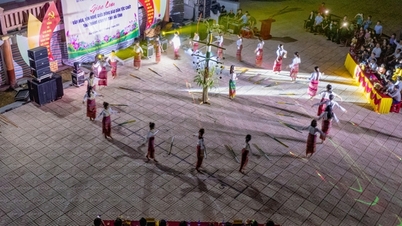
In the process of building a healthy cultural environment, women are the most active participants. They contribute to important tasks such as organizing festivals, preserving traditional crafts, teaching languages, customs, and rituals, building cultural families, participating in team and club activities, eliminating bad customs, and practicing new lifestyles...
This widespread participation helps women affirm their role in the community. Many women become prestigious people, women's group leaders, community leaders, actively contributing to the movement to build grassroots culture.
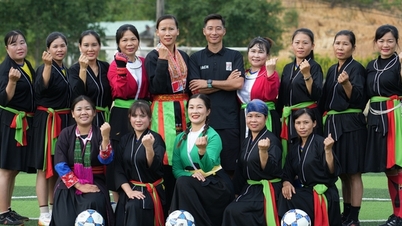
Cultural and sports institutions, cultural houses, women's clubs, community living spaces, etc. have also become places for women to share experiences, learn new skills, and disseminate legal knowledge.
In many ethnic communities, long-standing customs have reduced women’s roles or imposed heavy traditional obligations. Customs such as early marriage, incestuous marriage, prolonged weddings, expensive sacrifices, and gender discrimination in daily life still exist in some places.
Thanks to cultural and social communication programs, many bad customs have been gradually eliminated. This not only creates a civilized family environment but also opens the way for economic development for women. When they no longer have to perform costly rituals or follow old concepts, women have time to learn a trade, participate in production or provide tourism services.
The role of digital transformation in promoting gender equality
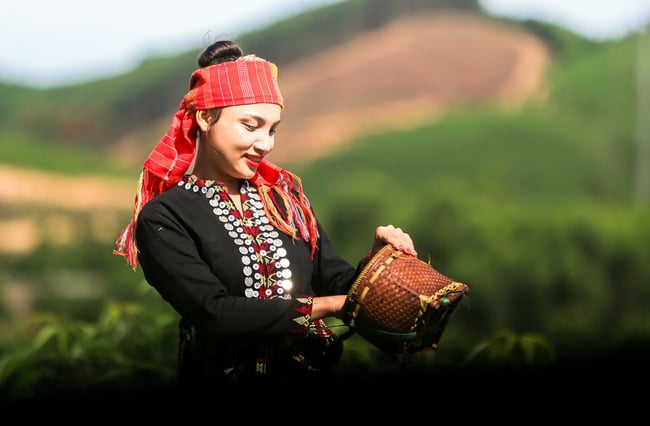
Many women-led cooperatives are now supplying products to tourism.
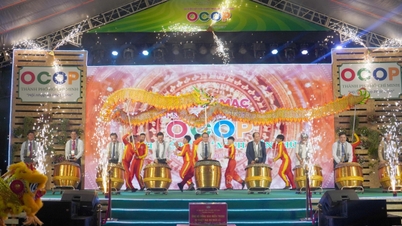
In fact, many economic models based on culture and tourism are being led by women. This can be seen in the brocade and traditional handicraft model. In this model, women are the main craftsmen, from weaving, embroidery to jewelry making, knitting. Many cooperatives led by women are currently providing products for tourism, gift shops and OCOP programs.
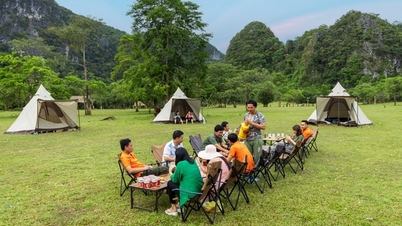
Or in tourist villages, women are the ones who directly cook, receive guests, arrange accommodations, organize cultural experiences, etc. Many ethnic minority women have learned basic English communication to welcome international tourists.
Many female artisans have become community instructors, teaching weaving, embroidery, and traditional food preparation – both preserving culture and generating additional income. These models not only help women increase their income but also enhance their status in the family and society.
A new point in the current period is that women in disadvantaged areas have begun to access digital platforms to promote their products. Thanks to smartphones and digital skills training courses, many women know how to take product photos, livestream to sell products, post on social networks, receive online orders... Some women's groups in the Northwest have built a common fanpage to introduce brocade; women in the Central region have created a Zalo group to sell dried seafood; women in the Central Highlands sell bamboo products on local e-commerce platforms. Digital transformation helps women access larger markets and reduce dependence on traders.
When women are fully empowered, they not only contribute to reducing poverty in their families but also become an important driving force for development in disadvantaged communities.
Source: https://bvhttdl.gov.vn/thuc-hien-binh-dang-gioi-trong-phat-trien-van-hoa-va-sinh-ke-giai-phap-nang-cao-chat-luong-cuoc-song-20251201111217175.htm

![[Photo] Prime Minister Pham Minh Chinh receives President of Cuba's Latin American News Agency](/_next/image?url=https%3A%2F%2Fvphoto.vietnam.vn%2Fthumb%2F1200x675%2Fvietnam%2Fresource%2FIMAGE%2F2025%2F12%2F01%2F1764569497815_dsc-2890-jpg.webp&w=3840&q=75)
![[Photo] President Luong Cuong holds talks with Sultan of Brunei Darussalam Haji Hassanal Bolkiah](/_next/image?url=https%3A%2F%2Fvphoto.vietnam.vn%2Fthumb%2F1200x675%2Fvietnam%2Fresource%2FIMAGE%2F2025%2F12%2F01%2F1764567099556_ndo_br_1-jpg.webp&w=3840&q=75)
























































Comment (0)