

Following the implementation of the two-tiered local government model, Lao Cai province has experienced significant changes in the organization and operation of its administrative apparatus. Most notably, there has been a noticeable shift in mindset, attitude, and methods of serving the people.
The two-tiered government model has facilitated a more streamlined, effective, and efficient administrative apparatus. However, the challenge lies in how to streamline the system while still ensuring quality service, especially at the grassroots level – where people directly interact with the public on a daily basis.
To solve this problem, Lao Cai province identified public service culture as the "key" to creating sustainable change in administrative activities. From guiding principles to concrete actions, Lao Cai quickly issued guiding documents on implementing public service culture, using ethical standards and communication skills as the foundation for evaluating officials and civil servants.
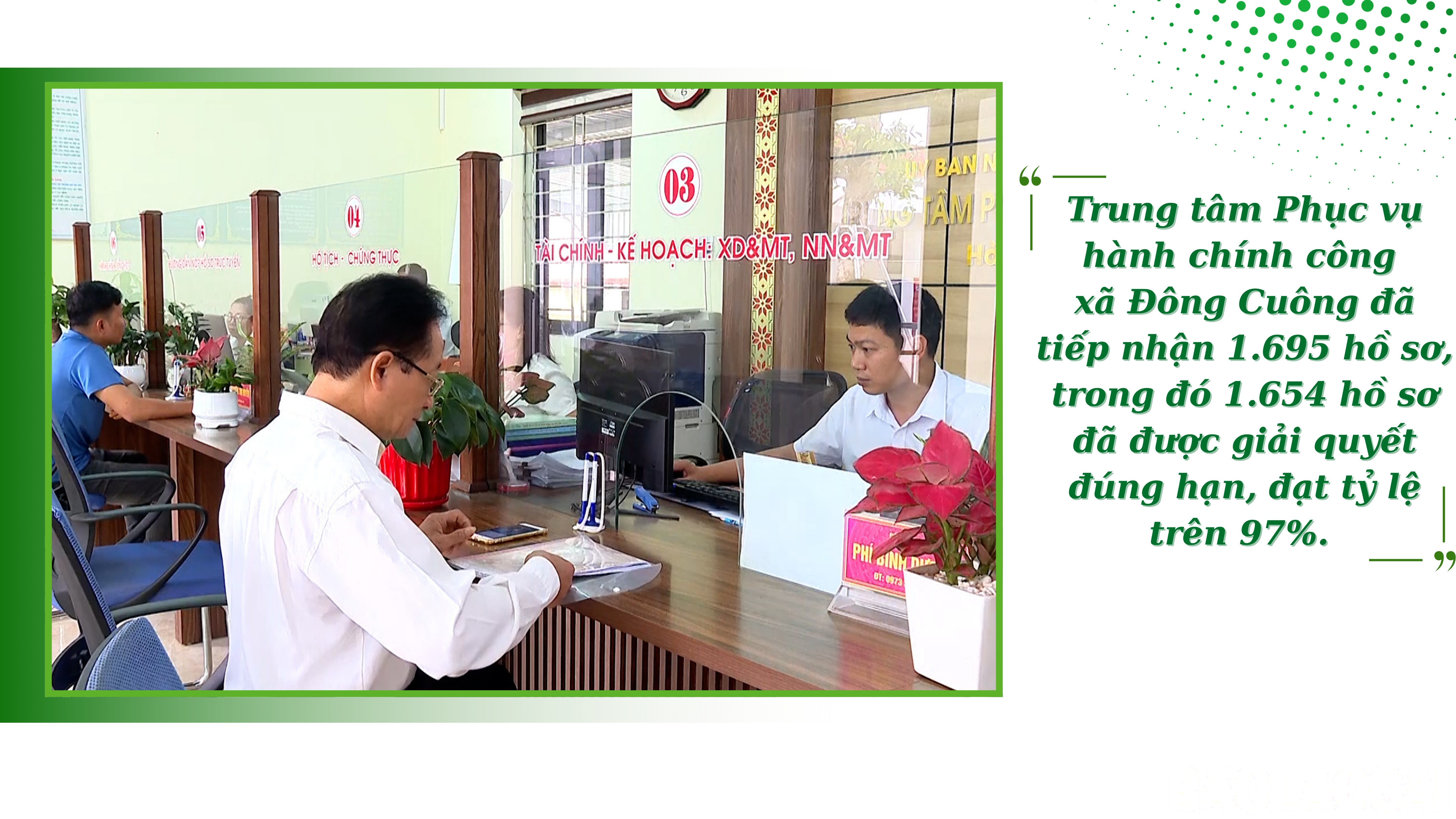
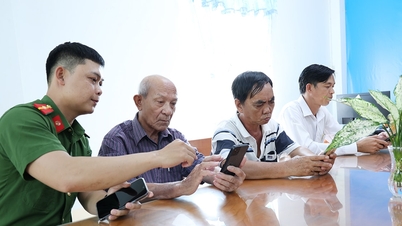
In Dong Cuong commune, the newly operational commune-level Public Administrative Service Center has become a shining example of administrative reform. Thanks to the application of information technology and digital transformation, administrative procedures are resolved quickly and transparently. More importantly, the service attitude of officials and civil servants here has clearly improved.
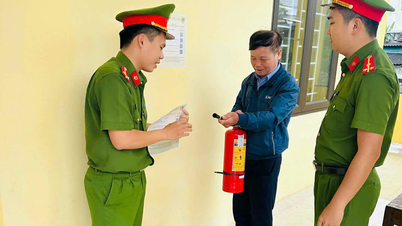
From providing detailed step-by-step guidance to citizens to implementing the "four requests" principle (hello, thank you, apology, permission) and the "four always" principle (always smiling, always gentle, always listening, always helping) – all aim to create a friendly and people-oriented administrative system. Mr. Luong Van Tam, residing in Quyet Thang village, Mau A commune, received enthusiastic support from the staff at the Dong Cuong Commune Public Administrative Service Center when he came to complete land-related administrative procedures.
Mr. Luong Van Tam shared: “This was my first time coming to complete the procedures, and the staff were very dedicated and guided me step-by-step. The friendly attitude and polite communication of the staff made me feel very comfortable, and I no longer felt apprehensive like before.”
To date, the Dong Cuong Commune Public Administrative Service Center has received 1,695 applications, of which 1,654 have been processed on time, achieving a rate of over 97%. The level of satisfaction among the people is increasing, although there were some initial limitations in infrastructure, which were quickly overcome.
Ms. Ha Thi Huong Mai, Vice Chairman of the People's Committee of Dong Cuong commune, emphasized: "We have identified building a team of officials who are both professionally competent and ethically exemplary as a key factor in improving the quality of service. Public service culture is not a formality, but a core content for forming a friendly and people-oriented government."
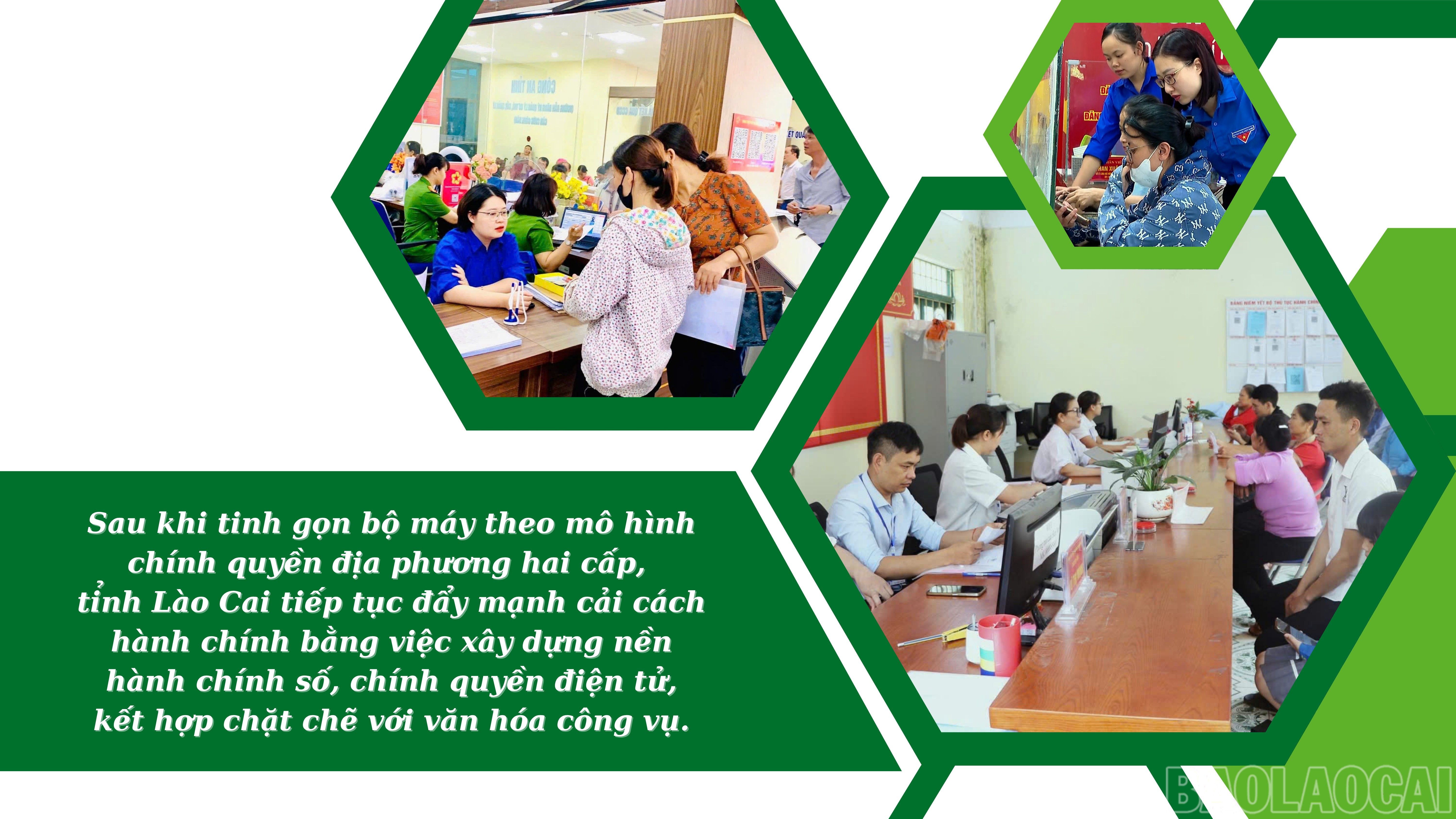
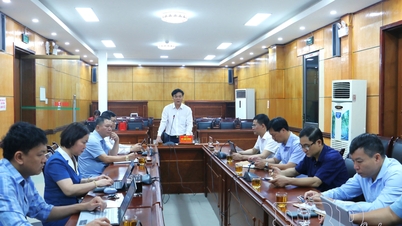
Not only in Dong Cuong, but over the past period, the building of public service culture has been implemented comprehensively, decisively, and in depth throughout Lao Cai province. The Provincial People's Committee has requested state administrative agencies to include the criteria of public service culture in the content of annual emulation and evaluation. Officials and civil servants must constantly cultivate civilized and professional conduct and behavior, while upholding a high sense of responsibility and dedication to serving the people.
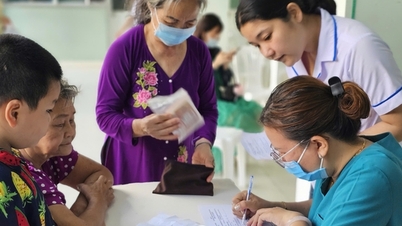
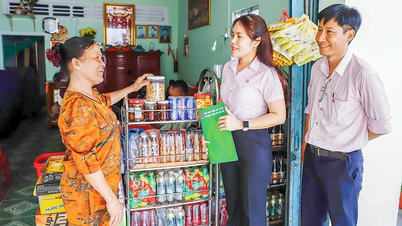
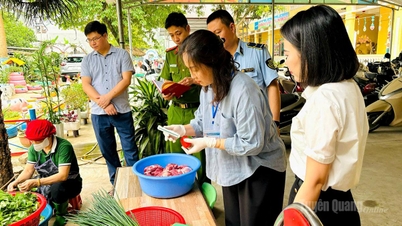
In Yen Bai ward, to improve the efficiency of serving citizens in resolving administrative procedures, the ward has implemented many practical support models, most notably the model of guiding citizens and businesses in using public services. The ward has established a direct support team and an online support team via social media, proactively creating specific instructional videos to help people easily follow along.
In particular, the principle of "each officer in charge of one group" is applied, making support more attentive, timely, and effective. Any citizen encountering difficulties in submitting documents receives prompt assistance, preventing backlogs or prolonged waiting times. Simultaneously, a mobile public service model is implemented in residential areas, allowing people to access public services right where they live, especially the elderly, vulnerable, or those living far from urban centers.
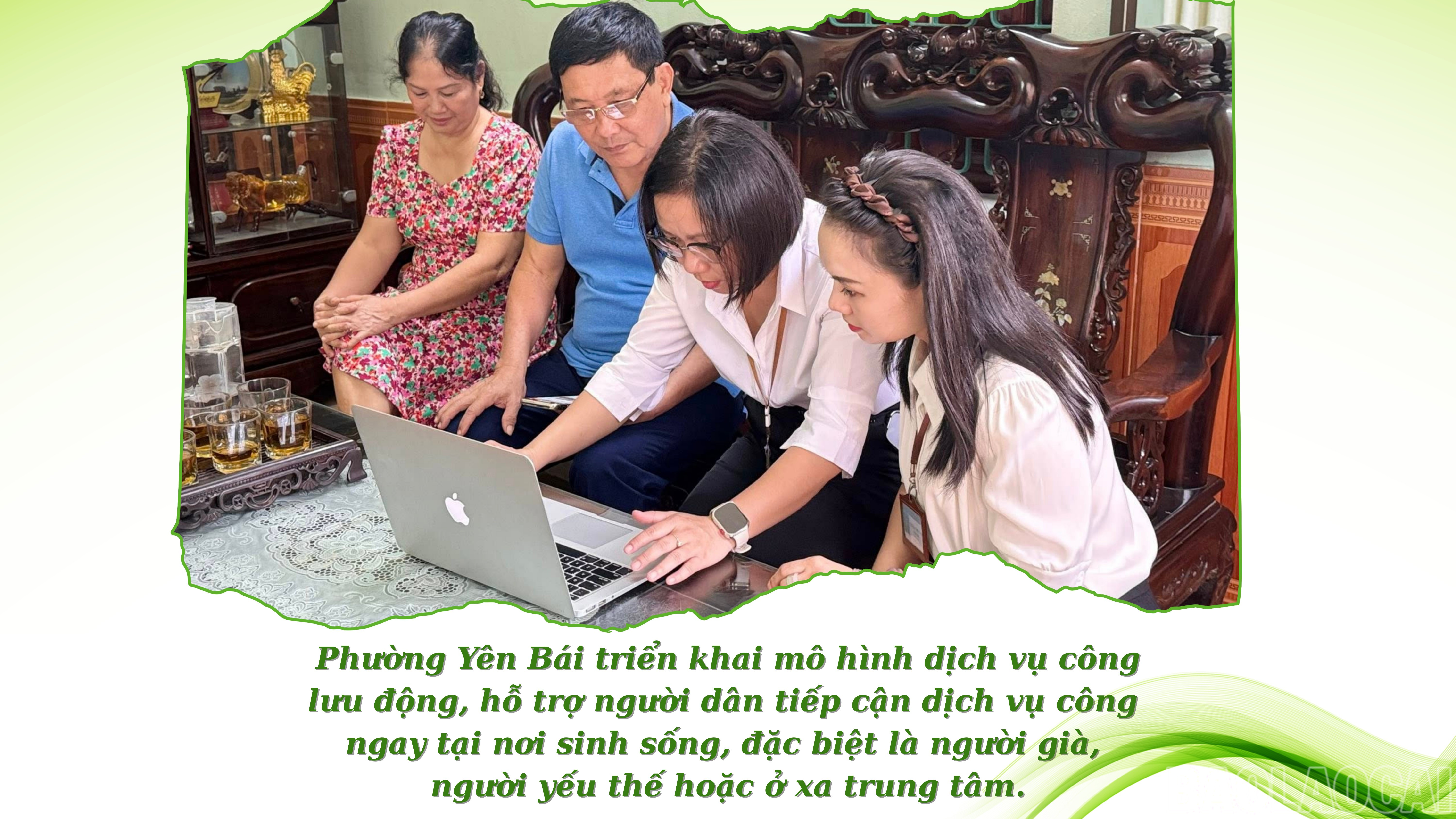
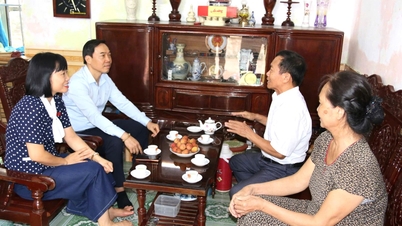
Ms. Vuong Thuy Chi, a Culture and Social Affairs official in Yen Bai ward, said: “We clearly understand that the people are the center of our service. Therefore, support needs to be specific, easy to understand, and easy to implement. When implementing the model, we not only help people perform the task once, but also guide them so they can do it themselves in subsequent times. As a result, people gradually become familiar with online public services, reducing the time and effort spent traveling.”
After streamlining its administrative apparatus according to a two-tiered local government model, Lao Cai province continues to promote administrative reform by building a digital administration and e-government, closely integrated with a public service culture. Operating public administrative service centers from the provincial to the commune level is considered a strategic step to bring the government closer to the people.
Despite facing some initial difficulties such as a shortage of equipment and technological infrastructure, with a spirit of innovation, Lao Cai quickly overcame these challenges and invested comprehensively in document management software and an electronic one-stop service system, making it more convenient for people to search for and submit documents. Notably, Lao Cai currently ranks 8th out of 34 provinces and cities in terms of the quality of service provided to citizens and businesses in administrative procedure reform. This is clear evidence of the transformation efforts from within – not only improving technology and processes, but also changing the people within the public service system.
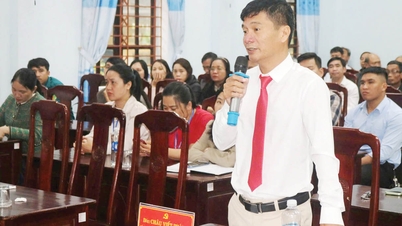
"We recognize that, for administrative reform to be effective, the human factor needs to be prioritized. A modern administration will truly be effective when civil servants maintain a dedicated, friendly, and open attitude in serving the people. Therefore, building and maintaining a public service culture becomes a crucial foundation, permeating all activities of the agency."
With strong determination and a systematic approach, along with the concerted efforts and close coordination from the provincial level to the grassroots, Lao Cai is gradually building an image of a friendly and honest government. The province is continuing to review and refine regulations related to the evaluation of civil servants, closely linking them to criteria of public service ethics and conduct, thereby creating motivation for each official to "self-reflect and self-correct," aiming towards the image of an official who is "close to the people, respects the people, and serves the people."
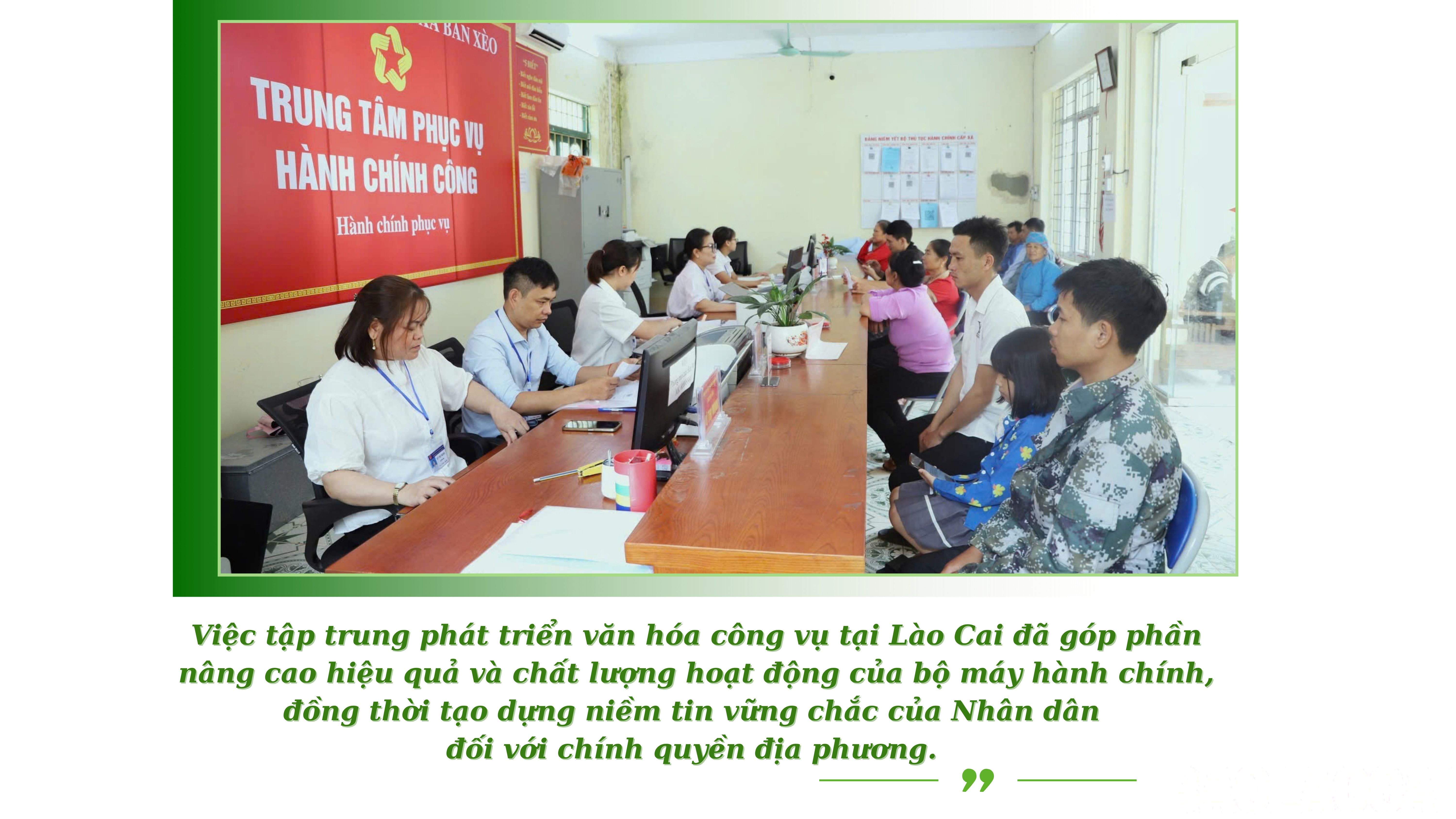
Focusing on developing a public service culture in Lao Cai has contributed to improving the efficiency and quality of the administrative apparatus, while building strong public trust in the local government. This has gradually led to the development of a professional, transparent, and service-oriented administration, aiming for modernization and better meeting the expectations and practical needs of the people.
Source: https://baolaocai.vn/van-hoa-cong-vu-thuoc-do-niem-tin-cua-nhan-dan-post885089.html
![[Image] National Assembly discusses the implementation of the socio-economic development plan.](https://vphoto.vietnam.vn/thumb/1200x675/vietnam/resource/IMAGE/2026/04/20/1776696707422_ndo_br_img-20260420-185419-jpg.webp)




![[Photo] General Secretary and President To Lam meets with National Assembly delegates from ethnic minorities.](https://vphoto.vietnam.vn/thumb/1200x675/vietnam/resource/IMAGE/2026/04/20/1776696701056_a1-bnd-8331-3342-jpg.webp)















































































Comment (0)