

 |
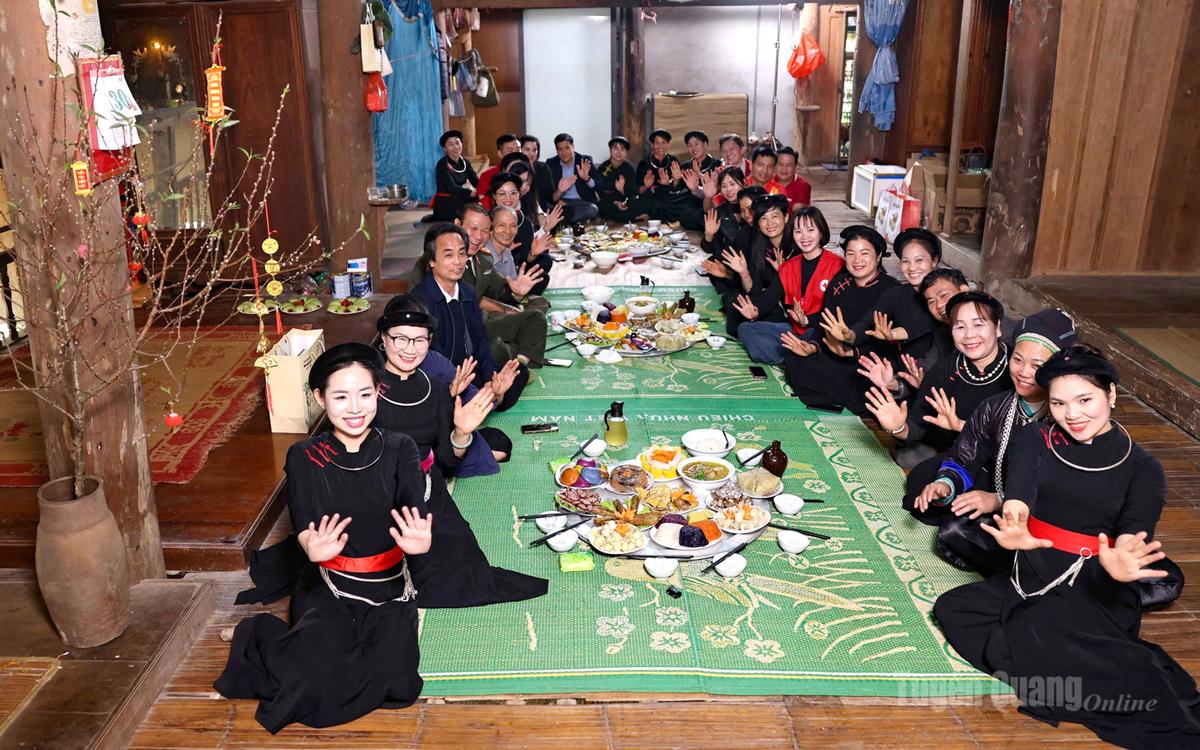
| The Tay people's New Year's Eve dinner is an occasion for family gatherings and reunions. |
The beauty of spring in the past
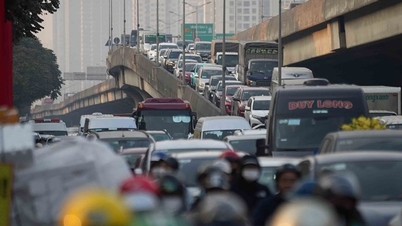
For Vietnamese people, Tet (Lunar New Year) is not only a moment of harmony between heaven and earth, but also a journey back to familiar values. While in the bustling city, Tet begins with the constant flow of traffic, in the highland villages of Tuyen Quang province, Tet is celebrated with the lively custom of "slaughtering the pig." Black pigs, nurtured all year with chopped corn and wild vegetables, are slaughtered on the last day of the year and divided equally among several families.
Mr. Ban Van Ninh, an elderly resident of Cau Cao village, Bach Xa commune, shared: "In the old days, life was hard, and we only had a good piece of pork once a year, so we shared it among ourselves, a custom called 'sharing the pig.' Now we have more resources, but this custom is still maintained, showing the spirit of sharing, mutual support, and neighborly solidarity in times of need."
Once the green sticky rice cakes are neatly placed in the pot, people begin to tend to the "soul" of the house: the ancestral altar. The year-end cleaning ceremony is a deeply respectful spiritual ritual. Using a bowl of fragrant water infused with five spices, the homeowner gently cleanses the dust from the incense burner and statues, as a way of shedding old worries and welcoming good fortune.
In particular, the 23rd day of the 12th lunar month has become a sacred day. The pink carp carry the mission of "carrying" people's wishes to heaven. Watching the carp thrash their tails and dive into the river, everyone silently hopes that good things will come to their families.
The beauty of Tet in the mountainous regions also lies in the humanistic interaction between people and nature. The Tay, Nung, Dao, Mong, and Cao Lan ethnic groups in Tuyen Quang still maintain the custom of "inviting" their tools to celebrate Tet together. On the thirtieth night of the lunar month, tools like hoes, shovels, knives, and sickles—used throughout the year—are adorned with red paper and placed respectfully in a corner of the house.
Mr. Giàng A Chử, from Mé Lầu village, Sơn Vĩ commune, shared: “Objects also have souls; they help us produce rice, so during Tet (Lunar New Year), we must let them rest and show them gratitude. Only then will the rice harvest be good in the new year, and our stomachs will be happy.”
On the morning of the first day of the Lunar New Year, as the first rooster crows echo through the cliffs, the Tay and Nung women from all the villages hold hands and go to the spring at the edge of the village to collect "blessed water." A bowl of cool, refreshing water from the rocky spring is offered to the altar as a prayer for a year of favorable weather and peace of mind.
Tet (Vietnamese Lunar New Year) is only truly complete when heartfelt wishes are exchanged. "On the first day of Tet, visit your father; on the second day, visit your mother; on the third day, visit your teacher," the bustling footsteps of visiting relatives have become a beautiful tradition. Throughout villages and streets, the exchange of Tet greetings becomes a connecting thread between people.
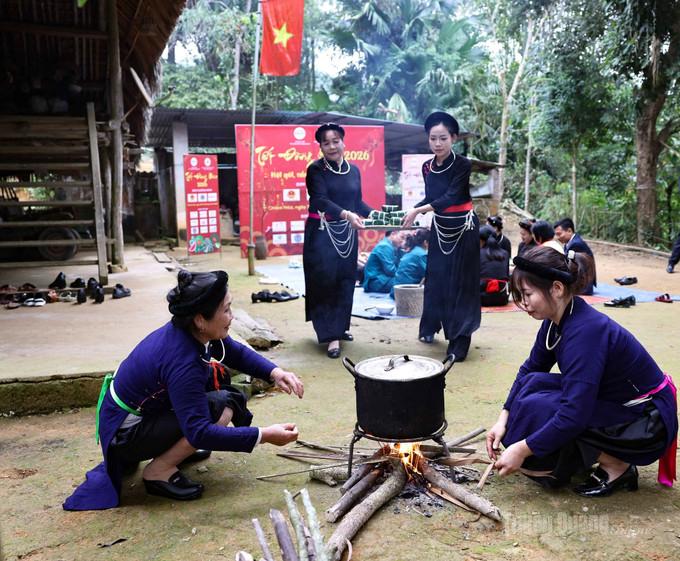 |
| The custom of wrapping banh chung (traditional Vietnamese rice cakes) during Tet (Lunar New Year). |
When sincerity goes out of sync
On the 23rd day of the 12th lunar month, the banks of the Lo and Gam rivers are bustling with people bidding farewell to the Kitchen God as he ascends to heaven. In the biting cold of the last day of the year, everyone carries a good intention, entrusting it to the carp they offer as a sacrifice. However, behind the wish for a smooth and successful journey, we inadvertently encounter a sad reality that has been unfolding for many years: the habit of "conveniently" offering sacrifices.
In the days leading up to Tet, especially the Tet Ong Cong, Ong Tao (Kitchen God) festival, the usually clear river in my hometown is littered with discarded plastic bags of various colors. Sometimes, just as people release fish upstream to pray for good fortune, others catch them downstream to make a profit. With the belief that "what happens in the earthly world is reflected in the spiritual world" and the desire for old spiritual objects to be "cooled" by the river, many people choose to throw incense sticks, ashes, and even ceramic incense burners into the stream or under bridges.
Mr. Nguyen Van Thanh, who has spent over 40 years rowing on the Lo River in Nong Tien ward, gazed thoughtfully at the water and said, "Many people think that throwing old things into the river is enough, that their house is clean. But they don't know that broken incense burners lie at the bottom, the ashes and dust muddy the water, and plastic bags drift everywhere. Seeing our hometown river silently bearing all kinds of waste under the guise of spirituality, those of us who depend on the river for our livelihood feel deeply saddened."
Furthermore, the sight of crowded bird cages awaiting release in markets and near temples and pagodas continues to be a thought-provoking image. These birds, once belonging to the free sky, are now exhausted after days of confinement, sometimes lacking the strength to take flight even when the cage is opened. Sadly, many of these fragile creatures then fall into another cycle of buying and selling that awaits them. If kindness only extends to granting temporary freedom to a weary life, is that happiness truly complete?
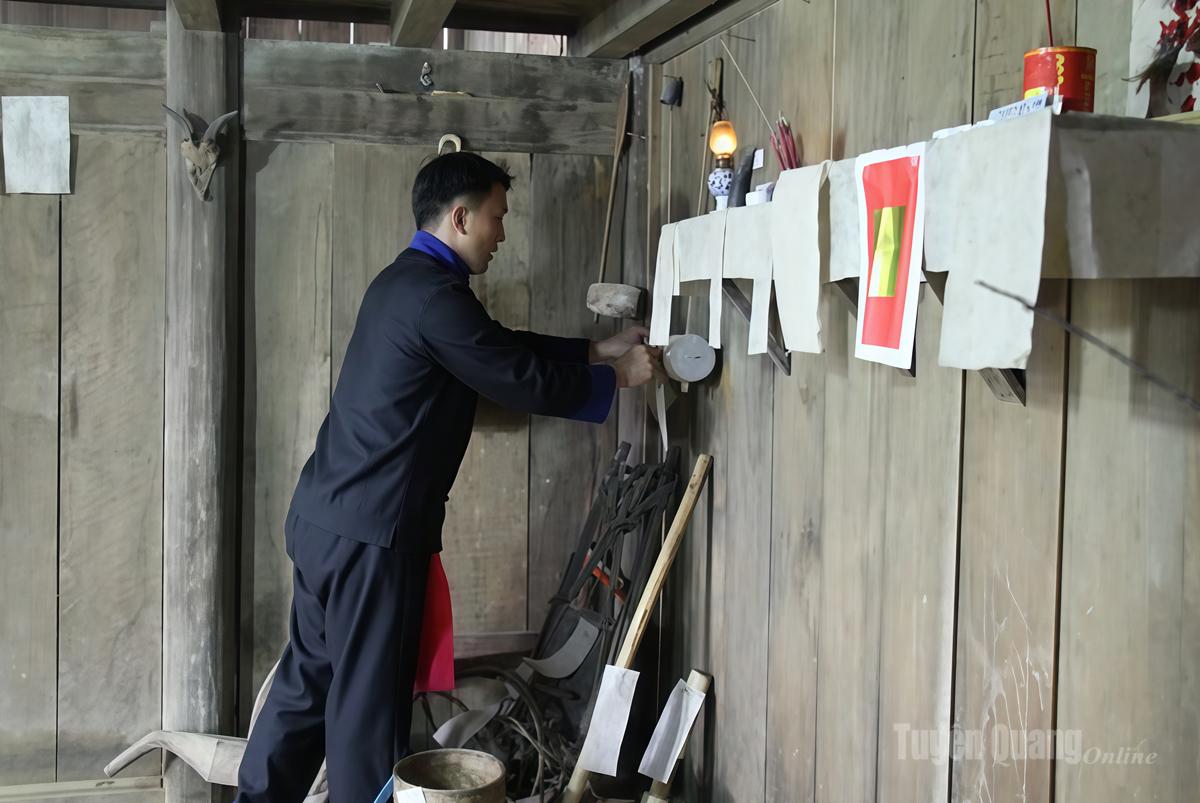 |
| The Hmong people in Vi Xuyen commune decorate their houses with red paper to welcome the Lunar New Year. |
Small changes, big impact.
For many years, the "Release fish, but don't release plastic bags" program, a collaboration between the Vietnam Fatherland Front of Tuyen Quang province, the Farmers' Association, and the Vietnam Buddhist Association of Tuyen Quang province, has become a significant movement with widespread impact, contributing to changing people's awareness of environmental protection. Fish are released, bags are left behind, and people and volunteers collect the plastic bags for proper disposal.
Comrade Chu Thi Ngoc Diep, Chairwoman of the Tuyen Quang Provincial Farmers' Association, affirmed: "The collaborative program is not simply about collecting waste from riverbanks, but its core objective is to change mindsets and foster a green lifestyle for each citizen. When plastic bags are collected and processed properly, it is a practical action to protect aquatic resources and maintain a sustainable living environment."
However, sustainable solutions shouldn't just stop at collecting garbage during holidays, but must be rooted in daily self-awareness within each household. Currently, many residential areas in Tuyen Quang have incorporated environmental protection and civilized religious practices into the criteria for evaluating "Culturally Exemplary Families" annually.
Comrade Vuong Kim Thanh, Party Secretary and Head of Tan Ha 6 residential group, Minh Xuan ward, said: “We regularly disseminate information through meetings or Zalo groups about how to properly dispose of ashes and old religious artifacts. When keeping the river clean is linked to the family's emulation criteria, people encourage each other to implement it very seriously. Because a truly cultured family is one where sincerity towards ancestors goes hand in hand with the responsibility of maintaining cleanliness for the community.”
The Spring of the Year of the Horse 2026 is fast approaching. Let the journey of the Kitchen God and the Stove God be more peaceful amidst the clear waters, so that the springs of Tuyen Quang province remain ever green and clean, a meaningful gift for future generations. For preserving the purity of nature is also a way for us to safeguard peace for each family and cultivate the most sustainable values for future generations.
Text and photos: Giang Lam
 |
| Venerable Thich Thanh Phuc Deputy Head and Chief Secretary of the Executive Board of the Vietnam Buddhist Association of Tuyen Quang Province |
Compassion must go hand in hand with wisdom.
Releasing animals is a noble practice that cultivates compassion, but without the guidance of wisdom, this good deed can easily turn into an act of ignorance. Wisdom here refers to a correct understanding of life and the environment. Releasing fish but then throwing plastic bags into the river or releasing them into polluted water is essentially turning the ritual of release into killing, destroying nature, and indirectly leading living beings to their demise. Furthermore, the mass purchase of fish for the sake of peace inadvertently fuels predatory hunting, creating a vicious cycle of killing. With a Buddhist mindset, we hope that every citizen practices this faith with a mindful attitude. Release the fish with respect and take away your trash with civilized awareness. Don't let the carelessness of habit overshadow this cultural beauty. Because preserving a clean and beautiful river for all living things to thrive is the most wise, sustainable, and meritorious act of releasing animals.
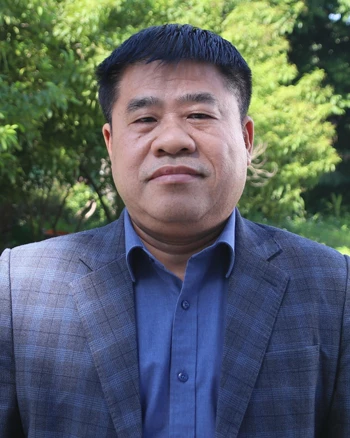 |
| Comrade Do Tan Son Deputy Director of the Department of Agriculture and Environment |
Maintain environmental hygiene.
Every citizen becoming a supervisor, practicing civilized behavior, and reminding the community not to litter during Tet is an urgent action to protect the environment and build a culture of good conduct. Through voluntarily sorting waste, reducing the use of plastic bags, and participating in community clean-up days, the community contributes to spreading the message of green living and maintaining a clean and beautiful landscape during the holidays. Authorities have reviewed and maintained clean trash cans, collection vehicles, bins, and collection points, ensuring hygiene, and especially stepping up propaganda to encourage residents and tourists not to litter indiscriminately and to consciously maintain environmental hygiene.
 |
| Distinguished Artisan Vàng Chá Thào Pho Bang Commune |
Spiritual behavior that is in harmony with the culture.
The spiritual life of the Vietnamese people, especially during the traditional Lunar New Year, is a deeply rooted cultural value, reflecting aspirations for goodness, gratitude to ancestors, and prayers for peace and happiness for family and community.
However, nowadays, some people are ostentatious, buying many luxurious offerings and burning votive paper indiscriminately, diminishing the spiritual meaning, causing waste, and harming the environment. Spiritual practices need to be placed within the framework of culture and responsibility, avoiding falling into extreme superstition that has detrimental effects on the environment and life. Offering incense, praying, and participating in festivals and rituals during Tet should stem from sincerity; a proper stick of incense, a simple but solemn offering is enough to convey one's wishes and hopes for the Spring.
 |
| Mr. Do Viet Vi Residential area 8, Ha Giang 2 ward |
Preserving customs through civilized actions.
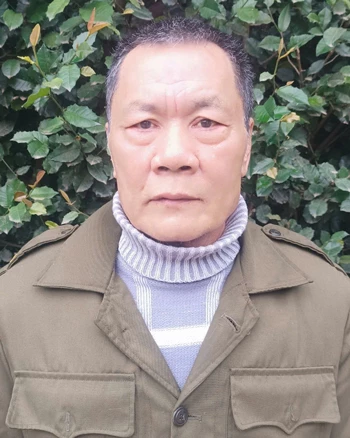
Releasing carp on the day of the Kitchen God and Stove God festival is a long-standing Vietnamese tradition, symbolizing good fortune, wealth, fertility, and reflecting the beautiful cultural practice of releasing animals and promoting good deeds. Previously, like many others, I used to use plastic bags to carry the fish to the Lo River for release. However, after witnessing firsthand the garbage, plastic bags, and even old incense burners floating on the river after the 23rd day of the 12th lunar month, I realized that continuing this old habit would inadvertently distort a beautiful national custom.
Due to a change in perspective, my family has adjusted the way we perform the ritual. When releasing carp, we prepare buckets and containers to gently lower the fish into the water, keeping all the bags to take home for proper disposal. After trimming the incense sticks, they are burned to ashes and buried in a clean place, and the ashes from the furnace are collected neatly and never dumped into rivers or streams. As a member of the local security and order protection team, I regularly remind residents in the neighborhood to collect plastic bags and waste and dispose of them properly when releasing fish. I believe that when each person changes through small actions, behaves civilly, and is conscious of preserving the shared living environment, the custom of the Kitchen God and Stove God Day will become increasingly better and true to its inherent cultural values.
Source: https://baotuyenquang.com.vn/xa-hoi/202602/ven-tron-uoc-nguyen-xuan-ba353c2/
![[Photo] Prime Minister Pham Minh Chinh receives the Chinese Ambassador to Vietnam](https://vphoto.vietnam.vn/thumb/1200x675/vietnam/resource/IMAGE/2026/04/05/1775397481797_ndo_br_dsc-5512-jpg.webp)














































Comment (0)