

Chia seeds are rich in nutrients, especially fiber and omega-3s, which are beneficial for health. However, they are only truly good when consumed in moderation and combined with other healthy foods in a balanced diet.
1. Chia seeds have exceptional nutritional value.
Chia seeds are considered a "superfood" with a rich nutritional composition, packed with vitamins and minerals such as manganese, magnesium, phosphorus, and B vitamins, and especially high in fiber, protein, and omega-3 fatty acids, offering numerous health benefits.
According to nutritional analysis, 28g (2 tablespoons) of chia seeds contain: 138 calories, 4.7g protein, 8.7g fat, 5g alpha-linolenic acid (ALA), 11.9g carbs, 9.8g fiber, 14% DV calcium, 12% DV iron, 23% DV magnesium, 20% DV phosphorus, 12% DV zinc, 15% DV vitamin B1, and 16% DV vitamin B3.
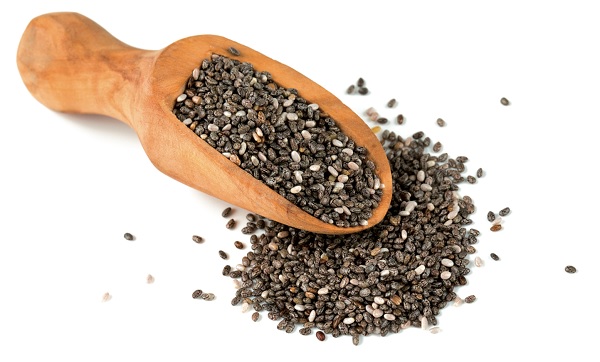
Chia seeds are rich in fiber, protein, and omega-3 fatty acids.
Chia seeds contain a very high amount of soluble fiber, which helps increase feelings of fullness, supports weight loss, and helps control blood sugar. The protein in chia seeds helps build and repair cells, strengthen muscles, and support metabolism, effectively aiding weight loss.
The omega-3 fatty acids in chia seeds help reduce inflammation, protect cardiovascular health, improve memory, and lower the risk of chronic diseases. The antioxidants in chia seeds protect the skin from free radicals, prevent aging, and reduce inflammation. Minerals such as calcium and phosphorus in chia seeds help strengthen bones and reduce the risk of osteoporosis.
2. Is it good to eat a lot of chia seeds?
According to Dr. Tran Thi Bich Nga, a specialist in Nutrition, although chia seeds have many benefits, they are only truly good when consumed in moderation and combined with other healthy foods in a balanced diet.
Eating too many chia seeds can cause adverse reactions in the body. The first reason is that they are high in fiber. To date, the side effects of chia seeds are similar to other forms of fiber; if consumed incorrectly or in excessive amounts, they can be difficult for the body to break down and digest. Eating too many chia seeds can lead to side effects such as bloating, indigestion, and constipation.
Chia seeds are naturally water-absorbing seeds that swell up, filling the stomach and creating a feeling of fullness. However, if chia seeds are not soaked or consumed in excessive amounts, they can cause bloating, gas, stomach discomfort, and even stomach pain.
Secondly, these seeds absorb a large amount of water and can cause blockages in the digestive tract. Chia seeds can absorb 10-12 times their weight in liquid. If they are not soaked before eating, they can swell and cause blockages, increasing the risk of dangerous choking.
Additionally, in some cases, such as for people with diabetes, consuming too many chia seeds can cause a drop in blood sugar levels, leading to fatigue and hypoglycemia. People with low blood pressure may also experience a further drop in blood pressure if they consume too many chia seeds. Those with nut allergies should also exercise caution when using chia seeds.
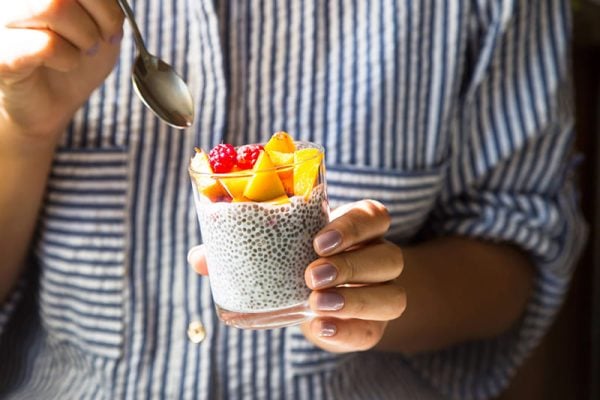
Eating chia seeds correctly is beneficial for your health.
3. How to overcome the disadvantages of eating chia seeds
Eat slowly and in small quantities.
Ideally, we should consume chia seeds in amounts of about 1-2 teaspoons per day. For first-time users, it's best to start with a small amount, about half a teaspoon of chia seeds, to test the digestive system's adaptation, then gradually increase the amount.
Soak or grind chia seeds before eating.
To aid digestion, chia seeds should be soaked in water before eating. The minimum soaking time is 10-15 minutes, and the recommended seed-to-liquid ratio is 1:9. Because the omega-3 fatty acids in chia seeds are easily altered by high temperatures, it's best to soak them in cold or lukewarm water.
Grinding chia seeds is also a good alternative to eating them whole. This allows the body to better absorb the nutritional benefits of chia seeds. A new study shows that ground chia seeds offer more nutritional benefits than whole chia seeds. Ground chia seeds may help improve the absorption of protein and omega-3s within the seeds.
Drink more water when eating chia seeds.
Because chia seeds absorb water in the body like a sponge, drinking more water is an effective way to counteract potential side effects such as discomfort, bloating, constipation, and hard stools when consuming chia seeds.
Source: https://giadinh.suckhoedoisong.vn/an-nhieu-hat-chia-co-tot-khong-172241230182420507.htm



































































































Comment (0)