

 |
Tim Cook, CEO of Apple. Photo: Reuters . |
TSMC has had the exclusive right to supply Apple with processor chips since 2014. However, this position may soon end amid semiconductor supply shortages.
According to the WSJ , AI companies are spending lavishly on chips, memory, specialized fiberglass, and other components. This is putting Apple at a disadvantage in the race for components, as suppliers have the right to demand higher prices.
Analysts predict Apple will face significant profit pressure this year. Consumers may soon feel the impact, and the company's 12-year partnership with TSMC is also likely to change.
Ending a 12-year reign.
The issue was addressed by CEO Tim Cook when announcing the financial results at the end of January. He stated that Apple is facing constraints in chip supply and a significant increase in memory prices.
"Apple is definitely under a lot of pressure," said Sravan Kundojjala, an analyst at research firm SemiAnalysis .
Nvidia, the leading AI chip company, has become TSMC's biggest customer, according to Nvidia CEO Jensen Huang in a podcast.
Previously, this position was held by Apple by a significant margin. TSMC itself is the world leader in advanced chips for AI servers, smartphones, and other computing devices.
CEO Tim Cook predicted that rising memory chip prices would have a greater impact on Apple's gross profit margin in the current quarter. He emphasized that the company would "consider options to address the issue" if necessary.
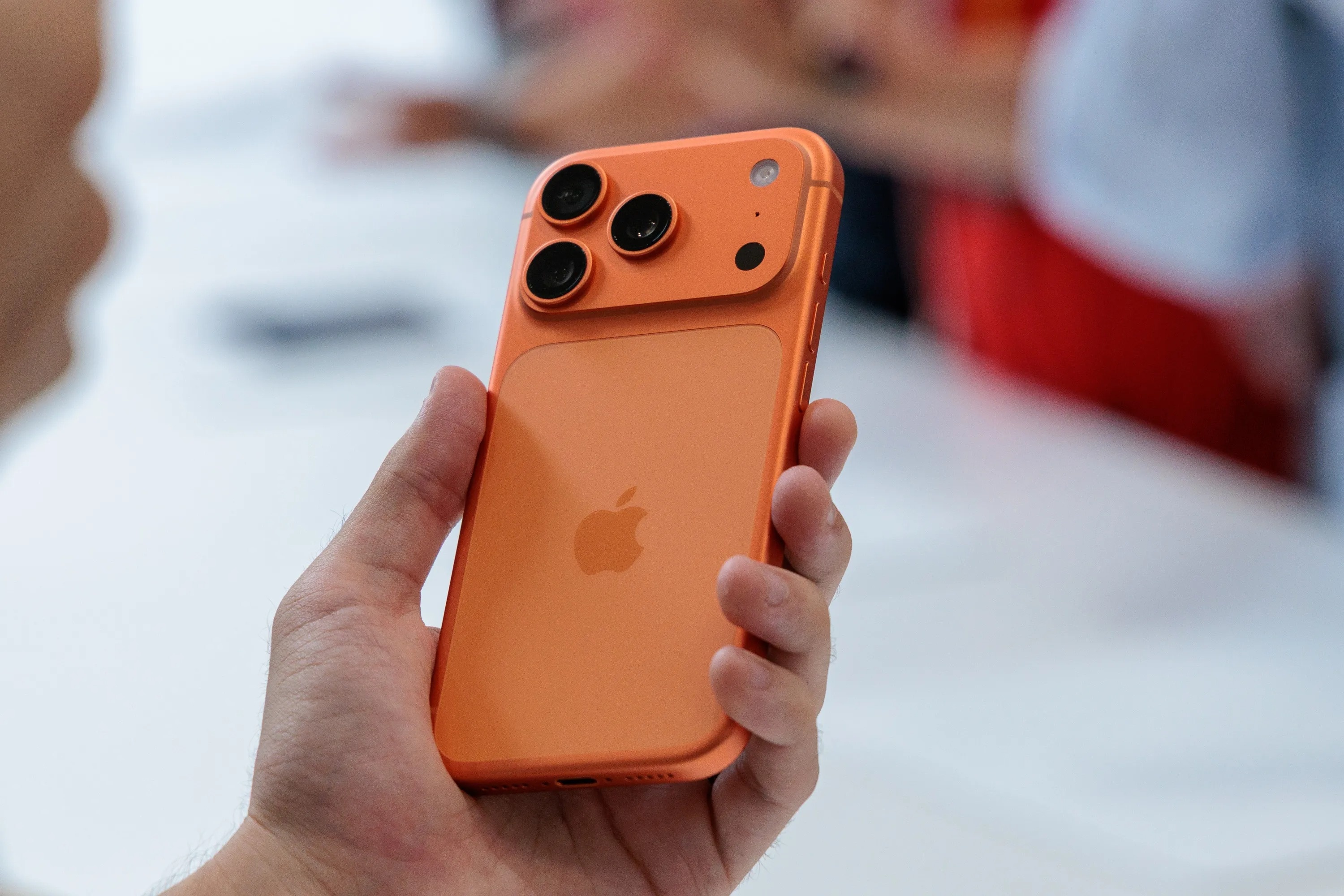 |
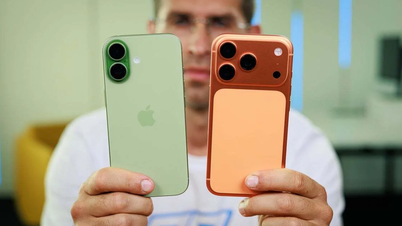
iPhone 17 Pro. Photo: Bloomberg . |
Amidst TSMC's increased collaboration with AI companies, sources within the supply chain reveal that Apple is considering working with other partners to manufacture some low-end processor chips.
The WSJ article doesn't specify the company, but recent rumors suggest Intel could start producing processors for Apple as early as 2027 or 2028.
Specifically, analyst Jeff Pu from GF Securities believes Intel may produce some processor chips for the standard iPhone lineup, using the 14A process. Based on this timeframe, the company could supply a portion of the A21 and A22 processor chips, used in the iPhone 20 or iPhone 20e.
Intel previously supplied network modems for several iPhone models from the iPhone 7 to the iPhone 11. However, the upcoming partnership between Intel and Apple may extend beyond iPhones to iPads and Macs.
Last year, analyst Ming-Chi Kuo from TF International Securities predicted that Intel would offer low-end M-series chips for Macs and iPads as early as mid-2027.
The chips are expected to be manufactured using the 18A process. According to Kuo, this is "the earliest 2nm smaller manufacturing technology available in North America."
There are no signs that Intel will be involved in designing iPhone chips. According to MacRumors , this is different from the past, when Mac computers used x86 processors designed and manufactured by Intel.
Partnering with Intel could help Apple diversify its supply chain. This promises to help Apple increase production in the US, supporting the Trump administration's efforts to boost domestic manufacturing.
Apple is in a difficult position.
Apple is facing challenges not only with processors and memory, but also with other components. An industry leader stated that scientists researching display glass for smartphones have recently shifted their focus to developing specialized glass for encapsulating AI chips.
Several manufacturers of sensors and other components for the iPhone have also secured contracts from companies like OpenAI, which is developing specialized AI hardware.
However, suppliers emphasize that there are no plans to end cooperation with Apple. Many companies acknowledge that they work with Apple to learn, as it remains one of the most demanding and disciplined customers in the industry.
For example, TSMC still prioritizes producing chips using the most advanced technology for Apple, based on the large and stable demand for iPhones.
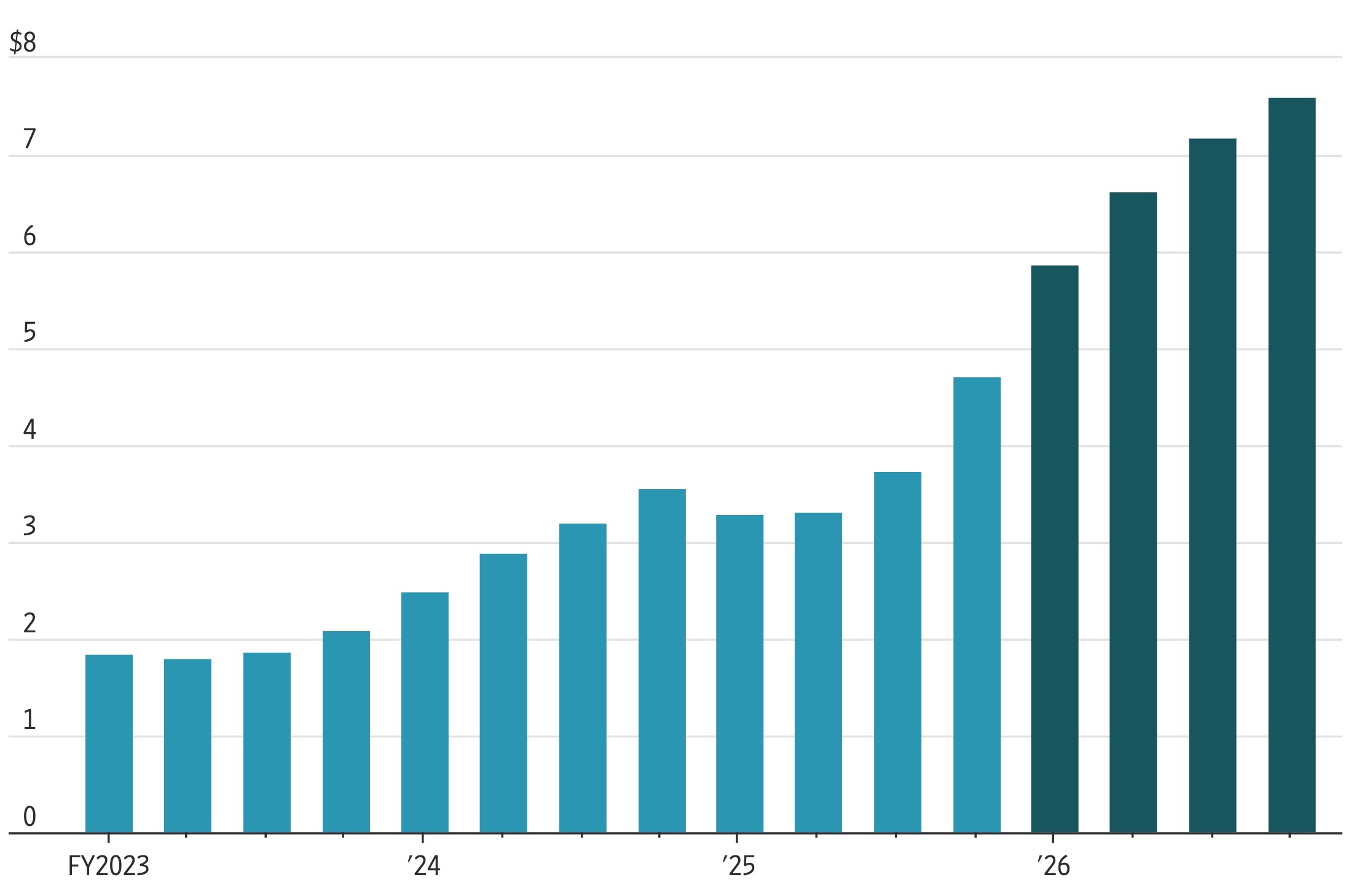 |
The price per GB of DRAM, a crucial memory system in AI servers and smartphones. Photo: WSJ . |
AI processing systems differ from those in smartphones or personal computers, yet many companies manufacture chips for both. Memory chips, in particular, are scarce as companies like OpenAI, Google, Meta, and Microsoft are all spending hundreds of billions of dollars expanding their computing power.
"Memory prices are rising at an unprecedented rate," said Mike Howard, an analyst at research firm TechInsights . This is happening with both NAND and DRAM memory chips.
It is estimated that by the end of this year, DRAM prices will quadruple compared to 2023, while NAND memory prices will also triple.
According to Howard, Apple may have to pay an extra $57 for the two memory options on the standard iPhone 18. For a device with a retail price of $800 , this move would significantly impact its profit margin.
Will iPhone prices increase?
Apple's purchasing power and design expertise help it maintain its position against Asian companies that specialize in manufacturing components and assembling iPhones.
According to the Wall Street Journal, Apple spends billions of dollars annually on NAND memory chips. Suppliers strive to win contracts with Apple to build credibility. However, according to analyst Ming-Chi Kuo, Nvidia is currently taking the lead in pushing the limits of human engineering.
The demand for AI hardware will continue to grow rapidly. Compared to other companies, Apple's spending on AI is relatively modest, even though the company still broke sales records with the iPhone 17.
According to sources close to the supply chain, Samsung Electronics and SK Hynix are raising the prices of chips they supply to Apple. AI companies are willing to pay higher prices and upfront to secure supplies, giving the South Korean chipmakers a significant advantage.
 |
Consumers buy iPhones at an Apple store. Photo: Bloomberg . |
According to the WSJ , Apple typically signs long-term memory purchase contracts, but still uses its power to pressure suppliers. For example, contract terms allow the company to negotiate prices frequently, even weekly, or refuse to purchase memory if prices are unfavorable.
To increase the pressure, Apple also began stockpiling more memory. This strategy is somewhat different from Tim Cook's usual approach, which typically involves minimizing inventory to maximize cash flow for Apple.
One of Apple's biggest sources of profit comes from offering expandable storage options at a price higher than the cost of production. Last year, the company discontinued the 128GB iPhone Pro, leaving only 256GB and larger versions available at a price that's $100 more expensive.
Craig Moffett, an analyst at Moffett Nathanson, suggests Apple may repeat this strategy this year to offset higher memory costs. However, analyst Ming-Chi Kuo believes the company will not raise the price of the iPhone 18.
Source: https://znews.vn/apple-gap-kho-post1624691.html





























































































Comment (0)