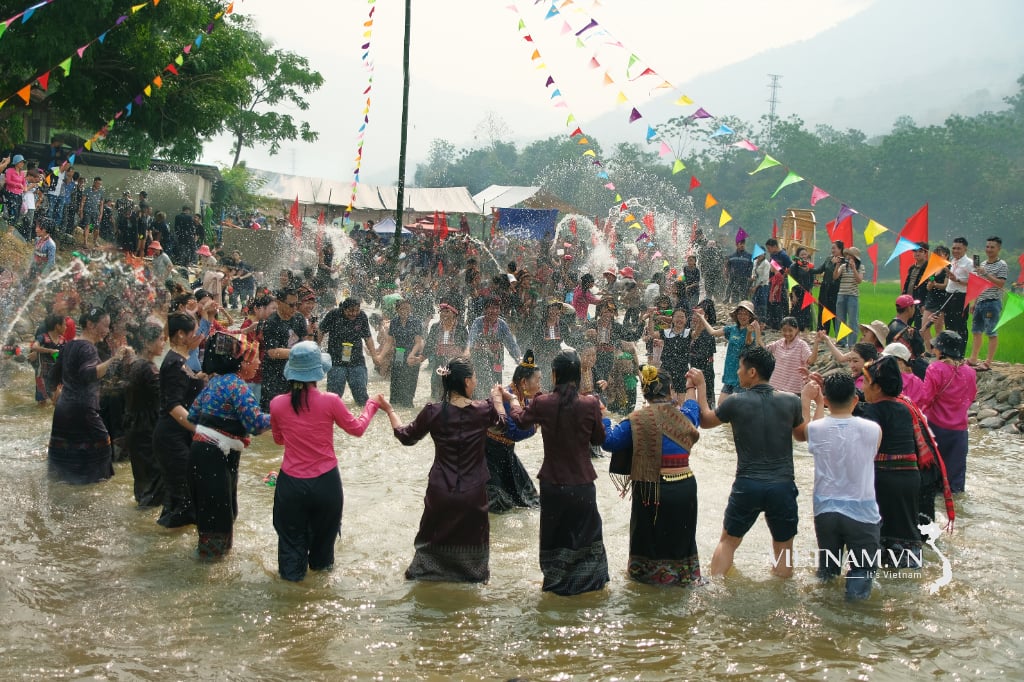
Since the spring of 1993, our State has emphasized the importance of culture in the cause of national renewal in the face of the challenges and opportunities that the nation is confronting, in order to ensure the success of national construction and development.
In Sino-Vietnamese, "culture" means becoming more beautiful. Culture encompasses all the material and spiritual values created by humans to make life better each day.
According to G. Festistete, culture is the way people live and the way they think (What we do and what we think).
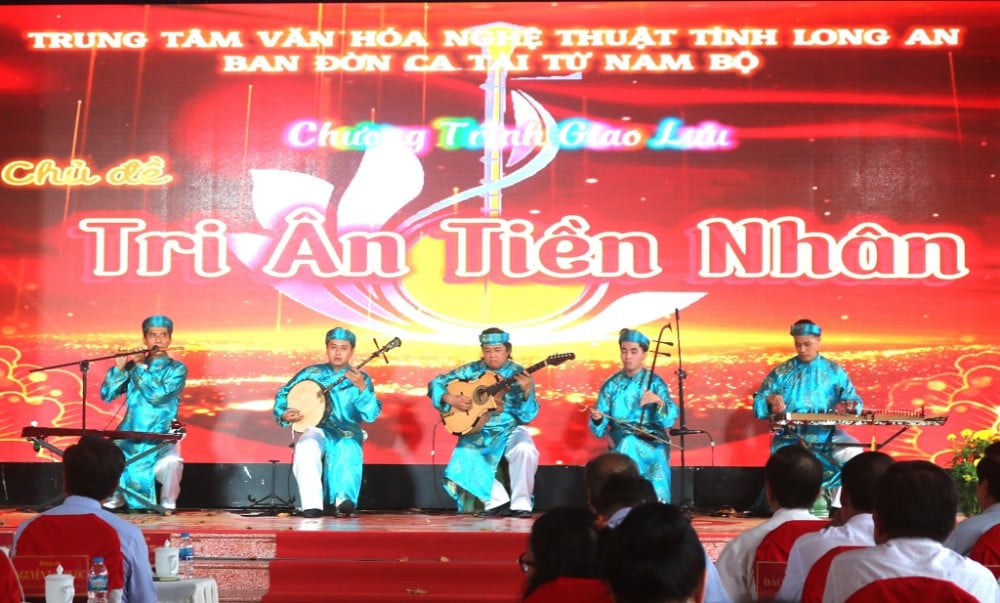
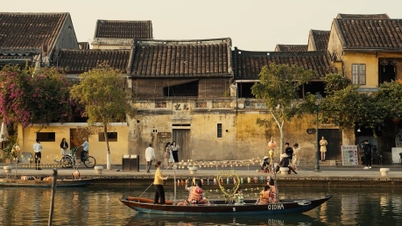
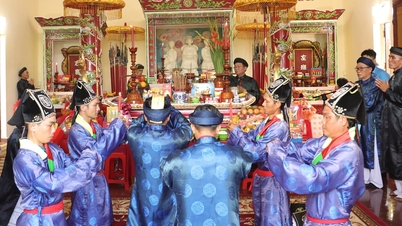
Archival photo
The issue of building generations of healthy, capable, intelligent, and moral citizens to maintain and develop a national culture with a distinct identity has always been considered important by nations as a driving force for social stability and development.
In his famous work "Primitive Culture" (1871), E.B. Tylor (1832-1917) defined culture as the sum total of knowledge, beliefs, arts, morals, laws, customs, etc. This concept shows that culture encompasses all the abilities and habits that each individual learns and accumulates.
Culture is the essence of material and spiritual values accumulated by humans through interaction with nature and society; in the process of living, thinking, and acting, humans are both the creative subjects and the products of culture.
The culture of the Vietnamese people is their language and writing system; their knowledge and level of education; their way of life, including ethics, customs, traditions, beliefs, and festivals; and their traditional occupations and labor practices, all built and created by the Vietnamese community throughout the historical and cultural development of the Vietnamese nation. Those cultural values that are considered the essence are passed down from generation to generation, becoming the cultural heritage of Vietnam and contributing to the formation of the Vietnamese national cultural identity.
National cultural identity consists of intrinsic characteristics, unique nuances that are intrinsically linked to the characteristics of the subject, becoming the source; it is the face, foundation, and essence of any culture; and it helps distinguish the culture of one nation from another.
National cultural identity possesses both ancestral and progressive aspects; the ancestral aspect is the indigenous culture, while the progressive aspect is the exogenous culture resulting from cultural exchange throughout Vietnam's cultural history. This process of cultural exchange involves the assimilation of cultural elements, resulting in both positive and negative aspects.
Vietnamese national cultural identity is an invaluable asset of the Vietnamese people, creating a profound and distinctive characteristic that sets Vietnam apart from other nations in the region and around the world .
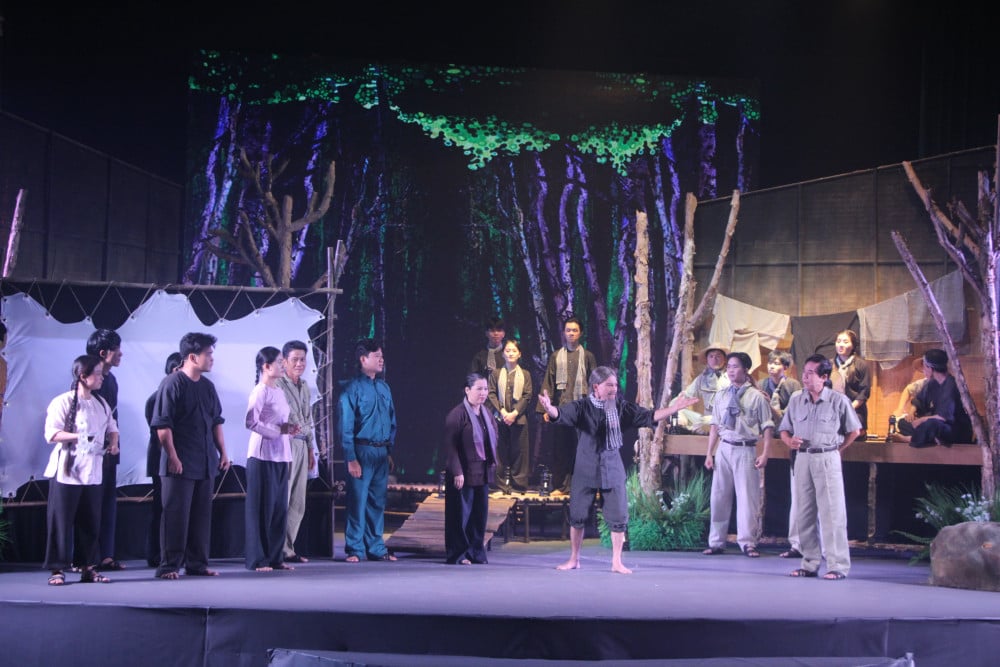
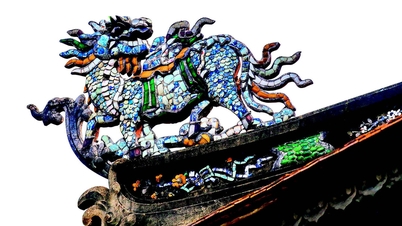
Archival photo
We need to preserve Vietnamese cultural identity because national cultural identity is the profound essence that creates the unique characteristics of each nation, establishes the country's reputation, makes the culture of each nation different, and creates the distinction between one nation and another.
Without a national cultural identity, or having lost that identity, a nation would be rootless and diluted; therefore, it is essential to cherish, preserve, protect, and promote the Vietnamese national cultural identity. Honoring the Vietnamese national cultural identity means making the traditional cultural values of the nation increasingly clear on the international cultural stage in an era of international cultural exchange and integration.
So how can we preserve the cultural identity of the Vietnamese people?
Throughout the history of cultural development in each country, we recognize that national cultural identity encompasses both traditional values, which are endogenous and indigenous cultures, and foreign cultural values, which are exogenous cultures acquired through interaction with the region and the world.
Preserving traditional national cultural identity means knowing how to inherit and promote traditional cultural values, knowing how to select and adapt foreign cultural elements to incorporate the "essence" of one's own culture, becoming cultural values of one's own country, with the goal of enriching the cultural identity of the Vietnamese nation. Selectively absorbing the best of world culture is a process of contacting and receiving the positive values of other cultures around the world, making those positive values compatible with the thoughts, feelings, beliefs, customs, and traditions of one's own nation, thereby enriching the national culture.
In the context of increasingly strong international cultural exchange, the selective adoption of the finest values of world culture is becoming more and more important because it will help the cultures of different nations harmonize with each other, making the world a common community, fostering greater understanding and mutual support when interacting, and leading to better interpersonal relationships.
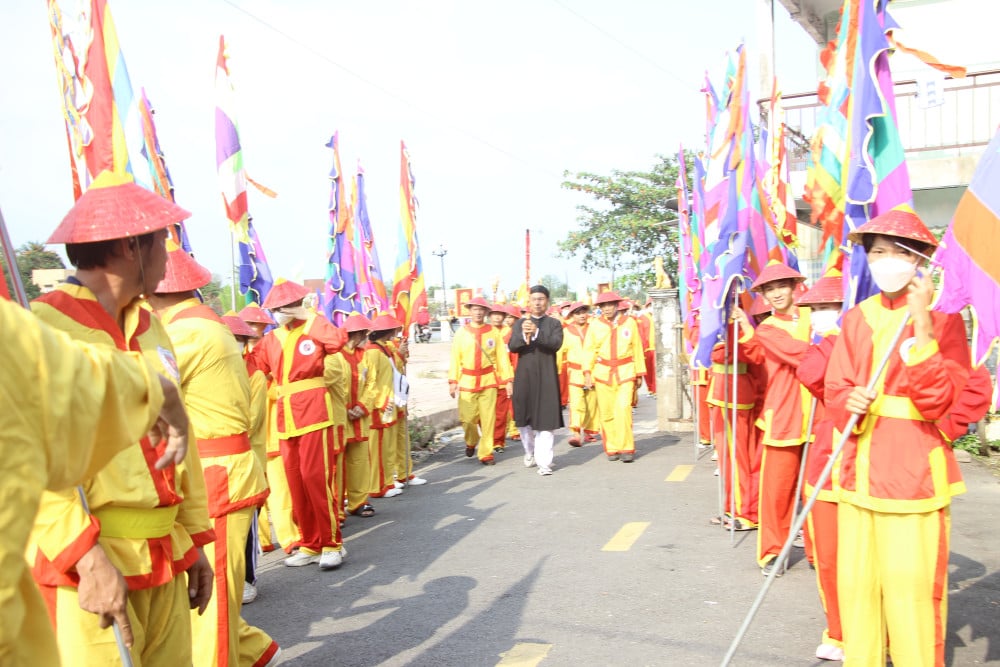
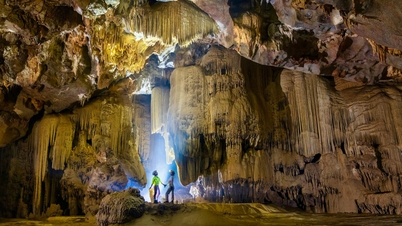
Archival photo
We need to further enhance our understanding that cultural exchange is a two-way process of giving and receiving, resulting in a richer national culture. Giving means donating and promoting the beautiful cultural values of our nation during the process of exchange and integration. Receiving means absorbing the best aspects of world culture to enrich our own national identity, and we should only absorb them selectively and cautiously, choosing only the best cultural values from other countries. The goal is to open our nation to the best and most beautiful aspects of both material and spiritual culture from other countries around the world with goodwill and a progressive spirit, with a civilized and friendly attitude, in order to integrate and become part of the international community.
What are the younger generation in Long An province doing to preserve local culture?
As a region rich in historical and cultural traditions, it faces both challenges and opportunities in the process of integration and development. In this context, the role of the younger generation becomes more important than ever, especially in preserving and promoting local cultural values.
With their open-mindedness, generosity, practicality, dynamism, creativity, and sense of responsibility, the younger generation needs to clearly understand their mission in:
- Research and appreciate: Gain a deep understanding of the history, culture, customs, traditions, festivals, and folk art forms. This understanding is a solid foundation for building pride and love for one's homeland.
- Preservation and promotion: Actively participate in cultural activities, festivals, folk art clubs, historical relic preservation projects, etc., to preserve and promote traditional cultural values. Schools need to take the lead in understanding national and provincial historical and cultural relics.

- Creativity and Dissemination: Utilizing modern technology and social media to promote culture to friends both domestically and internationally. Creative products imbued with cultural identity will contribute to spreading the positive values of our homeland.
- Inheritance and transmission: Learning from and inheriting the cultural essence of previous generations and passing it on to future generations. Participating in traditional craft classes, talks about local culture, etc., will help preserve valuable cultural values.
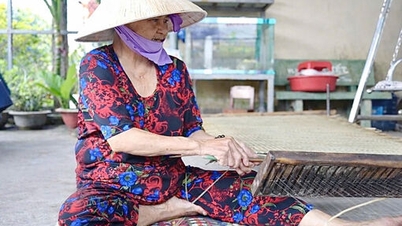
Furthermore, the younger generation needs to demonstrate their commitment through concrete actions: creating materials about local ethnic culture; organizing competitions to learn about history and culture in schools and organizations; establishing clubs and groups focusing on folk arts (traditional Southern Vietnamese music, folk songs, etc.) and traditional crafts (mat weaving, drum making, etc.); building websites and social media platforms to showcase unique cultural aspects, both spiritual and material; organizing cultural and tourism events associated with traditional festivals (such as the Lam Chay Festival in Tam Vu town , Southern Vietnamese folk music performances in villages and hamlets, etc.); and participating in projects to preserve local historical and cultural relics.
Culture is an invaluable asset of every nation, the identity of every region. As the future owners of the country, the younger generation should join hands to preserve and promote traditional cultural values, contributing to building a prosperous, civilized, and culturally rich South Vietnam: valuing righteousness, tolerance, diligence, a love of exploration and discovery , and always remembering to safeguard our unique cultural treasure.
Assoc. Prof. Dr. Dang Thi Phuong Phi
Source: https://baolongan.vn/ban-sac-van-hoa-dan-toc-viet-nam-a196522.html
















![[Image] Ho Chi Minh City: Ma Lang area, Chicken-Rice Market about to change its appearance](https://vphoto.vietnam.vn/thumb/1200x675/vietnam/resource/IMAGE/2026/06/25/1782377698627_ndo_br_m1-jpg.webp)