

Digital transformation is an inevitable trend and is being strongly implemented in all aspects of life today. In the museum sector, digitization and technology application is a step forward to both do a good job of preserving and conserving heritage, while improving the experience for visitors and developing and promoting cultural heritage, promoting tourism .
The National Museum of History (No. 1 Trang Tien Street, Cua Nam Ward, Hanoi ) is the first museum in Vietnam to apply technology in introducing museum exhibitions. The museum is currently continuing to change, promoting digital transformation to increase connectivity and interaction.
Enhance your tour experience with digital technologies
Sharing with reporters of the Vietnam Education Electronic Magazine, Dr. Nguyen Van Doan - Director of the National History Museum affirmed that many digital technology solutions have been deployed early at the museum such as the 3D Virtual Museum model in 2013, opening the trend of digital transformation in exhibitions.
In 2014, the automatic audio guide system was put into use, helping to improve the visitor experience. During the Covid-19 pandemic, activities such as Online Tourday, Online History Lessons and Three Region Heritage were effectively promoted, expanding public access anytime, anywhere.
In 2021, the Museum will continue to launch the 3D exhibition "National Treasures" on the website, with vivid images and rich content, serving a variety of audiences from students to researchers.
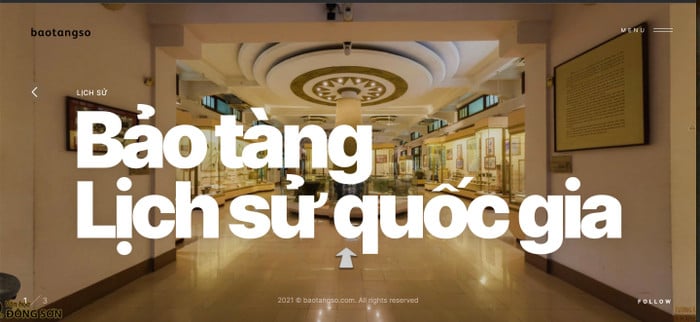
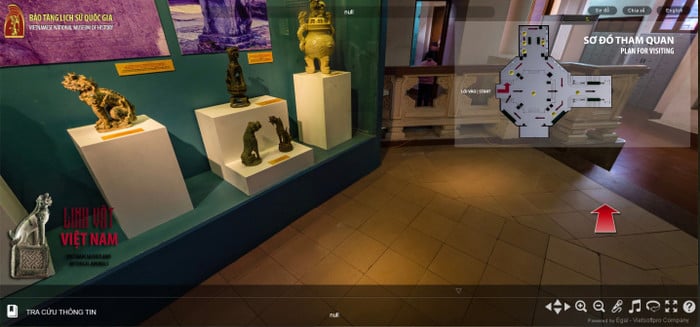
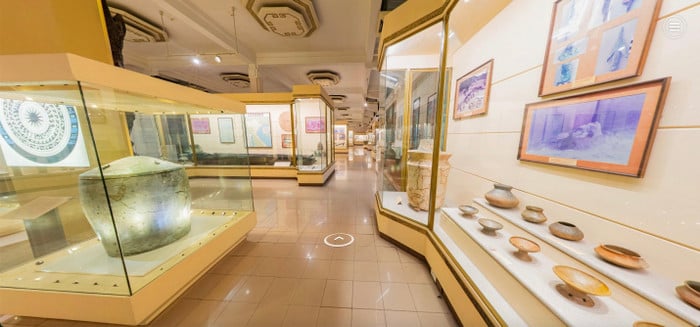
3D Virtual Museum display model on the website of the National History Museum. Screenshot
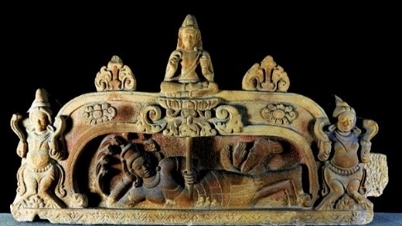
Most recently, in May 2025, the Museum deployed technology applications in the Special Exhibition "Zen Dance - Buddhist Art of the Ly Dynasty: Heritage and Technology".
From August 2025, the National Museum of History is also implementing: Applying AR technology (augmented reality) at the exhibition system (2nd floor) of facility 2 - 216 Tran Quang Khai.
In addition, the Museum is also actively digitizing its archives to prepare for the construction of a digital database and coordinating the organization of online heritage education programs. All of this is aimed at bringing the public, especially the youth, more diverse, attractive and modern experiences.
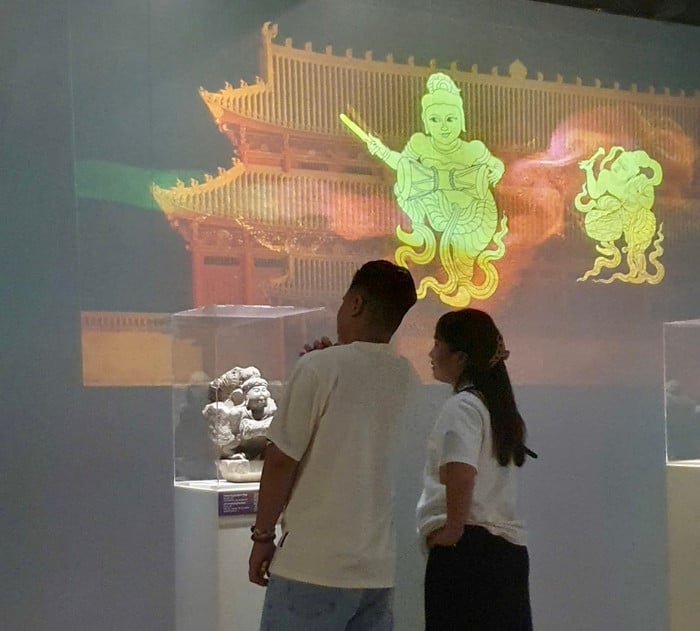
Visitors experience technology in the special exhibition "Zen Dance - Buddhist Art of the Ly Dynasty: Heritage and Technology". Photo: VNMH
Mr. Hai Dang (Tay Ho Ward, Hanoi) expressed his satisfaction with the experience of visiting the National Museum of History: “I am very impressed with the automatic explanation system using QR Code attached to each artifact. Just by scanning the code with my phone, I can immediately listen to a detailed, clear and very vivid explanation about that artifact.
It felt incredibly convenient - without the need for a guide, I could still thoroughly explore each artifact at my own pace. Thanks to this technology, the visit became much more enjoyable and accessible.
Just by “listening”, I was able to receive a large amount of rich historical information, from the origin, age to cultural significance of each artifact. This is truly a modern, smart and very encouraging experience in bringing digital technology into museum operations.”
Digital transformation is highly effective, contributing to history education for young people
According to Dr. Nguyen Van Doan, the application of digital technology has brought about clear results for the activities of the National History Museum, especially in innovating approaches and expanding the public audience.
If in the past, museum experiences mainly took place in the form of direct visits, now, thanks to the application of digital platforms, the space for displaying and introducing heritage has been expanded beyond the limits of space and time.
The public, especially young people - those who are knowledgeable and attached to the digital environment - can easily access, explore and interact with historical artifacts and documents through online exhibitions, virtual tours or digital databases.
These applications not only help viewers have an intuitive, vivid, and convenient experience, but also arouse interest in learning history in a more modern and attractive way.
The most obvious effect is the sharp increase in traffic to the Museum's website, reflecting the growing appeal of digital exhibition products. Products such as 3D Virtual Exhibition, 3D Exhibition of "National Treasures", or introduced online topics have received attention from the public, especially students and teachers - who have used them as useful, intuitive and reliable reference materials in the process of teaching and learning History.
Furthermore, technology-based programs and activities have created many new and diverse forms of access for viewers, helping them to learn and experience more flexibly.
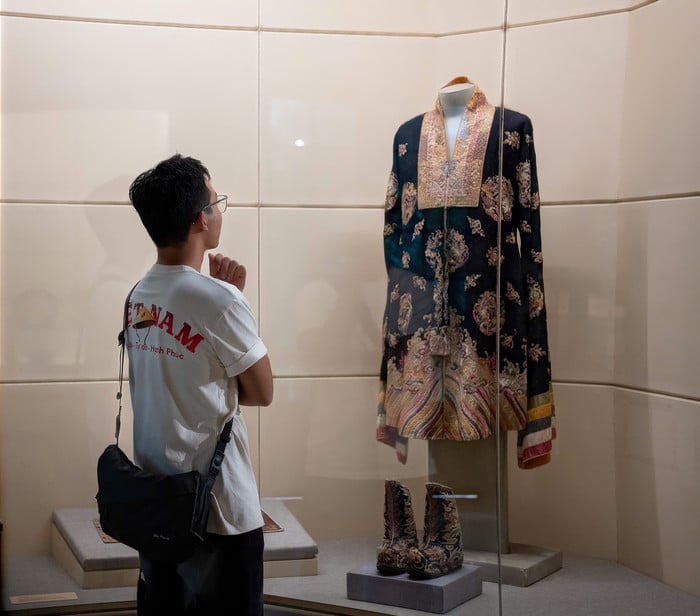
Residents and visitors are satisfied with the experience of applying digital technology at the National History Museum. Photo: Dinh Nam
Data conveyed through the digital environment not only provides rich knowledge but also helps the public understand more deeply the value of documents and artifacts - values that are sometimes difficult to fully appreciate when only visiting directly.
It can be said that the application of digital technology not only helps the National History Museum promote cultural heritage in a vivid and close way, but also creates a flexible and modern educational model that adapts to the digital transformation trend of the era.
Thanks to that, the museum not only expands the public audience - especially those who do not have the opportunity to visit directly - but also contributes to raising awareness, nurturing love and pride in history and national culture in the community, especially the young generation.
In the coming time, the National History Museum aims to digitally transform according to three key goals. First, perfecting the digital database of artifacts through systematic digitization of documents and artifacts and building a standardized data platform for display, research and education.
Second, promote the application of digital technology in exhibitions, especially thematic areas, develop virtual tour systems, 3D exhibitions, along with VR and AR applications to bring more vivid and attractive experiences to visitors.
Third, build digital educational materials and promote history education through online platforms by forming a “data bank” for teaching, organizing learning programs, experiences and interactive lectures for students and teachers.
With clear directions and determination to innovate, the Museum is striving to increase the application of technology in all areas of operation, contributing to the preservation and promotion of cultural heritage values, bringing history closer to the public in the digital age.
Hainan
According to Vietnam Education Electronic Magazine
Source: https://baotanghochiminh.vn/bao-tang-lich-su-quoc-gia-chuyen-doi-so-hieu-qua-nuoi-duong-tinh-yeu-lich-su-cho-gioi-tre.htm


![[Photo] Prime Minister Pham Minh Chinh receives President of Cuba's Latin American News Agency](/_next/image?url=https%3A%2F%2Fvphoto.vietnam.vn%2Fthumb%2F1200x675%2Fvietnam%2Fresource%2FIMAGE%2F2025%2F12%2F01%2F1764569497815_dsc-2890-jpg.webp&w=3840&q=75)




































































Comment (0)