

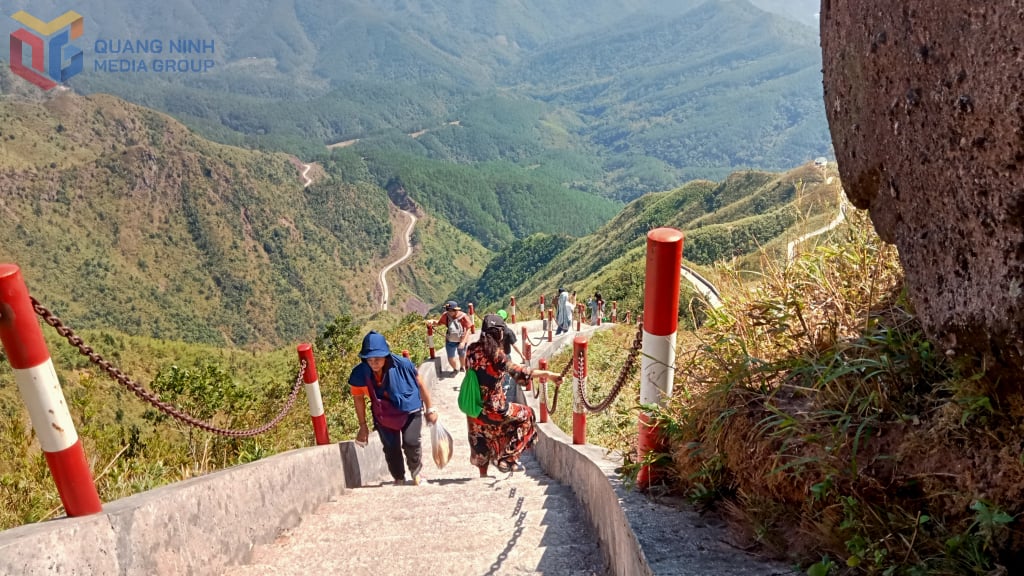
After being recognized as a provincial-level tourist area in 2020, Binh Lieu has made significant breakthroughs in attracting tourists and generating tourism revenue. In 2023, the district welcomed over 150,000 visitors, generating revenue of over 60 billion VND; in 2024, this increased to over 220,000 visitors, generating nearly 200 billion VND; and in the first five months of 2025, it reached over 84,800 visitors, a 64.6% increase compared to the same period last year, including over 6,000 international visitors, generating over 80.4 billion VND in revenue, a 147.4% increase compared to the same period last year. Food and beverage services, accommodation, transportation, and tour guide services have developed accordingly, providing local people with additional income and shifting their livelihoods from agriculture to tourism. Homestay models, trekking tours, and cultural tourism villages have been established, creating local jobs and preserving traditional cultural values.
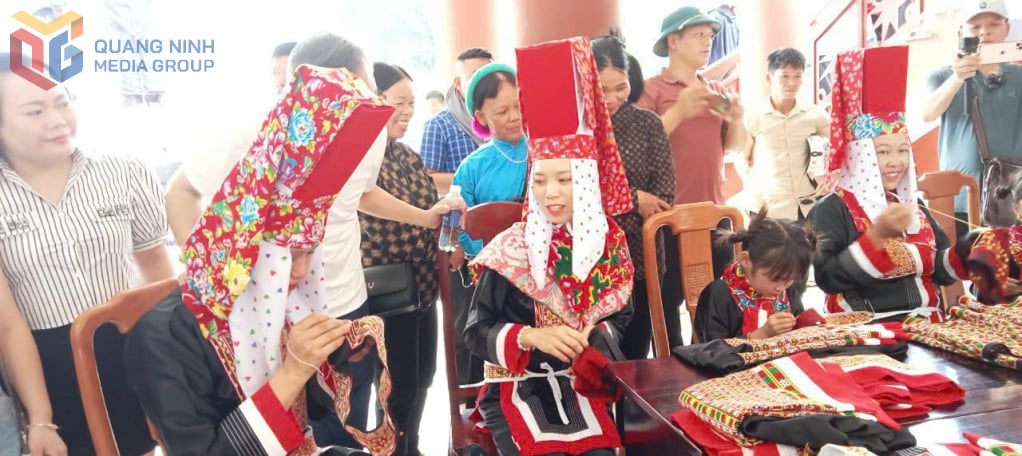
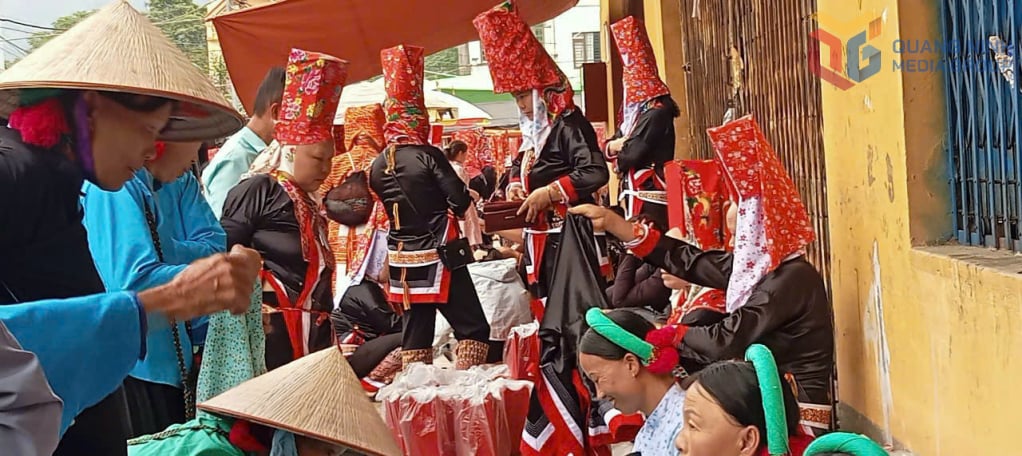
A highlight of Binh Lieu's tourism development is the harmonious integration of natural resource exploitation with the preservation of local culture. The villages of the Tay, Dao, and San Chi ethnic groups are planned as community tourism destinations, preserving traditional earthen houses, costumes, and folk festivals such as the Soong Co festival, the Golden Harvest festival, and the Hoa So festival. The district encourages wearing ethnic costumes in schools and offices two days a week to preserve and spread cultural values into modern life.
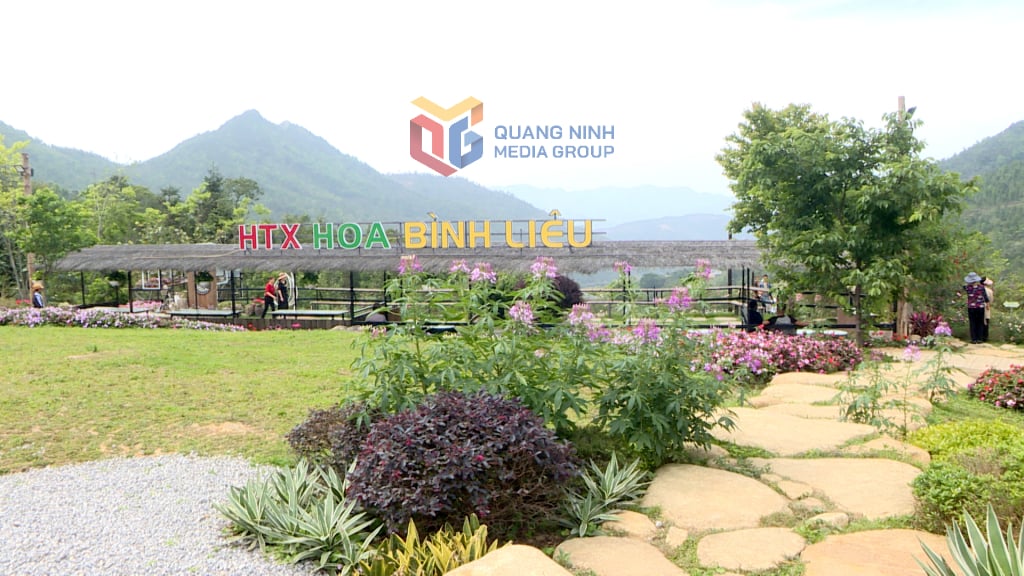
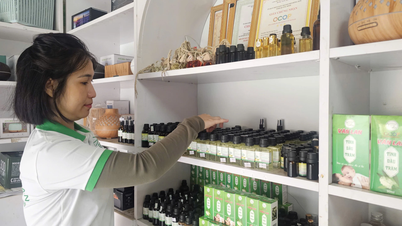
The cultural spaces in Ban Cau (Luc Hon commune) and Luc Ngu (Huc Dong commune) are being planned as cultural and tourism villages, aiming to create a chain of unique products to attract tourists. OCOP products associated with agriculture, such as cassava vermicelli, sturgeon, ixora flowers, cinnamon, star anise, etc., are being incorporated into experiential tourism tours, creating a closed loop in local economic development.
To retain tourists and increase their length of stay, the district has focused on investing in tourism infrastructure: upgrading roads connecting Cao Ba Lanh, Khe Tien, and Cao Ly; expanding more than 40 accommodation establishments, providing over 1,000 beds. Although there are no 3-star hotels yet, the system of homestays and ethnic specialty restaurants has initially met the basic needs of tourists.
The Hoành Mô (Vietnam) - Dong Trung (China) border gate has opened up opportunities for the development of border tourism. Since the beginning of 2025, thousands of international tourists have entered through this border gate. Cross-border sports and cultural exchange activities have been organized, creating a new highlight in the district's tourism products.
However, according to assessments by relevant authorities, despite many achievements, Binh Lieu still faces numerous challenges: Tourism products lack diversity and depth, and there is a shortage of distinctive symbols to build a brand. Tourists mainly stay for short periods, lacking in-depth experiences, resulting in low occupancy rates and spending. Supporting infrastructure such as public restrooms, parking lots, and signage are lacking. The tourism workforce largely consists of local people, who are weak in professional skills and marketing and service operation. The promotional system is fragmented and lacks connection with digital platforms like Booking and TripAdvisor, meaning Binh Lieu's online presence is not commensurate with its potential.
To ensure that tourism truly becomes a key driver in the socio-economic development of the locality, Binh Lieu is directing several groups of solutions, such as: improving the quality of tourism products associated with culture, ecology, and community; training professional tourism human resources; building a mechanism for linkages between communes, forming an inter-regional tourism network; promoting the application of digital transformation in destination promotion and management…
The district is calling for investment in key tourism projects, such as the Khe Van Waterfall eco-tourism area, the Song Mooc - Khe Tien forest trekking route, and community homestay models, in order to complete the tourism ecosystem, attract a stable flow of tourists, and extend their length of stay. International cooperation, especially with Fangcheng District (Guangxi, China), is identified as a strategic direction. Through festivals and border tourism tours, Binh Lieu hopes to become a new destination in the Northeast Vietnam - Southern China tourism corridor.
Source: https://baoquangninh.vn/binh-lieu-don-bay-phat-trien-tu-du-lich-3361414.html

![[Photo] Prime Minister Pham Minh Chinh receives the Chinese Ambassador to Vietnam](https://vphoto.vietnam.vn/thumb/1200x675/vietnam/resource/IMAGE/2026/04/05/1775397481797_ndo_br_dsc-5512-jpg.webp)





















































Comment (0)