


These three changes occurred in 1976, 1991, and now in 2025. Specifically, according to documents from February 1976, Ninh Thuan , Binh Thuan, and Binh Tuy (now La Gi and Ham Tan towns) in the South Central region merged into one province, named Thuan Hai. Thuan Hai borders Khanh Hoa province to the north, the East Sea to the south and east, and Lam Dong and Dong Nai provinces to the west. With nearly 300 km of coastline stretching from Khanh Hoa to Binh Chau alluvial plain, within the territory of Ba Ria - Vung Tau, and with its administrative center in Phan Rang town, the province has license plate number 48.
In 1991, Thuan Hai was divided into two provinces according to the Resolution of the 8th National Assembly, 10th session, dated October 26, 1991, named Binh Thuan and Ninh Thuan. Binh Thuan has 9 administrative units including 1 town and 8 districts. Specifically, Phan Thiet town – the administrative center of the province – and 8 districts: Tuy Phong, Bac Binh, Ham Thuan Bac, Ham Thuan Nam, Ham Tan, Tanh Linh, Duc Linh, and Phu Quy. Currently, there are 10 districts and towns because La Gi town was separated from Ham Tan district. It has 192 km of coastline stretching from Da Chet Cape bordering Ca Na in Ninh Thuan to Binh Chau alluvial plain in Ba Ria - Vung Tau province. Currently, Binh Thuan uses license plate numbers starting with 86 instead of 48, which is used by people in Dak Nong.
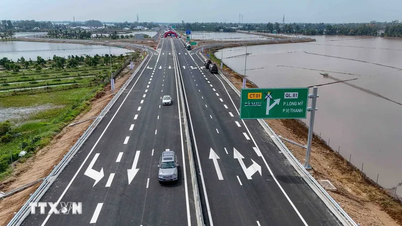
Over 30 years since its separation from the province, Binh Thuan in 2025 has undergone a dramatic transformation, achieving many remarkable accomplishments. Thanks to improved transportation, diverse modes of transport, and the development of information technology, Binh Thuan, along with other provinces and cities nationwide, is implementing the central government's policy of merging administrative units at all levels to suit the new situation. According to the list of 34 provincial-level administrative units recently approved by the Central Committee, Binh Thuan, Lam Dong, and Dak Nong will merge into one province, named Lam Dong.
So, this is the third time I've witnessed or known about the merger and separation of Binh Thuan province. It brings back memories of 1991, when I was living in Thanh Hai ward, Phan Thiet town (formerly). To this day, I remember that most people at that time didn't care much about the province's separation; it was mainly the officials and civil servants who were concerned. But generally, they considered it quite normal. After the separation, Binh Thuan province focused on supporting Ninh Thuan in terms of human resources and infrastructure. At that time, there was a policy to encourage officials and civil servants from Ninh Thuan province to return to work, and those who volunteered to work in Ninh Thuan were encouraged to do so.
Typically, at the Binh Thuan Newspaper, many retired staff members still remember Mr. Mai Ty, Mr. Tran Bao Kim, Mr. Thai Quang Trung… who later worked at the Ninh Thuan Newspaper. Before the province was divided, they were staff members and reporters at the Thuan Hai Newspaper. Then, taking advantage of the province's separation, they returned to their hometowns to work, like Mr. Mai Kim. “Before the province was divided, the Thuan Hai Newspaper had about 30 staff members, reporters, and employees. When Thuan Hai province was split into two provinces, some of our colleagues, those from Ninh Thuan, requested to return to work at the Ninh Thuan Newspaper along with some others who volunteered,” a former retired staff member of the Binh Thuan Newspaper shared.
That's about separation, but merging is different. It involves people, especially officials and civil servants. For example, the current merger of provincial-level administrative units—two or three provinces merging to work in one place doing the same job—will inevitably lead to redundancies. However, once transportation improves, science and technology develop, and the legal system is perfected, the merger and consolidation of provinces for the country's progress becomes inevitable...
Source: https://baobinhthuan.com.vn/binh-thuan-with-3-times-of-import-separation-of-provinces-nearest-129607.html


![[Photo] Prime Minister Pham Minh Chinh attends the Conference on the Implementation of Tasks for 2026 of the Industry and Trade Sector](/_next/image?url=https%3A%2F%2Fvphoto.vietnam.vn%2Fthumb%2F1200x675%2Fvietnam%2Fresource%2FIMAGE%2F2025%2F12%2F19%2F1766159500458_ndo_br_shared31-jpg.webp&w=3840&q=75)








































































Comment (0)