

From the ancestral land of Hung Vuong, through the semi-mountainous regions to the valleys and mountain slopes, each community in Phu Tho imbues its identity into its dishes. This identity is reflected in their simplicity, sophistication, emphasis on local ingredients, respect for community spirit, and especially the close connection between cuisine and rituals, beliefs, and livelihoods.

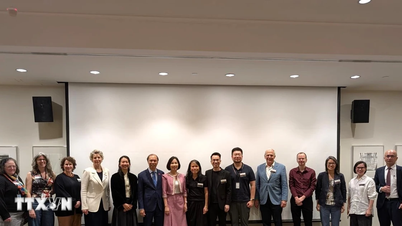
Ambassadors, heads of international organizations, and female officials from the Ministry of Foreign Affairs experienced the skill of making gio cakes at a traditional food and culture festival of the province.
The cuisine of the central region of Vietnam is distinguished by its simple yet flavorful dishes, reflecting the essence of the midland countryside. Banh tai, with its soft, chewy rice flour dough encasing a delicious meat filling, is unpretentious but has become a familiar treat in the lives of the local people.
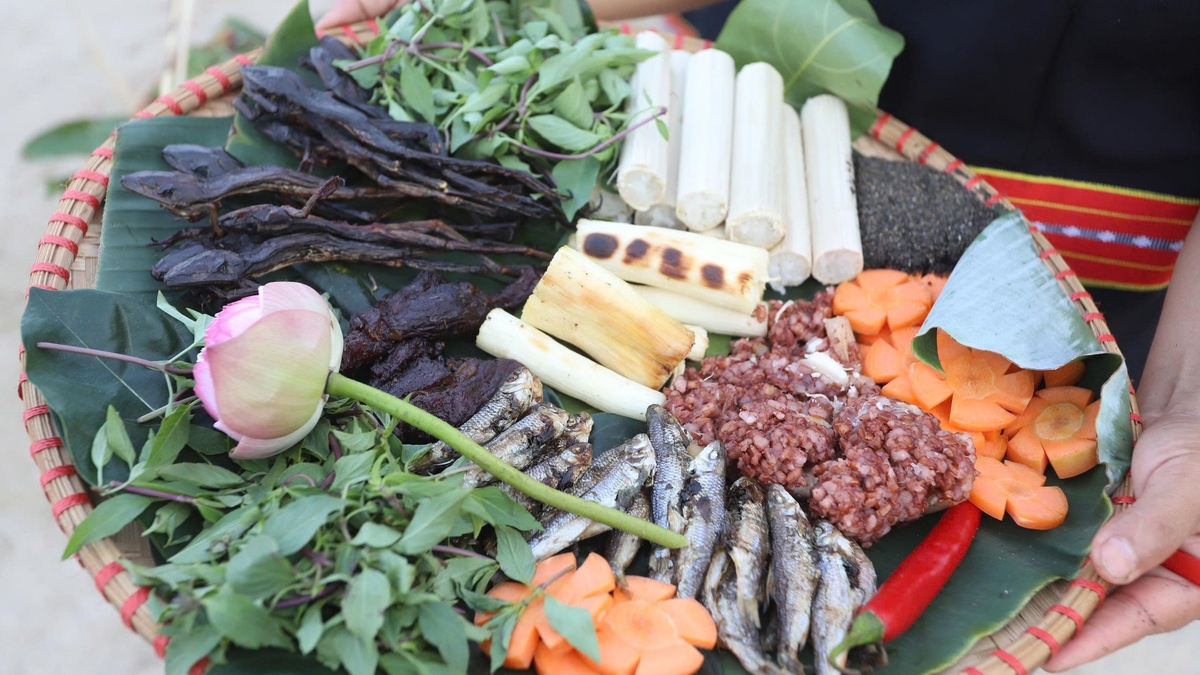
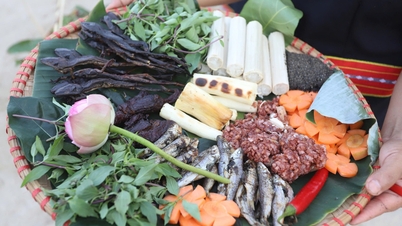
Wild fruits, prepared by soaking them in warm water until soft (called "om"), are a vivid example of exploiting natural resources, transforming what is readily available in the mountains and forests into unforgettable specialties. Sour meat, a naturally fermented dish made from pork, is not only the result of long-standing food preservation techniques but also a symbol of community cohesion, often appearing during festivals and celebrations.
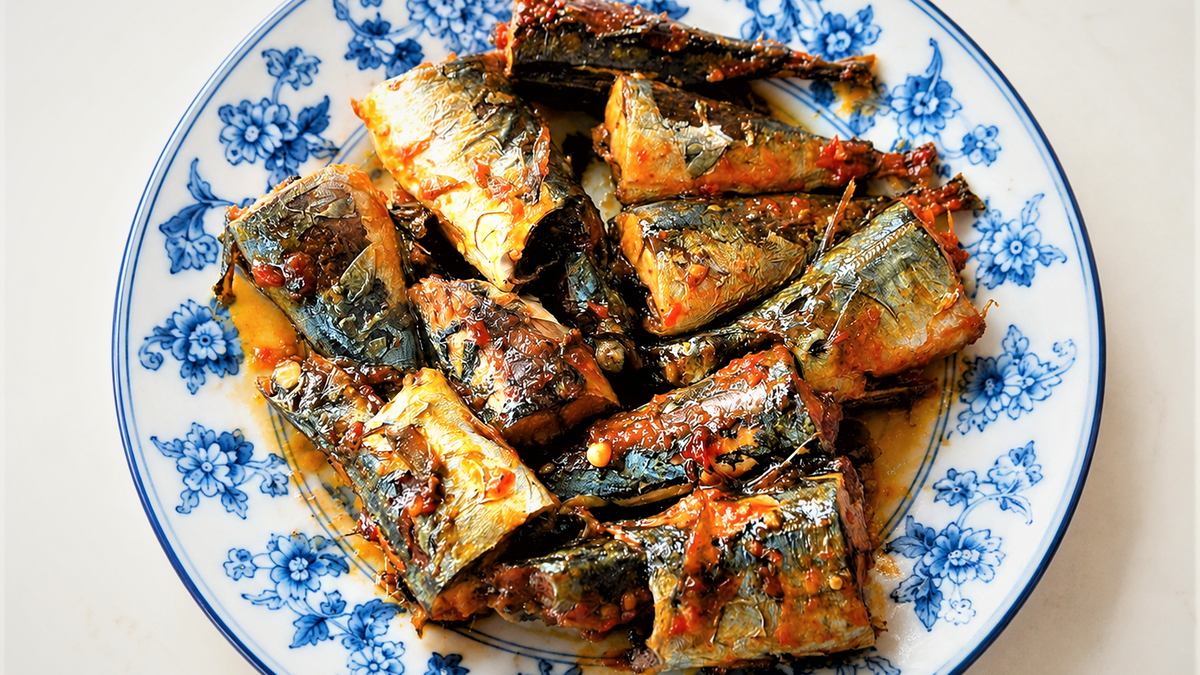
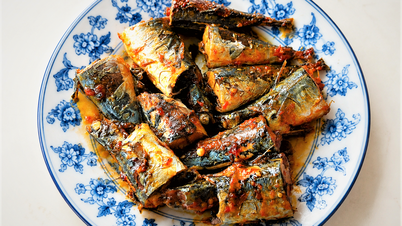
In mountainous and semi-mountainous regions, home to many ethnic minority groups, the cuisine bears the distinct mark of the mountains and forests. Dishes like glutinous rice cakes, steamed rice cakes, sticky rice cooked in bamboo tubes, grilled stream fish, stir-fried bamboo shoots, and bitter soup all reflect a lifestyle close to nature, emphasizing harmony between humans and the environment.
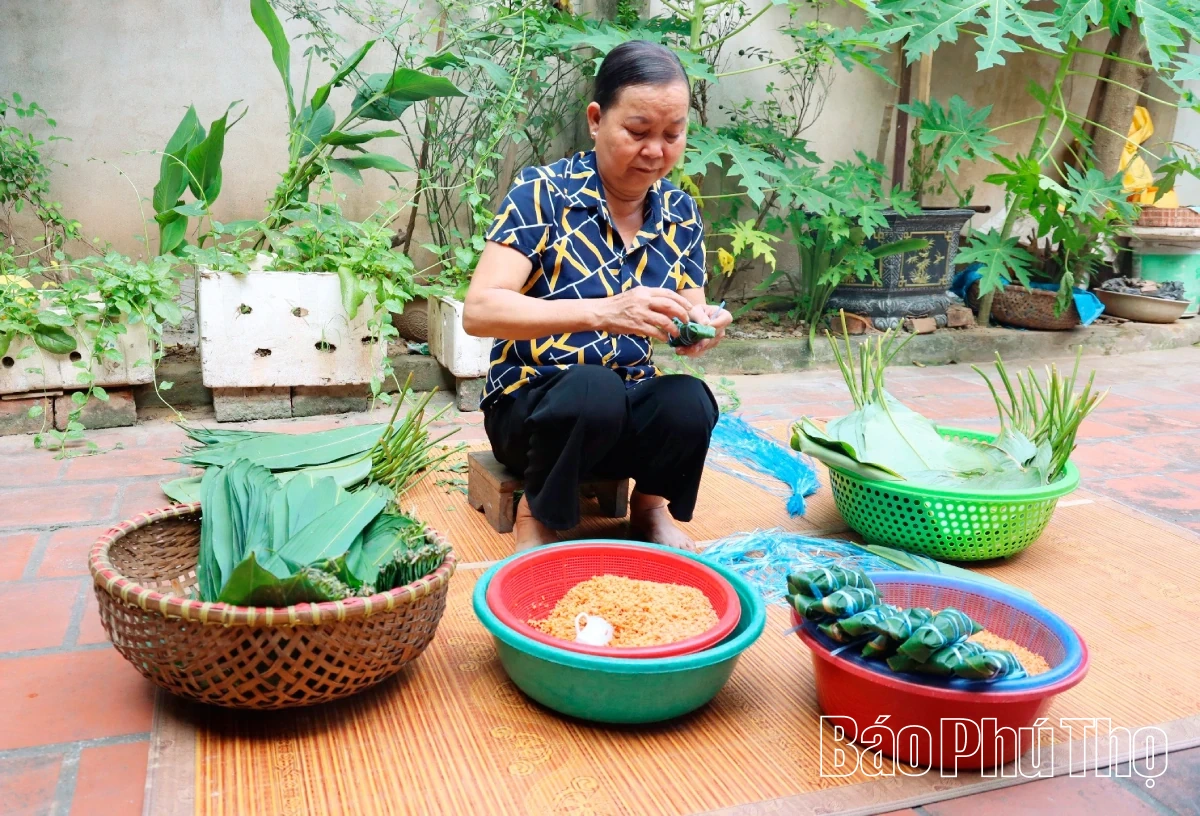
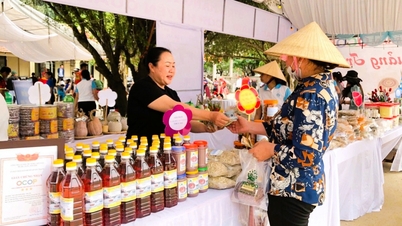
Ms. Ngo Thi Kim Thuy is one of the few people who still preserve the traditional craft of making Tay Dinh rice cakes in Binh Nguyen commune.
Ms. Ngo Thi Kim Thuy, from Cho Noi village, Binh Nguyen commune, is one of the few local people who make and sell gio cakes. Previously, gio cakes were a popular dish prepared by the people of Tay Dinh village for their daily meals. Ms. Thuy learned how to make the cakes from her mother when she was young. As she grew up, she maintained the habit of making them on holidays, Tet (Lunar New Year), or whenever she had free time.
For the past few years, seeing that many people wanted to enjoy the traditional rice cake from the old Tay Dinh village, Mrs. Thuy has been making and selling the cakes to earn extra income.
Ms. Thuy shared: Although the ingredients for making gio cake are simple, the preparation process is quite elaborate, requiring the baker to be meticulous and thorough from the preparation of ingredients, cleaning cooking utensils, mixing the rice soaking water, wrapping the cakes, and boiling them.
First, to make gio cake, you need ingredients such as the bark of various trees like the neem tree, pomelo tree, starfruit tree, sesame tree, plum tree branches, etc. Then, dry them and burn them to obtain ash. The ash is then soaked in lime water, filtered to remove sediment, and only the clear water is used to soak glutinous rice for 13-15 hours.
Many types of glutinous rice can be used to make gio cakes, but the best is still the "golden flower" glutinous rice. After soaking, the rice is rinsed, dried, and wrapped in leaves such as dong, mai, or chít. The gio cakes are about a handspan long, with a slightly curved back. After wrapping, the cakes are boiled for 6-8 hours, then removed and left to cool.
The cakes that meet the standards have a golden brown color, a chewy and firm texture, and a pleasant, refreshing aroma. They are often dipped in molasses or sugar to enhance the flavor.
What sets Tay Dinh rice cakes apart from other rice cakes on the market is that even though they are boiled for many hours, when cut with a knife, the pieces still retain the shape of rice grains instead of becoming mushy.
Besides traditional folk dishes, there are also dishes with ceremonial and spiritual significance, such as black sticky rice cakes, glutinous rice cakes, and five-colored sticky rice. These dishes are often associated with ancestral commemoration ceremonies, traditional festivals, weddings, and housewarming celebrations. Through these, cuisine becomes a bridge between the present and the past, between people and their ancestors and deities, contributing to nurturing the spiritual life of the community.
Ms. Hoang Thi Nam, 66 years old, a San Diu ethnic minority woman from Trai Moi village, Dai Dinh commune, said: “Banh chung gu (a type of glutinous rice cake) is a traditional dish of the San Diu people. Over time, this rustic dish has become a cultural identity of the locality, known and sought after by many people from all over. Thanks to this, the craft of making banh chung gu has the opportunity to develop, both preserving and promoting the good traditions of our homeland, and providing a sustainable livelihood for those who make it.”
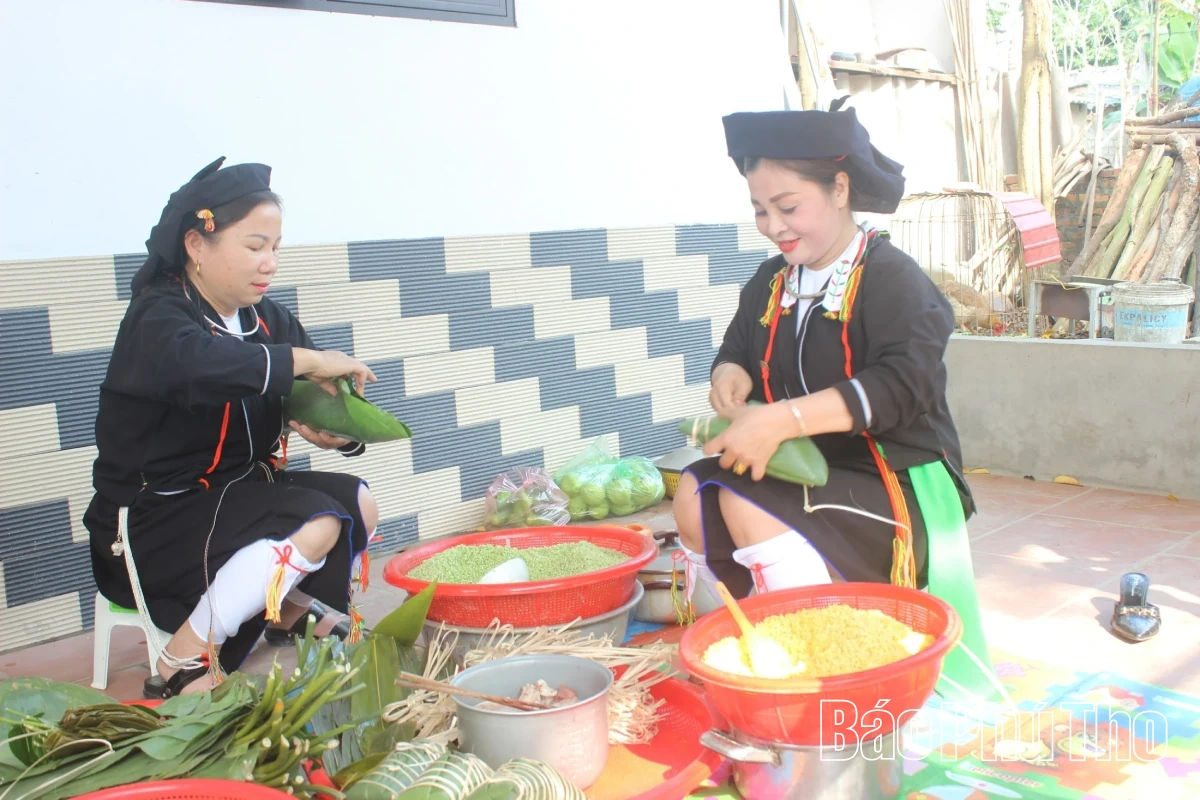
The humpback sticky rice cake has long been known as a traditional specialty of the San Diu people in the mountainous communes of the former Tam Dao district.
Phu Tho cuisine is not just about culinary enjoyment; it also holds profound cultural and social significance. First and foremost, it embodies a rich wealth of folk knowledge regarding ingredient selection, processing, food preservation, and adaptation to the province's climate and natural conditions. This knowledge contributes to the unique identity of each region and ethnic group, while simultaneously creating a diverse yet unified cultural landscape throughout the province.
Socially, food plays a crucial role in community bonding. Shared meals and festive feasts provide opportunities for people to share, pass on values, and strengthen community bonds. In the context of urbanization and modern life, traditional dishes still serve as anchors of memory, helping younger generations better understand their roots and the lifestyles of their ancestors.
In particular, cuisine is increasingly becoming an important economic resource. Many dishes and culinary products have transcended the confines of families and villages to become commodities, creating stable livelihoods for people. Traditional food processing villages and local specialty production facilities not only contribute to job creation and increased income but also promote the sustainable transformation of the rural economic structure. When linked with tourism, cuisine becomes a "cultural ambassador," attracting tourists, extending their stay, and increasing their spending.
In the ever-evolving landscape of society, cuisine is a persistent, quiet yet powerful source of inspiration. From simple, everyday dishes to established specialties, from family meals to tourist destinations, food not only nourishes people physically but also enriches their souls, preserves memories, and opens up new opportunities for development. Preserving and promoting the culinary essence of Phu Tho is therefore about preserving a part of the cultural soul, while simultaneously opening up a sustainable path for the livelihoods and future of the people in this ancestral land.
Quang Nam
Source: https://baophutho.vn/dac-sac-am-thuc-phu-tho-247282.htm
![[Photo] National Assembly Chairman Tran Thanh Man working with the Standing Committee of the National Assembly's Delegation Affairs Committee.](https://vphoto.vietnam.vn/thumb/1200x675/vietnam/resource/IMAGE/2026/05/20/1779294340023_ndo_br_1-1691-jpg.webp)
![[Image] "Journey of Hope" promotes the organ and tissue donation movement in Vietnam.](https://vphoto.vietnam.vn/thumb/1200x675/vietnam/resource/IMAGE/2026/05/20/1779294400833_1-8910-jpg.webp)
![[Photo] General Secretary and President To Lam works with the Party Committee of the Ministry of Health on the work of Vietnamese traditional medicine.](https://vphoto.vietnam.vn/thumb/1200x675/vietnam/resource/IMAGE/2026/05/20/1779294323718_a1-bnd-2978-3319-jpg.webp)





















































Comment (0)