

Awakening the land's past
In late 2023, a shipwreck, believed to be an ancient vessel, was discovered on the coast of Cam An (Hoi An Tay ward). Experts from the University of Social Sciences and Humanities, Vietnam National University Ho Chi Minh City, subsequently conducted a field survey.
Preliminary assessments from experts indicate that this ship is a rare and valuable maritime cultural heritage of Vietnam, possessing extremely important historical and scientific value, helping to shed light on the maritime and commercial history of Hoi An and Vietnam in the past. Furthermore, it is a rare "treasure"—an ancient ship that has been preserved relatively intact, not only in Vietnam but also in Southeast Asia and East Asia.
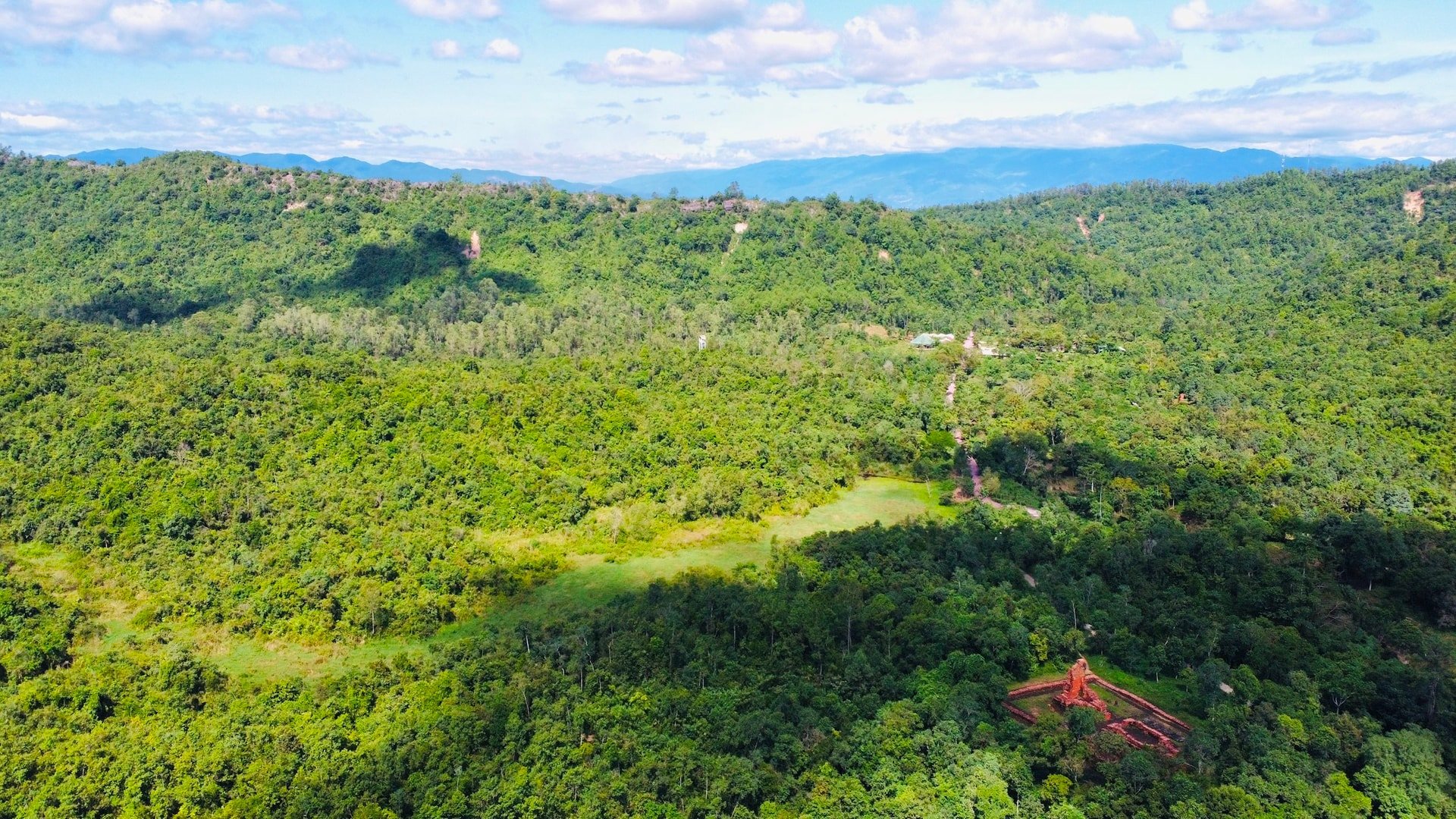
The discovery of this unique ship, along with the occasional discovery of relics and artifacts from the Sa Huynh - Lam Ap - Champa - Dai Viet periods in various localities such as My Son, the Hoi An sea area, or Cu Lao Cham, reinforces the late Professor Tran Quoc Vuong's assessment of the special ecological "axis" of Quang Nam province from Nui Chua (at the foot of the mountain is the My Son sanctuary) - Tra Kieu citadel - Hoi An trading port down to the Cu Lao Cham port.
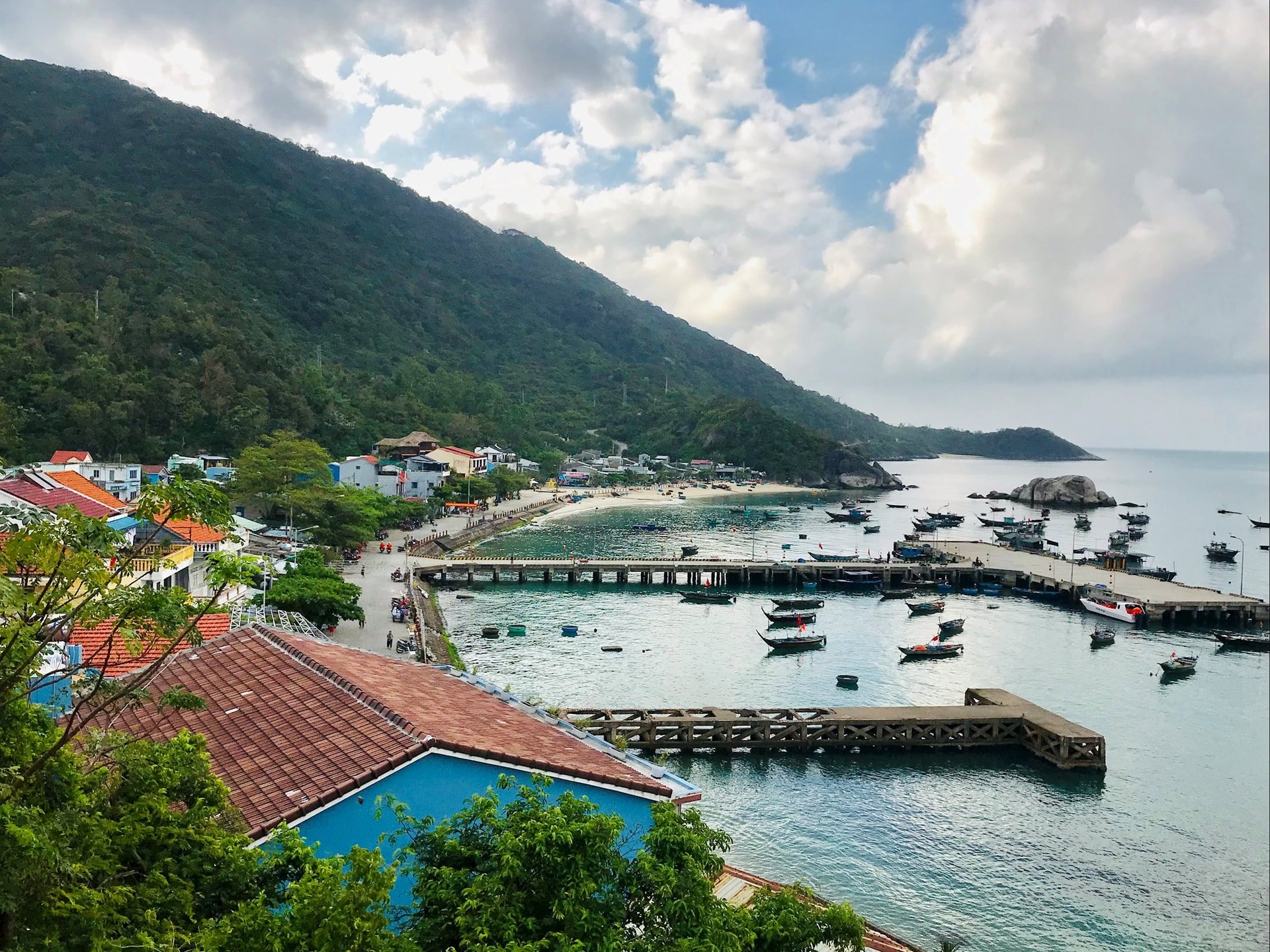
Although the unearthed artifacts and relics have been dormant for hundreds of years amidst the vicissitudes of time, they still hold many interesting aspects, drawing the attention of researchers to the openness of ancient Quang Nam province and providing further impetus for development in the new context.
For example, excavations at the Bai Lang site (Tan Hiep island commune) have yielded a rich collection of artifacts, including types discovered for the first time in Vietnam, such as Middle Eastern household items and glass jewelry. This site is also the location with the largest known collection of Middle Eastern pottery in Vietnam today.
Notably, Middle Eastern ceramics and glassware have also been found at Nam Tho Son wharf (Ngu Hanh Son ward). This distinctive feature could also be a unique detail to study and integrate into the context of Da Nang city's active efforts to promote cooperation with the Middle Eastern market.
Materials for "timeless" travel
Mr. Le Tan Thanh Tung, Deputy General Director of VITRACO Tourism, Transportation and Events Company, said: “One of the prominent tourism trends in 2025, and one that will continue for some time to come, is the trend of returning to the past. The more modern and developed a country becomes, the more tourists want to rediscover old things that have been lost over time.”
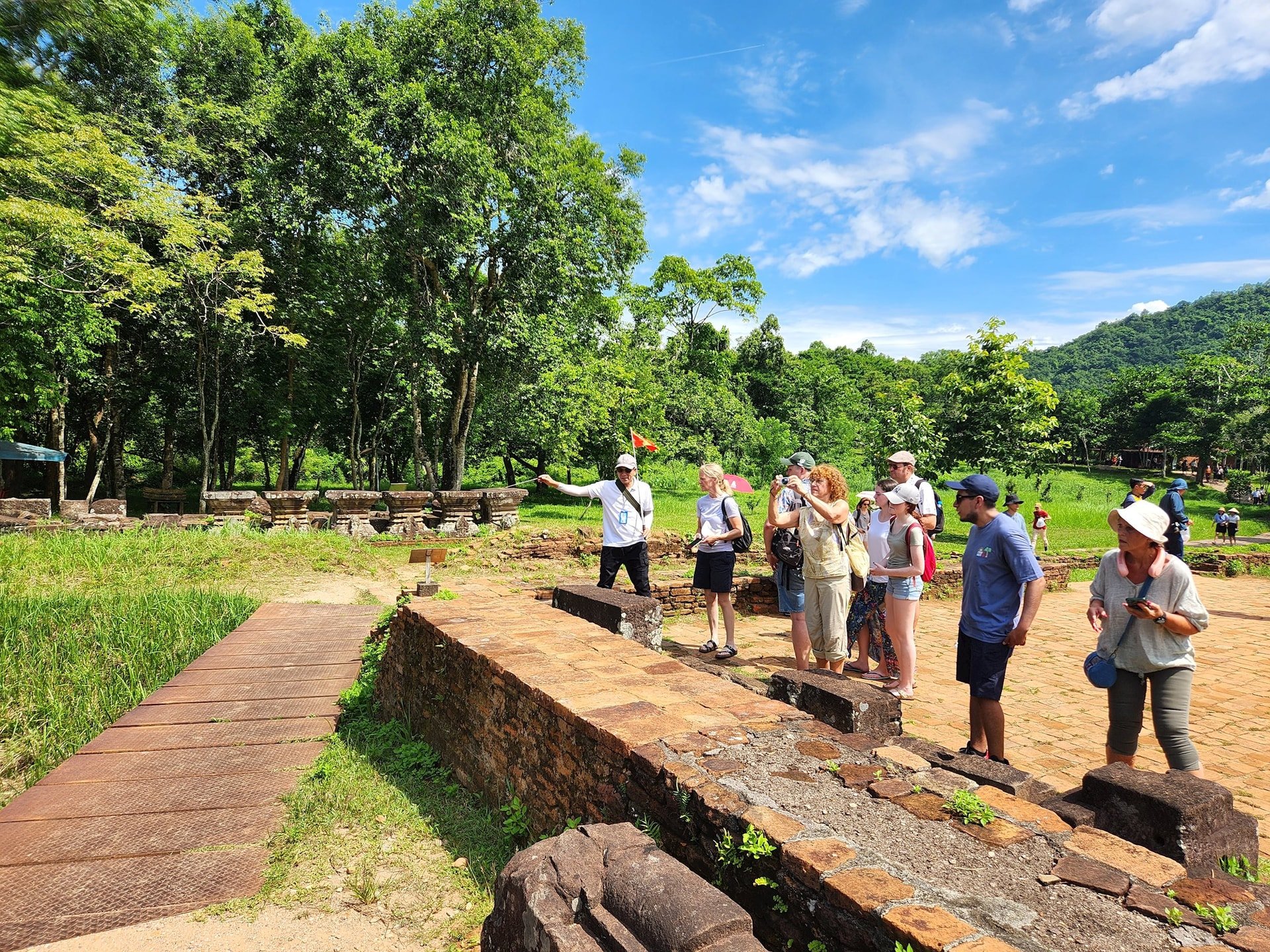
The dominant trend is that tourists prefer to explore existing or strategically placed heritage sites, allowing them to experience the remnants of past life. Meanwhile, archaeological tourism remains a relatively new area, but it holds significant potential to enrich the already culturally rich Quang Nam province.
The Travel website (Canada) once ranked Hoi An ancient town 7th in its top 10 list of the most amazing destinations possessing timeless beauty, allowing visitors to delve into the past and explore history vividly. Bringing tourists to "touch" the layers of archaeological sites to deeply appreciate the timeless beauty of this land is an exciting travel trend.
During the exhibition of national treasures within the framework of the "Quang Nam Culture, Sports and Tourism Days 2025" event held in June, ideas were proposed to bring the unearthed traditional boat from Cam An beach to the public for viewing, adding another vivid glimpse into the heritage to attract tourists.
Previously, there have been suggestions to establish a specialized exhibition hall or museum on Cu Lao Cham Island so that visitors can access archaeological artifacts discovered on the island and in the waters around Hoi An. According to history experts, an open-air museum could also be established at the Bai Lang and Bai Ong archaeological sites (both of which are classified as national historical sites) to enhance the visitor experience.
More broadly, could we create a seamless "archaeological map" from the source to the sea, allowing tourists to explore the vibrant tapestry of civilizations that once existed and intertwined in Quang Nam province? There, alongside the combined experiential services offered, perhaps tourists themselves could discover the story of their own homeland and country during their adventurous journey...
Source: https://baodanang.vn/danh-thuc-du-lich-khao-co-3301257.html


![[Photo] General Secretary To Lam working with Ambassadors and Heads of Vietnamese representative offices abroad attending the 14th National Congress of the Party](/_next/image?url=https%3A%2F%2Fvphoto.vietnam.vn%2Fthumb%2F1200x675%2Fvietnam%2Fresource%2FIMAGE%2F2026%2F01%2F25%2F1769334314499_image.jpeg&w=3840&q=75)


Comment (0)