

.jpg)
The appeal of craft village tourism
Quiet and uncrowded, the craft village experience tours in Hai Phong offer visitors a slow-paced and authentic experience. Here, visitors can witness firsthand the crafting processes, chat directly with artisans, and listen to stories about traditional crafts intertwined with village life for generations.
“What we remember most isn't the products we bought, but the stories of the artisans and the peaceful atmosphere of the village. I used to think Hai Phong was only famous for its beaches and cuisine . When I participated in the craft village tour, I saw a very different Hai Phong – profound, intimate, and rich in identity. Trying my hand at making handicrafts was a very memorable experience because it allowed me to learn more about the local traditional culture,” said Ms. Tran Thi Bich Hai, a tourist from Hanoi, after her experience at a craft village on the outskirts of Hai Phong.
Ms. Hai's feelings, shared by many tourists visiting Hai Phong, partly reflect the growing appeal of craft village tourism in the port city.

It is this originality and simplicity that creates the unique appeal of craft village tourism, especially in the context where tourists increasingly prioritize green tourism, experiential tourism, and community tourism.
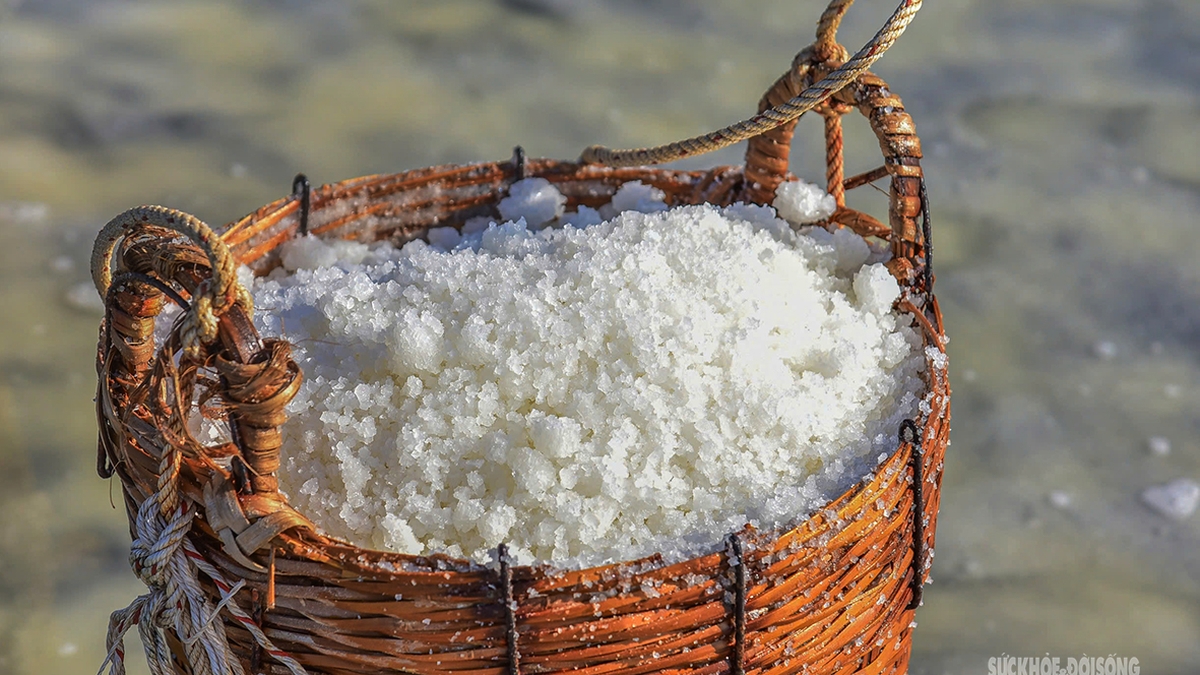
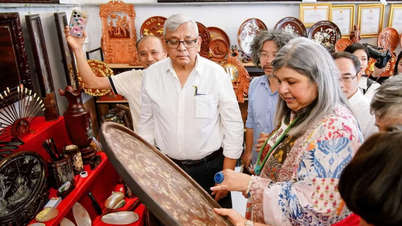
According to Mr. Tran Tien Truong, a representative of a travel company operating domestic tours in Hai Phong, craft village tourism is considered the "missing piece" to complete the city's tourism product chain. Hai Phong has beaches, islands, famous historical sites and scenic spots, and a dynamic urban area. By adding craft villages, rural tourism, and cultural experiences, tourism products will become more diverse and in-depth. Some craft villages that attract the attention of tourists visiting Hai Phong include Chu Dau pottery, Duong Dong pottery, Cat Hai fish sauce, Lat Duong sedge mats, Kien Bai incense village, and Ninh Giang sticky rice cakes...
In fact, many tourism businesses have started developing short day or half-day tours connecting the city center with suburban craft villages, combining sightseeing, experiences, and culinary delights. The cost of these tours is reasonable, ranging from 500,000 to over 1 million VND, including transportation and food expenses.
Tourists can participate firsthand in the production process, engaging in various stages of craft village production. Although the number of tours is still limited, positive feedback from tourists indicates significant potential for development. With proper investment in infrastructure, experiential spaces, and support services, craft village tourism could become a regular product in tour programs, contributing to longer stays and increased spending by tourists.
Developing traditional craft villages in conjunction with tourism.
Hai Phong currently has many traditional craft villages that have long been closely associated with the lives of rural and suburban residents. These handicrafts not only create jobs and income for the people but also preserve the unique cultural values of this coastal region.
In recent years, the city has focused on developing traditional craft villages in conjunction with tourism and building new rural areas. Rural transportation infrastructure has been gradually improved, and many craft villages have received support in developing OCOP products, registering trademarks, and enhancing product value.
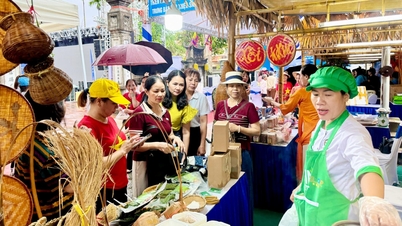
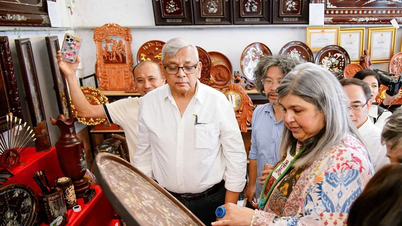
More importantly, there has been a clear shift in development thinking: from purely production to a combination of production and tourism services. Some craft villages have begun to create experiential spaces, welcoming visitors, showcasing production processes, and selling products on-site.
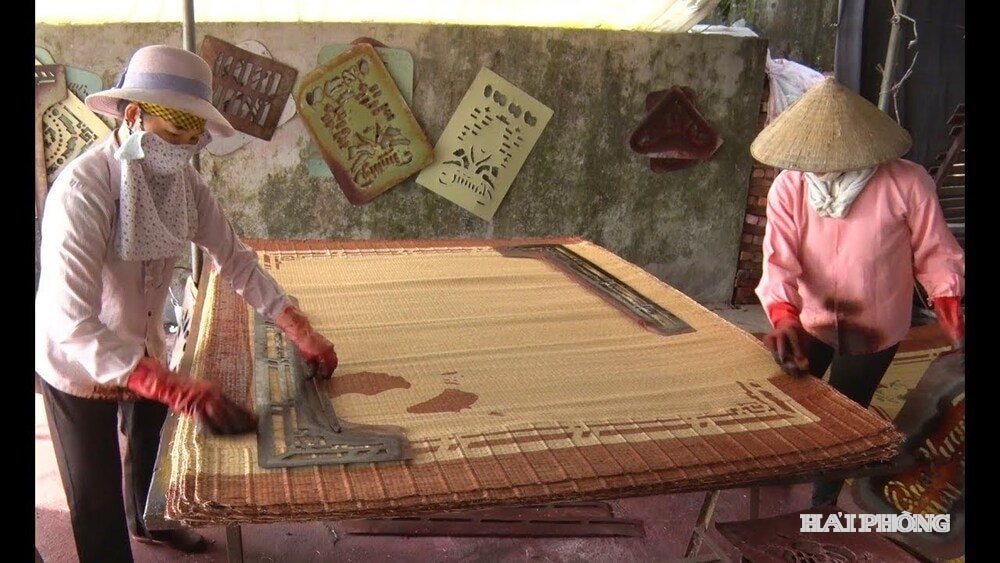
According to Mr. Nguyen An Hung, Chairman of the Hai Phong City Handicraft Village Association, in the context of integration and digital transformation, handicraft villages are forced to change in order to survive and develop. Preserving the craft depends not only on traditional techniques but also on the ability to adapt to the market and the new demands of tourists.
The association has determined that in the coming period, it is necessary to focus on coordinating with relevant departments and agencies, and production and business households to innovate product designs, improve quality, build brands, and strengthen connections with the tourism industry. The association emphasizes training human resources, attracting young people to participate in the craft and tourism, and gradually forming a generation of local artisans and tour guides.
Developing tourism in craft villages is a long-term approach that requires close coordination among various sectors, levels of government, and local communities. The city continues to review and plan for craft villages with tourism potential, prioritizing investment in infrastructure and supporting tourism skills training for residents. The overarching principle is to put the people at the center. Residents are both the custodians of the craft and the direct beneficiaries of tourism. When people see the economic value linked to cultural preservation, craft villages will have sustainable vitality.
Traditional craft village tourism not only contributes to diversifying Hai Phong's tourism products but also opens up avenues for rural economic development and the preservation of cultural identity amidst urbanization.
Based on the real-life experiences of tourists, the involvement of businesses, associations, and the government, a new vitality is emerging in Hai Phong's craft villages. With proper investment, craft village tourism will become a unique highlight, contributing to affirming the port city's position on the Vietnamese tourism map – not only dynamic and modern, but also rich in cultural depth.
THU HANGSource: https://baohaiphong.vn/danh-thuc-du-lich-lang-nghe-hai-phong-530416.html



![[Photo] General Secretary and President To Lam presides over a meeting on preparations for the review of one year of operation of the three-tiered government system.](https://vphoto.vietnam.vn/thumb/1200x675/vietnam/resource/IMAGE/2026/06/02/1780391821195_a1-bnd-4595-9717-jpg.webp)









































































Comment (0)