

Walking at any time of day is beneficial for overall health and reduces the risk of chronic diseases, including cardiovascular disease, type 2 diabetes, and cognitive decline. However, depending on individual health and fitness goals, choosing the right time to walk can be most effective.
1. Benefits of morning walks
- 1. Benefits of morning walks
- 2. Benefits of walking at midday or in the afternoon
- 3. The benefits of walking in the evening
Weight control and fat burning: Regular morning exercise, before eating or drinking anything, will encourage your body to burn fat much more effectively than later in the day, when you've already eaten multiple meals.
Boosting blood flow to the brain: Morning walks can also help counteract the harmful effects of prolonged sitting on blood flow to the brain in overweight or obese older adults.
Improved alertness and energy levels: Walking in the early morning increases cortisol levels, which play a crucial role in alertness.
Improved sleep: Exposure to morning light can also regulate the release of melatonin, a hormone that affects sleep, helping the body rest better at the end of the day.
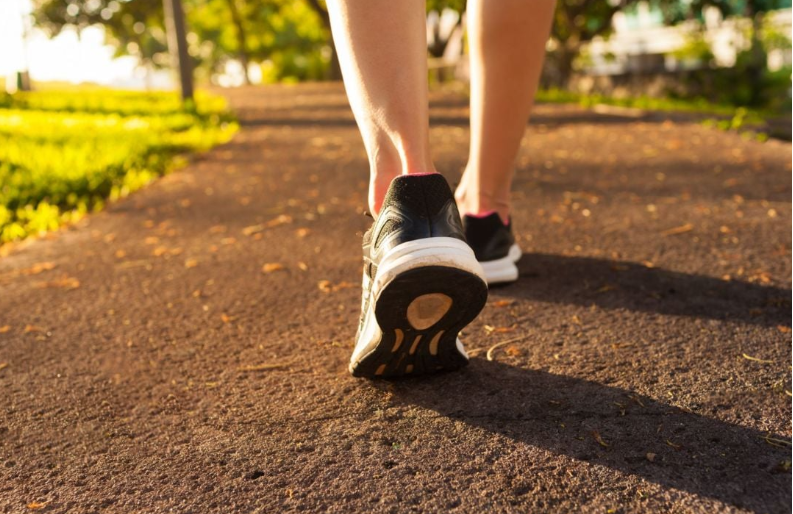
Morning walks help control weight and improve alertness.
2. Benefits of walking at midday or in the afternoon
Walking after lunch or in the afternoon has the following benefits:
Reduce sitting time: Walking at this time helps reduce prolonged sitting time, which can be good for exercise as well as cardiovascular health.
Helps balance blood sugar levels: Walking after meals can also help balance blood sugar levels. One study showed that getting up and walking immediately after or shortly after a meal had a positive impact on blood glucose levels, potentially preventing both mild inflammation and cardiovascular disease.
Improved mood: Mood can also be improved while walking at midday or in the afternoon, especially if you do it in green spaces or around nature. One study looked at walking in green spaces during the day and found that people experienced lower scores on stress, anxiety, anger, hostility, fatigue, and depression.
3. The benefits of walking in the evening
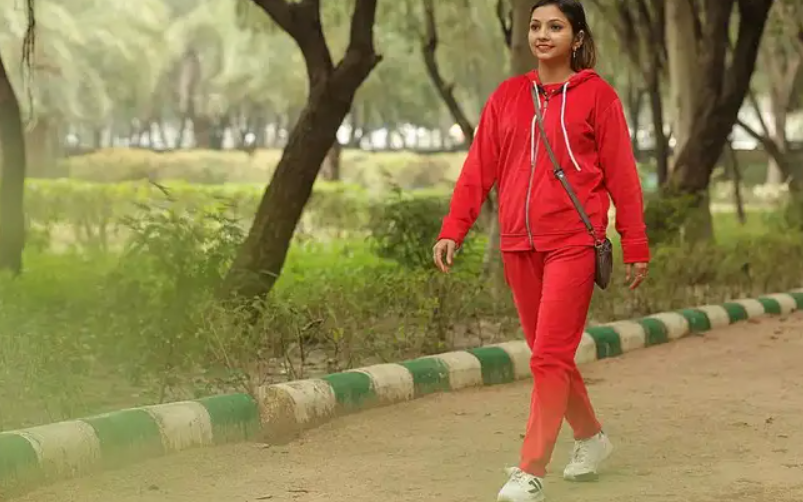
Reduce stress at the end of the day: Evening walks can help alleviate feelings of stress and anxiety, promoting a sense of relaxation, as exercise has been shown to reduce stress. These results aren't unique to evening walks, but people are generally more stressed at the end of the day than at the beginning.
Improving the mood of city dwellers: People living in urban areas should enjoy evening walks to improve their mood.
Other potential benefits of walking in the evening include:
- Reduce anxiety and depression.
- Lower blood pressure.
- It improves blood sugar regulation if done after dinner.
- Improves lipid and inflammation levels.
While choosing the right time to walk can help individuals build a consistent habit, walking at any time of day increases overall physical activity, which can lead to numerous health benefits, including: improved cardiovascular health, reduced risk or severity of chronic diseases, improved mental health, improved sleep quality, improved immune function, slowed aging and prevention of age-related diseases, and improved cognitive function...
Source: https://suckhoedoisong.vn/di-bo-vao-thoi-diem-nao-trong-ngay-mang-lai-loi-ich-suc-khoe-toi-uu-169251211104306431.htm
![[Photo] Prime Minister Pham Minh Chinh receives the Governor of Tochigi Province (Japan)](/_next/image?url=https%3A%2F%2Fvphoto.vietnam.vn%2Fthumb%2F1200x675%2Fvietnam%2Fresource%2FIMAGE%2F2025%2F12%2F16%2F1765892133176_dsc-8082-6425-jpg.webp&w=3840&q=75)
![[Photo] Prime Minister Pham Minh Chinh receives Lao Minister of Education and Sports Thongsalith Mangnormek](/_next/image?url=https%3A%2F%2Fvphoto.vietnam.vn%2Fthumb%2F1200x675%2Fvietnam%2Fresource%2FIMAGE%2F2025%2F12%2F16%2F1765876834721_dsc-7519-jpg.webp&w=3840&q=75)
![[Image] The tenacious fighting spirit of Vietnamese women's football](/_next/image?url=https%3A%2F%2Fvphoto.vietnam.vn%2Fthumb%2F1200x675%2Fvietnam%2Fresource%2FIMAGE%2F2025%2F12%2F17%2F1765990260956_ndo_br_4224760955870434771-copy-jpg.webp&w=3840&q=75)

![[Live] 2025 Community Action Awards Gala](/_next/image?url=https%3A%2F%2Fvphoto.vietnam.vn%2Fthumb%2F1200x675%2Fvietnam%2Fresource%2FIMAGE%2F2025%2F12%2F16%2F1765899631650_ndo_tr_z7334013144784-9f9fe10a6d63584c85aff40f2957c250-jpg.webp&w=3840&q=75)
![[Image] Leaked images ahead of the 2025 Community Action Awards gala.](/_next/image?url=https%3A%2F%2Fvphoto.vietnam.vn%2Fthumb%2F1200x675%2Fvietnam%2Fresource%2FIMAGE%2F2025%2F12%2F16%2F1765882828720_ndo_br_thiet-ke-chua-co-ten-45-png.webp&w=3840&q=75)



























































![[Live] Closing Ceremony and Award Presentation for the "Impressive Vietnam Tourism" Video/Clip Creation Contest 2025](https://vphoto.vietnam.vn/thumb/402x226/vietnam/resource/IMAGE/2025/12/17/1765974650260_z7273498850699-00d2fd6b0972cb39494cfa2559bf85ac-1765959338756946072104-627-0-1338-1138-crop-1765959347256801551121.jpeg)























Comment (0)