

- Why does cold weather increase the risk of stroke?
- Warning signs of stroke are easily overlooked on cold days.
- Reason
- Those who are at risk of stroke in cold weather.
- What is the "golden time" for stroke emergency treatment?
Many initial symptoms are very subtle, especially in young people and office workers. Early recognition and timely treatment are crucial.
Why does cold weather increase the risk of stroke?
Lower temperatures cause blood vessels to constrict, blood pressure to rise, and the heart to work harder. This is especially dangerous for people with underlying cardiovascular conditions, high blood pressure, or even young people who are frequently stressed, stay up late, or abuse stimulants.
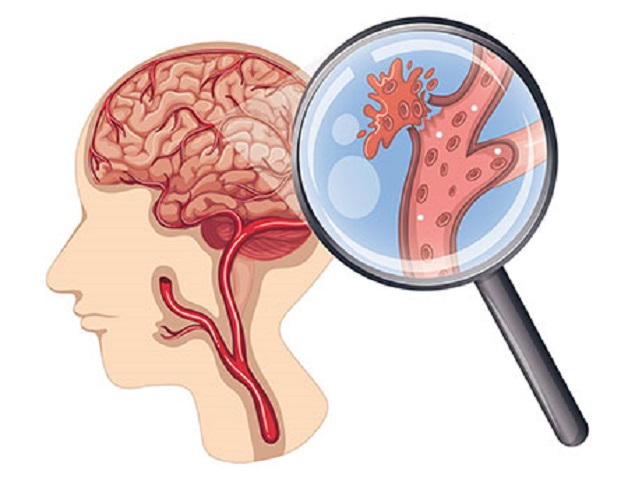
When the weather starts to turn cold, the number of stroke cases tends to increase.
Warning signs of stroke are easily overlooked on cold days.
Many people confuse stroke symptoms with fatigue caused by weather changes, leading them to miss the "golden hour."
Common symptoms include:
- Crooked mouth, crooked smile.
- One side of the face suddenly drooped and stopped moving normally.
- Weakness or numbness in one arm/leg.
- Feeling weak, numb, dropping objects, staggering while walking.
- Sudden difficulty speaking, slurred speech. Inability to speak clearly and distinctly, difficulty expressing ideas even when fully conscious.
- Unusually severe headaches.
- Dizziness, loss of balance.
- Difficulty walking, dizziness, a feeling of spinning.
- Visual disturbances. Double vision, blurred vision, or temporary loss of vision in one eye.
Reason
Although strokes are often associated with age, there is an increasing number of cases occurring in people aged 20–40. Common causes include:
- Sitting for long periods, lack of exercise.
- Staying up late for extended periods.
- Prolonged stress.
- Abuse of alcohol and tobacco.
- A diet high in salt and processed foods.
- Ignoring mild symptoms because of the thought, "I'm young, it's nothing."
This complacency often leads to delayed hospitalization for young people, reducing their chances of recovery.
Those who are at risk of stroke in cold weather.
According to medical recommendations, high-risk groups include:
- People with high blood pressure.
- Blood pressure rises sharply in cold weather.
- People with cardiovascular disease: Heart failure, arrhythmias, atherosclerosis, etc.
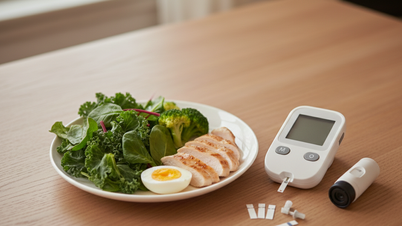
- People with diabetes. Unstable blood sugar levels damage blood vessels.
- Obese people who are sedentary.
- People who smoke cigarettes and drink alcohol regularly.
- People who work under stress and stay up late. This group includes both office workers and young people.
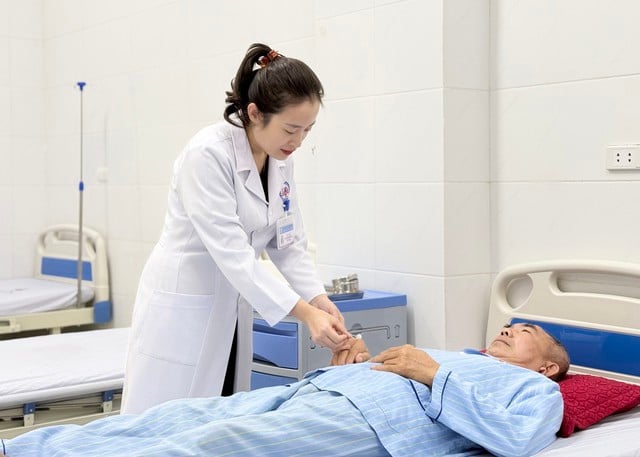
The first 4-5 hours after the onset of stroke symptoms are the "golden time" for treating ischemic stroke.
What is the "golden time" for stroke emergency treatment?
Experts call the first 4.5 hours after the onset of symptoms the "golden time" for treating ischemic stroke.
During this time, the patient may be considered for intensive treatment as directed by medical guidelines to reduce the extent of brain damage.
Quick tips for remembering what to do when encountering someone suspected of having a stroke – The FAST rule
- F (Face): Does it require a smile – with a crooked mouth?
- A (Arms): Raise both hands – one hand drops down?
- S (Speech): Say simple sentences – do you have a speech impediment?
- T (Time): Call for medical emergency assistance immediately.
Never drive a patient yourself, and do not allow the patient to walk around on their own.
Stroke can happen to anyone, including young people and office workers. Cold weather significantly increases the risk. Early recognition of warning signs and timely medical attention can save lives and reduce severe long-term consequences.
Watch more trending videos
Source: https://suckhoedoisong.vn/cac-dau-hieu-dot-quy-de-bi-bo-qua-khi-troi-lanh-169251212223612834.htm

![[Photo] Prime Minister Pham Minh Chinh receives the Governor of Tochigi Province (Japan)](/_next/image?url=https%3A%2F%2Fvphoto.vietnam.vn%2Fthumb%2F1200x675%2Fvietnam%2Fresource%2FIMAGE%2F2025%2F12%2F16%2F1765892133176_dsc-8082-6425-jpg.webp&w=3840&q=75)
![[Live] 2025 Community Action Awards Gala](/_next/image?url=https%3A%2F%2Fvphoto.vietnam.vn%2Fthumb%2F1200x675%2Fvietnam%2Fresource%2FIMAGE%2F2025%2F12%2F16%2F1765899631650_ndo_tr_z7334013144784-9f9fe10a6d63584c85aff40f2957c250-jpg.webp&w=3840&q=75)
![[Image] Leaked images ahead of the 2025 Community Action Awards gala.](/_next/image?url=https%3A%2F%2Fvphoto.vietnam.vn%2Fthumb%2F1200x675%2Fvietnam%2Fresource%2FIMAGE%2F2025%2F12%2F16%2F1765882828720_ndo_br_thiet-ke-chua-co-ten-45-png.webp&w=3840&q=75)
![[Photo] Prime Minister Pham Minh Chinh receives Lao Minister of Education and Sports Thongsalith Mangnormek](/_next/image?url=https%3A%2F%2Fvphoto.vietnam.vn%2Fthumb%2F1200x675%2Fvietnam%2Fresource%2FIMAGE%2F2025%2F12%2F16%2F1765876834721_dsc-7519-jpg.webp&w=3840&q=75)





















































Comment (0)