

In late 1946, when the French returned to invade our country, they transformed Hai Van Pass into a stronghold with many sturdy fortifications guarding the treacherous mountain pass. After 1954, the system of houses, outposts, fortifications, etc., continued to be used by the US military and the Saigon government...
Time and war have caused this structure to deteriorate over time. On April 14, 2017, the Ministry of Culture, Sports and Tourism classified Hai Van Pass as a National Monument . On December 19, 2021, the project "Conservation, restoration, and promotion of the value of Hai Van Pass" was launched by the Da Nang City and Thua Thien Hue province authorities. After nearly three years, with the efforts of the relevant agencies, the project was completed and opened to visitors on August 1, 2024.
Hai Van Pass is not only one of the most magnificent scenic spots in Vietnam – "the most majestic pass in the world" – but also a place that has witnessed countless heroic achievements in the nation-building and national defense efforts of the Vietnamese people over the centuries, especially during the two wars of resistance against France and the United States.
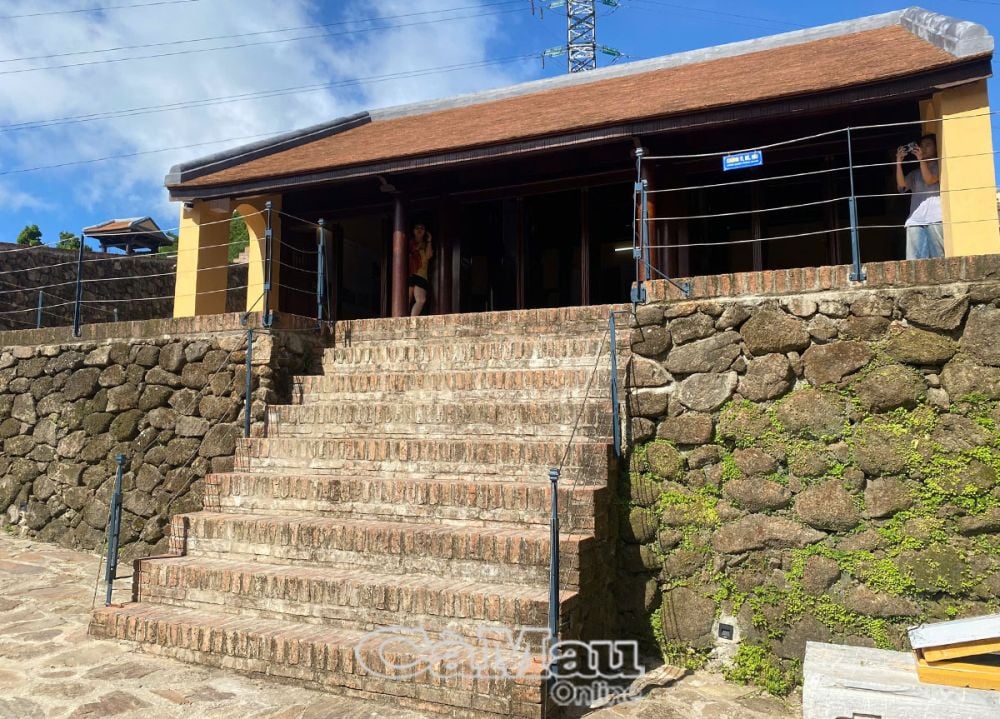
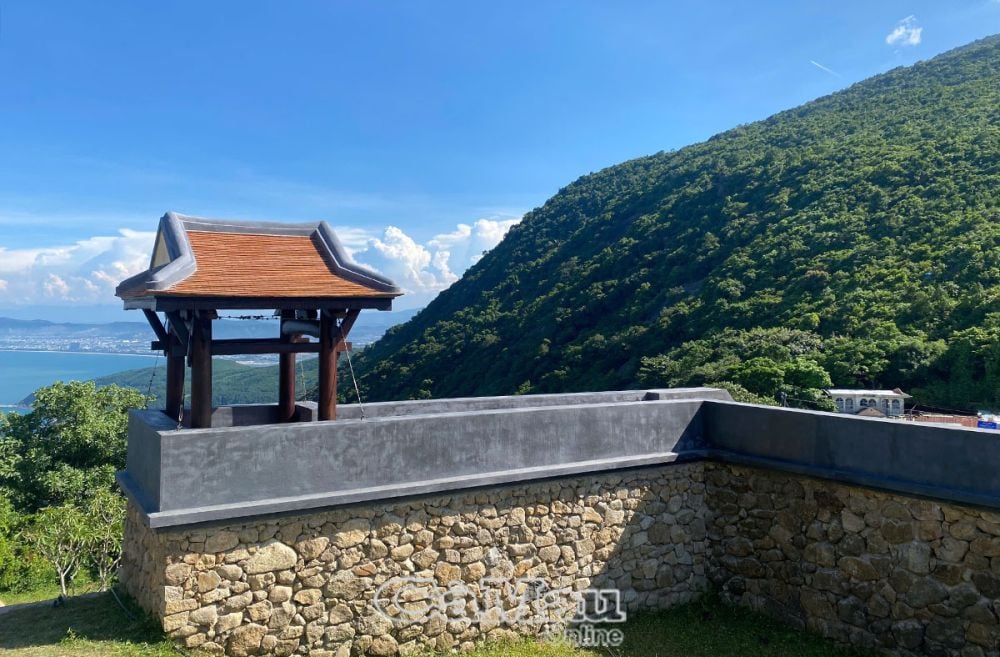 These are the old barracks and guard quarters of the former commanders at Hai Van Pass.
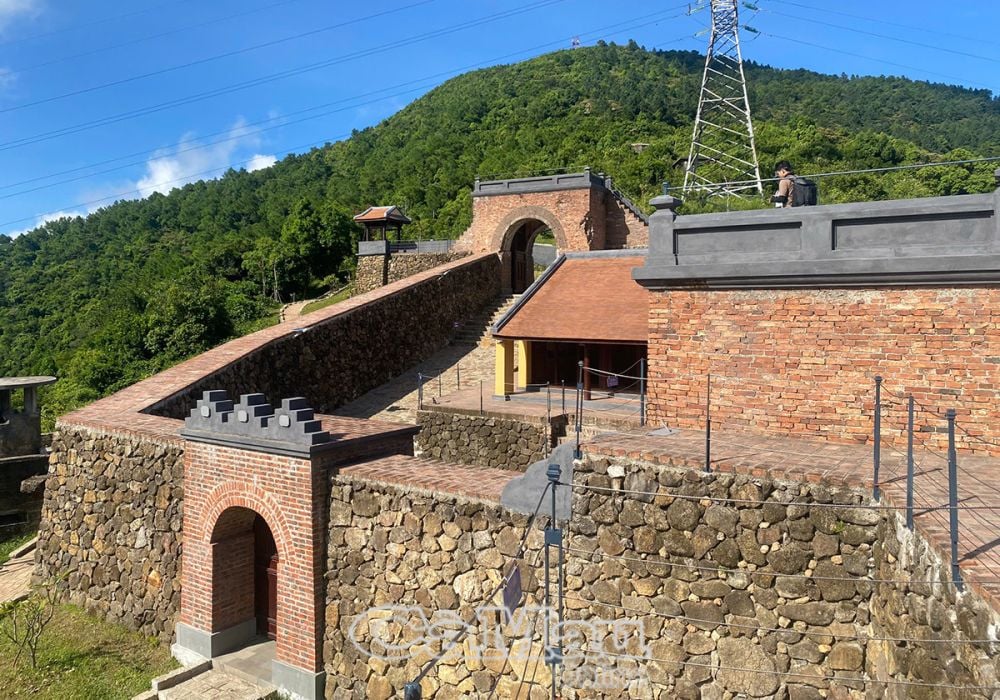 A series of ramparts at Hai Van Pass.
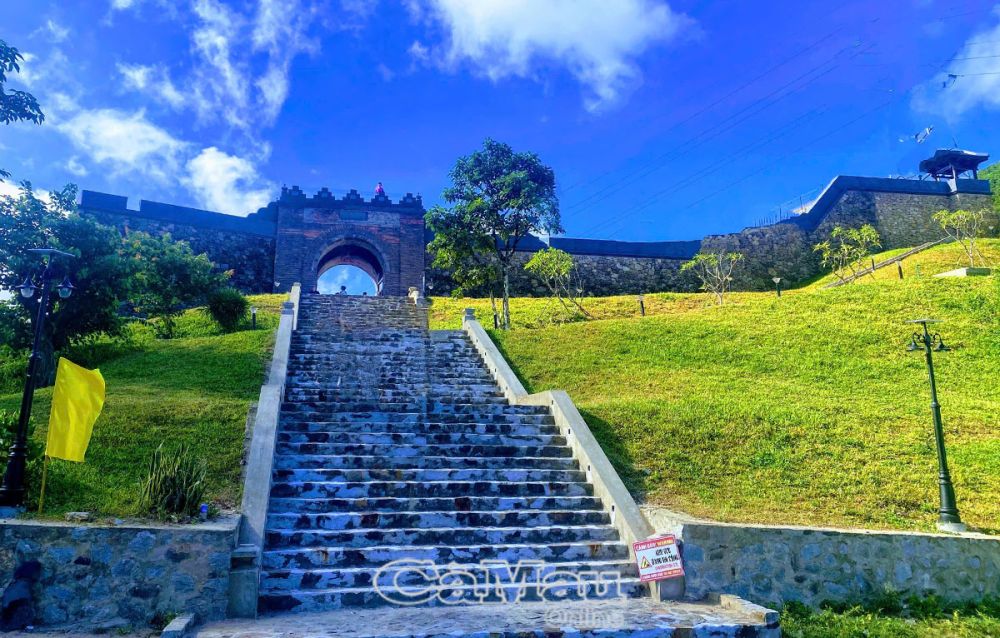 Hai Van Pass as seen from National Highway 1.
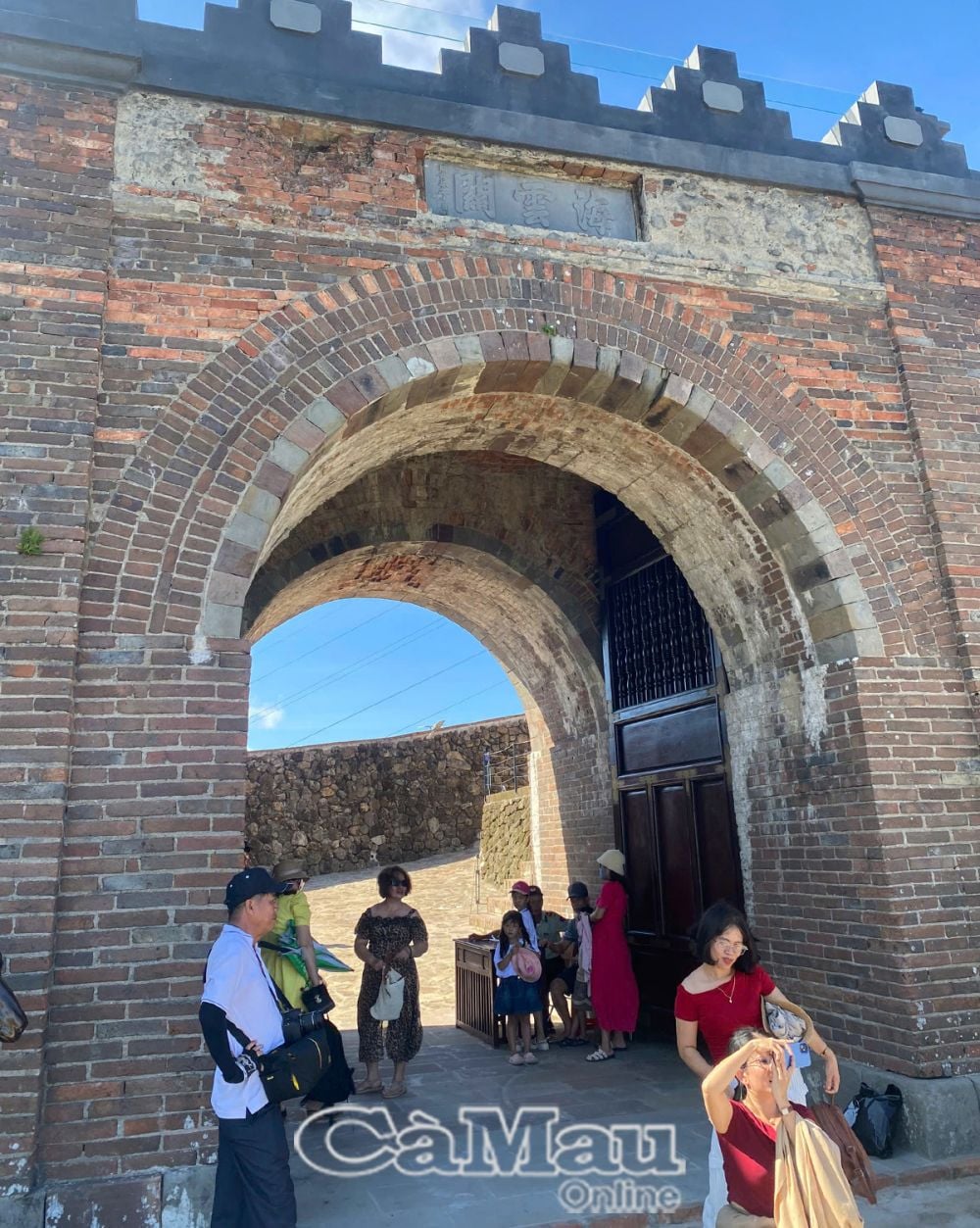 Hai Van Pass archway.
 The central administrative building of Hai Van Pass.
Performed by Dao Minh Tuan
Source: https://baocamau.vn/hai-van-quan-thien-ha-de-nhat-hung-quan--a34308.html
![[Image] Hanoi Police officially crowned champions of V-League 2025/2026](https://vphoto.vietnam.vn/thumb/1200x675/vietnam/resource/IMAGE/2026/05/31/1780244769054_ndo_br_039d561b692be875b13a-jpg.webp)
![[Photo] The General Secretary, President and his wife begin their state visit to the Philippines.](https://vphoto.vietnam.vn/thumb/1200x675/vietnam/resource/IMAGE/2026/05/31/1780230559452_anh-man-hinh-2026-05-31-luc-19-28-11.png)

![[Photo] Admire the coral "masterpiece" amidst the million-year-old heritage of Dak Lak province.](https://vphoto.vietnam.vn/thumb/1200x675/vietnam/resource/IMAGE/2026/05/31/1780221235105_anh-man-hinh-2026-05-31-luc-16-53-27.png)
![[Photo] Solemn bathing ceremony and Buddha procession in Hue](https://vphoto.vietnam.vn/thumb/1200x675/vietnam/resource/IMAGE/2026/05/31/1780228263543_1-jpg.webp)













![[Video] Sunset at Lap An Lagoon – Where the sun sets over the fishing nets](https://vphoto.vietnam.vn/thumb/340x192/vietnam/resource/IMAGE/2026/05/31/1780192137701_beach-landscape-sea-water-nature-grass-745871-pxhere-com.jpeg)


































![[Photo] Admire the coral "masterpiece" amidst the million-year-old heritage of Dak Lak province.](https://vphoto.vietnam.vn/thumb/402x226/vietnam/resource/IMAGE/2026/05/31/1780221235105_anh-man-hinh-2026-05-31-luc-16-53-27.png)





























Comment (0)