A sacred land – the birthplace of our nation.
Phu Tho province is a sacred land in the hearts of the Vietnamese people. It is no coincidence that this place was chosen as the founding site of the nation by the Hung Kings thousands of years ago. The name "Ancestral Land" is not only a cultural symbol but also a distinctive political and social identity, representing the origins and spirit of national unity. The Hung Kings' Commemoration Day, held annually at the Hung Temple historical site, has transcended the boundaries of a mere festival to become a major national celebration. From Phu Tho, traditional cultural values have spread widely, becoming a spiritual anchor for generations of Vietnamese people in their journey of building the nation.
Today, with the merger of Hoa Binh and Vinh Phuc provinces, the origins of the nation have been expanded both spatially and inwardly. Not only is Phu Tho the birthplace of the Van Lang state, but it also connects three major cultural spaces: the Northern Midlands, the Northwest region, and the Red River Delta. This historical convergence not only creates a new administrative unit but also shapes a cultural and social entity with depth, identity, and long-term development potential.
Strategic location – a transit point in the Northern Vietnam economic zone.
One of the outstanding advantages of the new Phu Tho province is its geographical location. Situated in the heart of the northern midland and mountainous region, bordering Hanoi and many other developed provinces such as Tuyen Quang, Lao Cai, Son La, Ninh Binh, and Thai Nguyen, the new Phu Tho is considered a strategic link connecting the Northwest region with the Northern Delta. It is a crossroads of major economic and transportation development corridors such as the Hanoi-Lao Cai-Kunming corridor, the National Highway 6 corridor connecting Hanoi with the Northwest, as well as the Red River corridor from upstream to downstream.
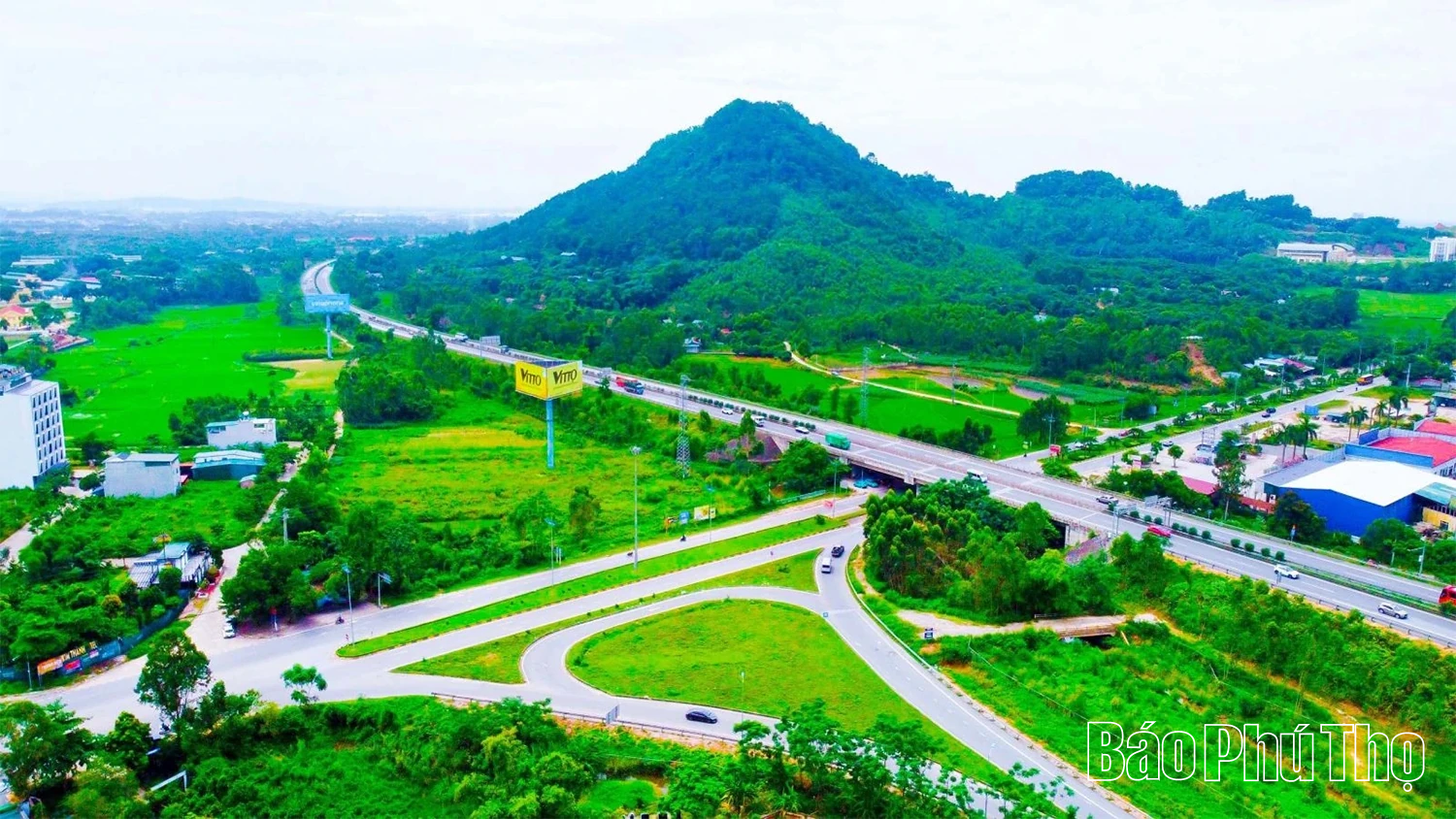
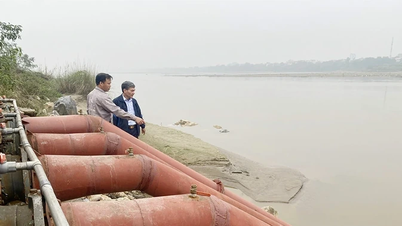
Synchronized transportation infrastructure, connecting along the Red River corridor from upstream to downstream, is a significant advantage for the province in socio-economic development.
This strategic location makes Phu Tho a major hub for goods transit, trade, and services in the region, a gateway to a large market of nearly 30 million people in the surrounding area, and a promising investment destination for the future. Planning experts highly appreciate the province's potential as a logistics center, a satellite urban development zone, and a strategic industrial support zone for major industrial centers in the North.
Multimodal transport infrastructure – a driving force for development.
With its well-invested transportation infrastructure, Phu Tho now possesses some of the strongest connectivity routes in the region. The Noi Bai – Lao Cai expressway runs along the province from southeast to northwest, directly connecting to Hanoi and the Lao Cai border region, serving as the backbone of economic development and logistics services.
The national highway system, including National Highways 2, 6, 32, 70, 21, and 32C, forms a comprehensive network, effectively connecting district and town centers within the province with surrounding areas. The Hanoi-Lao Cai railway line, running through Viet Tri, Phu Tho, and Ha Hoa, facilitates the convenient transportation of goods and passengers. Inland waterways on major rivers such as the Red River, Lo River, Da River, and Bua River play a significant role in the movement of goods and the development of river tourism.
Furthermore, with a distance of only about 60km to Noi Bai Airport, combined with fast connecting routes to the capital, the province has favorable conditions to access international markets, attract foreign investment, and develop open economic sectors.
Diverse economic space – from organic farming to modern industry
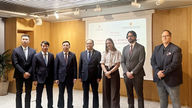


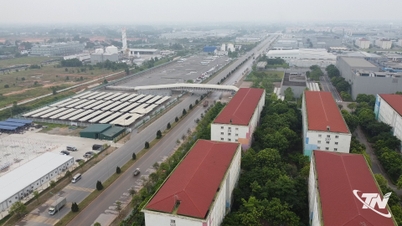
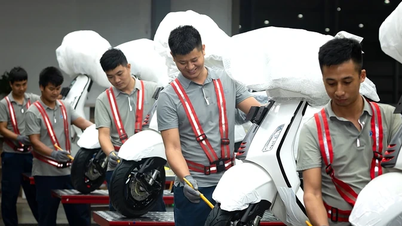
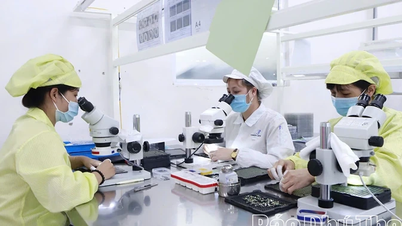
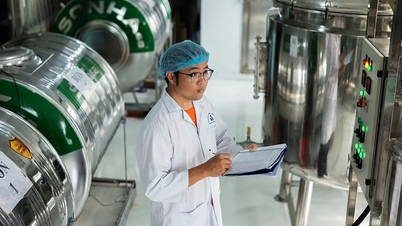
Besides its advantageous transportation links, Phu Tho also possesses a diverse and promising economic space. The eastern region (formerly part of Vinh Phuc province) is becoming a hub for industrial, service, and urban development, with large industrial zones such as Thang Long Vinh Phuc, Ba Thien, Nam Binh Xuyen, and Nam Phuc Yen. The electronics, automotive, precision engineering, logistics, and supporting industries are thriving, making significant contributions to the budget and creating jobs.
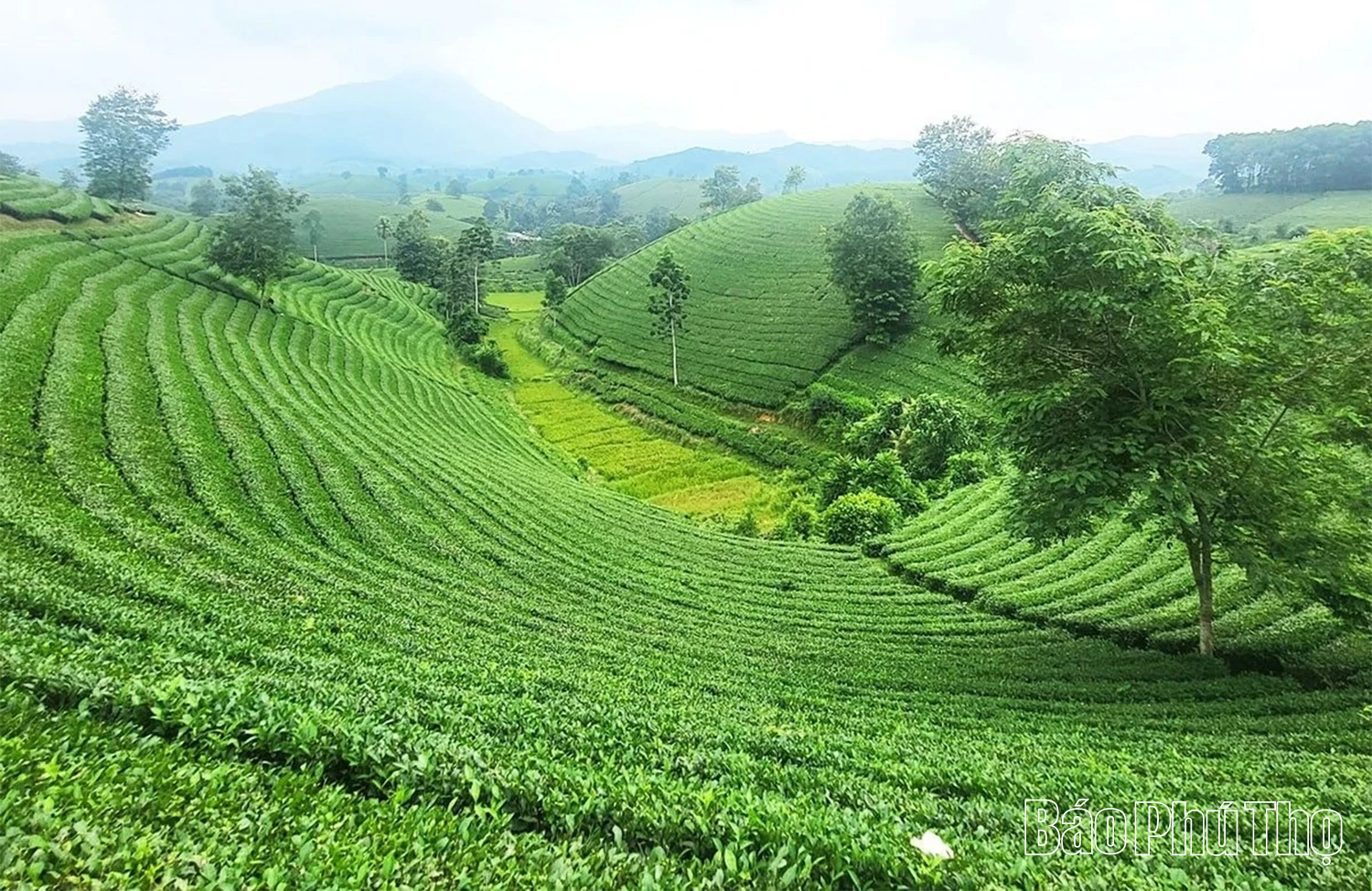
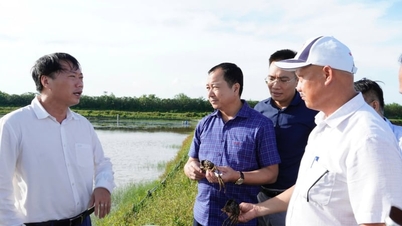
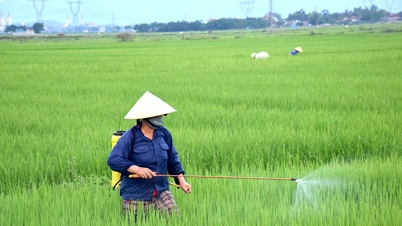
Phu Tho has great potential in high-value agriculture, such as the famous Tan Son tea product in the North.
Meanwhile, the central area of Phu Tho (Viet Tri ward and surrounding areas) plays the role of the province's administrative, political, and cultural center. Urban infrastructure, education, healthcare, and cultural systems are being invested in comprehensively, gradually building a model of a smart, livable city with a regional influence.
The western and southwestern regions (the former Hoa Binh area and the mountainous districts of Phu Tho province) are designated as areas for the development of agriculture, forestry, medicinal plants, and ecotourism. These areas possess favorable natural conditions for developing organic farming, cultivating valuable medicinal plants, exploiting hot mineral springs (such as Kim Boi and Thanh Thuy), and developing community-based tourism models linked to the cultural identities of the Muong, Dao, and Tay ethnic groups.
A land blessed with auspicious geography creates a foundation for sustainable development.
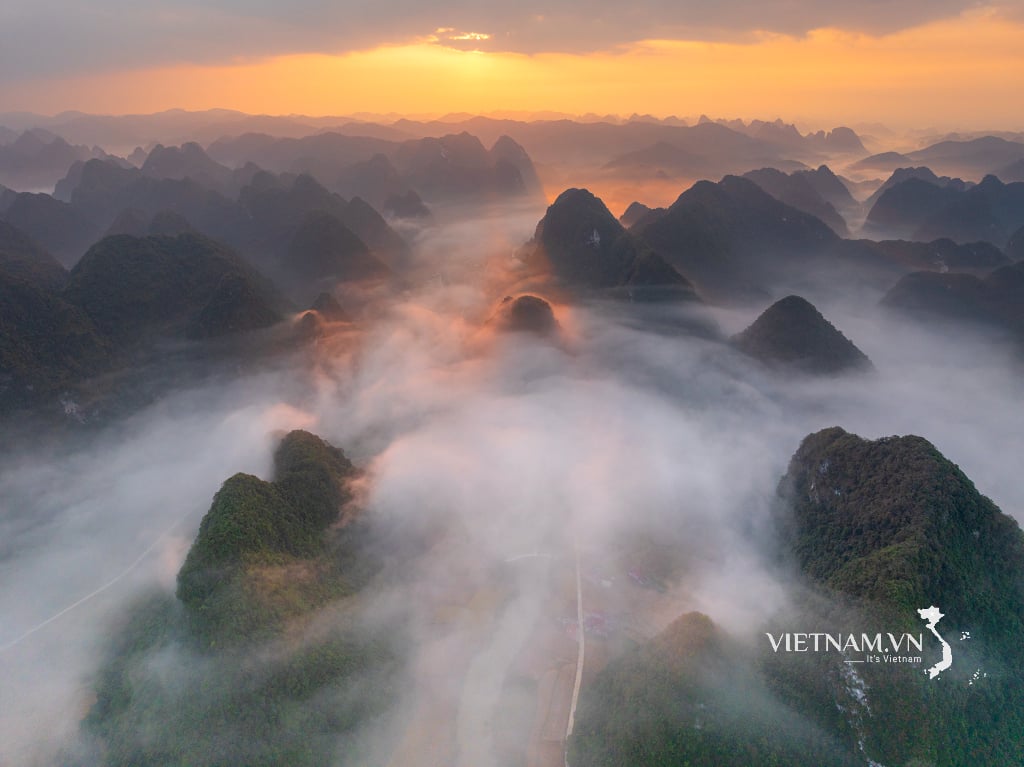
Phu Tho is one of the rare localities that harmoniously combines natural resources, people, and cultural heritage. In terms of nature, the province has diverse topography ranging from plains and hills to high mountains, a mild climate, and abundant water resources. Mineral deposits such as limestone, clay, kaolin, and lignite, especially hot mineral springs, can be exploited long-term to serve the production of construction materials, pharmaceuticals, and resort tourism.
Living in the birthplace of the nation, the people of Phu Tho have a tradition of fervent patriotism, courage in fighting to protect the borders and repel foreign invaders; they also possess a dynamic, creative, and enthusiastic spirit in labor, with many exemplary figures throughout history.
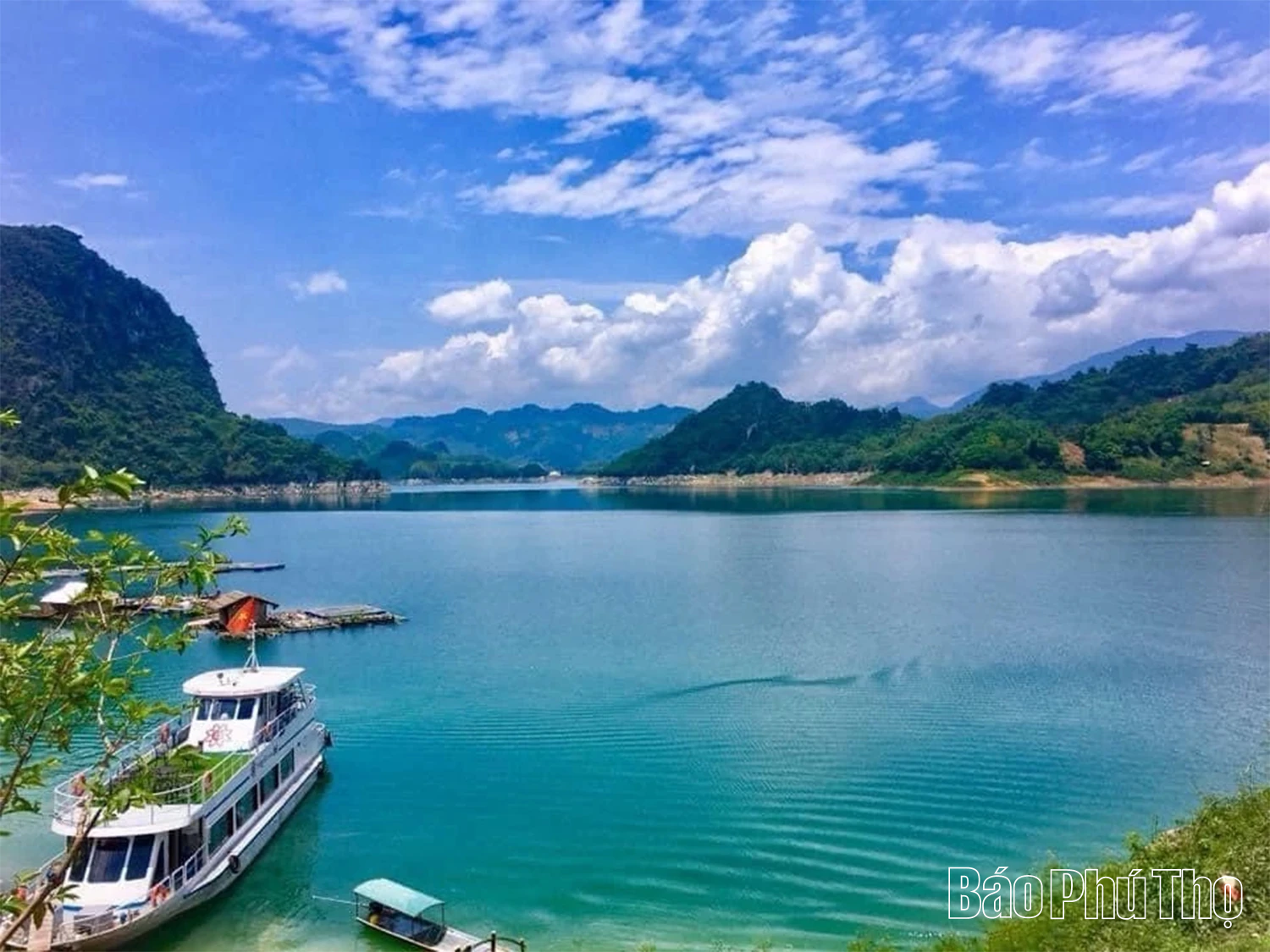
Tourism is considered the province's outstanding strength.
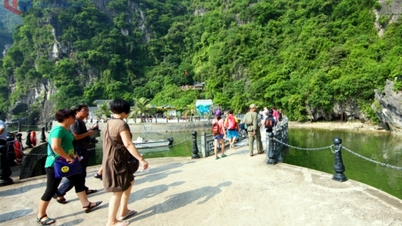
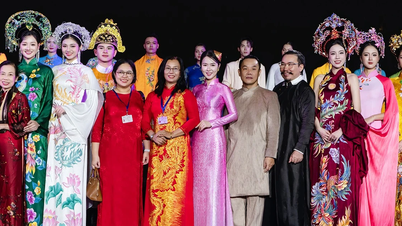
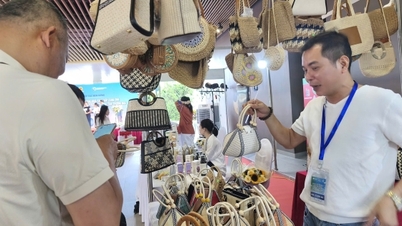
The province also boasts a rich network of cultural heritage, including folk festivals, traditional craft villages, unique cultural spaces of ethnic minorities, and hundreds of classified historical and cultural relics. These values not only provide a foundation for tourism development but also play a crucial role in building a new provincial identity.
The new administrative model – moving towards a modern, service-oriented government.
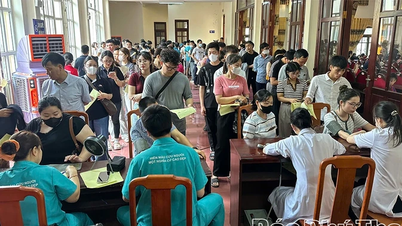
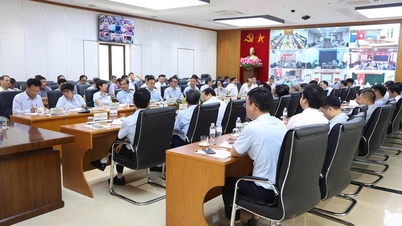
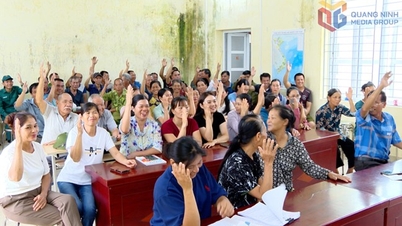
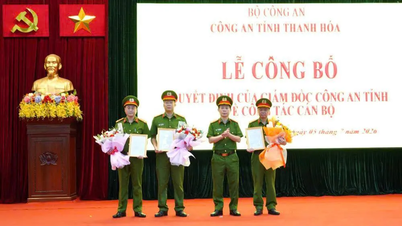
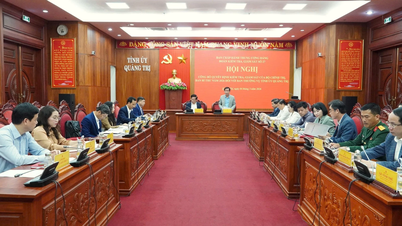
The formation of a two-tiered local government model after the merger is being implemented synchronously and flexibly in Phu Tho province. From the beginning of July 2025, the entire system of commune and district-level governments will be reorganized according to a streamlined, efficient model, focusing on serving the people and businesses. Commune-level public administrative service centers are operating in an orderly manner, applying digital technology, reducing procedures, and increasing the efficiency of document processing. Indicators such as the rate of online document submission, the rate of timely processing, and the level of citizen satisfaction are all showing a strong upward trend.
In addition, the province is also striving to overcome difficulties arising during the transition period, such as completing the IT infrastructure system, connecting software, granting accounts and digital signatures to officials, and standardizing internal processing procedures. The involvement of specialized departments and agencies, the proactive approach of local authorities, and the support of the people are helping the new administrative model to stabilize quickly.
New growth pole in the North
All the aforementioned advantages and potentials are creating new momentum for Phu Tho to strongly emerge as a new growth pole of the northern midland and mountainous region. In the context of the whole country striving for rapid, sustainable, and comprehensive development, Phu Tho is a prime example of convergence – in terms of geography, culture, resources, and development mindset.
With a yearning for modernization, a profound historical and cultural foundation, and a dynamic and creative workforce of officials and people, the new Phu Tho province will not only be a place to preserve the nation's roots but also a place to build the future. A future where past and present coexist, where identity and integration blend together, and where every citizen has the right to expect a prosperous, happy, and sustainable life.
Quang Nam
Source: https://baophutho.vn/hoi-tu-de-phat-trien-236906.htm