

Hypercoagulability syndrome is a cause of several cardiovascular diseases such as myocardial infarction, stroke, atherosclerosis, and valvular heart disease. These diseases account for the leading causes of death in developed countries, and this trend is increasing. The use of anticoagulants in modern medicine combined with blood-activating drugs in traditional medicine increases treatment effectiveness; however, it can also increase the risk of bleeding in patients.
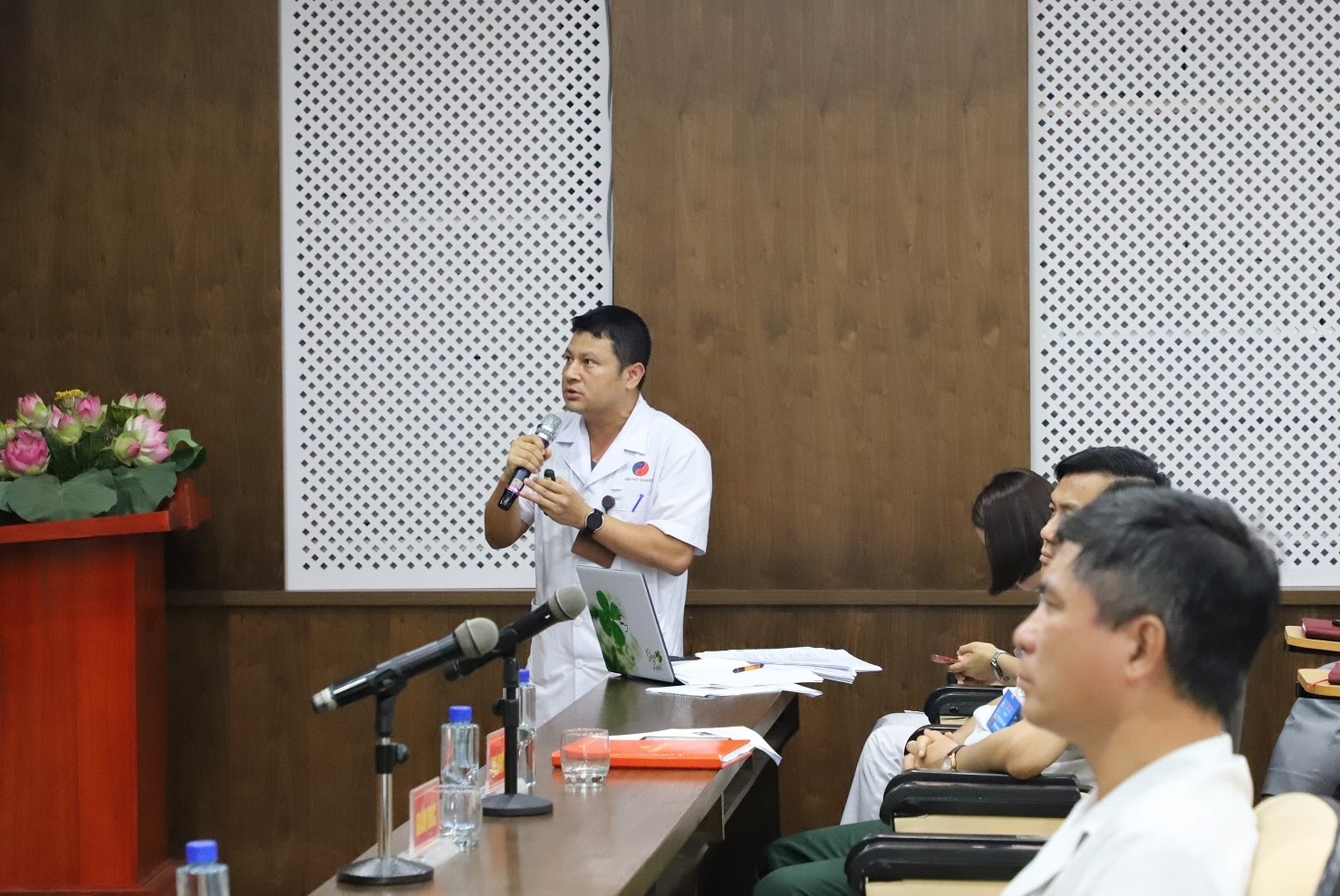
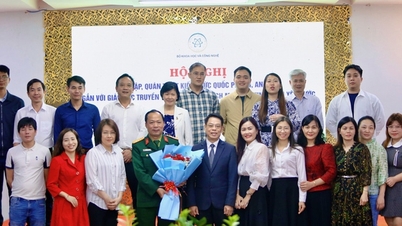
This information was recently presented by doctors from the Military Institute of Traditional Medicine during a seminar on the topic "Anticoagulants in Clinical Practice and Traditional Chinese Medicine Blood-Activating Prescriptions," aimed at enhancing knowledge and clinical practice skills when combining modern and traditional medicine in the treatment of complex cardiovascular diseases.
According to Ms. Le Thi Huyen Trang (Department of Pharmacy, Military Traditional Medicine Hospital), anticoagulants are medications that help reduce the formation of blood clots (thrombi) in the circulatory system. In some diseases, the body easily creates unnecessary blood clots. These blood clots can cause serious local consequences and can travel to different parts of the body; for example, traveling to the brain can cause hemiplegia, coma, etc. Anticoagulants are used to prevent the formation of blood clots in the heart and blood vessels.
When prescribing medication, physicians need to have a thorough understanding of pharmacokinetics, pharmacodynamics, indications, contraindications, dosage, administration, adverse effects, and drug interactions. In particular, close clinical monitoring of patients is crucial to promptly adjust dosages to suit their condition.
Classification by route of administration: anticoagulants are available in oral or intravenous forms. Drug groups include vitamin K antagonists (VKAs), acenocoumarol, and rivaroxaban…
Currently, direct-acting oral anticoagulants (DOACs) overcome most of the disadvantages of vitamin K antagonist anticoagulants, such as rapid onset of action, fewer drug interactions, predictable anticoagulant effects, and no need for frequent monitoring of coagulation function.
According to Dr. Vu Xuan Nghia, Deputy Head of the Oncology Department (Military Traditional Medicine Hospital): Blood stasis is a condition caused by the slowing down of blood flow within the blood vessels or blood leaking out of the vessel walls, leading to internal stagnation.
Common clinical manifestations include: fixed, sharp pain that is not palpable (tense), often worsening at night, relatively firm in nature; superficial pain may appear bluish-purple; abdominal pain may reveal a non-moving mass; the complexion, lips, tongue, toenails, and fingernails may be cyanotic. Alternatively, subcutaneous petechiae or sublingual petechiae may be present, and the sublingual vessels may be tense, swollen, and bluish-purple.
Blood stasis can be caused by: Qi stagnation, Qi deficiency, phlegm turbidity, Yang deficiency, excessive cold, and pathogenic heat. The current diagnostic criteria for blood stasis follow the guidelines of the Chinese Academy of Traditional Chinese Medicine - 1992, with specific symptoms and scoring: subcutaneous petechiae, collateral circulation, dark or purplish tongue, dilated sublingual veins, etc.
The basic principle of treating blood stasis is to activate blood circulation and resolve stasis: moisten dryness and nourish blood, warm the meridians and dispel cold, clear heat and cool the blood, dissolve phlegm and eliminate turbidity, tonify qi and nourish blood, soften hardened masses and disperse nodules…
In clinical practice, blood circulation is regulated by levels of blood harmonization, blood circulation activation, and blood breakdown. Blood circulation is also regulated by its effects, including pain relief, menstrual regulation, wound healing, and blood stasis removal. Additionally, there is a group of drugs that both activate and stop bleeding, ensuring smooth blood flow. These are suitable for cases where blood stasis or blood clots obstruct blood circulation, leading to irregular menstruation and bleeding.
Some blood-activating herbal remedies used in clinical practice include: Si Wu Tang, Tao Hong Si Wu Tang, Xue Fu Zhu Yu Wan, Bu Yang Wan Wu Tang, Fu Yuan Huo Xue Tang, Wen Jing Tang…
According to Master Vũ Xuân Nghĩa, blood-activating and stasis-resolving therapy is a fundamental treatment method for cancerous tumors today, based on clinical evidence and scientific research publications in recent years. Blood-activating drugs increase blood flow to the tumor, increasing the oxygen concentration within the tumor (cancer cells, which are usually anaerobic, thrive poorly in an oxygen-rich environment).
Blood-activating drugs increase blood flow to the tumor, which means more immune cells are sent to inhibit and destroy cancer cells. Increased blood flow to the tumor alkalizes the environment around it (cancer cells are less active in alkaline environments and thrive in acidic environments). This enhances the delivery of drugs that kill or inhibit cancer cells.
Source: https://daidoanket.vn/ket-hop-dong-y-trong-dieu-tri-hoi-chung-tang-dong-mau-10295314.html

























































Comment (0)