

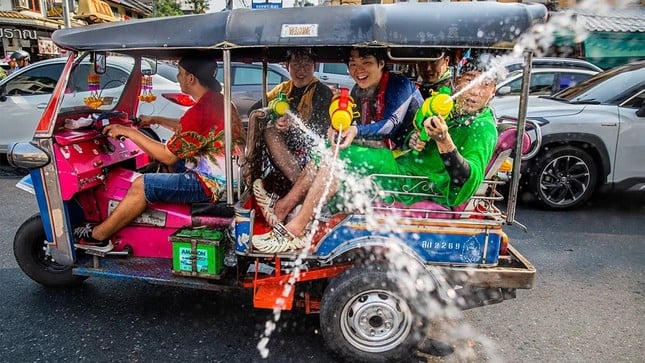
Every year, from April 13th to 15th, Thais everywhere cool off and celebrate the country's biggest and most important festival: Songkran. It's associated with the Thai Lunar New Year and the end of the annual rice harvest. However, what tourists are most interested in is the nationwide water-throwing festival.
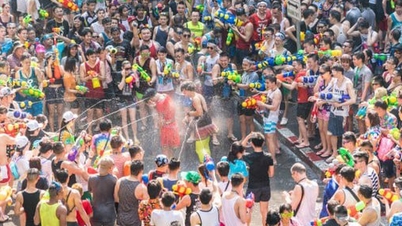
“The most famous part of the festival is the water fight. People of all ages take to the streets with water guns and buckets,” explained Worapa Angkhasirisap, director of the Tourism Authority of Thailand.
Viewers of the latest season of the HBO drama series The White Lotus recently caught a glimpse of this scene when three unsuspecting tourists stumbled upon the Songkran festival in the middle of the road.
“Why is everyone carrying those water guns?” one of the women asked. In a moment, the three characters were being chased down the street by children wielding water guns before taking refuge in a convenience store, confused and soaking wet.
Although portrayed by The White Lotus as an overwhelming experience, this fun event welcomes all visitors. In fact, hordes of tourists flock to Thailand every year to participate in what is often dubbed the " world's biggest water fight."
Locals shoot water guns. |
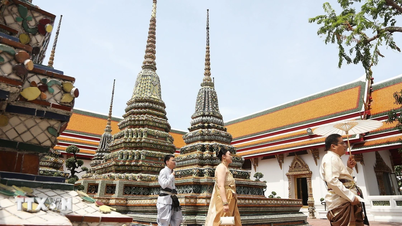
During the three days of the festival, fragrant water is often poured over images of Buddha to symbolize renewal. Thais also often wash the hands of elders and pray for blessings, as well as offer gifts at temples.
"Since most Thais are Buddhist, Songkran is also a spiritual time," explains Kharitthakorn Sakulsupapong, sales and marketing director of the Thai travel company Tropical Vacation.
Although it is a national holiday lasting three days, some Thai communities – such as the popular beach resort town of Pattaya – extend the festival to 10 days. Because April is usually the hottest month in Thailand, cooling dishes are often included in Songkran menus.
"April is peak mango season, and you'll find plenty of mango sticky rice, one of Thailand's most popular desserts," said Angkhasirisap.
"Another popular seasonal dish is khao chae, a chilled rice dish soaked in jasmine-scented ice water, served with savory side dishes – a perfect way to cool down in the summer heat."
Visitors to the country during Songkran are often invited to participate in the festival. “Thais are always excited to introduce their cultural traditions and are happy to answer any questions visitors may have,” said Jurairat Mongkolkongsiri, vice president of sales at Centara Hotels & Resorts in Bangkok.
![[Photo] General Secretary and President To Lam presides over a working session with the Central Policy and Strategy Committee on the development of the materials industry.](https://vphoto.vietnam.vn/thumb/1200x675/vietnam/resource/IMAGE/2026/05/21/1779359935432_a3-bnd-3129-1412-jpg.webp)

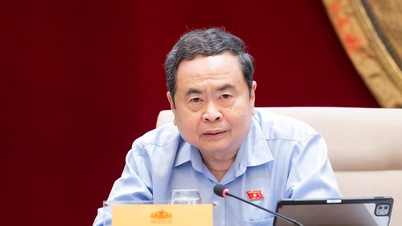
![[Photo] National Assembly Chairman Tran Thanh Man working with the Standing Committee of the Law and Justice Committee](https://vphoto.vietnam.vn/thumb/1200x675/vietnam/resource/IMAGE/2026/05/21/1779378929214_ndo_br_1-4610-jpg.webp)














































Comment (0)