

 |
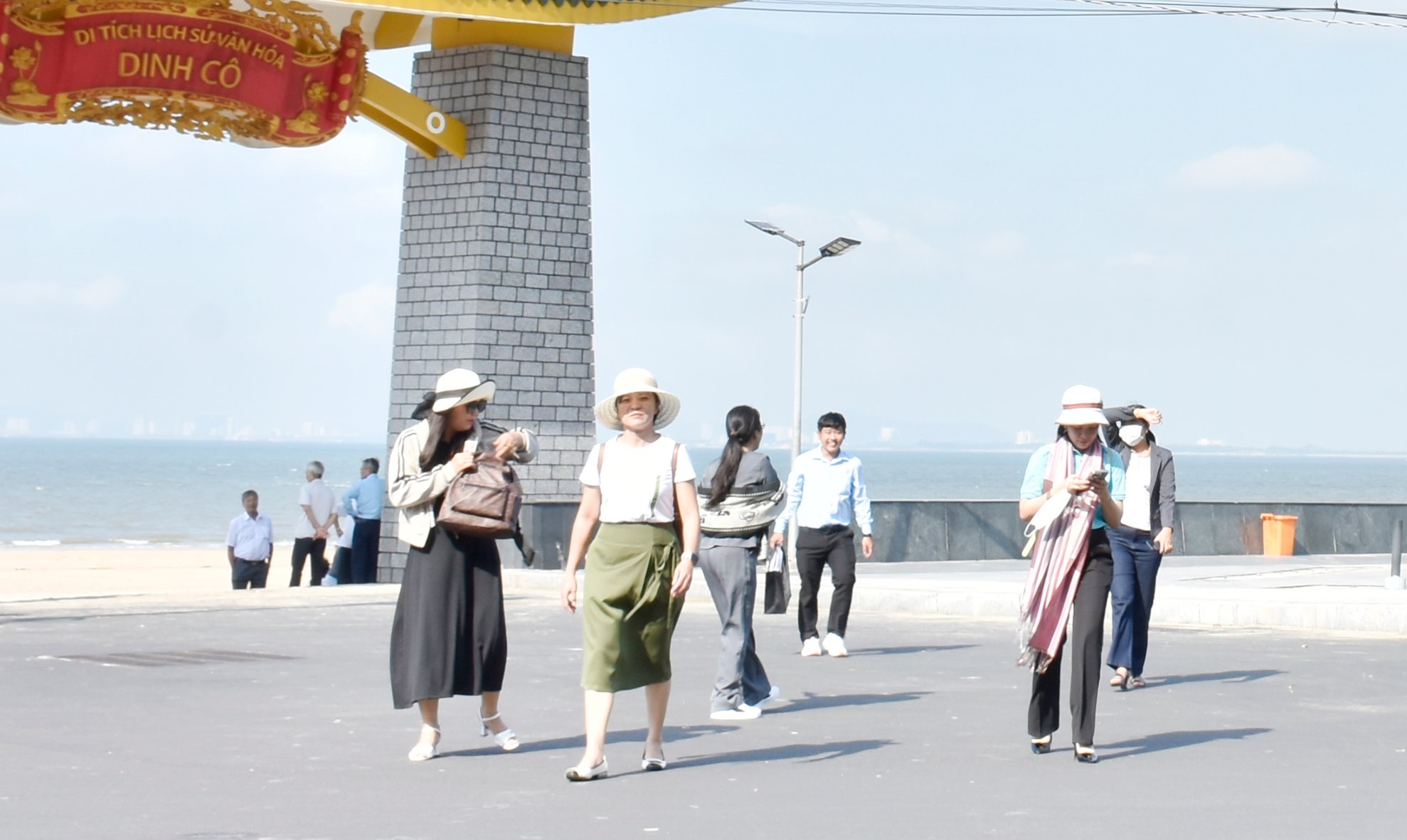
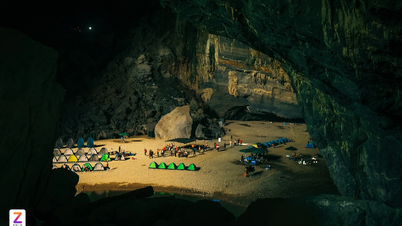
| Long holidays provide opportunities for Facebook to create fake booking scams. (In the photo: Tourists visiting the Dinh Co-Long Hai area.) |
Old scam, new victims.
Ms. D.TPD (Ho Chi Minh City) was a victim of an online hotel booking scam. During the recent Hung Kings' Commemoration Day, she planned a trip to Ho Tram, Xuyen Moc. While browsing online, a series of 4-5 star resorts appeared with beautiful views and stunning photos and videos. After selecting, she booked a room at Emerald Ho Tram Resort because it had a verified Facebook page (official page) and a large following of 16,000 people. Even more noteworthy was the 20% discount on the room rate and the complimentary dinner and breakfast buffet.
“A 2-day, 1-night family vacation for 3 people at a luxury resort during a holiday for only 5.4 million VND, plus two complimentary buffet breakfasts and dinners and other benefits, was such a great deal that I immediately paid a 50% deposit to reserve the room. Just days before departure, I contacted the resort to check the booking and was shocked to discover I had been scammed. I tried texting and calling the number I had previously used, but it was all unreachable,” Ms. D.TPD recounted.
Similarly, Ms. TTH (Phu My City) was scammed with a different booking trick. Wanting to go to Da Lat for the upcoming April 30th holiday, she browsed Facebook and coincidentally saw an attractive homestay advertisement from a fan page. She decided to transfer a 1 million VND deposit. Immediately after transferring the money, she received a call from someone claiming to be a homestay employee, asking her to transfer the money back due to a "system error."
The employee explained that there was a mix-up between the letter "o" and the number "0" in the deposit code, and asked her to repeat the process. She refused because the money had already been deducted from her account. Immediately, another call came in, claiming to be from a bank employee, offering to help her recover the mistakenly transferred money. "This person made a video call and asked me to share my screen to guide me through the steps to access my bank account. Realizing this was a scam, I hung up," Ms. TTH recounted.
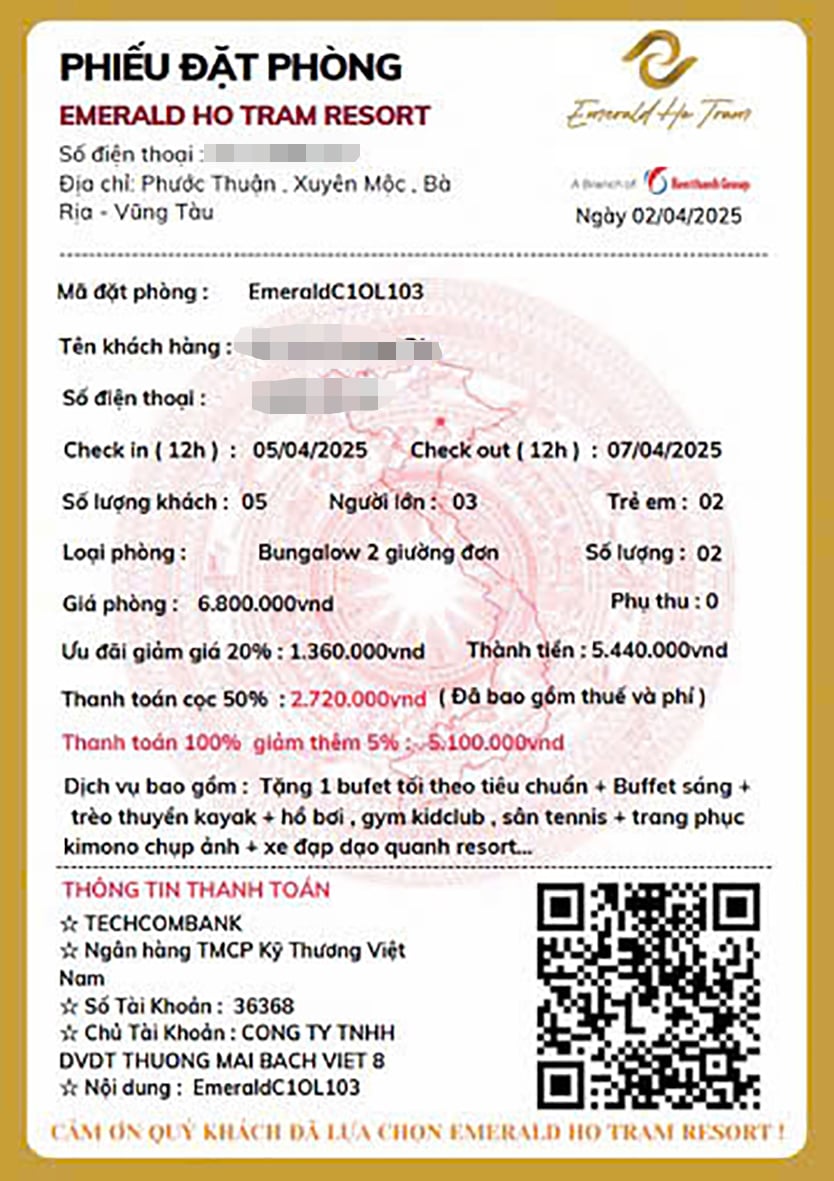 |
| Fake booking receipt for Emerald Ho Tram Resort. |
Increase vigilance.
Undeniably, the shift from in-person shopping to online channels is driven by the digitalization of the tourism industry, technological advancements, and changing consumer behavior as customers increasingly seek faster, more transparent, and flexible booking methods. However, exploiting the psychology of wanting to see reviews, browse TikTok and Facebook, etc., scams involving creating websites and Facebook fan pages with identical interfaces to sell cheap vacation packages are also flourishing.
Many resorts share that even the resort's fanpage administrators find it difficult to detect fake Facebook accounts because whatever the real Facebook account posts, the fake one immediately copies it. The fake Facebook accounts even run ads and have flashy interfaces to attract viewers. Furthermore, to keep up with room price updates, the fake Facebook accounts even interact with the real Facebook account, call the resort's hotline to ask for price lists and request actual photos of the services.
However, all fraudulent booking channels have one thing in common: the room rates are usually cheaper than those advertised on the official website or fan page, preying on consumers' desire for bargains.
A representative from Emerald Ho Tram Resort stated: "Most resorts and hotels, upon discovering that a guest has been scammed, provide support in various ways, such as offering discounts and assisting with reporting the incident to the authorities..."
![[Photo] National Assembly Chairman Tran Thanh Man working with the Standing Committee of the Law and Justice Committee](https://vphoto.vietnam.vn/thumb/1200x675/vietnam/resource/IMAGE/2026/05/21/1779378929214_ndo_br_1-4610-jpg.webp)


![[Photo] General Secretary and President To Lam presides over a working session with the Central Policy and Strategy Committee on the development of the materials industry.](https://vphoto.vietnam.vn/thumb/1200x675/vietnam/resource/IMAGE/2026/05/21/1779359935432_a3-bnd-3129-1412-jpg.webp)
































































Comment (0)