

Manage credit proactively and flexibly, closely monitoring the economy 's capacity to absorb capital.
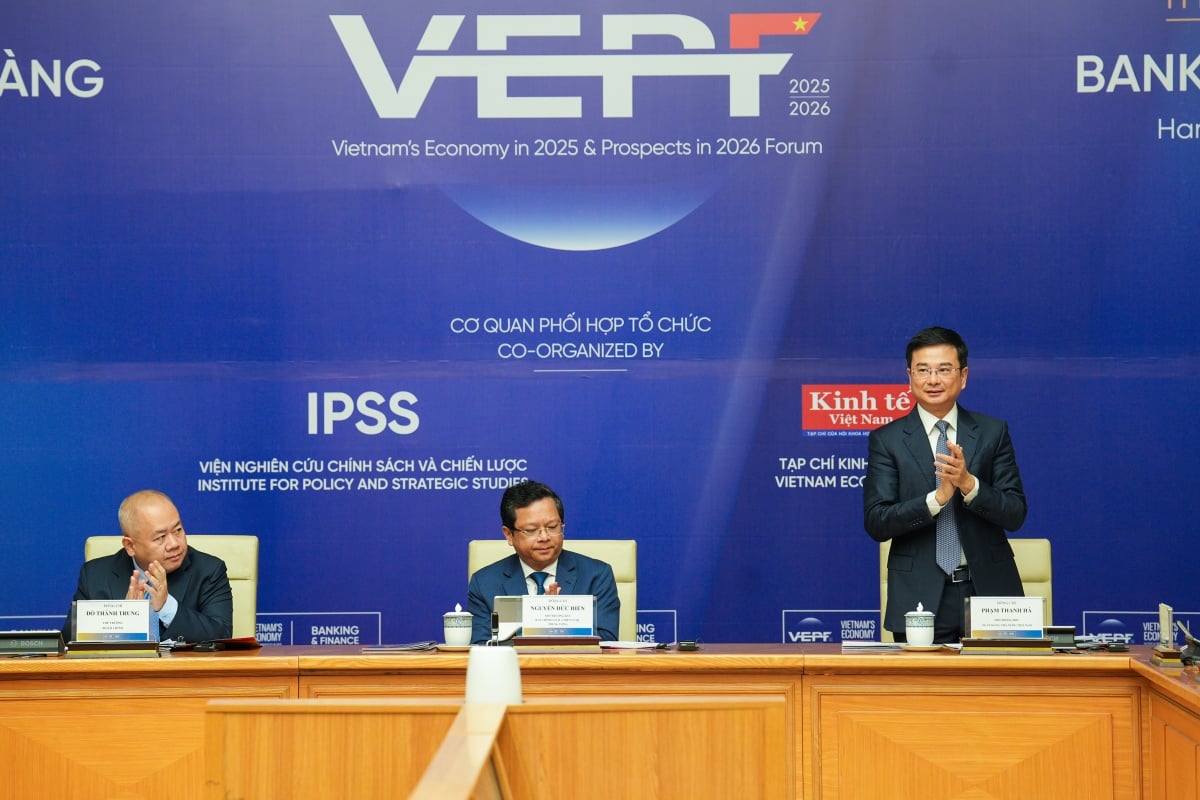
Against the backdrop of a complex and unpredictable global and domestic situation, with increasing natural disasters and climate change posing significant pressure on macroeconomic management, all levels and sectors have been making concerted efforts to implement numerous tasks and solutions to accelerate progress and strive towards achieving the country's socio-economic development goals.
 |
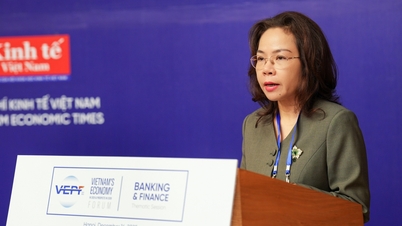
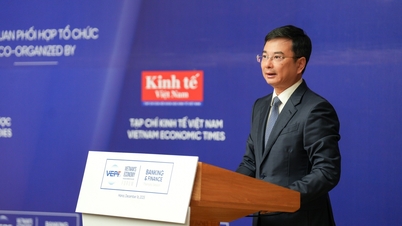
Speaking at the Forum, Ms. Ha Thu Giang, Director of the Department of Credit for Economic Sectors, emphasized that, closely following the policies, directions, and guidance of the Party, the National Assembly , the Government, and the Prime Minister, the State Bank of Vietnam has implemented a comprehensive set of monetary and credit solutions to simultaneously achieve the goals of controlling inflation, stabilizing the macroeconomy, ensuring the safety of the system, and supporting sustainable economic growth. “In particular, credit solutions, including sector-specific credit, have been implemented decisively, contributing to increased access to credit and better aligning with the economy’s capital absorption capacity,” Ms. Ha Thu Giang affirmed.
According to Ms. Ha Thu Giang, the State Bank of Vietnam (SBV) has regularly reviewed and improved credit mechanisms and policies, including sectoral and field-specific credit. Specifically, the SBV has submitted to competent authorities or issued, within its authority, legal documents related to credit operations, ensuring consistency with the Law on Credit Institutions 2024, aligning with the policy of reforming and simplifying administrative procedures, promoting digital transformation, and facilitating banking credit relationships for individuals and businesses. Simultaneously, sectoral and field-specific credit has been adjusted promptly to concretize major policies of the Party and State, and the directives of the Government and the Prime Minister, meeting practical requirements and the principles of administrative procedure reform and digital transformation.
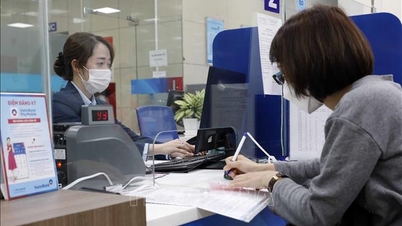
Along with perfecting the policy framework, credit management and direction have been further strengthened through numerous directives, conferences, and specialized meetings, requiring credit institutions to promptly meet capital needs for production, business, and consumption. "In particular, many directives have been issued to credit institutions to promptly meet the capital needs for production, business, and consumption of people and businesses, creating favorable conditions for people and businesses to access bank credit," Ms. Giang shared.
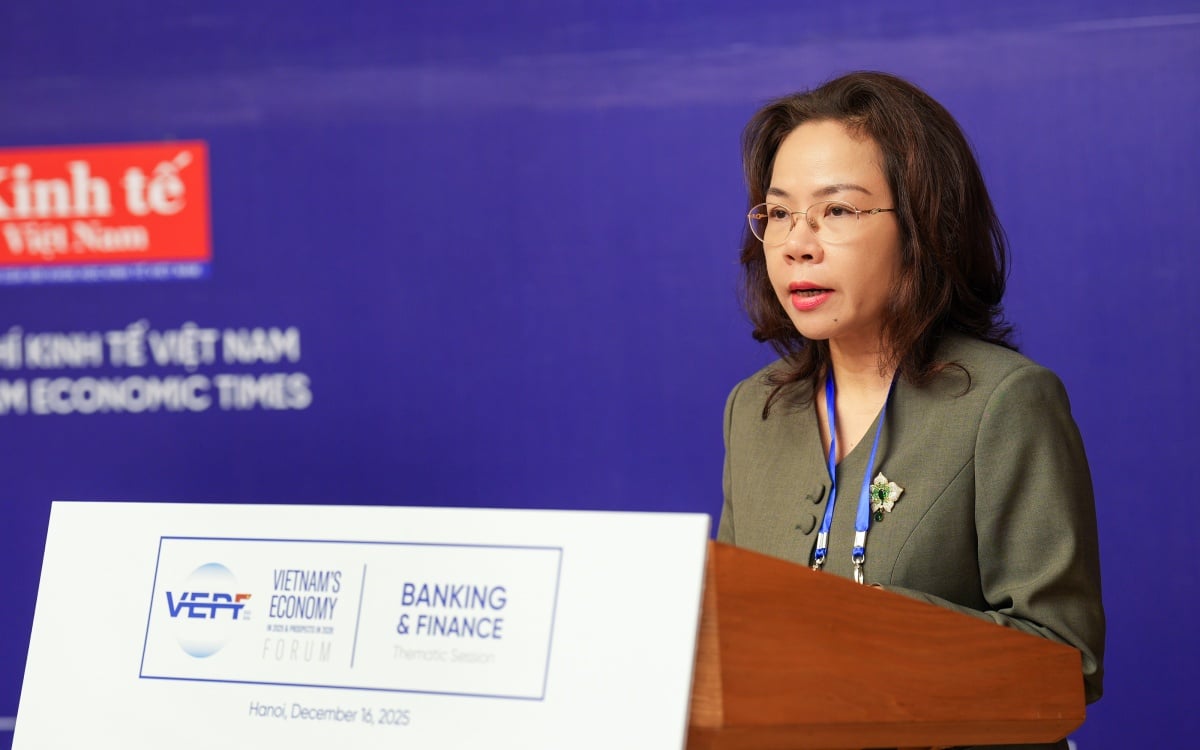 |
| Ms. Ha Thu Giang - Director of the Department of Credit for Economic Sectors, State Bank of Vietnam |
Credit is becoming more substantive, affirming its role as the main channel for capital flow in the economy.
Regarding solutions to alleviate economic difficulties, Ms. Ha Thu Giang stated that the State Bank of Vietnam (SBV) has actively implemented policies to restructure loan repayment terms and maintain loan classifications for customers facing difficulties due to objective reasons such as epidemics, natural disasters, or difficulties in production and business. “These solutions have facilitated debt restructuring for approximately 1.3 million customers, with the total value of principal and interest amounting to approximately 1 trillion VND,” Ms. Giang informed, adding that during the Covid-19 pandemic alone, credit institutions reduced interest rates for customers totaling about 50 trillion VND.
In addition, sector-specific credit programs continue to be vigorously implemented as directed by the Government and the Prime Minister, while closely coordinating with ministries, sectors, and localities to resolve difficulties and obstacles in the implementation process. According to Ms. Ha Thu Giang, many programs are very effective and have been adjusted to increase in scale to suit the practical needs of the economy, including the credit program for the agriculture, forestry, and fisheries sector, which currently has a scale of 185 trillion VND (four times increased in scale) with a disbursement rate of approximately 94%, or the rice-related loan program under Decision No. 1490/QD-TTg, which by the end of October 2025 has achieved a cumulative disbursement of nearly 3,000 billion VND within 5 months.
Notably, the bank-business connection program continues to be widely implemented nationwide, promptly addressing difficulties and increasing access to and absorption of credit capital, thereby contributing to promoting economic growth. “ From the beginning of 2025 to the present, approximately 1,800 meetings, dialogues, and bank-business connections have been organized, with the State Bank of Vietnam directly organizing 13 conferences in 13 out of 15 regions. Through these, timely guidance and direction have been provided, and solutions have been implemented to suit the needs and actual situation of banks, businesses, and the economy,” Ms. Giang added.
Alongside commercial credit, policy credit programs through the Social Policy Bank and credit programs implementing national target programs continue to be effectively implemented. According to Ms. Ha Thu Giang, to date, outstanding policy credit has reached over 398 trillion VND, supporting more than 6.8 million poor people and other policy beneficiaries, making a significant contribution to poverty reduction, ensuring social security and socio-economic stability.
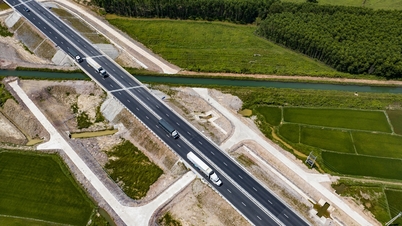
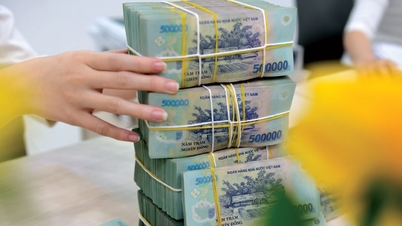
With the synchronized implementation of various solutions, credit growth has achieved positive results in both scale and structure, thereby continuing to affirm its role as the main capital channel of the economy. According to Ms. Ha Thu Giang, by November 27, 2025, outstanding credit will reach over 18.2 million billion VND, an increase of 16.56% compared to the end of 2024 and nearly double compared to the beginning of the period. The credit structure is shifting in line with the structure of economic sectors. Credit is directed towards priority sectors, with some sectors accounting for a large proportion such as agriculture and rural areas (accounting for about 23%) and small and medium-sized enterprises (accounting for about 19%); credit to high-tech enterprises and supporting industries has seen high growth rates, averaging 17.51% and 19.91% respectively during the past period. At the same time, along with other sources of capital, bank credit has provided essential financing for the implementation of many key projects and works, contributing to the realization of one of the Party's three strategic breakthroughs on infrastructure development.
Flexible credit management to meet double-digit growth targets.
However, Ms. Ha Thu Giang also frankly pointed out that, alongside the achievements, banking credit activities are facing many difficulties and challenges. The pressure to supply capital to the economy remains high in the context of an unevenly developed financial market, while the corporate bond market and the stock market still face many difficulties and have not fully played their role as the main channel for supplying medium and long-term capital to the economy.
According to Ms. Giang, the demand for medium and long-term capital for key national projects and works is enormous, creating considerable pressure on credit institutions in balancing capital sources and managing maturity risks, especially since the main source of lending is still short-term deposits, currently accounting for about 80% of the total deposits in the system. In addition, some sectoral credit programs are facing difficulties in implementation, such as the Social Housing and Workers' Housing Loan Program, and the renovation and reconstruction of old apartment buildings under Government Resolution 33/NQ-CP, due to the limited supply of social housing.
Against this backdrop, to contribute to supporting and promoting double-digit economic growth in the 2026-2030 period, Ms. Ha Thu Giang stated that the State Bank of Vietnam will continue to promote the implementation of credit solutions closely aligned with the policies, directions, and guidance of the Party, the National Assembly, and the Government. The focus will be on continuing to review, amend, supplement, and perfect the legal framework, mechanisms, and policies on banking credit activities; and actively organizing the implementation of major resolutions and policies of the Party on the development of agriculture, science and technology, digital transformation, private sector, healthcare, education, and energy.
Notably, the State Bank of Vietnam (SBV) is the coordinating body, working with the Ministry of Finance and relevant agencies to develop and submit to the Government a Decree on providing a 2% annual interest rate subsidy for private sector enterprises, business households, and individual businesses borrowing capital to implement green and circular projects and applying environmental, social, and governance (ESG) standards. Simultaneously, credit management will continue to be implemented flexibly, in line with macroeconomic developments and the economy's capital absorption capacity, directing capital flows into production and business sectors, priority sectors, and growth drivers as directed by the Government and the Prime Minister, as well as key, feasible projects and works.
Alongside addressing the difficulties faced by people and businesses affected by natural disasters and floods, credit programs directed by the Government and the Prime Minister continue to be promoted, including credit programs for agriculture, forestry, and fisheries; programs for lending to link production, processing, and consumption of high-quality, low-emission rice products in the Mekong Delta; social housing loan programs; and credit programs for investment in electricity infrastructure, transportation, and strategic technologies. Simultaneously, the bank-business connection program continues to be implemented extensively to strengthen dialogue, resolve difficulties, and improve access to credit; and the banking sector's action plan to implement the National Strategy on Green Growth, aiming towards green credit for comprehensive and sustainable economic development, continues to be implemented.
Besides solutions from the banking sector, Ms. Giang expressed her desire to continue receiving close attention and coordination from ministries and agencies regarding banking credit activities and to propose solutions and recommendations to competent authorities on developing the capital market and corporate bonds, creating effective medium and long-term capital channels for the economy, and reducing pressure on the banking system; at the same time, to build and refine strategies, plans, and programs; to continue promoting administrative procedure reform, removing bottlenecks in investment and business to increase the economy's capacity to absorb credit capital, and creating conditions for credit institutions to have appropriate credit investment orientations.
Source: https://thoibaonganhang.vn/nhnn-tang-cuong-giai-phap-tin-dung-thuc-day-muc-tieu-tang-truong-kinh-te-hai-con-so-175214.html

![[Live] 2025 Community Action Awards Gala](/_next/image?url=https%3A%2F%2Fvphoto.vietnam.vn%2Fthumb%2F1200x675%2Fvietnam%2Fresource%2FIMAGE%2F2025%2F12%2F16%2F1765899631650_ndo_tr_z7334013144784-9f9fe10a6d63584c85aff40f2957c250-jpg.webp&w=3840&q=75)
![[Photo] Prime Minister Pham Minh Chinh receives the Governor of Tochigi Province (Japan)](/_next/image?url=https%3A%2F%2Fvphoto.vietnam.vn%2Fthumb%2F1200x675%2Fvietnam%2Fresource%2FIMAGE%2F2025%2F12%2F16%2F1765892133176_dsc-8082-6425-jpg.webp&w=3840&q=75)

![[Photo] Prime Minister Pham Minh Chinh receives Lao Minister of Education and Sports Thongsalith Mangnormek](/_next/image?url=https%3A%2F%2Fvphoto.vietnam.vn%2Fthumb%2F1200x675%2Fvietnam%2Fresource%2FIMAGE%2F2025%2F12%2F16%2F1765876834721_dsc-7519-jpg.webp&w=3840&q=75)
![[Image] Leaked images ahead of the 2025 Community Action Awards gala.](/_next/image?url=https%3A%2F%2Fvphoto.vietnam.vn%2Fthumb%2F1200x675%2Fvietnam%2Fresource%2FIMAGE%2F2025%2F12%2F16%2F1765882828720_ndo_br_thiet-ke-chua-co-ten-45-png.webp&w=3840&q=75)












































![[Photo] Prime Minister Pham Minh Chinh attends the Vietnam Economic Forum 2025](https://vphoto.vietnam.vn/thumb/402x226/vietnam/resource/IMAGE/2025/12/16/1765893035503_ndo_br_dsc-8043-jpg.webp)

























Comment (0)