The temples along the Lao Cai border are not only places of religious worship but also testaments to the formation, protection, and development of this northern border region. Each temple is associated with a historical story, a layer of cultural sediment of the Vietnamese community and ethnic minorities in the area. Embark on a journey to discover the spiritual beauty of this borderland through each image and better appreciate the vibrant culture preserved by the people of this border region for generations.
Báo Lào Cai•09/01/2026
The temples along the Lao Cai border are not only places of religious worship but also testaments to the formation, protection, and development of this northern border region. Each temple is associated with a historical story, a layer of cultural sediment of the Vietnamese community and ethnic minorities in the area. Embark on a journey to discover the spiritual beauty of this borderland through each image and better appreciate the vibrant culture preserved by the people of this border region for generations.
Upper Temple
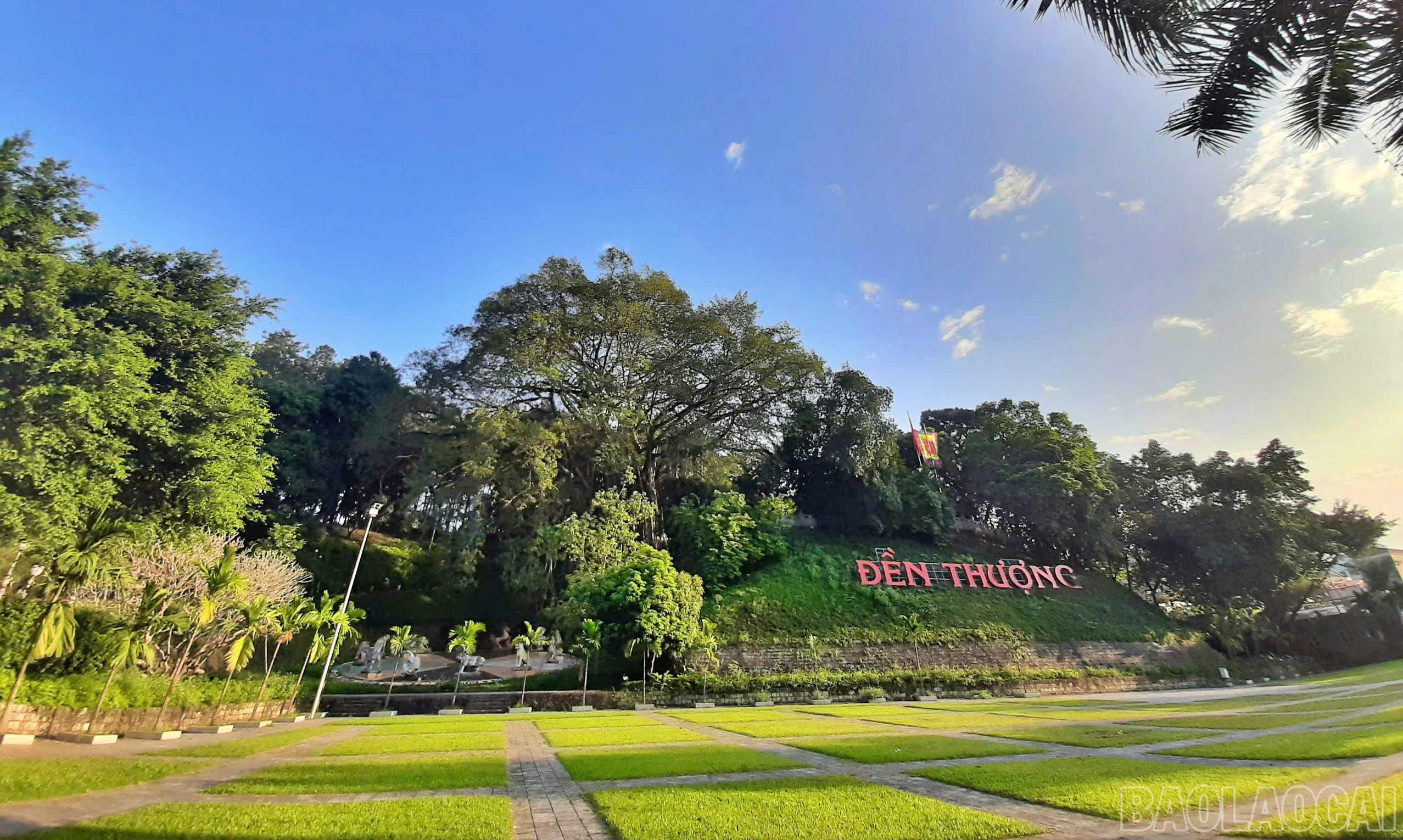
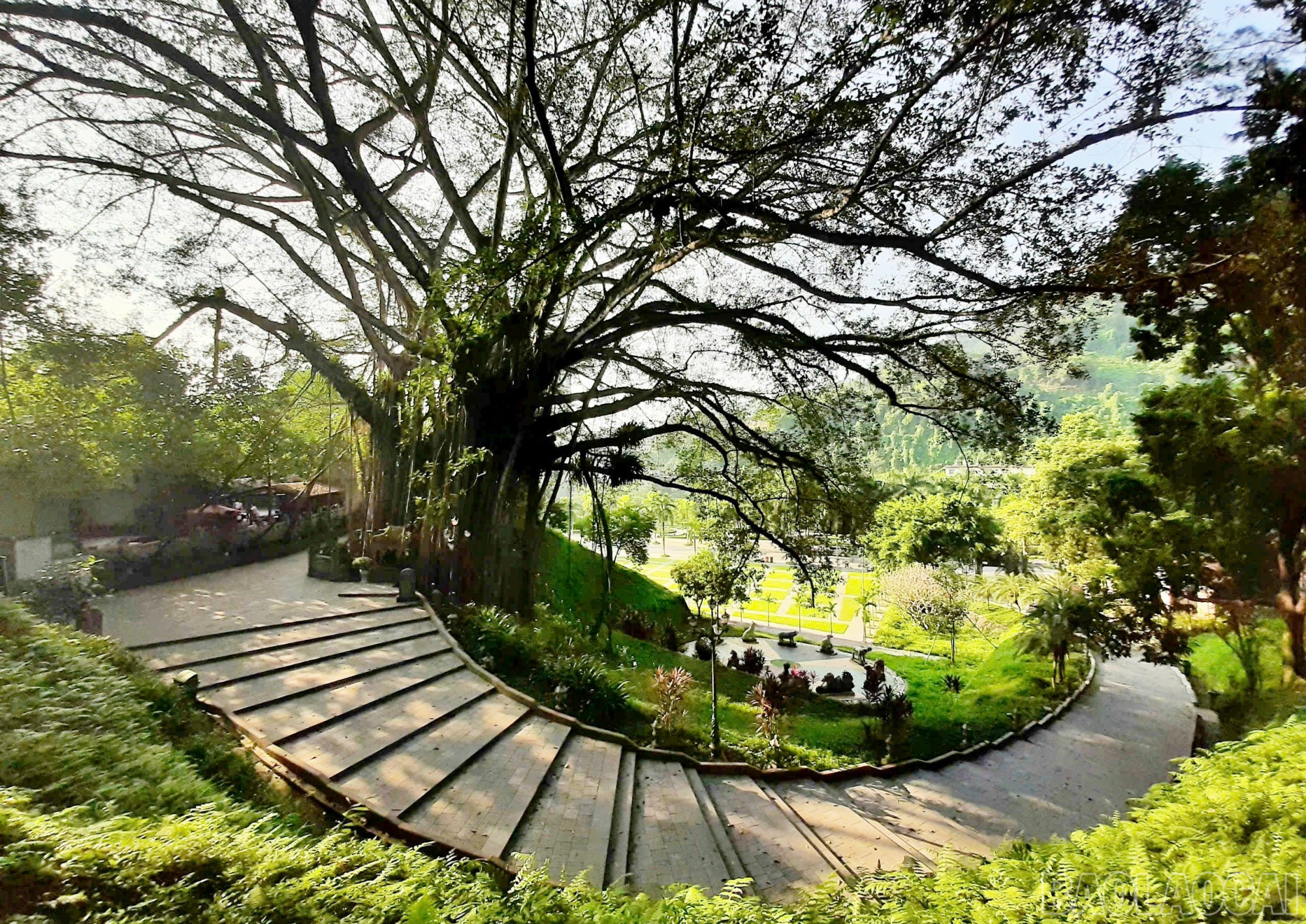
The Upper Temple (also known as the Upper Temple of Lao Cai ) is located on the summit of Mai Linh mountain and is a place of worship for National Hero Tran Hung Dao and other deities guarding the border region. In 1996, the temple was recognized as a national historical and cultural relic. The banyan tree at the foot of the temple has been recognized as a Vietnamese Heritage Tree since 2012. With its prime location on the border, situated beside the clear blue Nam Thi River amidst picturesque scenery, and steeped in historical stories about the nation's origins, Thuong Temple has become a spiritual destination for every visitor to Lao Cai. Within the complex of historical and cultural relics in Lao Cai ward, Thuong Temple is considered a place that attracts a large number of visitors from all over to worship and admire the scenery. Every year, Thuong Temple attracts tens of thousands of visitors, especially during the Thuong Temple Festival, held on the 15th day of the first lunar month.
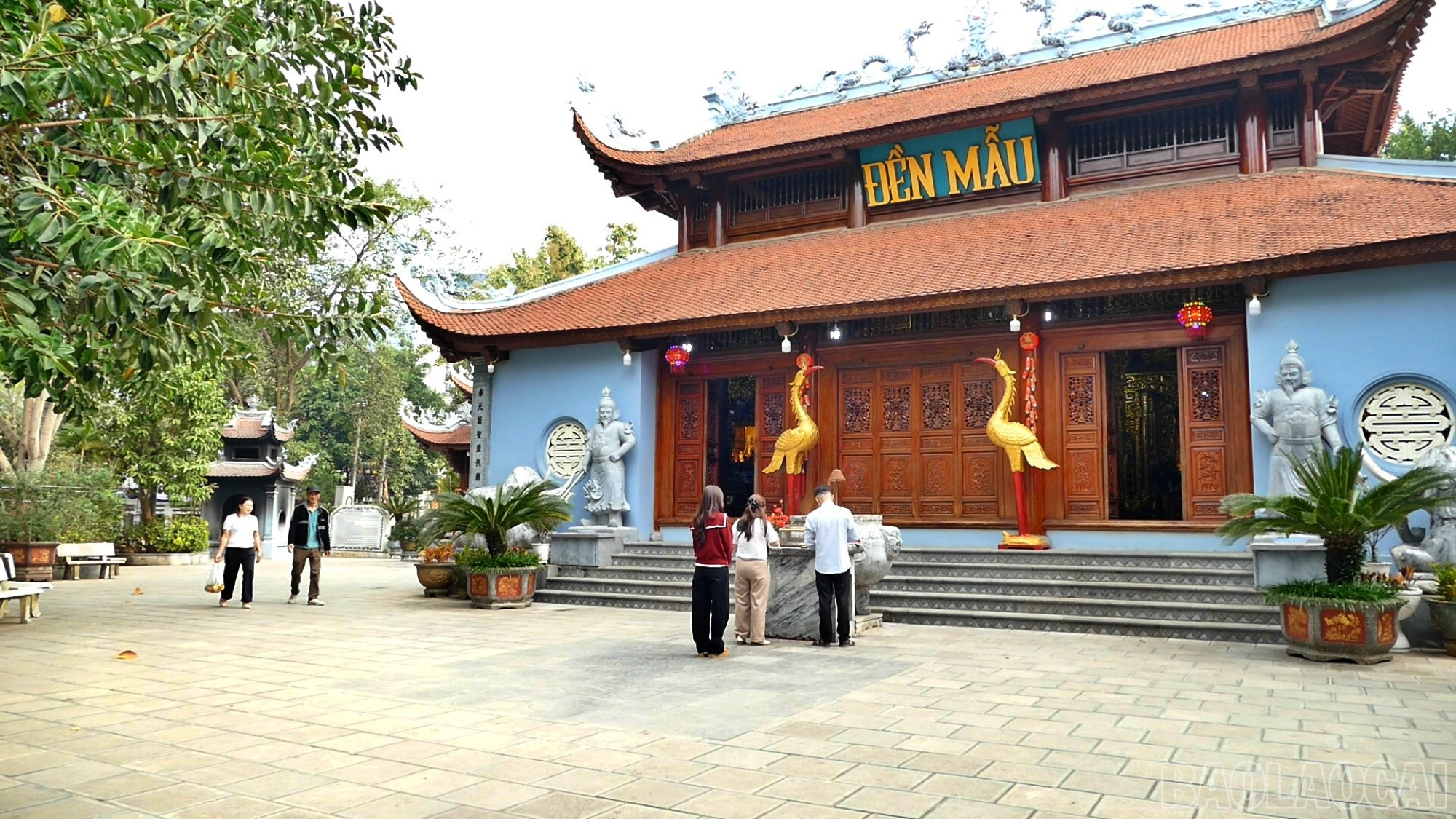
Mother Goddess Temple
Not far from the Upper Temple, the ancient Mother Temple is located in Bao Thang town, Thuy Vi district, Hung Hoa province, now part of Lao Cai ward, Lao Cai province. The temple is situated near the confluence of the Red River and Nam Thi River, and close to the Lao Cai International Border Gate. It is dedicated to Saint Mother Lieu Hanh, one of the Four Immortals in Vietnamese folk beliefs. Every year, the temple holds its main feast for the Saint Mother on the 3rd day of the 3rd lunar month. Ranked as a National Historical and Cultural Monument in 2011, the Mother Goddess Temple attracts a large number of domestic and international tourists who come to offer incense and worship.
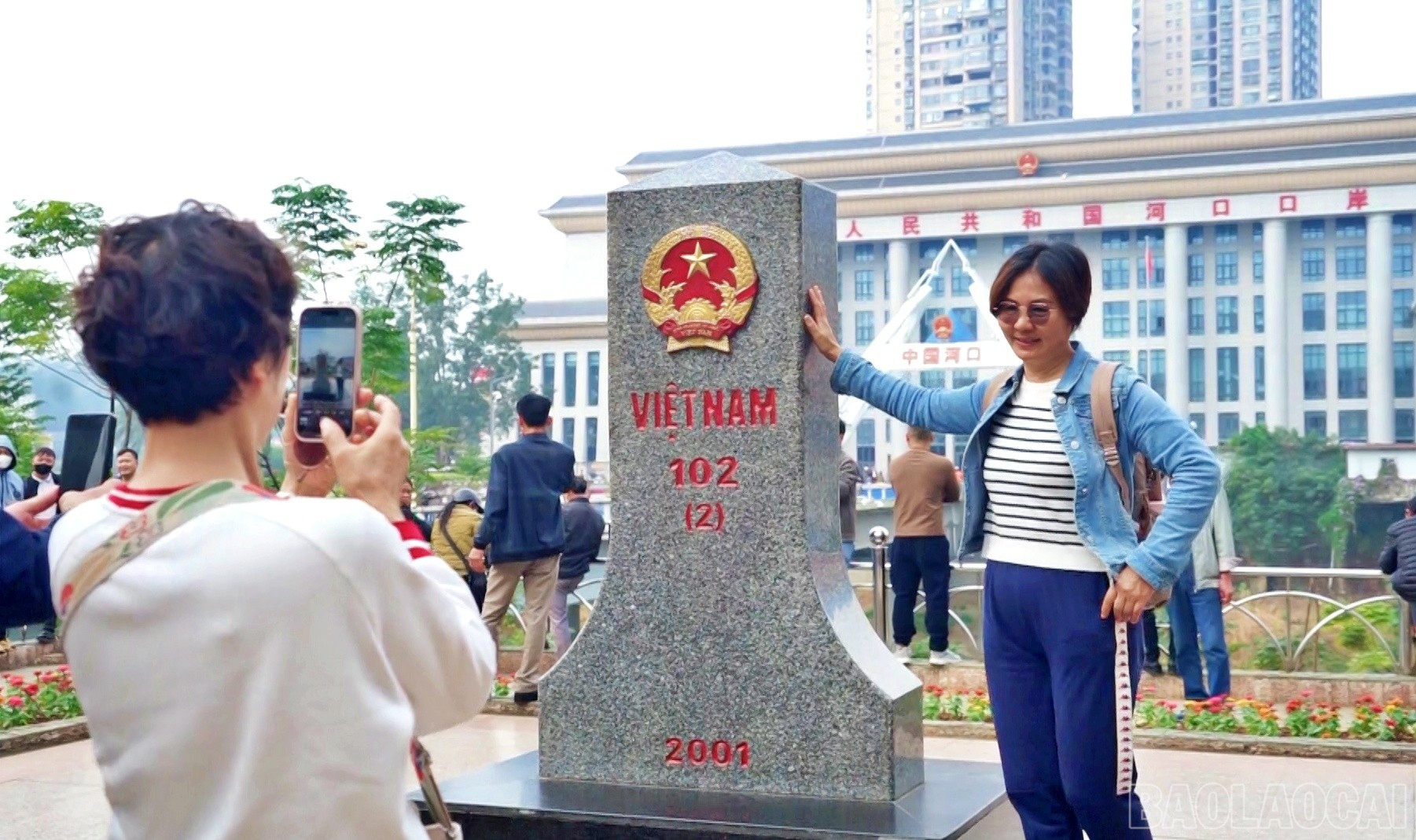
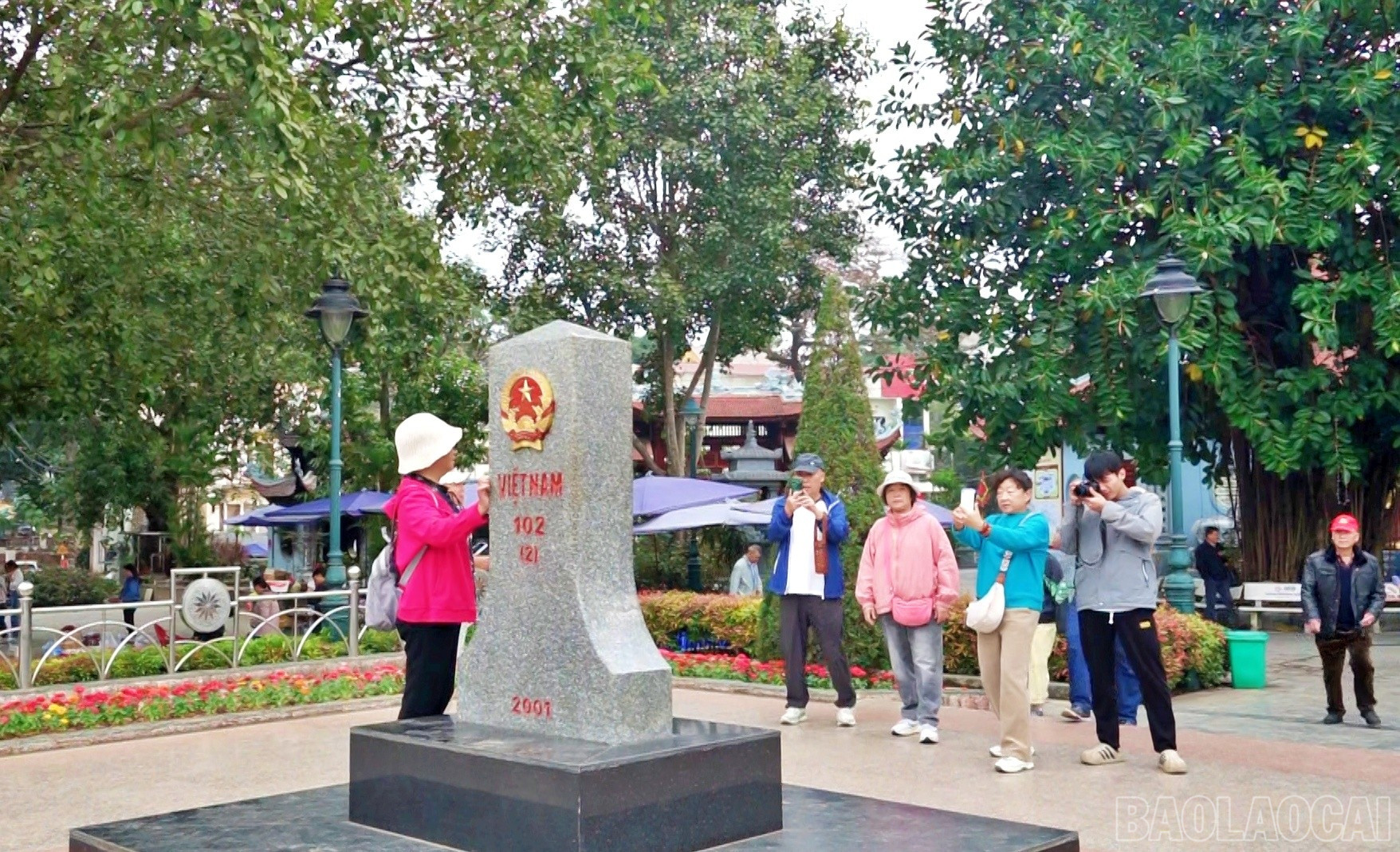
The temple is located right next to the Lao Cai International Border Gate, near border marker 102 (2), so it often attracts a large number of tourists to visit and take pictures.
Quan Temple
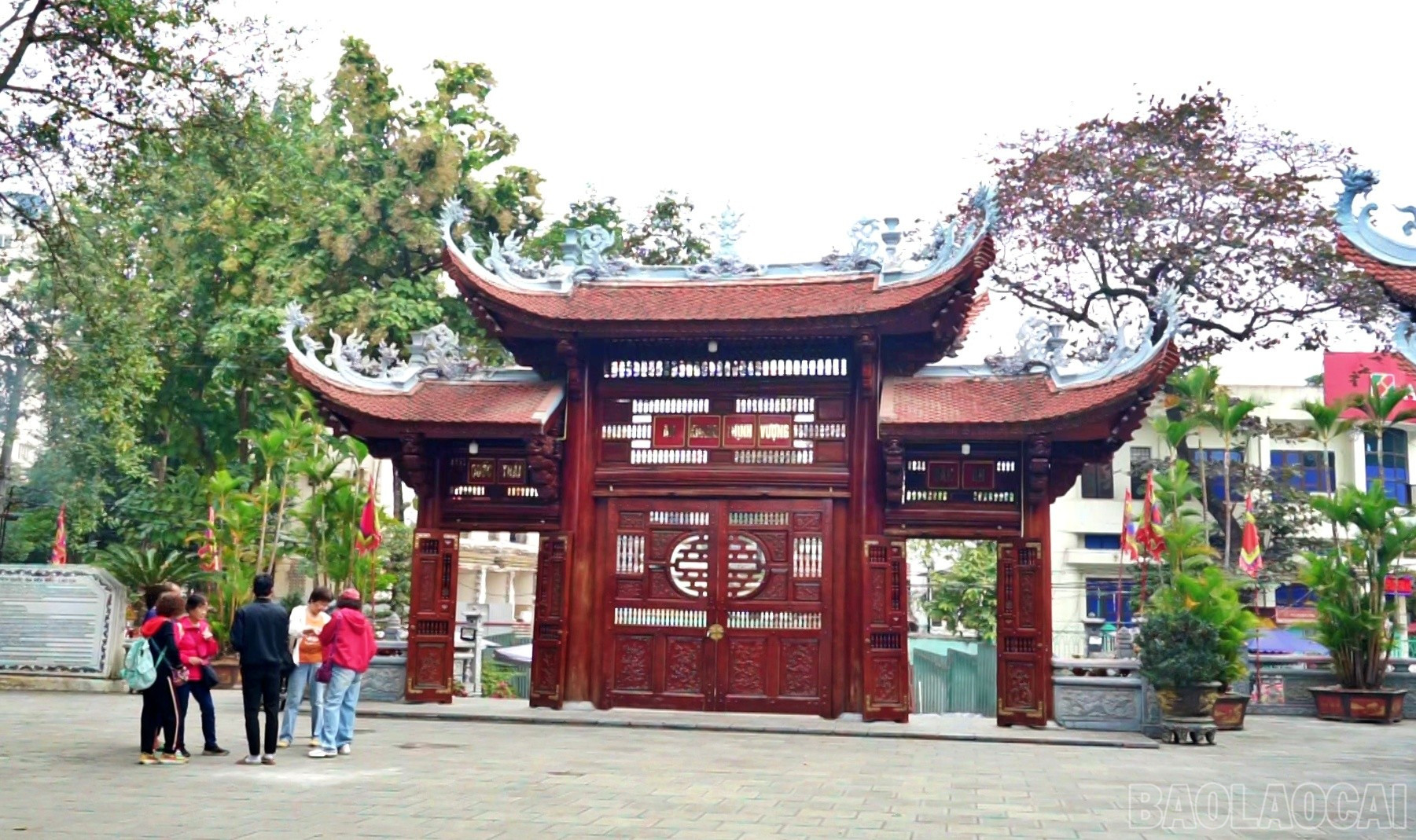
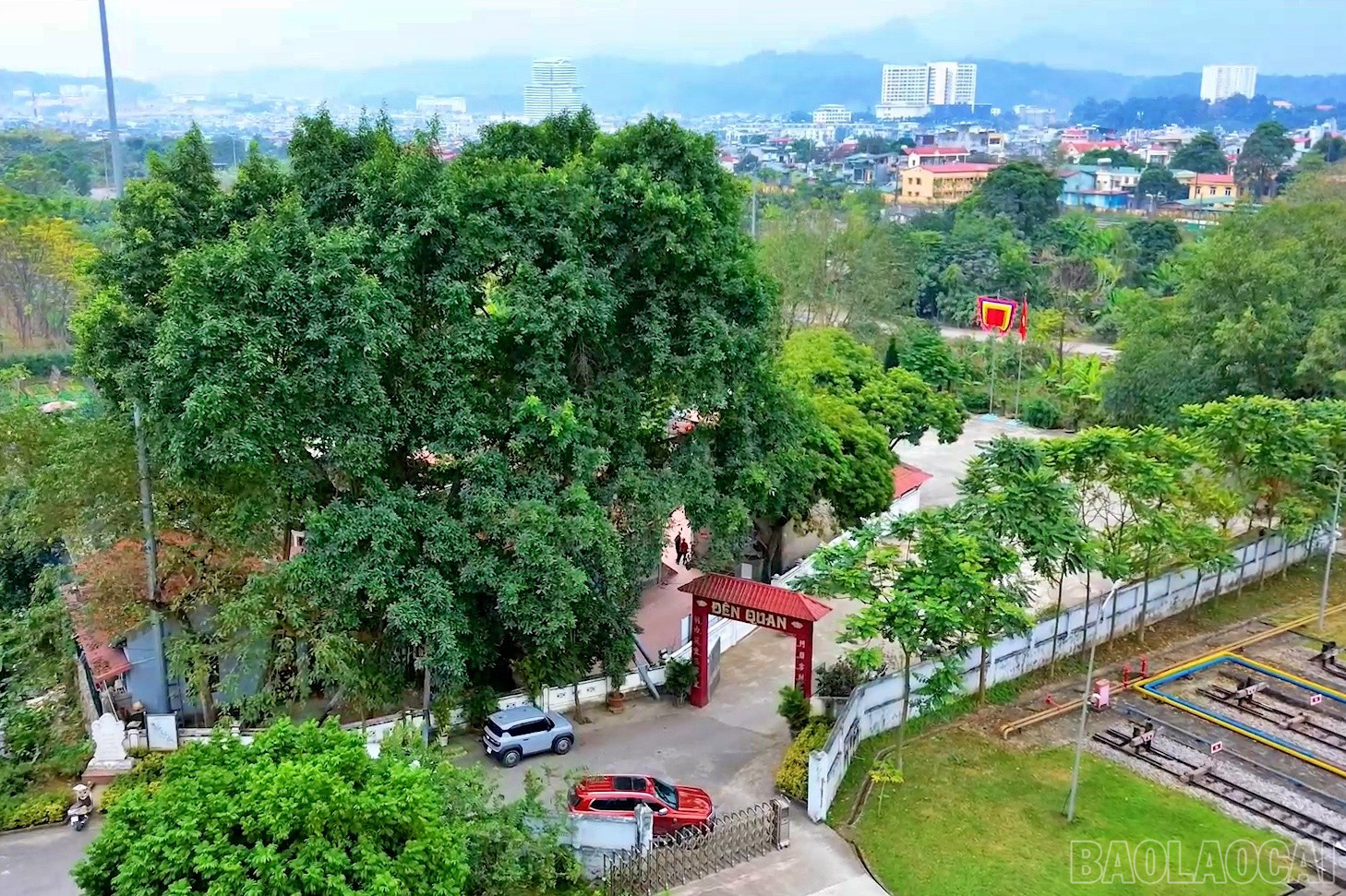
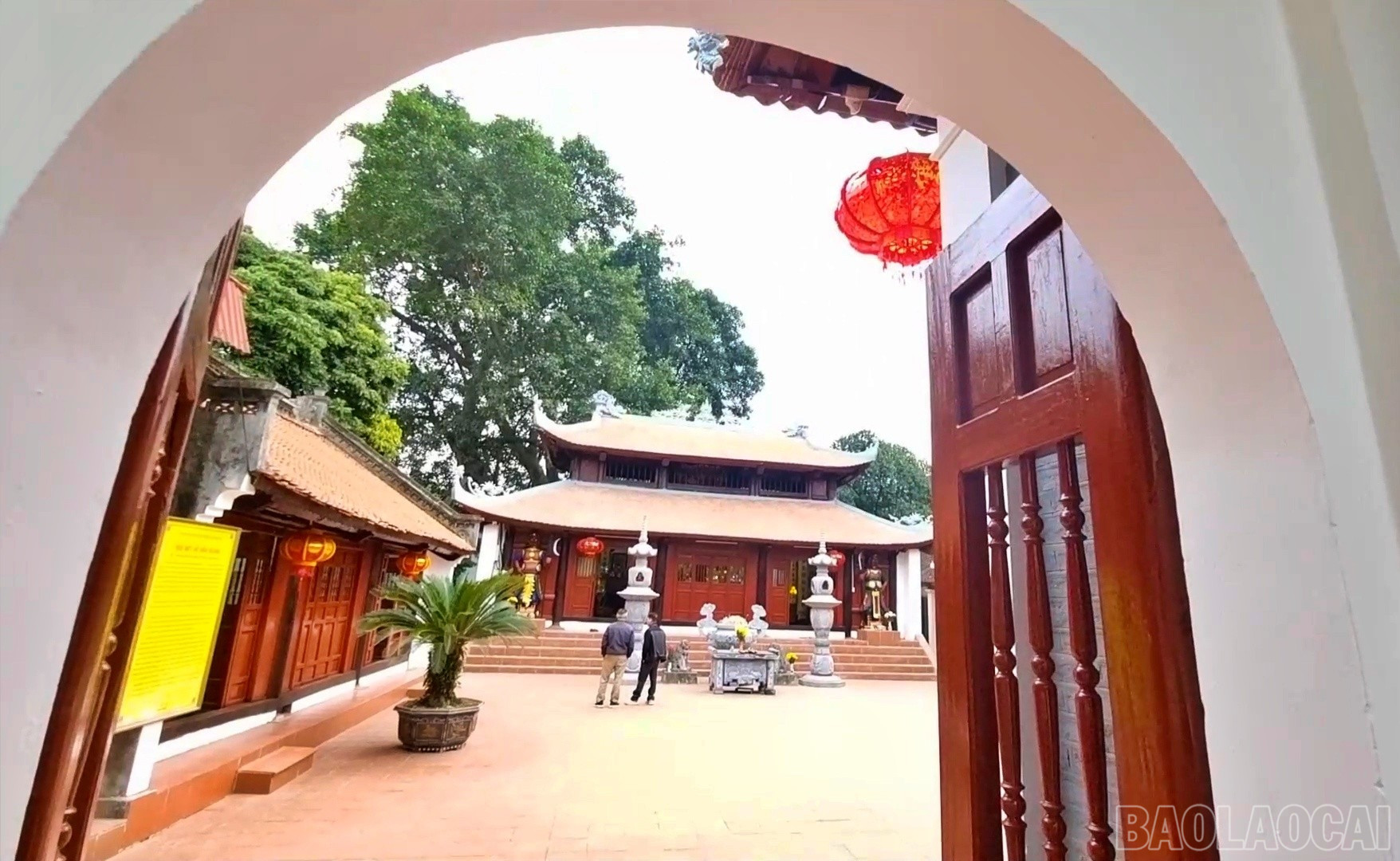
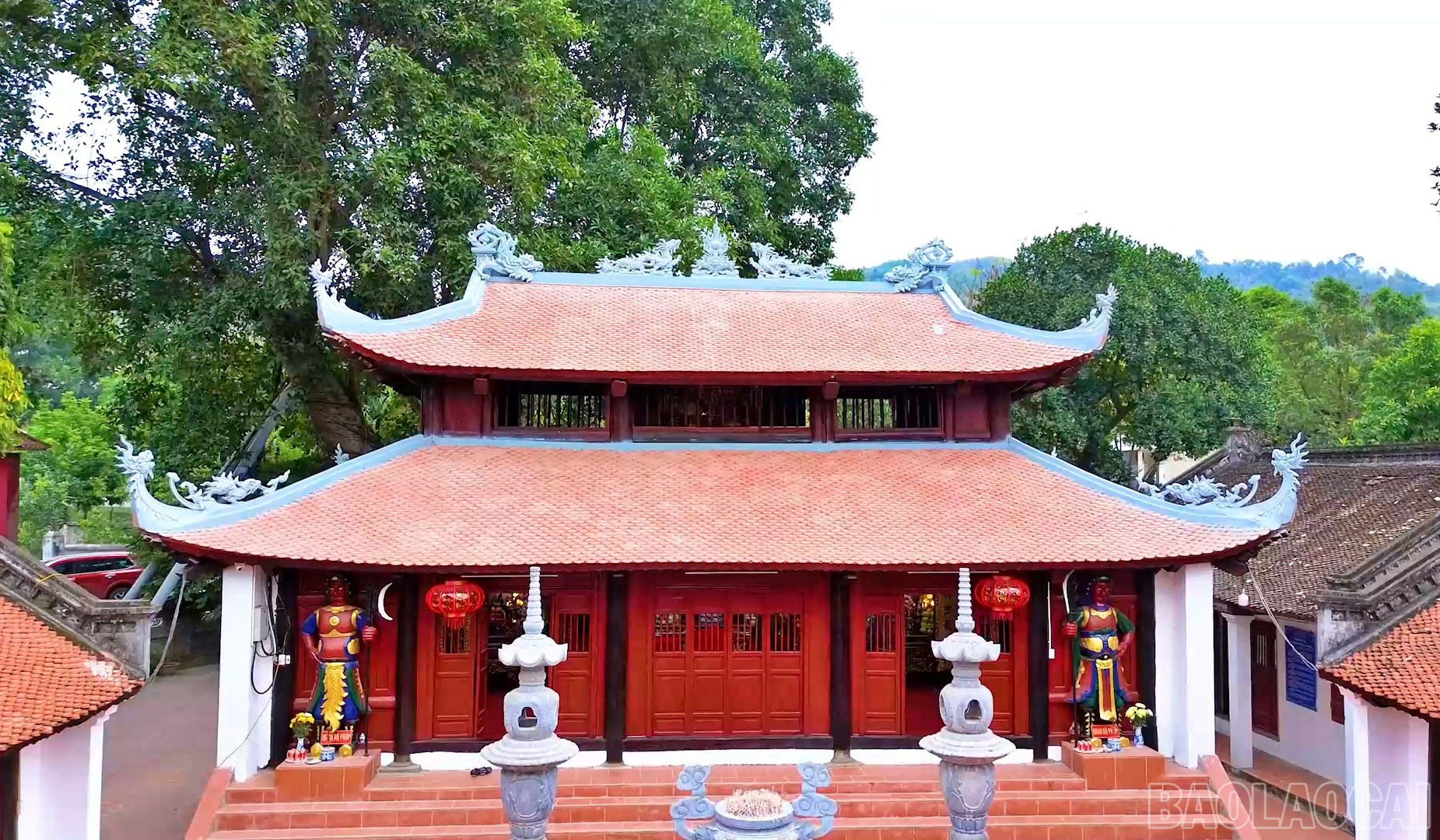
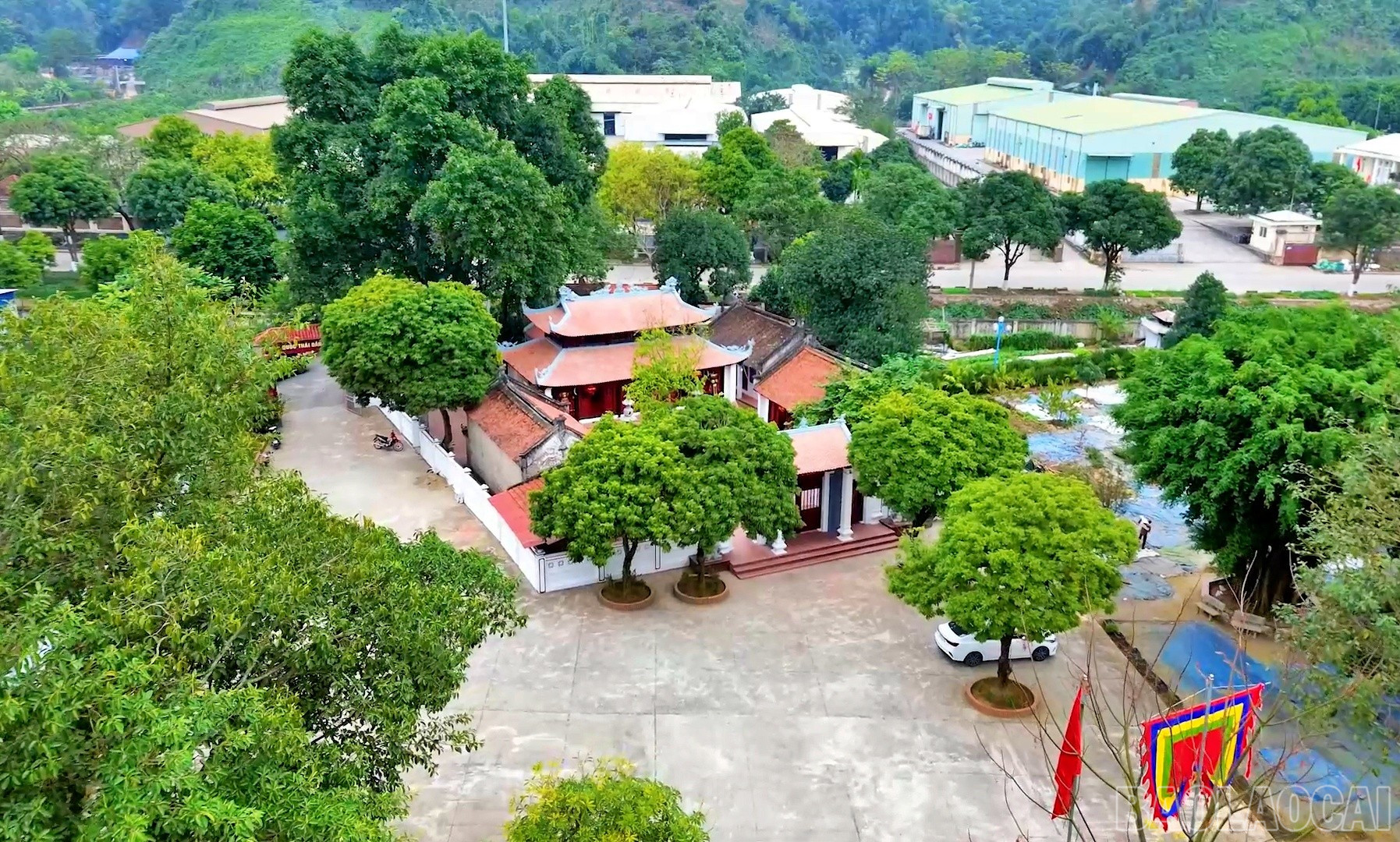
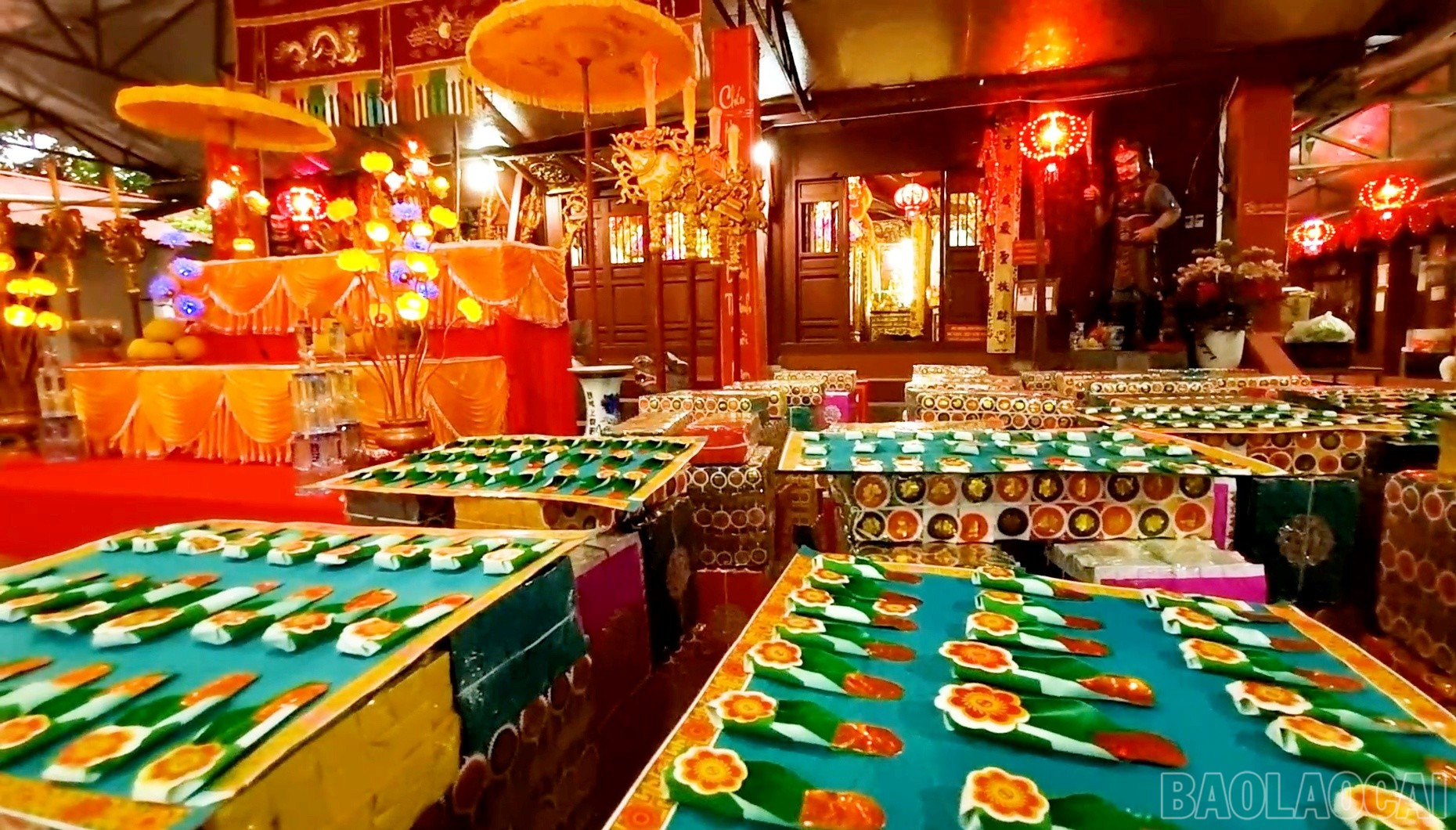
Located about 1 km south of the Thượng and Mẫu temples, the Quan Temple commemorates the resistance against the Mongol invaders in the 13th century, when King Trần Quốc Tuấn (Hưng Đạo Vương) was entrusted with leading the border defense forces. Legend says that the temple's location was the site of the Trần Dynasty army's military camp during that great war of national defense. Currently, the temple is a place of worship for Quan De Nhi Giam Sat - a sacred deity in the pantheon of the Mother Goddess worship of the Three and Four Realms in Vietnam. Quan Temple was classified as a provincial-level historical and cultural relic in 2015. Quan Temple attracts many locals and tourists from all over to offer incense and pay their respects. The Quan Temple has recently undergone renovation and restoration, making it more spacious, clean, and beautiful.
The Quan Temple complex.
Forbidden Temple
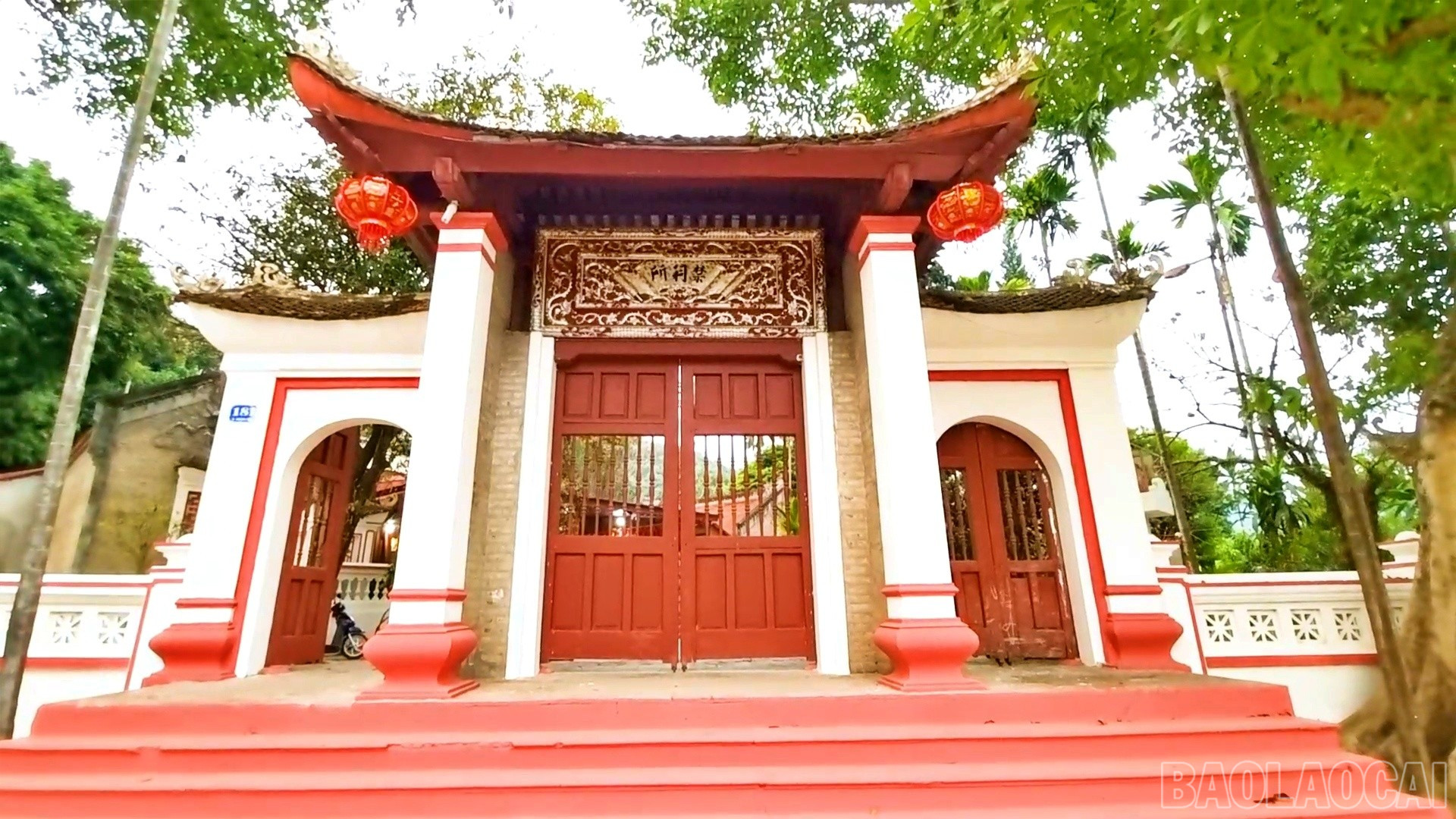
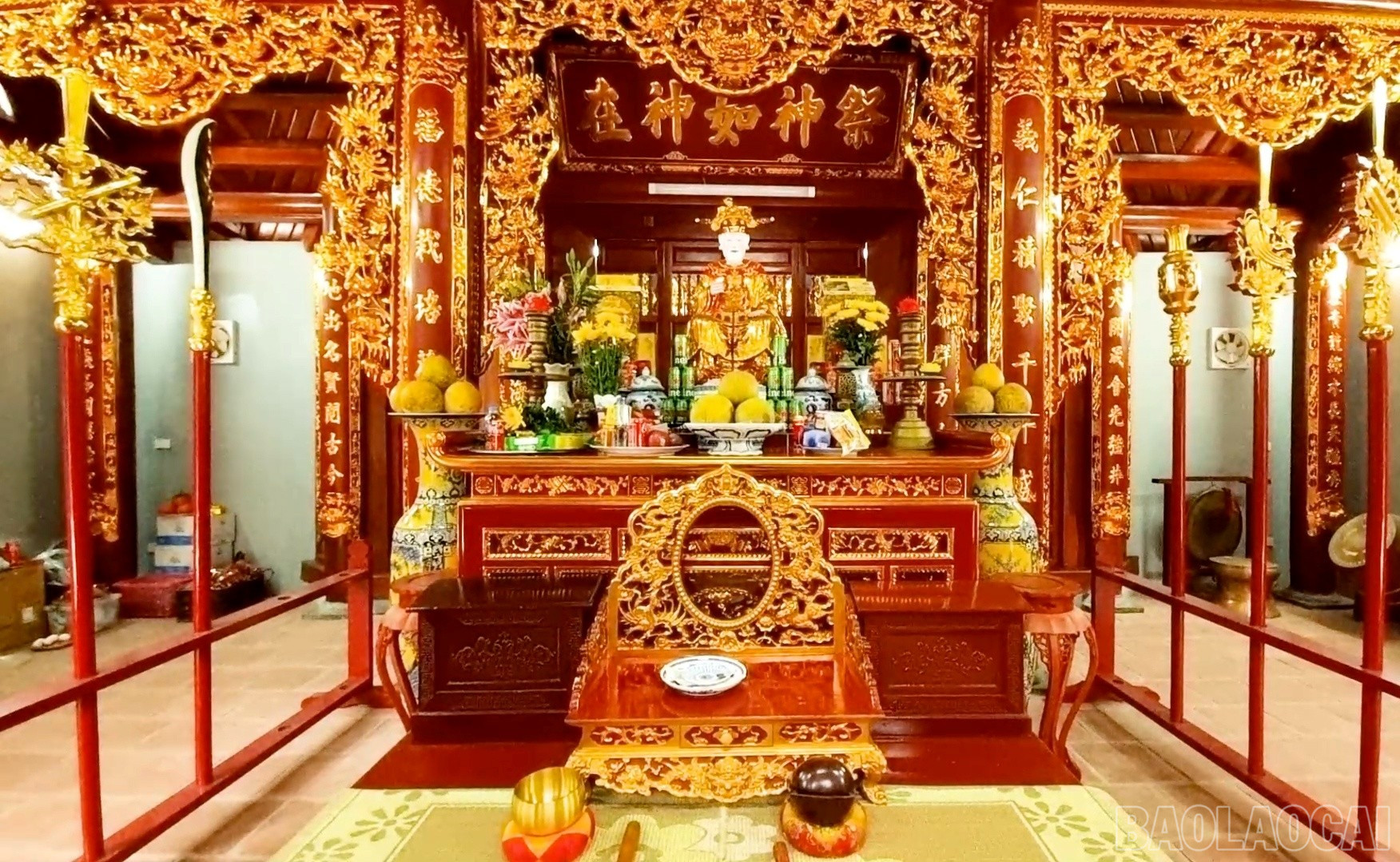
The Forbidden Temple, located in Lao Cai ward, was built in an ancient forbidden forest – a sacred space for the Giay community (where the local people used to hold their forest worship ceremony on the first Dragon day of the seventh lunar month every year). Through cohabitation, the Vietnamese people adopted and integrated this belief, elevating the forest deity to the status of a female deity within the Mother Goddess worship system.
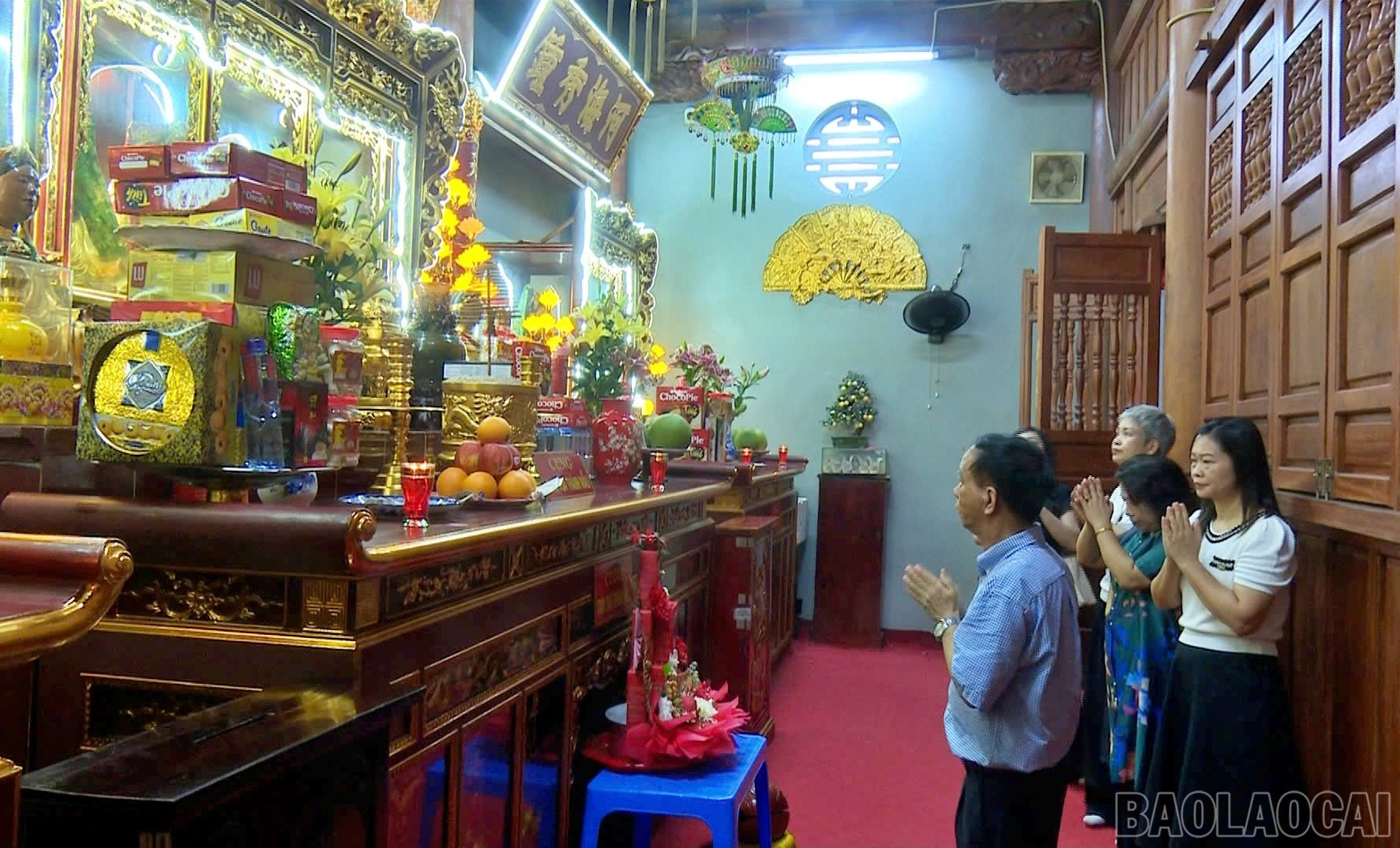
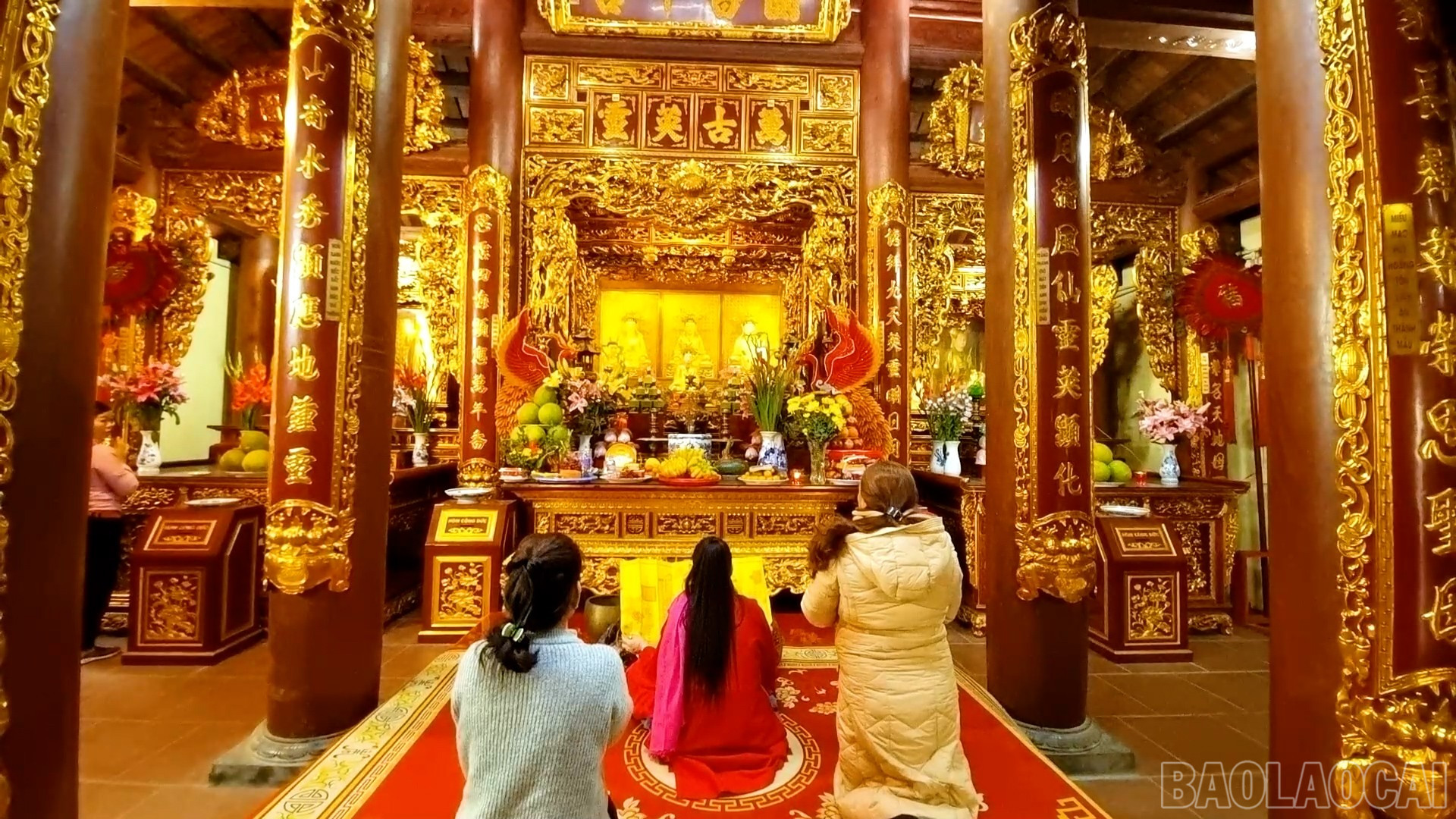
Legend has it that the deity manifested itself to assist the Tran army in fighting against the Yuan-Mongol invaders, and the temple grounds still contain the tombs of five Tran dynasty officials and soldiers, a relic of the glorious Dong A era. Cam Temple was classified as a National Historical and Cultural Monument in 2001. The interior of the Forbidden Temple is a solemn and sacred space. During every festival and holiday, the temple and the people often offer many gifts to show their respect, gratitude, and thanks to the gods who have protected and safeguarded the people throughout the years.
Van Hoa Temple
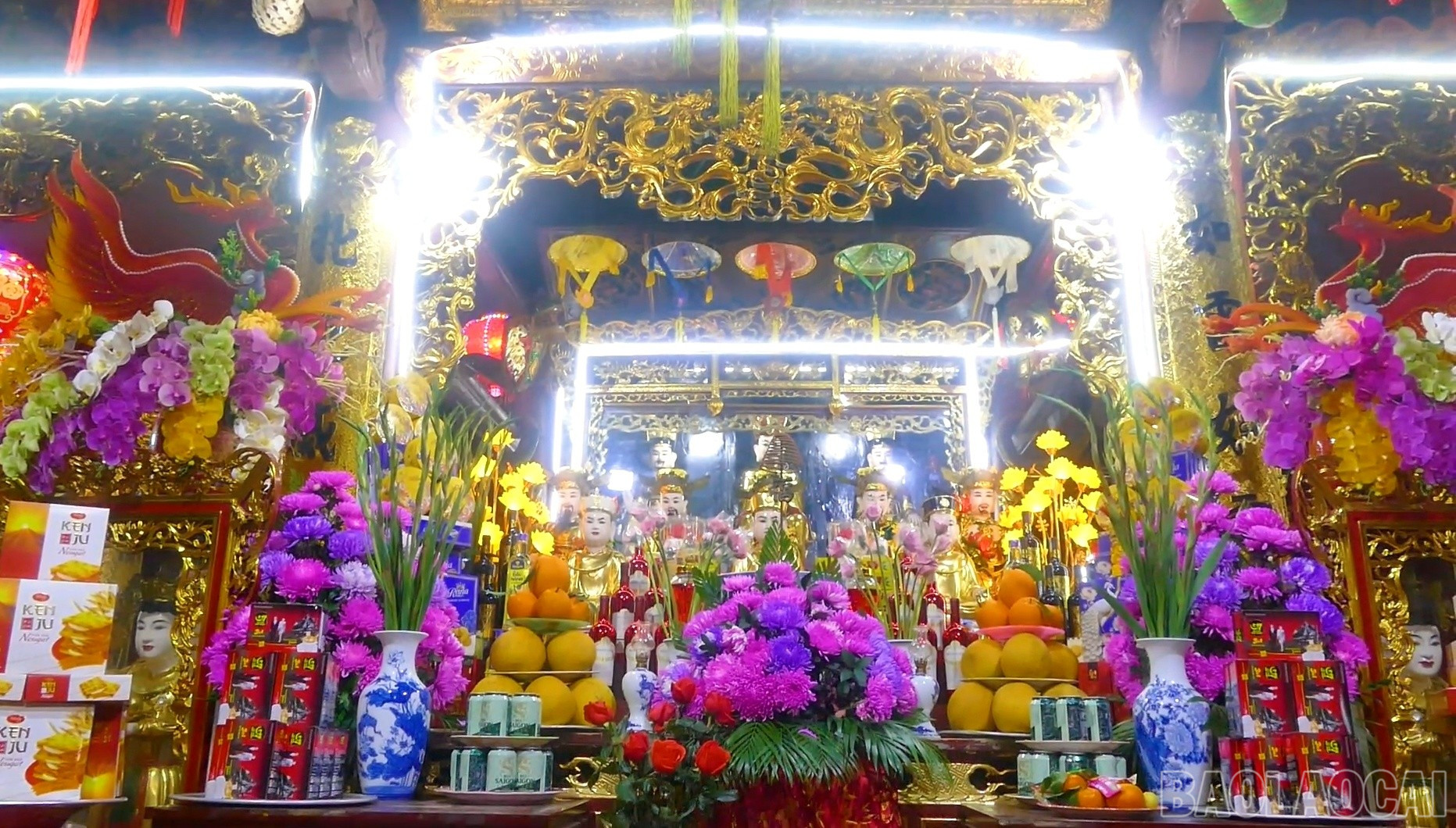
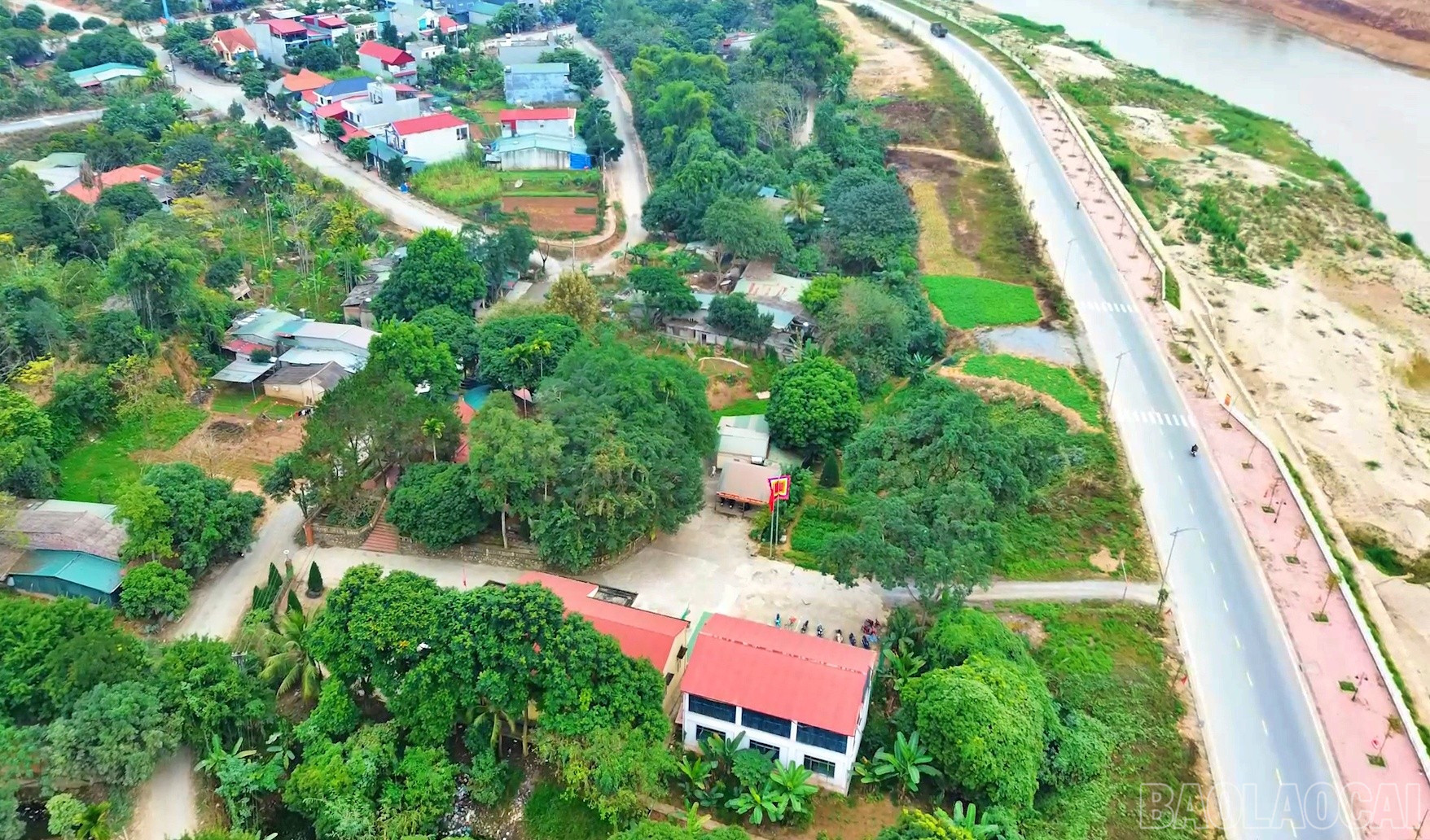
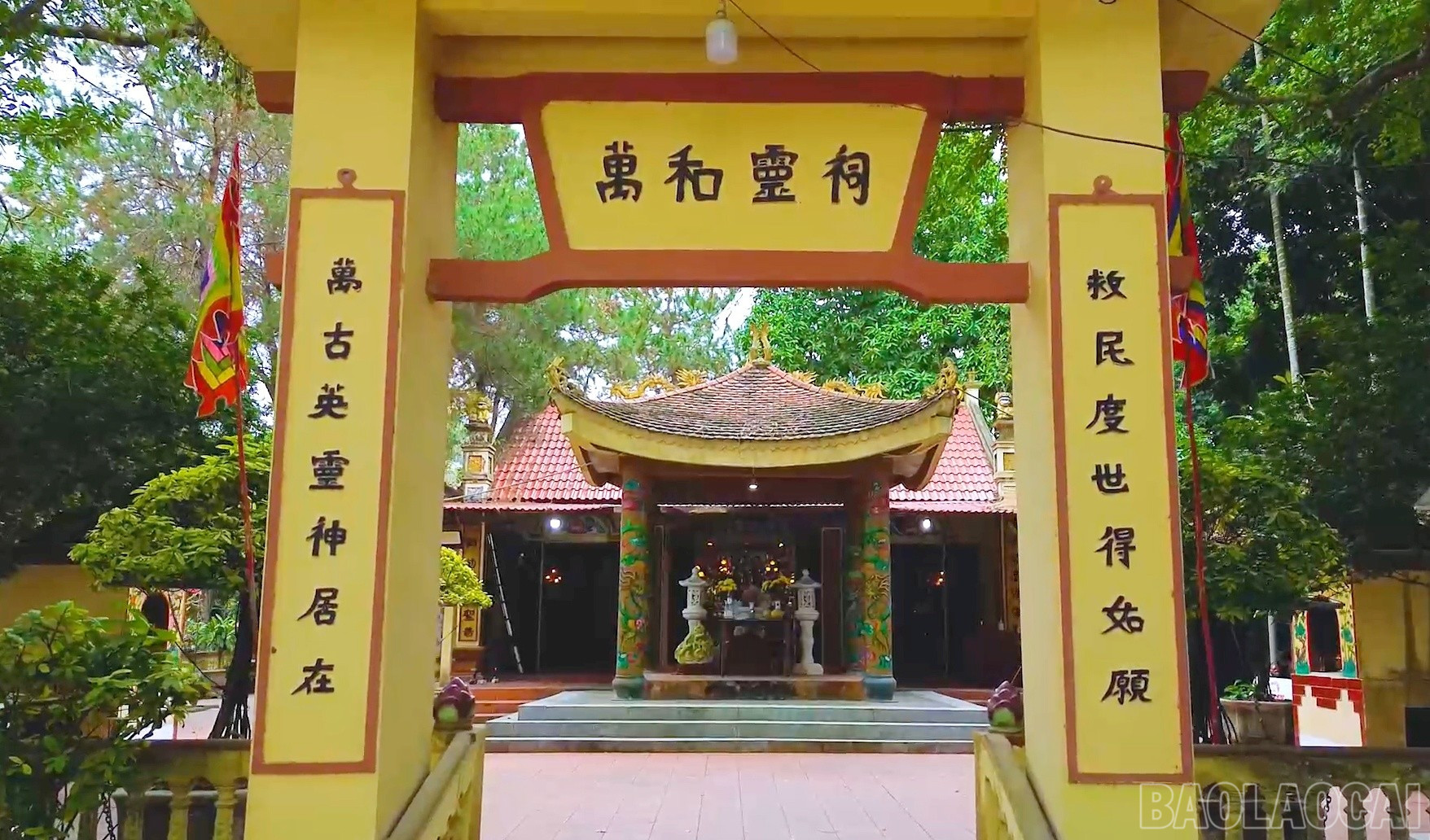
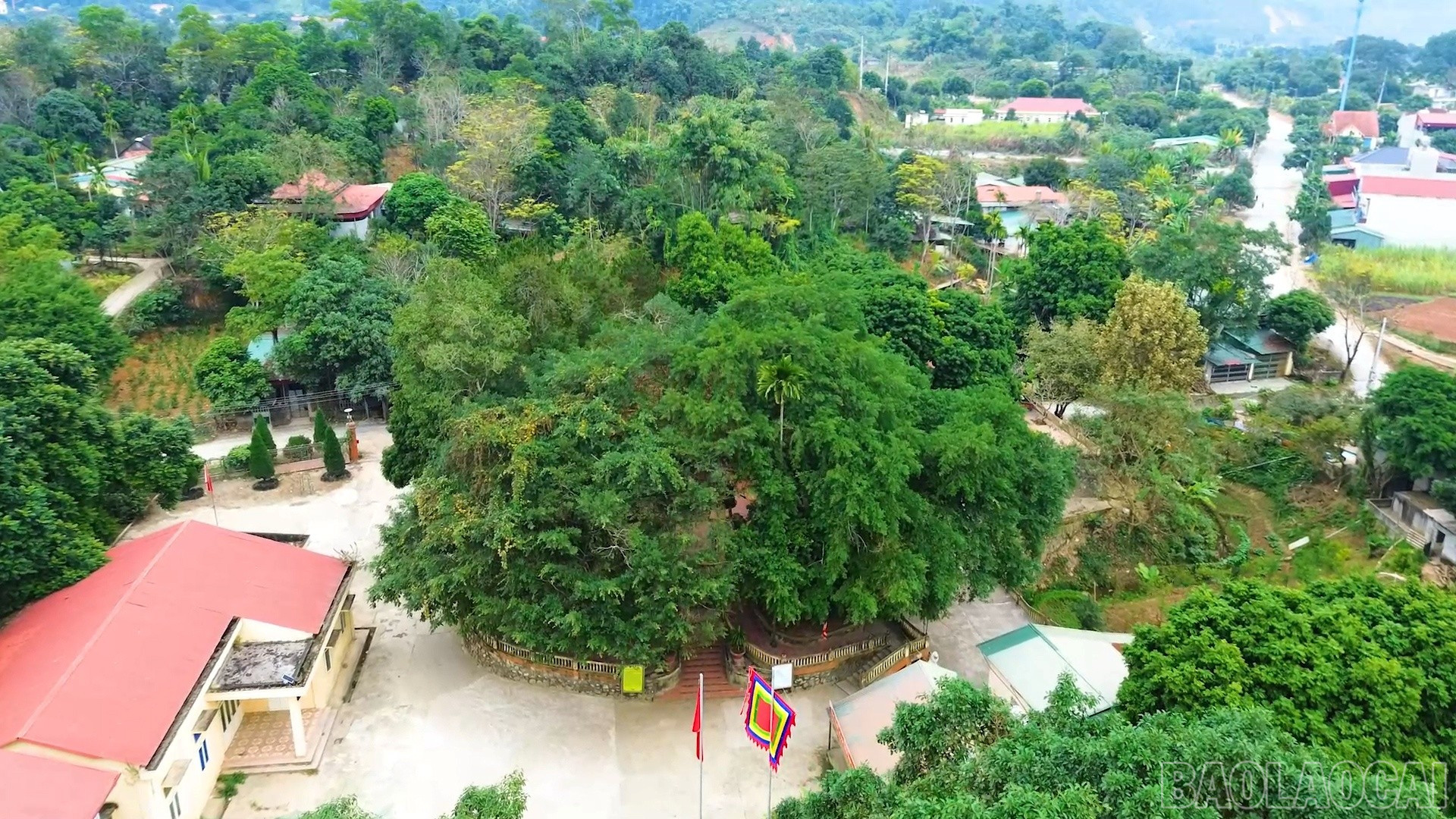
The Van Hoa Temple is located in Canh Chin village, Van Hoa commune, facing the Red River. It is associated with the marching footsteps of the Tran Dynasty army during the resistance against the Mongol-Yuan invasion in the 13th century, when General Tran Quoc Tuan (Hung Dao Vuong) commanded the border defense. Legend says that Saint Tran Quoc Tuan once rested here for a night, so the people erected the temple to commemorate his contributions.
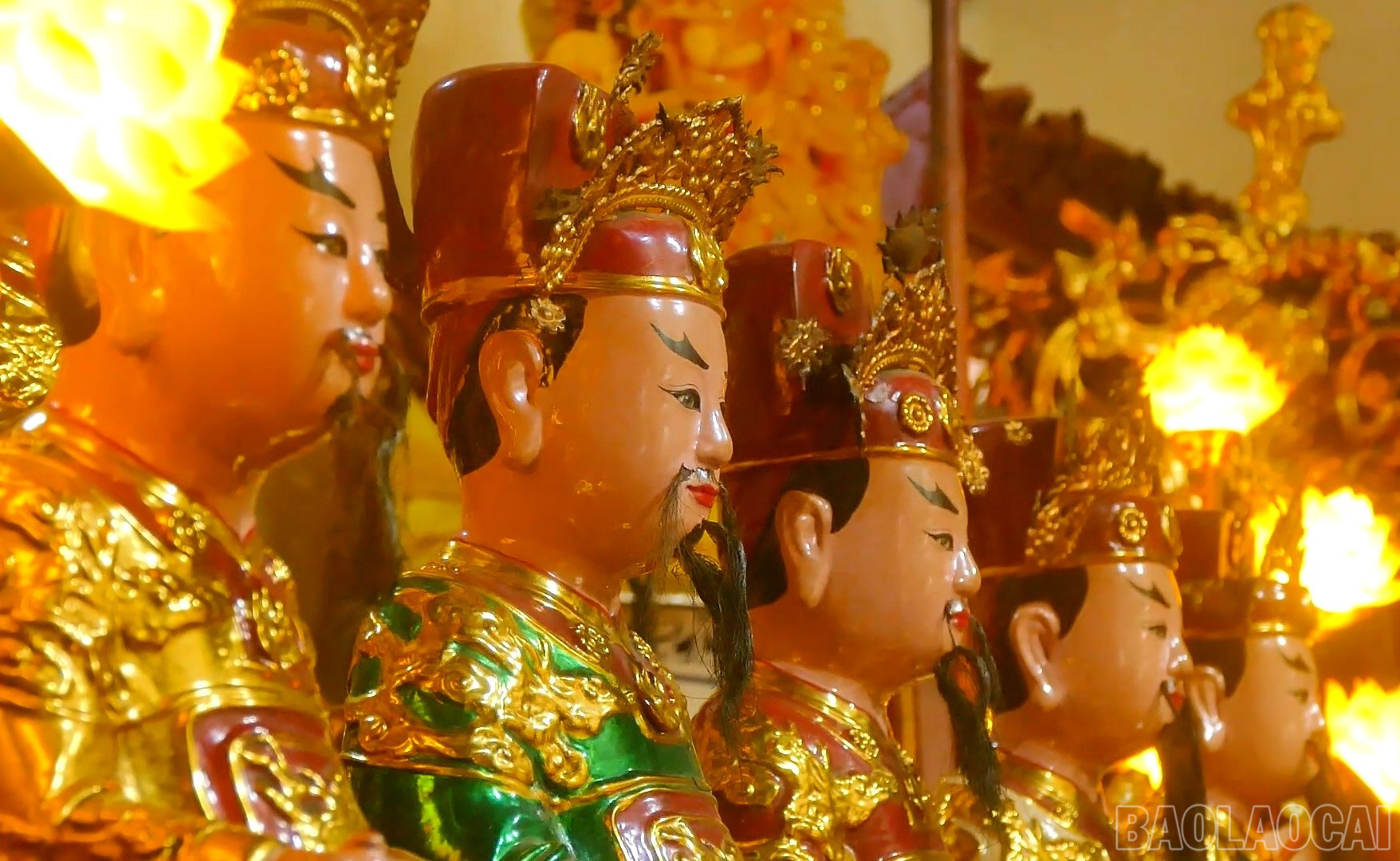
Every year, the temple holds a festival on the 8th day of the first lunar month and a commemoration ceremony for the death anniversary of Hung Dao Dai Vuong on the 20th day of the eighth lunar month. Van Hoa Temple was classified as a provincial-level historical and cultural relic in 2017. Statues of deities are worshipped at Van Hoa Temple. Amidst the hustle and bustle of modern life, sacred temples quietly preserve the memory of a land that once served as a frontier of the nation, a place where people entrusted their hopes for peace and the protection of the gods.


![[Photo] Solemn bathing ceremony and Buddha procession in Hue](https://vphoto.vietnam.vn/thumb/1200x675/vietnam/resource/IMAGE/2026/05/31/1780228263543_1-jpg.webp)
![[Photo] The General Secretary, President and his wife begin their state visit to the Philippines.](https://vphoto.vietnam.vn/thumb/1200x675/vietnam/resource/IMAGE/2026/05/31/1780230559452_anh-man-hinh-2026-05-31-luc-19-28-11.png)
![[Photo] Admire the coral "masterpiece" amidst the million-year-old heritage of Dak Lak province.](https://vphoto.vietnam.vn/thumb/1200x675/vietnam/resource/IMAGE/2026/05/31/1780221235105_anh-man-hinh-2026-05-31-luc-16-53-27.png)








![[Video] Sunset at Lap An Lagoon – Where the sun sets over the fishing nets](https://vphoto.vietnam.vn/thumb/340x192/vietnam/resource/IMAGE/2026/05/31/1780192137701_beach-landscape-sea-water-nature-grass-745871-pxhere-com.jpeg)




























![[Photo] Admire the coral "masterpiece" amidst the million-year-old heritage of Dak Lak province.](https://vphoto.vietnam.vn/thumb/402x226/vietnam/resource/IMAGE/2026/05/31/1780221235105_anh-man-hinh-2026-05-31-luc-16-53-27.png)



























Comment (0)