Female PhD in the world's top influence, runs 'million dollar' science fund
Báo Dân trí•12/05/2024
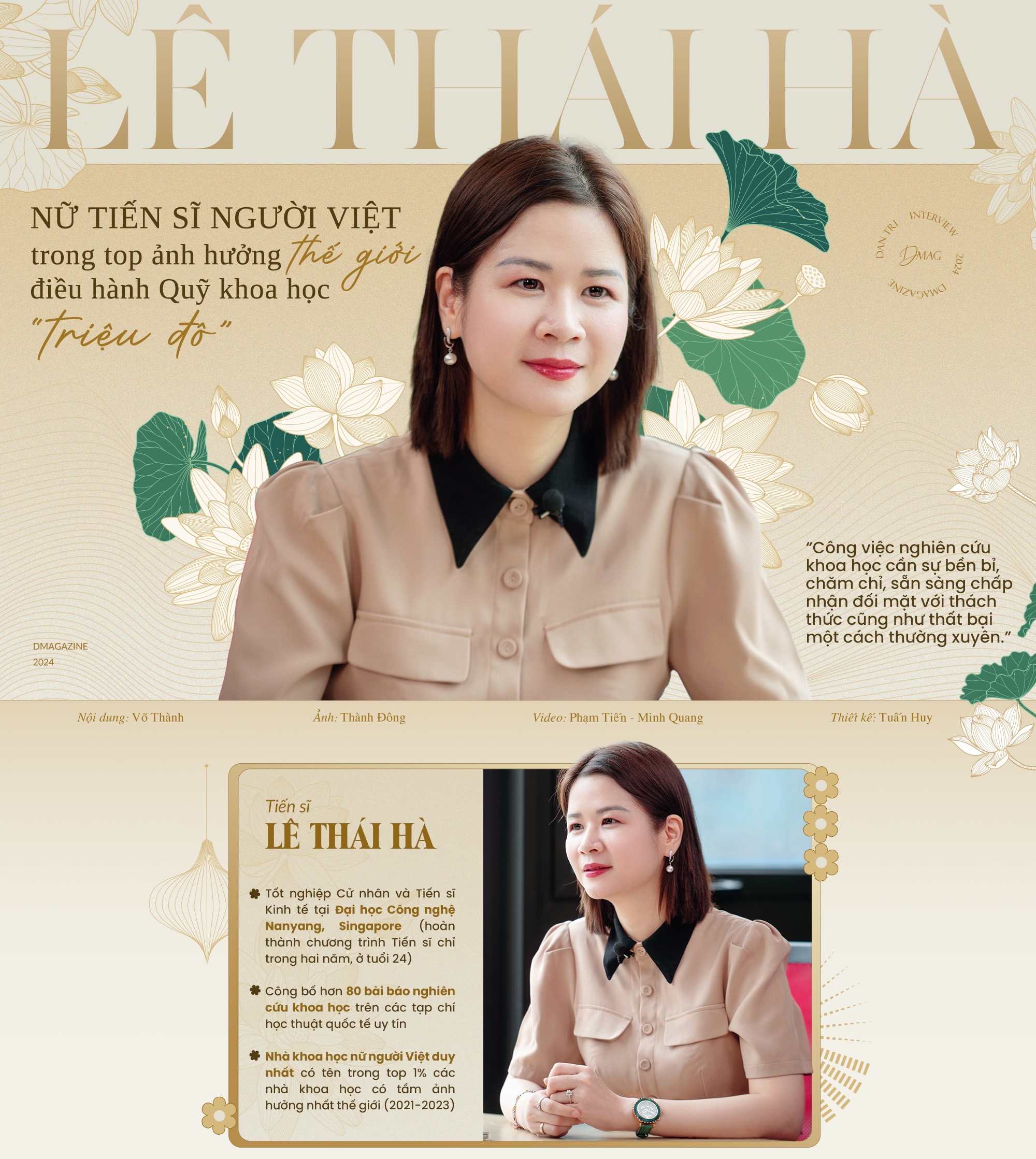
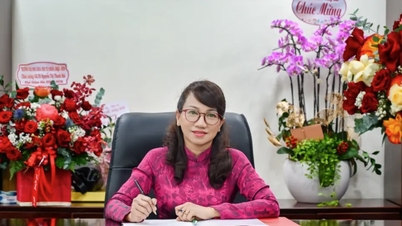
(Dan Tri Newspaper) - Dr. Le Thai Ha, Director of VinFuture Foundation and the Green Future Foundation, shares about her scientific research journey and her connection to managing the "million-dollar" science award.
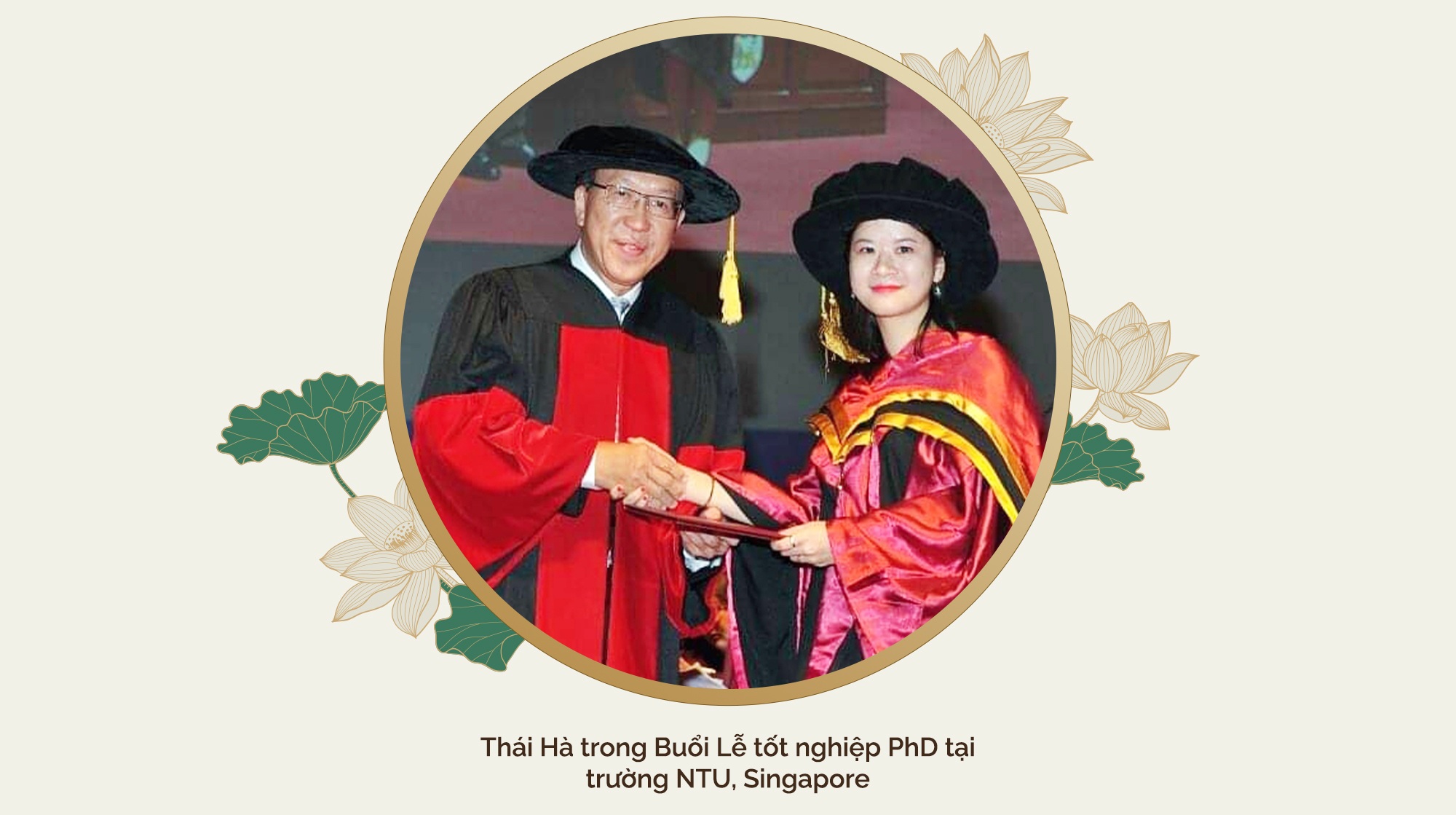
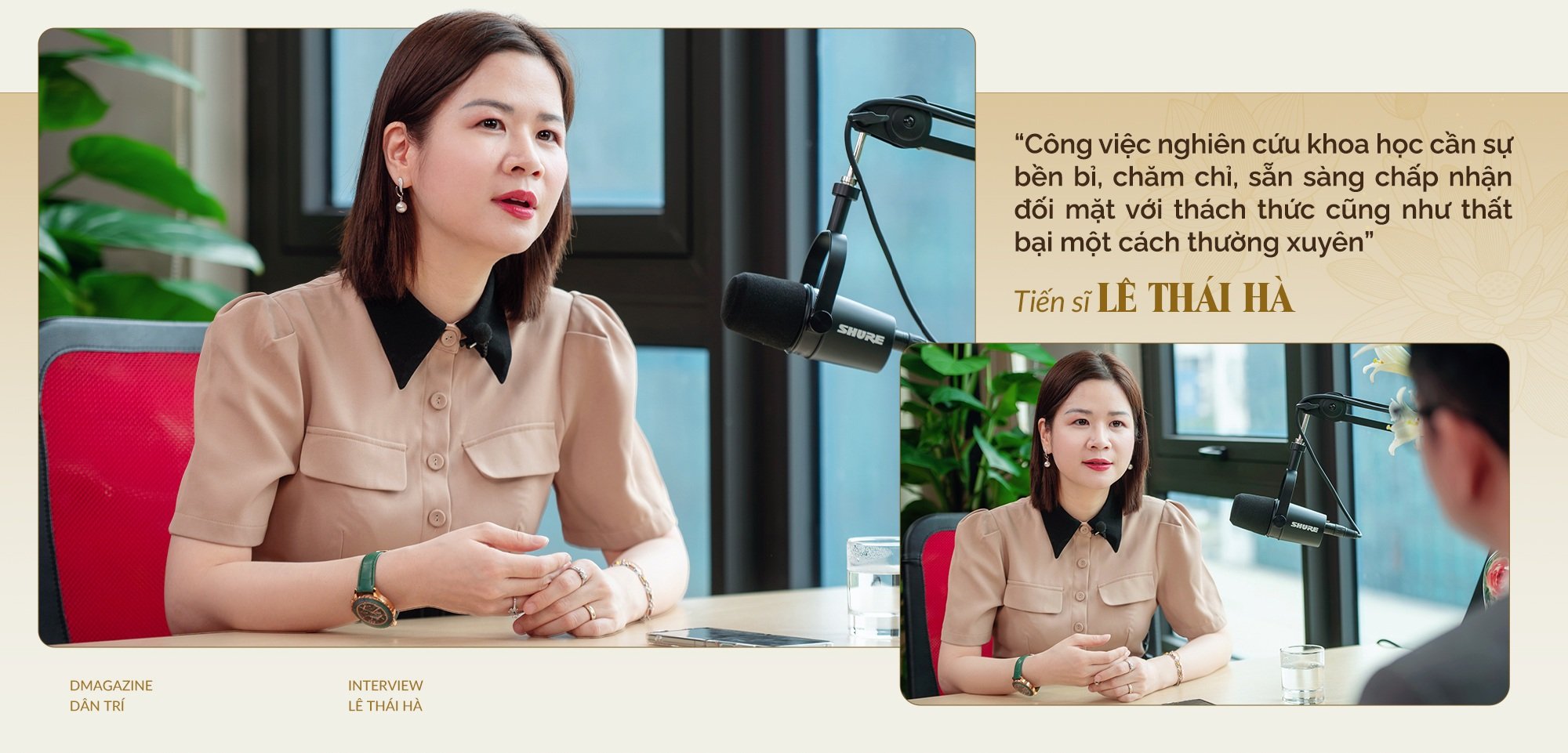
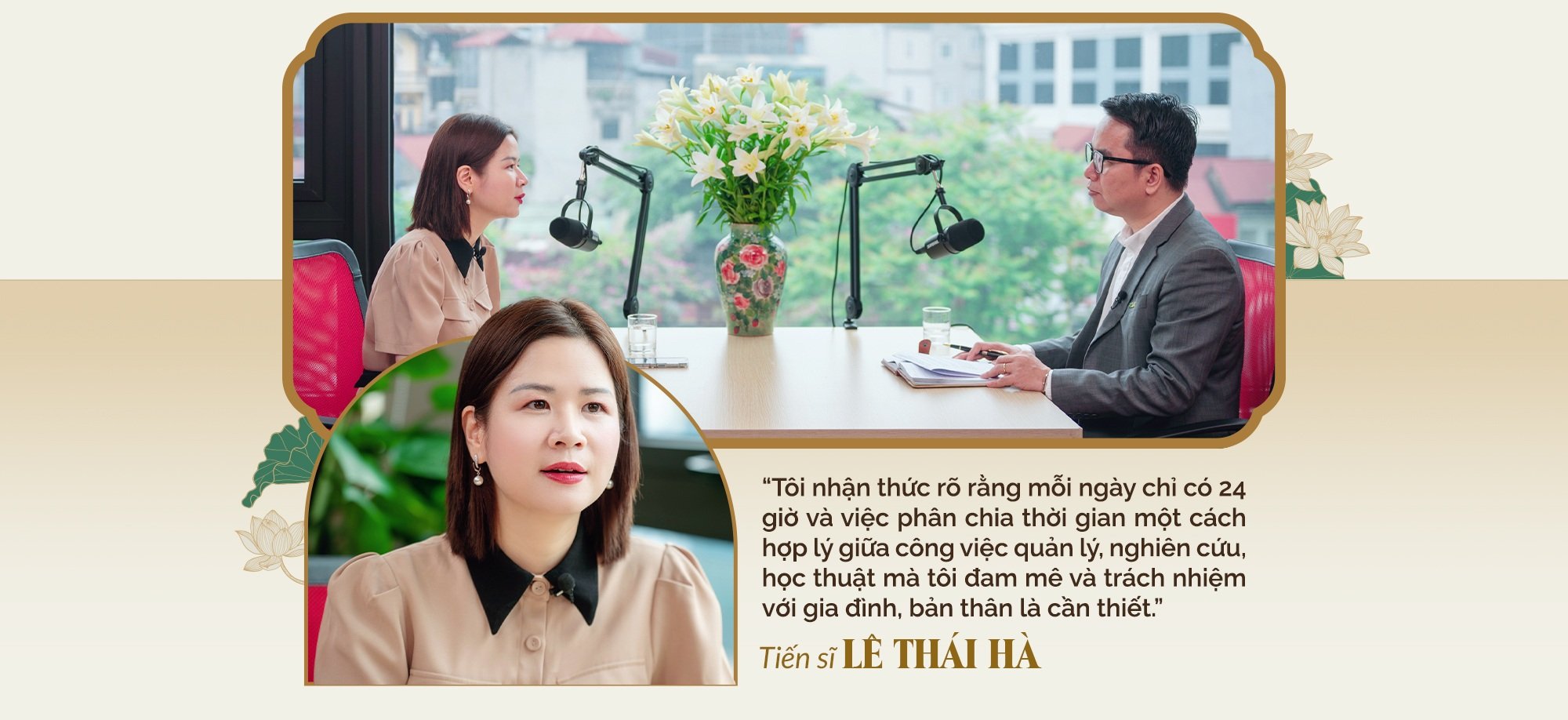
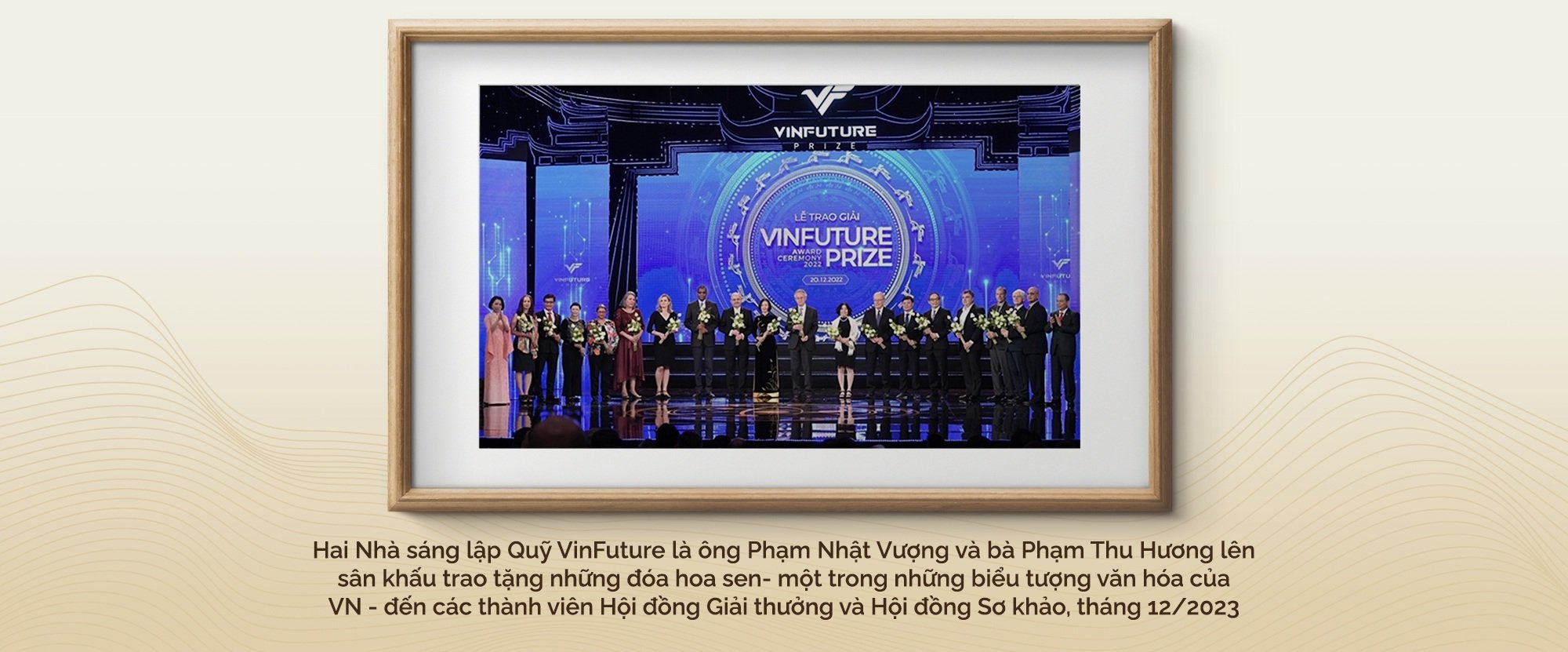
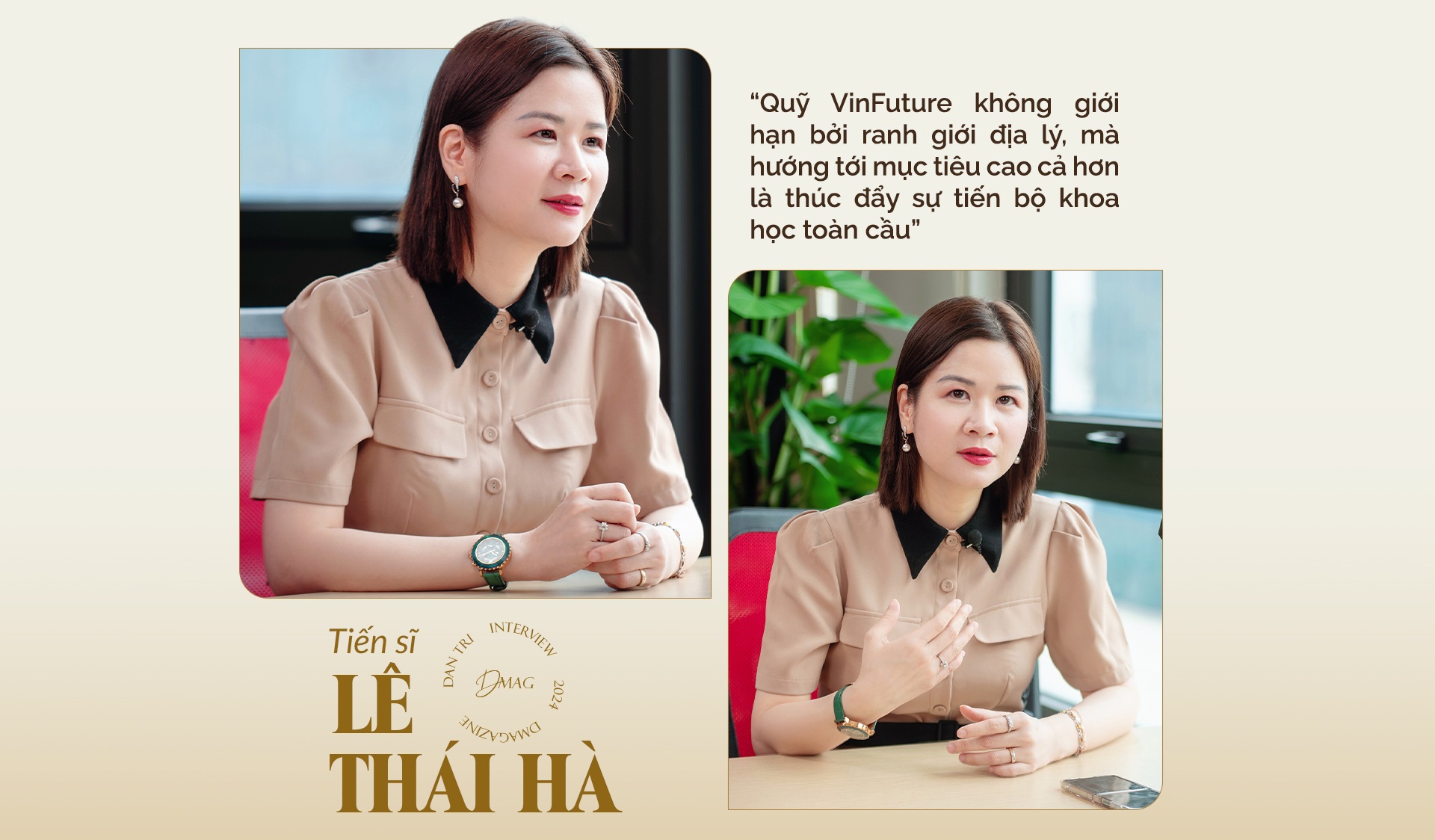
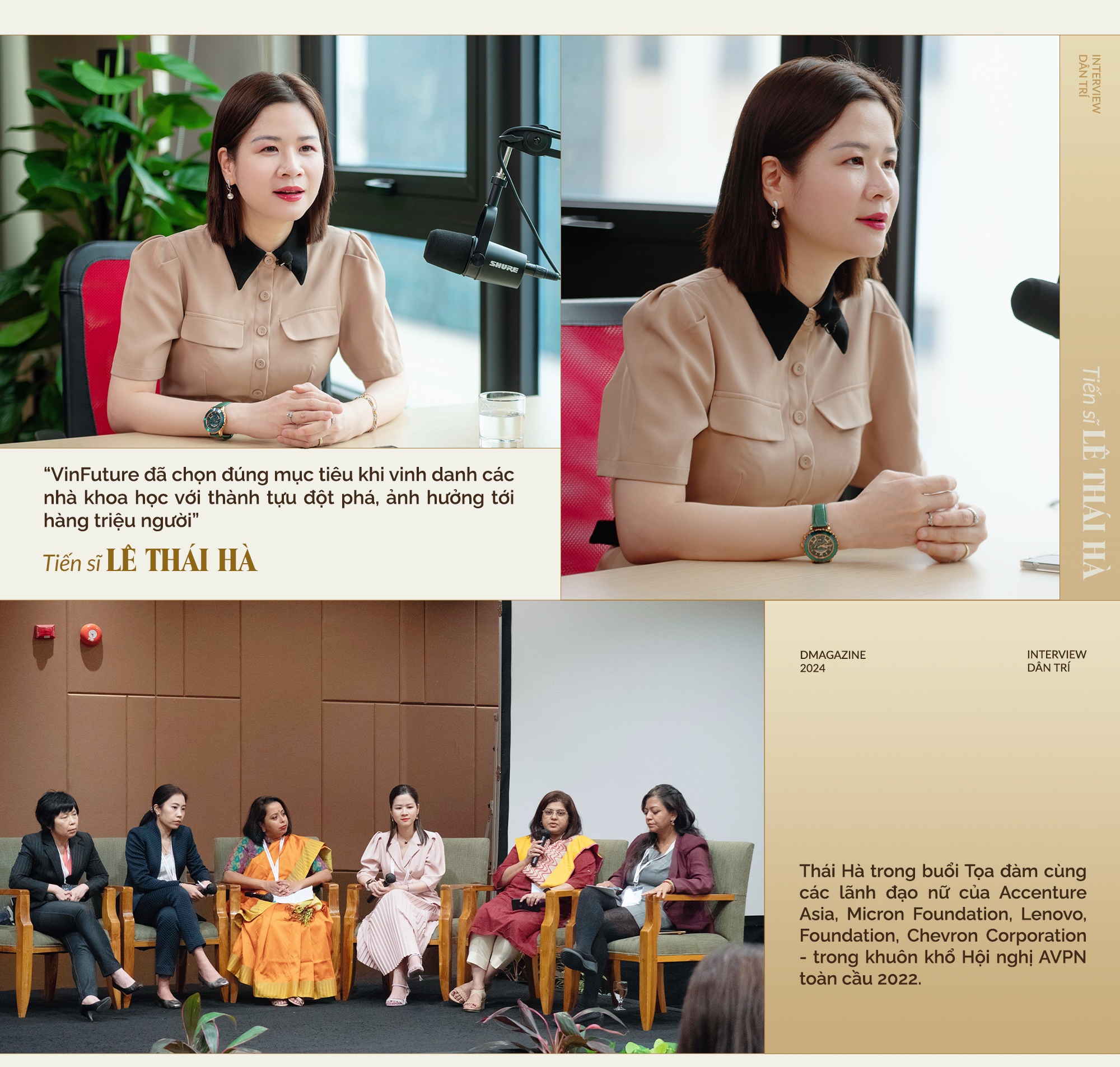
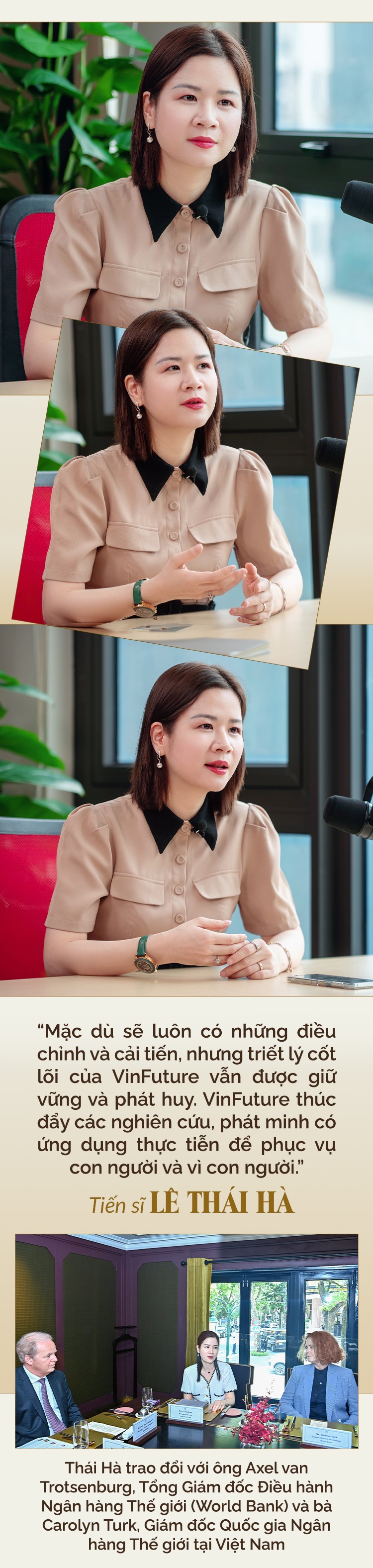
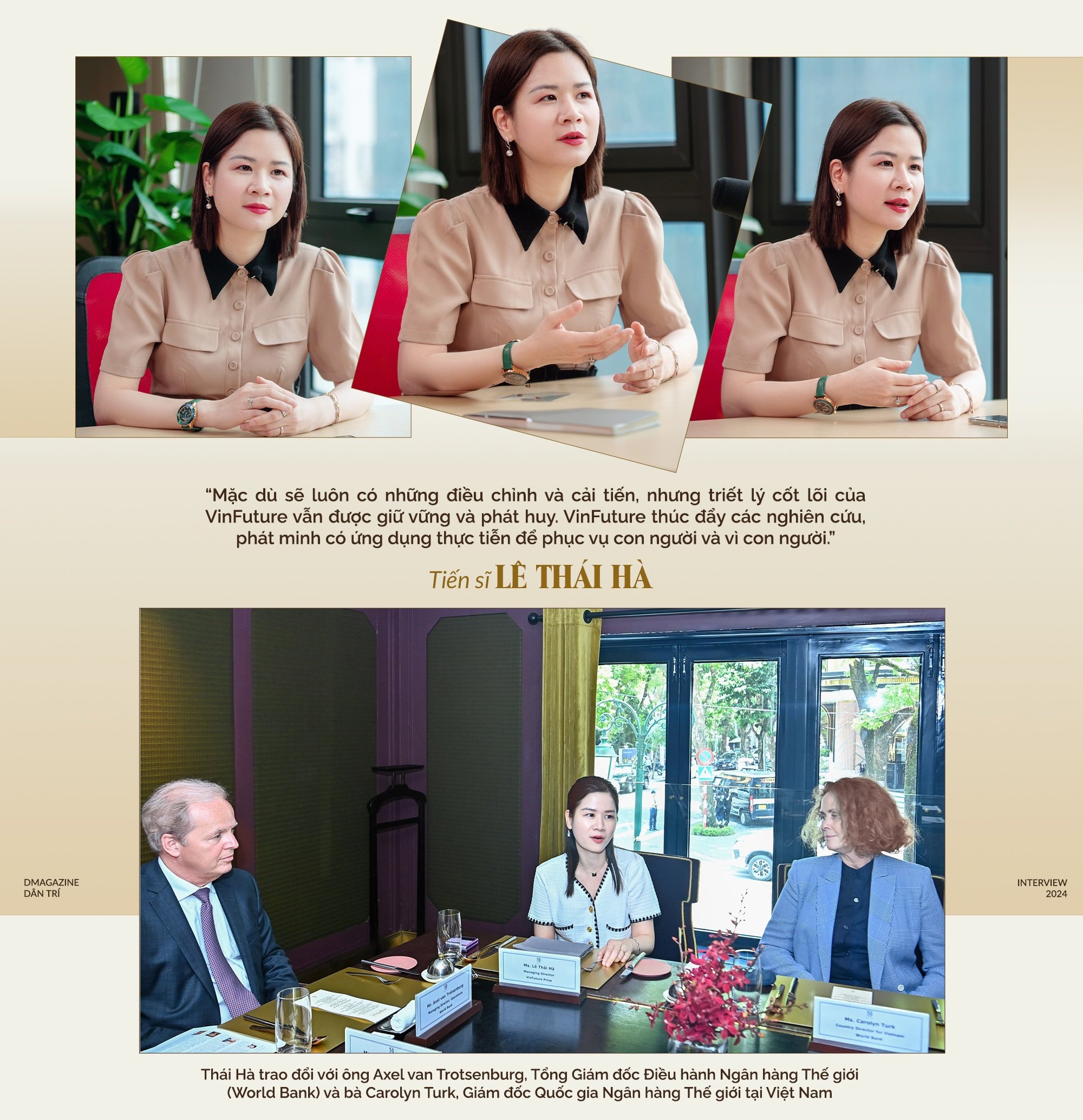
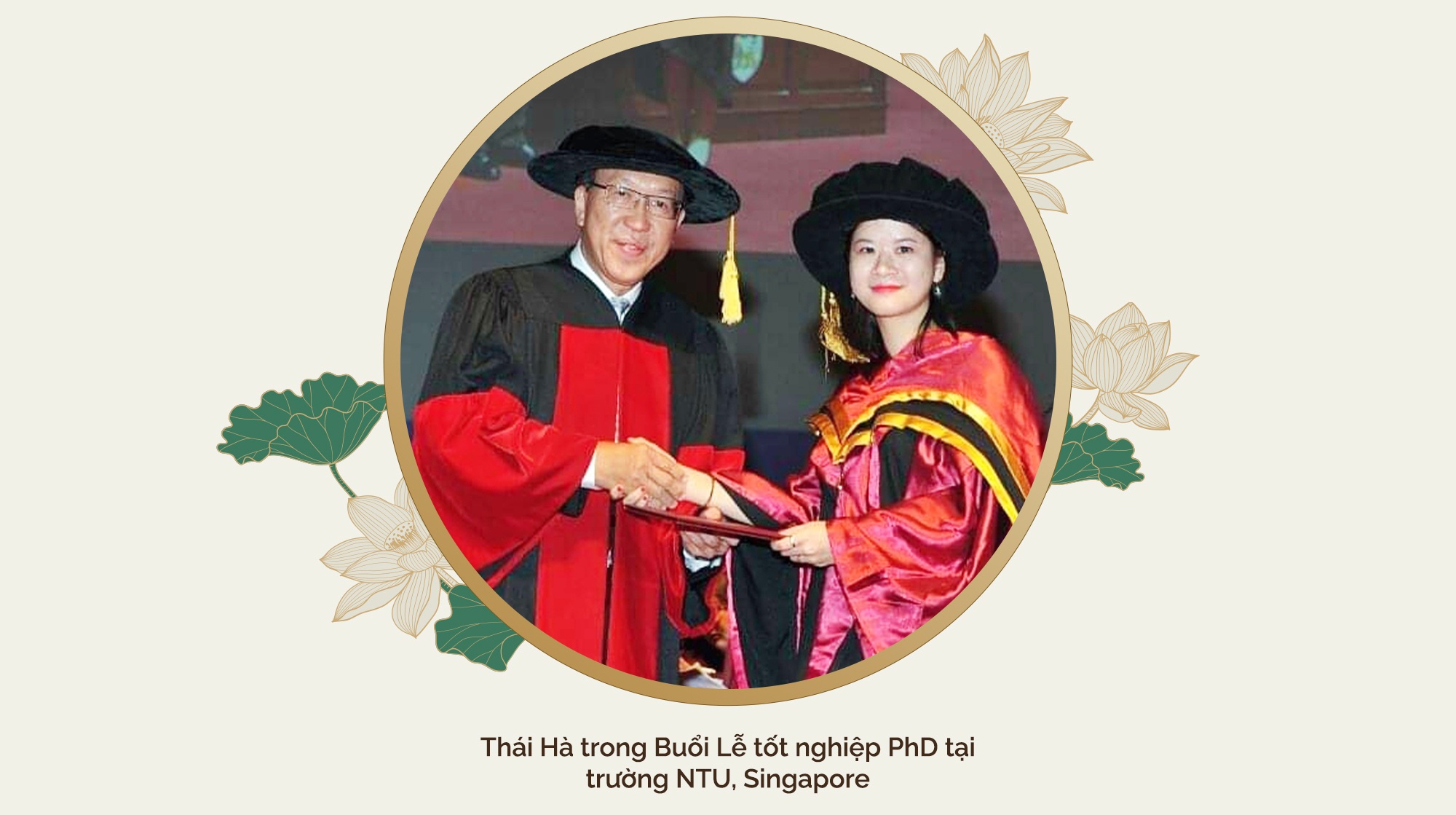
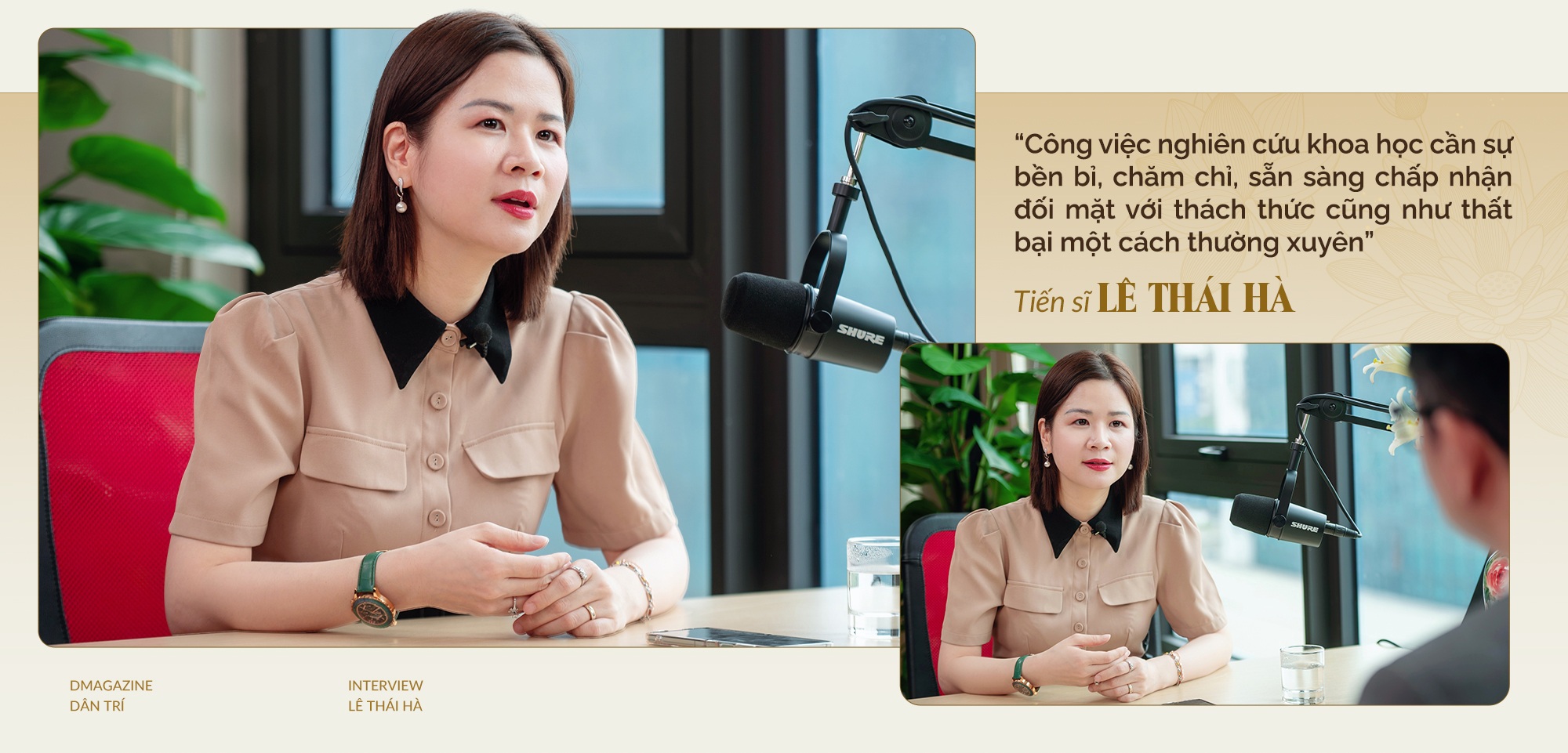
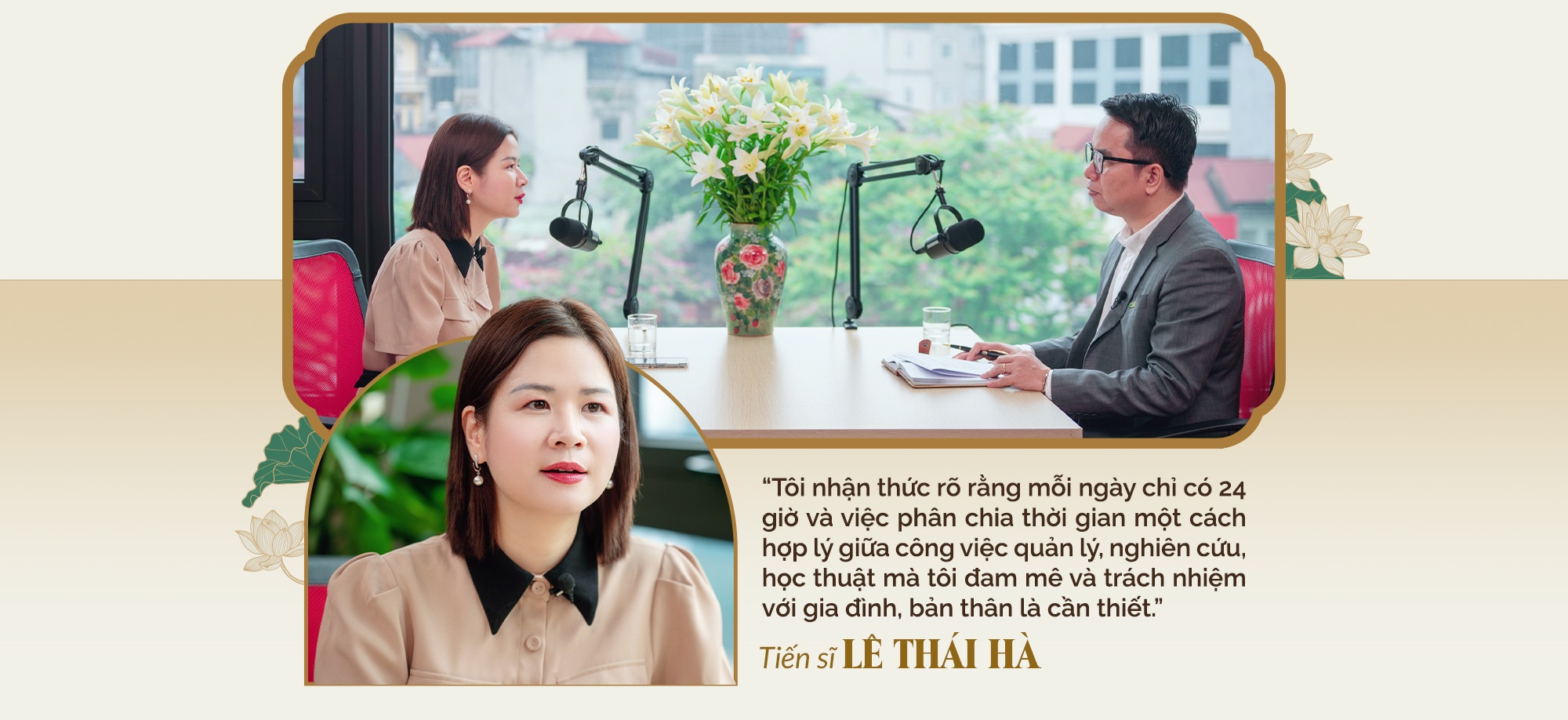
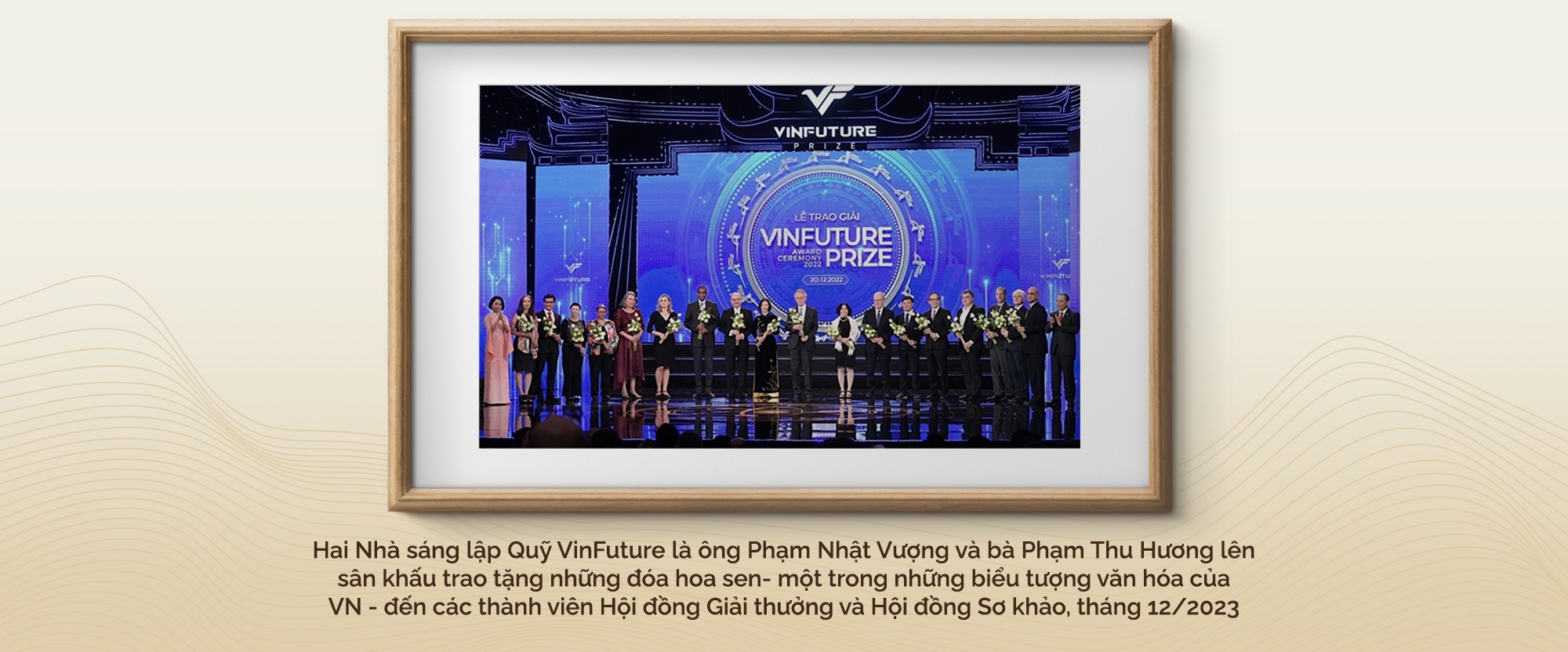
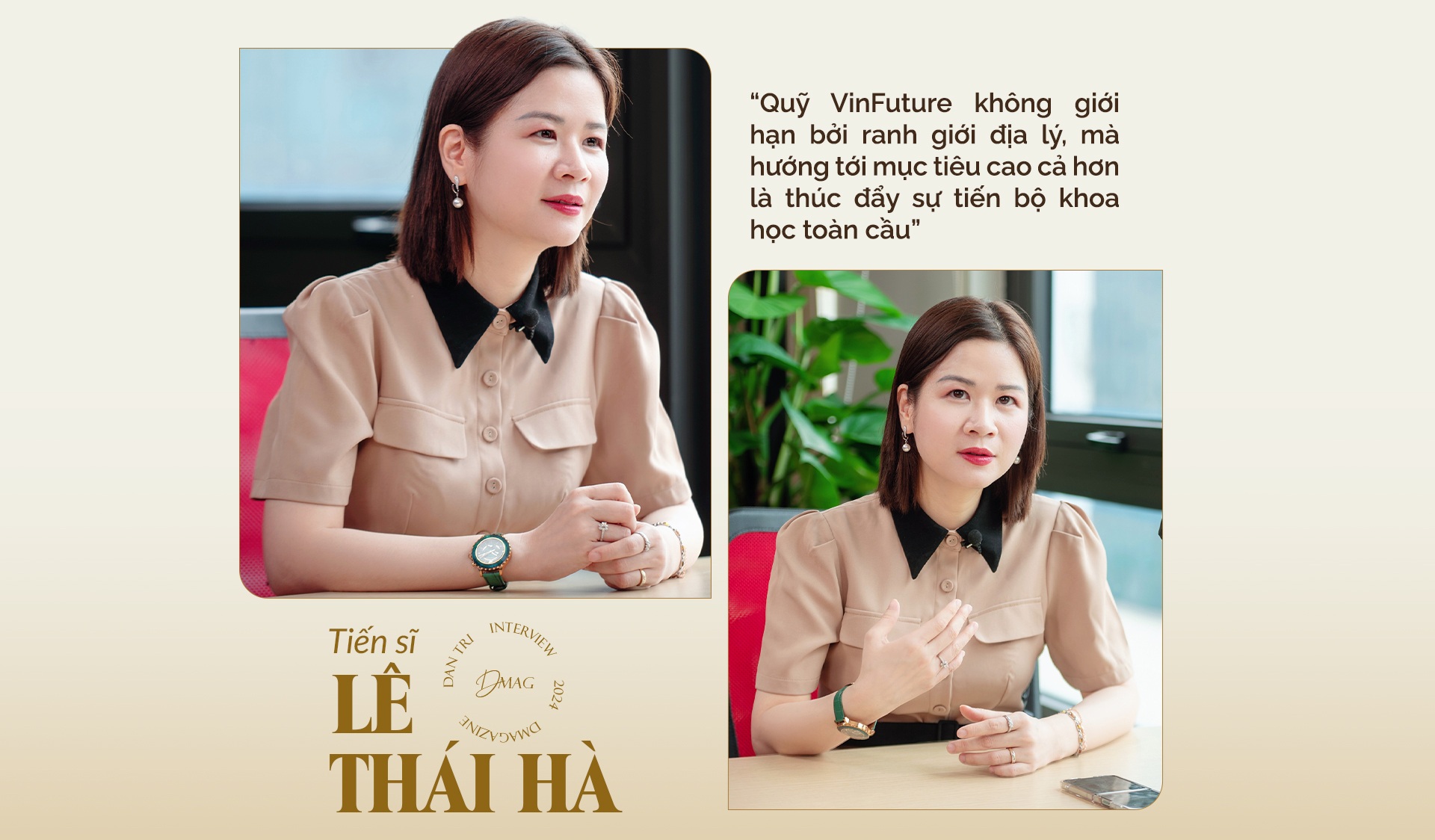
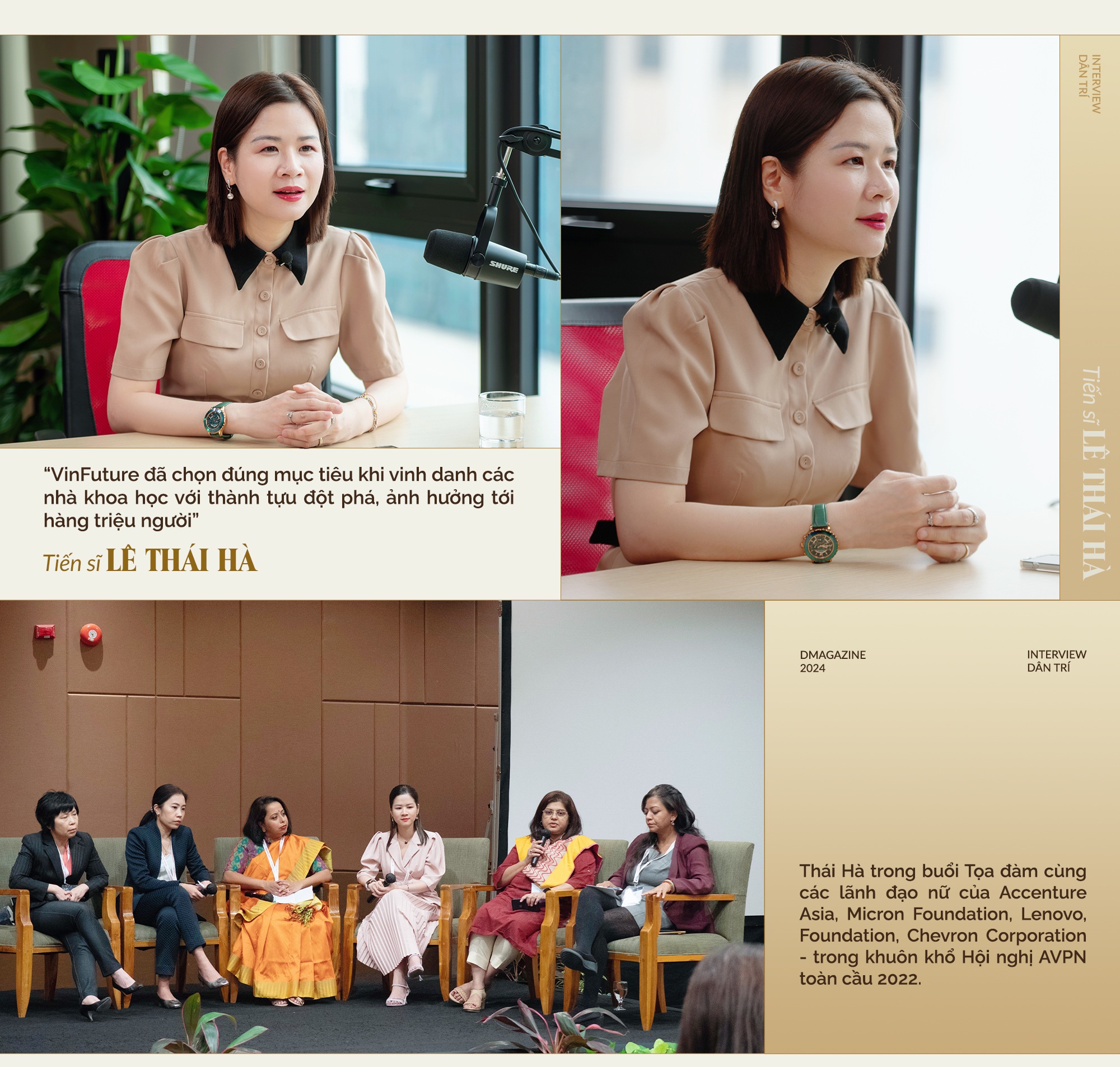
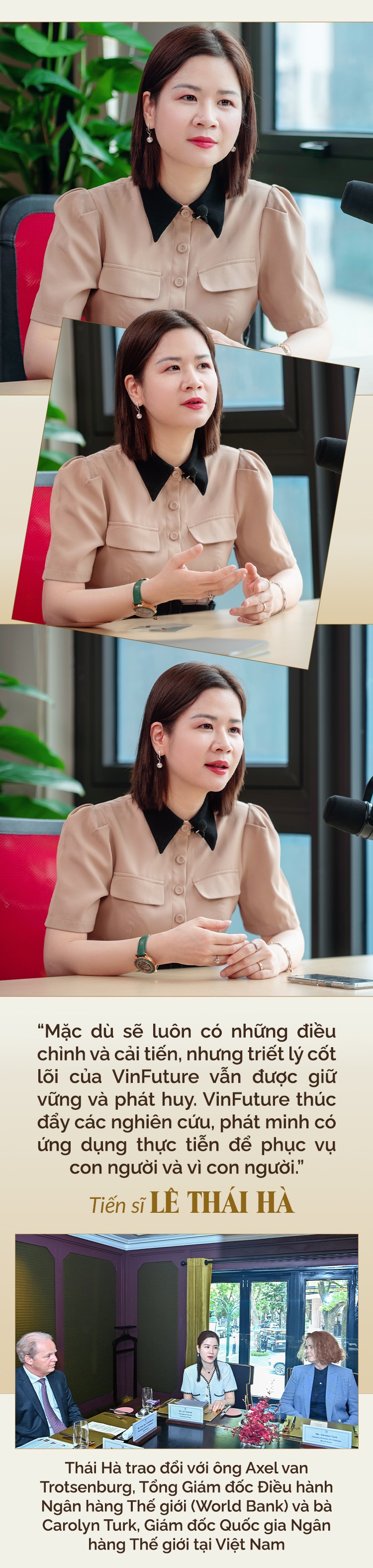
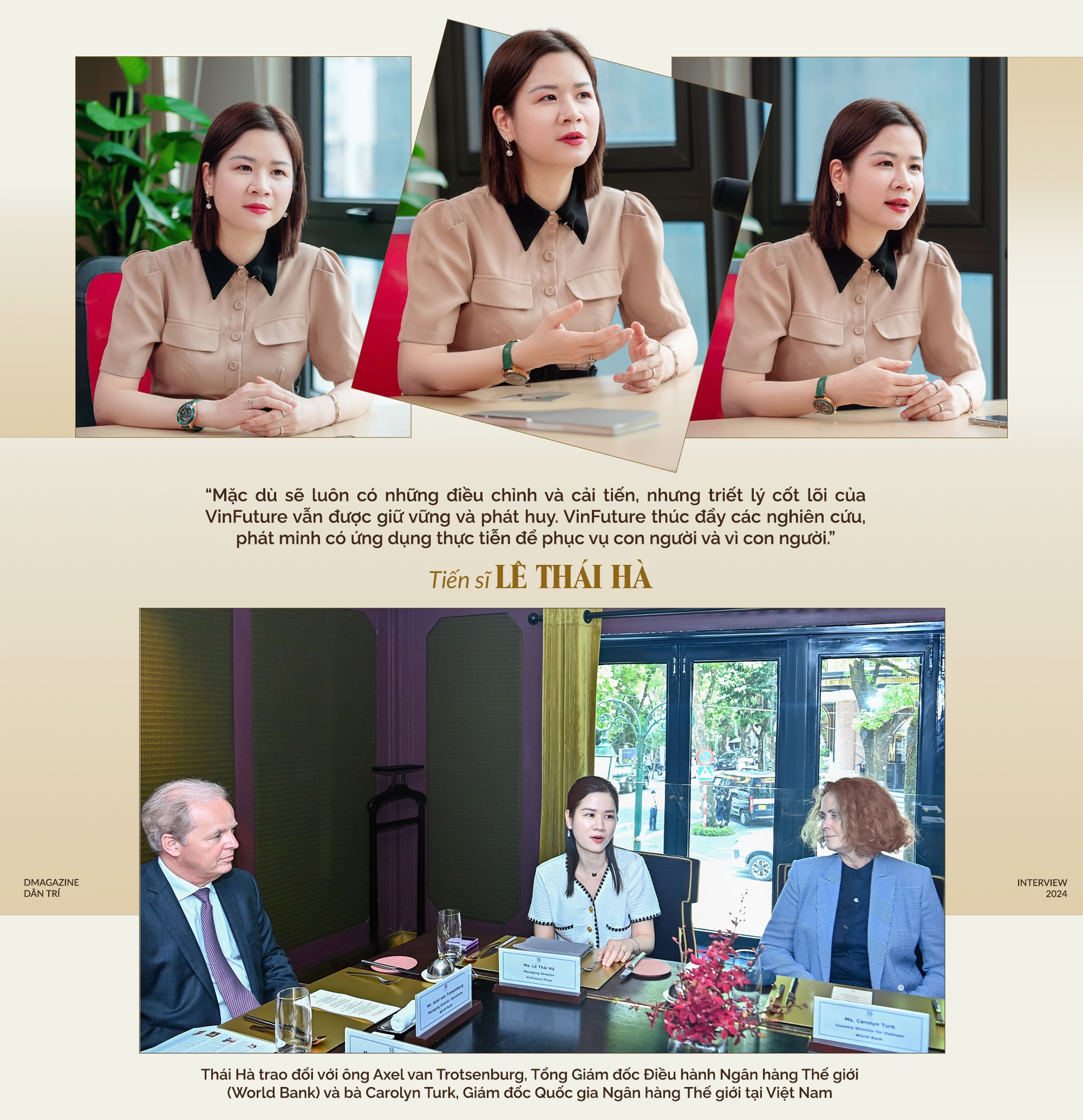
The VinFuture Foundation was established in 2020 with an initial committed operating budget of 2 trillion VND, equivalent to 100 million USD, from its two founders. In the early days, the existence of a global science and technology award originating from a developing country like Vietnam raised many questions, surprises, and even certain doubts. However, over three seasons, the Foundation has gradually received significant recognition and support from the community of reputable scientists both domestically and internationally. Dan Tri Newspaper had a conversation with Dr. Le Thai Ha, Director of the VinFuture Foundation and the Foundation for a Green Future, about his scientific research journey and his connection to managing this "million-dollar" award. Dr. Le Thai Ha, when people picture scientists, they often think of academic intellectuals with very serious and exemplary personalities. Is this image accurate about Dr. Le Thai Ha? - It's true that for many people, the image of a scientist is often associated with a serious and academic personality. This is also true for me in my work. I am always focused and serious in my work in general, as well as in my research and scientific activities in particular. I love what I pursue and find passion and inspiration naturally in my work. And I am also fortunate to work and exchange ideas with talented and enthusiastic people, which makes me feel that I always need to strive to achieve even better results. However, outside of work, when I'm with family and friends, or with close colleagues, I allow myself to relax and enjoy peaceful time with loved ones. I believe that work-life balance is crucial for maintaining health and effective work performance. How did Thai Ha's journey into scientific research begin? Was it a family tradition or a personal decision? - My family places great importance on education. Since childhood, children have always received encouragement and motivation from grandparents and parents to study, train themselves, and develop independence, a value that our military family often emphasizes. Not only me, but my younger sister also pursued academic research – she is about to complete her PhD program at a major Australian university this year, at the age of 26. My parents work in finance, and perhaps the frequent discussions about socio -economic issues with my family during dinner and watching the news together since childhood instilled in me a keen interest in these topics. I also studied mathematics from a young age, so I'm fortunate that my abilities are well-suited to pursuing a career in economic research. My family initially wanted me to pursue a career in teaching, believing it to be a noble profession suitable for women, allowing them to work, contribute, and still have time to care for their families. During my undergraduate studies, I gained research experience in the URECA program (for the top 5% of students in my cohort) at Nanyang Technological University (NTU), Singapore. With guidance from my professors and encouragement from my family, I decided to apply for a full scholarship for a PhD program at NTU immediately after graduation. I pursued scientific research and became a university lecturer (at Fulbright University and RMIT Vietnam) after earning my PhD, a position I held for nearly 10 years before joining the VinFuture Foundation more than two years ago. Dr. Le Thai Ha boasts many impressive achievements at a very young age. These achievements came easily to me, or as a line from the band Bức Tường says: "No path is paved with roses / Yet the feet still ache from the thorns"? - At the time I applied to pursue a PhD, being admitted directly to a PhD program after completing a bachelor's degree wasn't as common as it is now. Therefore, I felt fortunate to receive a full scholarship to pursue my research dream. However, this path wasn't always paved with roses. Because the university allowed me to go straight into the PhD program without going through a master's program, the first two weeks of my PhD program were the most challenging. The knowledge gap between the bachelor's program (including advanced courses) and the PhD program was quite significant, especially in subjects like mathematical economics and econometrics. However, thanks to determination, effort, family support, and... a bit of luck, I completed the coursework with excellent results. At the same time, I also wanted to be able to write scientific research papers. So instead of focusing all my energy on classroom learning, I learned the material through lectures while also teaching myself how to write scientific papers, even though that wasn't the expectation for first-year PhD students at the time. Finally, with many favorable factors converging, such as excellent coursework grades (highest in the cohort) and two scientific papers accepted for publication in prestigious journals, I was allowed to graduate by my supervising professor and the university council. However, at that time, I never imagined that I would become so passionate about and pursue a career in scientific research. Scientific research requires perseverance, diligence, and a willingness to face challenges and failures regularly. But through each experience, I increasingly realized that this is the field I want to dedicate myself to. Having spent my youth pursuing scientific research, looking back now, what do you consider the biggest difficulties and challenges? - As someone passionate about work in general and scientific research in particular, I don't consider "dedicating my youth to science," as you said, as a sacrifice. The biggest challenge in research – which we researchers often jokingly call "lifelong learning" – is maintaining the quality of our research. We must constantly learn in depth, improve our skills and expertise; and at the same time, it's a job where we always face failure and rejection – when submitting our research to prestigious international academic journals or research funding agencies for peer review and selection. Therefore, we need to maintain passion, perseverance, and patience to overcome these challenges. In addition, I need to manage my time effectively to balance work and personal life. Which scientist has had the most influence on Dr. Le Thai Ha's research path? – I have learned a great deal from many talented scientists with whom I have had the opportunity to exchange ideas and work. However, I don't have a single ideal scientist to emulate. Each person is an individual, a unique personality with their own values, and each of them has specific qualities from which I can learn. For example, a former professor at NTU, where I studied, inspired me with his creative approach to problem-solving. Another leading econometrics professor impressed me with his enthusiasm, willing to invest time in building a website and blog to share useful knowledge for free with young researchers, including myself. Then there are many outstanding individuals from previous generations who, after studying and researching at prestigious universities and institutes around the world, still choose to return to Vietnam to contribute and build their careers in their homeland, despite the difficult and challenging conditions – this also inspires me positively and makes me aware of my responsibility – as the next generation – to contribute to the development of the community and the country. The saying "good at work, good at home" is often used when talking about successful women. What about Dr. Le Thai Ha? - I am well aware that there are only 24 hours in a day, and it is essential to divide my time wisely between my passionate work in management, research, and academia, and my responsibilities to my family and myself. I prioritize work during working hours, except for special times when I need to concentrate intensely on my work. After that, I dedicate most of my time to my family, such as playing with my children, visiting my parents, traveling with my husband, or simply doing small chores around the house together. In addition, I also dedicate time to myself, taking care of my physical and mental health. I believe that only when I am healthy can I regenerate my energy and maintain sharp thinking for my work. I really like the quote by Benjamin Franklin - the famous politician and scientist: "Let all your things have their places; let each part of your business have its time." (Roughly translated: Put everything in its proper place; allocate each part of your work to a separate time slot.) I believe that, although time is limited and there are many things to worry about in life, if we know how to organize everything and divide our work appropriately, we can accomplish many things while still maintaining a balanced life. Many readers might be curious whether a scientist has similar hobbies to their peers, such as bubble tea or shopping. How does Thai Ha balance work and life? - It's difficult to comment on other scientists because we usually discuss professional matters more than personal life issues. At meetings in conferences, seminars, or organizations I work for, I've noticed that scientists often drink coffee or tea. As for myself, since I can't drink alcohol or coffee, my favorite drinks are fresh fruit juice and bubble tea. I find bubble tea delicious and it provides a quick sense of relaxation. In my current work environment, many young colleagues also share this passion, so drinking bubble tea helps me "blend in" with them, creating a cheerful atmosphere for the whole team after hours of intense work. However, I also understand that this drink isn't very good for my health, so I only drink it in moderation. Besides, I enjoy shopping. But perhaps because I'm an "economics student," I rarely overspend and usually prioritize finances for long-term investment plans. Therefore, my family and husband have never complained about me shopping excessively. How would you assess your own strengths and weaknesses, Thai Ha? - I think my strengths are that my grandparents and parents instilled in me qualities like independence, discipline, and perseverance from a young age. These are essential requirements in scientific research as well as my current work. As for weaknesses, I think researchers share a common weakness: perfectionism. My thoughts about work don't just come to me while I'm working; they come to me even during meals and sleep. Therefore, I have to strive for both work and a balanced life. How did Thai Ha come to join the VinFuture Foundation? - I had previously been involved with Vingroup before 2021, but at that time, I wasn't ready to leave my academic pursuits and my comfortable life in Ho Chi Minh City. The most recent encounter was when the VinFuture Foundation had been operational for a year, during a period when the world had also experienced two years of the pandemic, and my thinking had changed significantly. I felt I was ready to step out of my comfort zone and embrace new challenges. After meeting and listening to the heartfelt sharing from the Foundation's founder, I realized that this was the time I was ready for a major "change" in my career. My decision to change career direction stemmed from my appreciation for the founder's vision and the Foundation's noble mission – an organization that honors and promotes scientific inventions with a profound impact on humanity. I believe that, in the future, when the Foundation's activities in connecting and transferring science and technology, as well as the VinFuture Award, achieve the expected reach and influence, they will contribute to raising Vietnam's position on the world science and technology map. My decision to join VinFuture is also a way for me to challenge myself. Although the Foundation had been operating for a year when I joined, and I wasn't one of the pioneers, for the past two years, I have been working alongside my colleagues to standardize and develop more activities because the Foundation is still very new. This process of laying the next bricks is challenging but also very interesting because it's an opportunity for me to grow and learn new things. What are the similarities and differences between the work of a fund manager who honors and encourages scientific research and that of someone directly involved in research? - As the CEO of the VinFuture Foundation, I have had the opportunity to visit many institutes and universities, and to exchange ideas with leaders and scientists in various fields to understand the current state of scientific research in these organizations. I admire many of their efforts. However, there are also many difficulties and obstacles that researchers need to overcome to achieve their scientific goals and attain the expected results. Understanding these aspirations and difficulties of researchers in developing countries, including Vietnam, we hope, to the best of our ability, to support and promote the development of the scientific community by creating an environment that supports research and encourages innovation and creativity. In addition, one of the important annual activities of the Foundation is the VinFuture Award. Evaluating nominations for the VinFuture Awards categories is the independent work of two Award Councils, comprised of leading professors and experts worldwide in the fields of science and technology. Although I was not directly involved in the judging process, I am very pleased to have worked with my colleagues to establish and organize the Foundation's activities professionally, adhering to international standards, contributing to honoring and disseminating knowledge and connecting the scientific community both domestically and internationally. The VinFuture Foundation is now in its third year, and society has gained a better understanding of its mission and vision. However, questions remain about why, as Vietnamese people, we don't focus on investing in domestic research but instead aim for global awards. How does Thai Ha address this question? - Every organization has its own mission. The two founders of the VinFuture Foundation established the VinIF Foundation to focus on supporting and investing in domestic scientific research. For the VinFuture Foundation, choosing to aim for global awards is not only to promote scientific progress at the national level but also to contribute to the global scientific community. Although an organization originating from Vietnam, the VinFuture Foundation is not limited by geographical boundaries, but aims for a higher goal: promoting global scientific progress. Focusing on a global award helps the VinFuture Foundation attract the attention and participation of leading scientists, researchers, and experts worldwide. This not only provides opportunities and resources for Vietnamese scientists but also creates an environment for international exchange and cooperation, thereby promoting the development and sharing of scientific knowledge globally. The VinFuture Foundation consistently supports and encourages research and projects by Vietnamese scientists through specific annual networking programs and activities. All these activities aim towards the common goal of promoting scientific development and progress not only in Vietnam but also worldwide. How have leading scientists around the world reacted to information and activities from the VinFuture Foundation? - In the early days of the Foundation's establishment, having a "million-dollar" global science and technology award originating from a developing country raised many questions, surprises, and even certain doubts. However, over three seasons, with evidence of strict adherence to international standards in the selection and evaluation process, as well as activities to honor, disseminate, and promote science and technology to serve humanity, we have increasingly received recognition and support from the community of prestigious scientists both domestically and internationally. The fact that the two winners of the first VinFuture Main Prize (Dr. Katalin Kariko and Professor Drew Weissman) went on to win the Nobel Prize in Medicine in 2023 is a source of great pride. Just recently, three scientists who won the VinFuture Special Prize Season 3 (Professor Daniel Joshua Drucker (Canada), Professor Joel Francis Habener and Associate Professor Svetlana Mojsov (USA)) were selected for Time Magazine's list of the 100 most influential people in the world in 2024. These events demonstrate that VinFuture has chosen the right target when honoring scientists with groundbreaking achievements that impact millions of people. For Professor Kariko and Dr. Weissman, VinFuture recognized their work from 2021, during the ongoing Covid-19 pandemic and before the world had fully assessed the epoch-making contribution of their research. For Associate Professor Svetlana, the recognition from Time magazine further reinforces the comprehensive vision and evaluation criteria of the VinFuture Award, as her pioneering role in the development of this drug is rarely recognized at major international biomedical awards until she was honored at the 2023 VinFuture Award ceremony. Another special point is that in the 2023 VinFuture Award season, Vietnam had its first scientist honored: Professor Vo Tong Xuan. Along with Professor Gurdev Singh Khush – an Indian-American scientist – Professor Xuan became the first Vietnamese scientist to win the VinFuture Award for his work "Invention and Dissemination of Disease-Resistant Rice Varieties" at the award ceremony held last December in Hanoi . This has positively inspired scientists in developing countries, especially in Vietnam. Overall, more and more leading scientists, recognized by prestigious world awards, have expressed strong support and shared their honor in partnering with the VinFuture Foundation and Award. Many of them have even proactively approached the Foundation with the aim of connecting with Vietnamese scientists; and vice versa. We are very hopeful that with these developments, VinFuture's role as a bridge between Vietnamese science and the world will be further strengthened to bring about even more positive results in the future. Can Thai Ha reveal the future directions of the VinFuture Foundation? - Although there will always be adjustments and improvements, the core philosophy of VinFuture will remain strong and continue to be developed. VinFuture promotes research and inventions with practical applications to serve and benefit humanity. Science and technology are developing and will continue to develop strongly globally, connecting humanity for the sustainable development of the world. In 2024, the VinFuture Foundation plans to collaborate with leading universities and research institutes in Vietnam to organize InnovaConnect events. This is the latest initiative of the VinFuture Foundation, comprising a series of academic exchanges and professional collaborations between world-renowned scientists and leading universities and research institutes in Vietnam. The first InnovaConnect event, held from April 15-17 at Hanoi University of Science and Technology, focused on the semiconductor field and received enthusiastic participation from scientists both domestically and internationally. In the coming period, VinFuture will continue to strengthen and expand its networking activities, supporting the collaboration between universities and research institutes in Vietnam and reputable scientists globally, aiming to promote cooperation and create useful scientific and technological products for the community. We are committed to building bridges between all parties, thereby contributing to the sustainable development of science and technology not only in Vietnam but also worldwide.










![[Photo] Prime Minister Pham Minh Chinh receives the Governor of Tochigi Province (Japan)](/_next/image?url=https%3A%2F%2Fvphoto.vietnam.vn%2Fthumb%2F1200x675%2Fvietnam%2Fresource%2FIMAGE%2F2025%2F12%2F16%2F1765892133176_dsc-8082-6425-jpg.webp&w=3840&q=75)

![[Photo] Prime Minister Pham Minh Chinh receives Lao Minister of Education and Sports Thongsalith Mangnormek](/_next/image?url=https%3A%2F%2Fvphoto.vietnam.vn%2Fthumb%2F1200x675%2Fvietnam%2Fresource%2FIMAGE%2F2025%2F12%2F16%2F1765876834721_dsc-7519-jpg.webp&w=3840&q=75)

![[Image] Leaked images ahead of the 2025 Community Action Awards gala.](/_next/image?url=https%3A%2F%2Fvphoto.vietnam.vn%2Fthumb%2F1200x675%2Fvietnam%2Fresource%2FIMAGE%2F2025%2F12%2F16%2F1765882828720_ndo_br_thiet-ke-chua-co-ten-45-png.webp&w=3840&q=75)
![[Live] 2025 Community Action Awards Gala](/_next/image?url=https%3A%2F%2Fvphoto.vietnam.vn%2Fthumb%2F1200x675%2Fvietnam%2Fresource%2FIMAGE%2F2025%2F12%2F16%2F1765899631650_ndo_tr_z7334013144784-9f9fe10a6d63584c85aff40f2957c250-jpg.webp&w=3840&q=75)




























![[Photo] Prime Minister Pham Minh Chinh attends the Vietnam Economic Forum 2025](https://vphoto.vietnam.vn/thumb/402x226/vietnam/resource/IMAGE/2025/12/16/1765893035503_ndo_br_dsc-8043-jpg.webp)





















Comment (0)