

Streptococcal pharyngitis is caused solely by Strep A bacteria, while tonsillitis can be caused by this bacteria or other bacteria and viruses.
Tonsillitis and streptococcal pharyngitis are common conditions that cause sore throats and are easily confused with each other. They differ in cause, symptoms, treatment, and complications. Below are the differences between tonsillitis and streptococcal pharyngitis.
Reason
The main difference between tonsillitis and strep throat is the cause of the illness. Both conditions are caused by infections in the throat and surrounding tissues, but the infections are different.
Tonsillitis is usually caused by viruses. However, it can also be caused by bacterial infections such as Streptococcus group A (Strep A) streptococcal pharyngitis. The most common viruses and bacteria that cause tonsillitis include: Strep A, Adenovirus, Herpes virus, measles virus, cytomegalovirus, and Epstein-Barr virus. Tonsillitis is not contagious, but people with tonsillitis can transmit the germs that cause the illness to others.
Streptococcal pharyngitis is caused solely by the Streptococcus A bacteria. This bacterium also causes infections such as impetigo, rheumatic fever, necrotizing fasciitis, cellulitis, and several others. The disease is transmitted through respiratory secretions or infected skin sores. Symptoms develop within 3-5 days of exposure to Streptococcus bacteria.
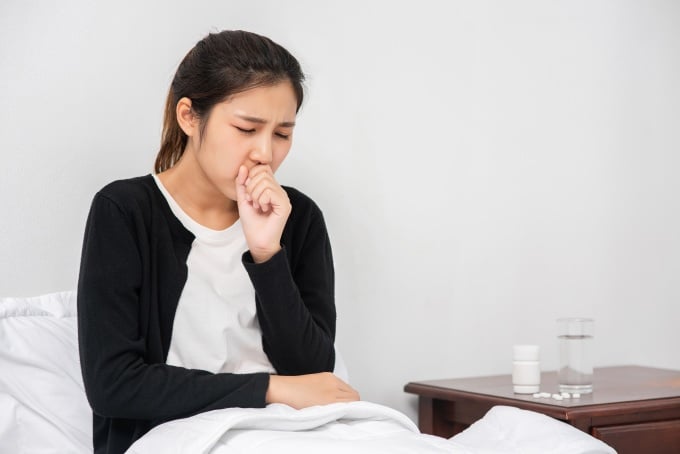
Streptococcal pharyngitis is more common in children than adults. (Image: Freepik)
Symptom
The symptoms of tonsillitis and streptococcal pharyngitis are very similar. Both cause sore throat, fever, difficulty swallowing, and swollen lymph nodes in the neck. However, tonsillitis can cause a white or yellow coating (mucus, pus) on the tonsils and bad breath. Streptococcal pharyngitis, on the other hand, often causes small red spots called petechiae on the roof of the mouth (pharyngitis granulomas) and a more rapid onset of sore throat.
Tonsillitis caused by common viral infections may have additional symptoms such as cough, nasal congestion, and runny nose. Other symptoms of streptococcal pharyngitis, such as headache, nausea, vomiting, and stomach pain, are more common in children.
Treatment
Treatment for tonsillitis depends on whether it's caused by bacteria or a virus, the severity of the illness, its duration, and the patient's needs. Bacterial tonsillitis is treated with antibiotics. If it's caused by a virus, there is no specific treatment other than managing the symptoms. Rest, drinking plenty of fluids, gargling with salt water, using a humidifier, and taking over-the-counter medications can help alleviate symptoms such as pain, fatigue, and cough.
The primary treatment for streptococcal pharyngitis is antibiotics. Antibiotics are effective for 1-2 days. If symptoms do not improve within 48 hours of starting the medication, you should contact your doctor for further action. Patients must take antibiotics as prescribed by their doctor; stopping too early can lead to a recurrence of the infection.
Home remedies to manage these symptoms include: getting more rest or sleep, drinking plenty of fluids, taking over-the-counter pain relievers, sucking on lozenges, and gargling with salt water.
Untreated or delayed streptococcal pharyngitis can lead to complications such as abscesses, ear infections, sinusitis, and post-streptococcal glomerulonephritis. A serious complication is rheumatic fever, which can affect the heart, brain, skin, and joints.
Prevent
Some ways to prevent tonsillitis include avoiding contact with sick people; washing hands frequently; and not sharing food, toothbrushes, utensils, or drinks.
To prevent streptococcal pharyngitis, you need to avoid contact with infected individuals until they have finished their antibiotic treatment for 24-48 hours. Avoid contact with the infected person's secretions (on tissues, towels, clothing, etc.), and do not share items such as toothbrushes, towels, and drinking cups. Discard toothbrushes after 2-3 days of infection to prevent reinfection with streptococcal pharyngitis.
Mai Cat (According to Very Well Health )
Source link

![[Photo] Prime Minister Pham Minh Chinh receives Lao Minister of Education and Sports Thongsalith Mangnormek](/_next/image?url=https%3A%2F%2Fvphoto.vietnam.vn%2Fthumb%2F1200x675%2Fvietnam%2Fresource%2FIMAGE%2F2025%2F12%2F16%2F1765876834721_dsc-7519-jpg.webp&w=3840&q=75)
![[Image] Leaked images ahead of the 2025 Community Action Awards gala.](/_next/image?url=https%3A%2F%2Fvphoto.vietnam.vn%2Fthumb%2F1200x675%2Fvietnam%2Fresource%2FIMAGE%2F2025%2F12%2F16%2F1765882828720_ndo_br_thiet-ke-chua-co-ten-45-png.webp&w=3840&q=75)
![[Photo] Prime Minister Pham Minh Chinh receives the Governor of Tochigi Province (Japan)](/_next/image?url=https%3A%2F%2Fvphoto.vietnam.vn%2Fthumb%2F1200x675%2Fvietnam%2Fresource%2FIMAGE%2F2025%2F12%2F16%2F1765892133176_dsc-8082-6425-jpg.webp&w=3840&q=75)

![[Live] 2025 Community Action Awards Gala](/_next/image?url=https%3A%2F%2Fvphoto.vietnam.vn%2Fthumb%2F1200x675%2Fvietnam%2Fresource%2FIMAGE%2F2025%2F12%2F16%2F1765899631650_ndo_tr_z7334013144784-9f9fe10a6d63584c85aff40f2957c250-jpg.webp&w=3840&q=75)



























































































Comment (0)