

The decision applies to the entire budget period of 2026-2030, focusing on three key programs: building new rural areas, sustainable poverty reduction, and socio -economic development in ethnic minority and mountainous regions.
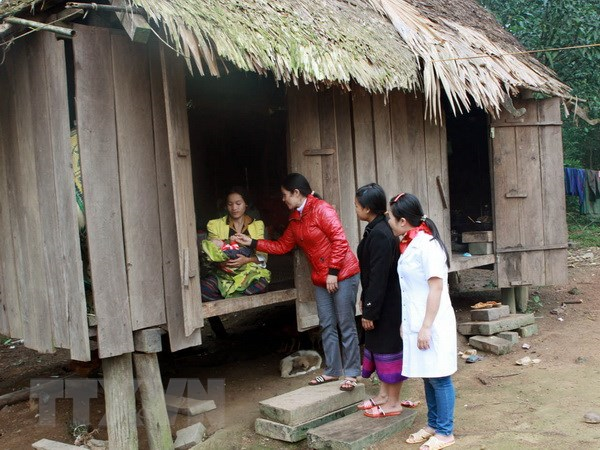 |
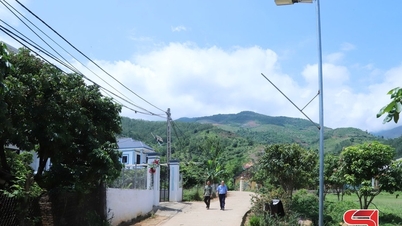
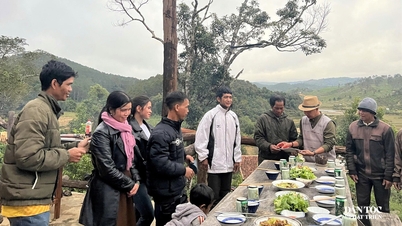
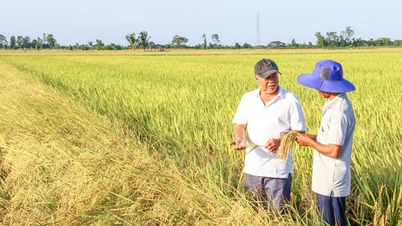
| Illustrative photo: VNA |
A key feature of the policy is the principle of allocating capital in a focused, targeted, and efficient manner, ensuring sustainability. The central budget is given the highest priority to particularly disadvantaged communes and villages; ethnic minority and mountainous regions; and security zones, border areas, and islands, aiming to create significant changes in socio-economic development.
Furthermore, the allocation of funds must ensure consistency in objectives, mechanisms, policies, criteria, and norms. The central budget only supports localities receiving supplementary budget allocations, prioritizing those with supplementary allocations of 70% or more. Localities that balance their own budgets must proactively allocate resources to implement the program.
Notably, the annual allocation of capital is linked to the budget balance and the disbursement and utilization results of the previous period, thereby tightening financial discipline and improving the efficiency of public investment.
Regarding allocation criteria, the Decision clearly specifies the coefficients for each type of geographical area. Villages in extremely difficult areas have a coefficient of 1; communes in Zone III, safe zones, border areas, islands, and special zones have a coefficient of 50; communes in Zone II have a coefficient of 40; communes in Zone I have a coefficient of 30; and all other communes have a coefficient of 25. If a commune belongs to multiple target groups, only the highest coefficient will be applied, without duplication.
In addition, the policy includes a priority criterion based on the degree of dependence on the central budget of each locality. Localities with a supplementary budget ratio of 70% or more are given a priority coefficient of 0.4; from 50% to less than 70%, the coefficient is 0.2; and those below 50% are not given any priority coefficient.
Based on the total budget estimate and actual conditions, the provincial People's Committee develops a capital allocation plan, submits it to the provincial People's Council for decision, or delegates it to the commune level, ensuring that it does not overlap with other programs and projects in the same area.
Regarding counterpart funding, the Decision requires localities to allocate sufficient funds as stipulated by the National Assembly . Localities receiving support from the central budget must balance their annual budgets, ensuring that the amount is not lower than the prescribed ratio; localities not receiving support must proactively mobilize legal resources to implement the program.
At the same time, localities are responsible for allocating resources for activities that do not use the central government budget, such as supporting wards in implementing poverty reduction policies, improving the quality of new rural areas, building modern new rural areas, and completing the task of building new rural areas at the provincial level.
With its strict and specific regulations, Decision No. 16/2026/QD-TTg is expected to create a transparent and efficient resource allocation mechanism, contributing to promoting equitable development among regions, especially disadvantaged areas, ethnic minority regions, and mountainous areas in the coming period.
Source: https://baosonla.vn/nong-thon-moi/phan-bo-nguon-luc-tap-trung-uu-tien-vung-kho-khan-4m1tW2oDR.html















































































Comment (0)