

The issuance of Resolution 80 is not only an important step in the process of institutionalizing the Party's views on culture, but also demonstrates groundbreaking innovative thinking, placing culture at the center of the country's development strategy in the new era.
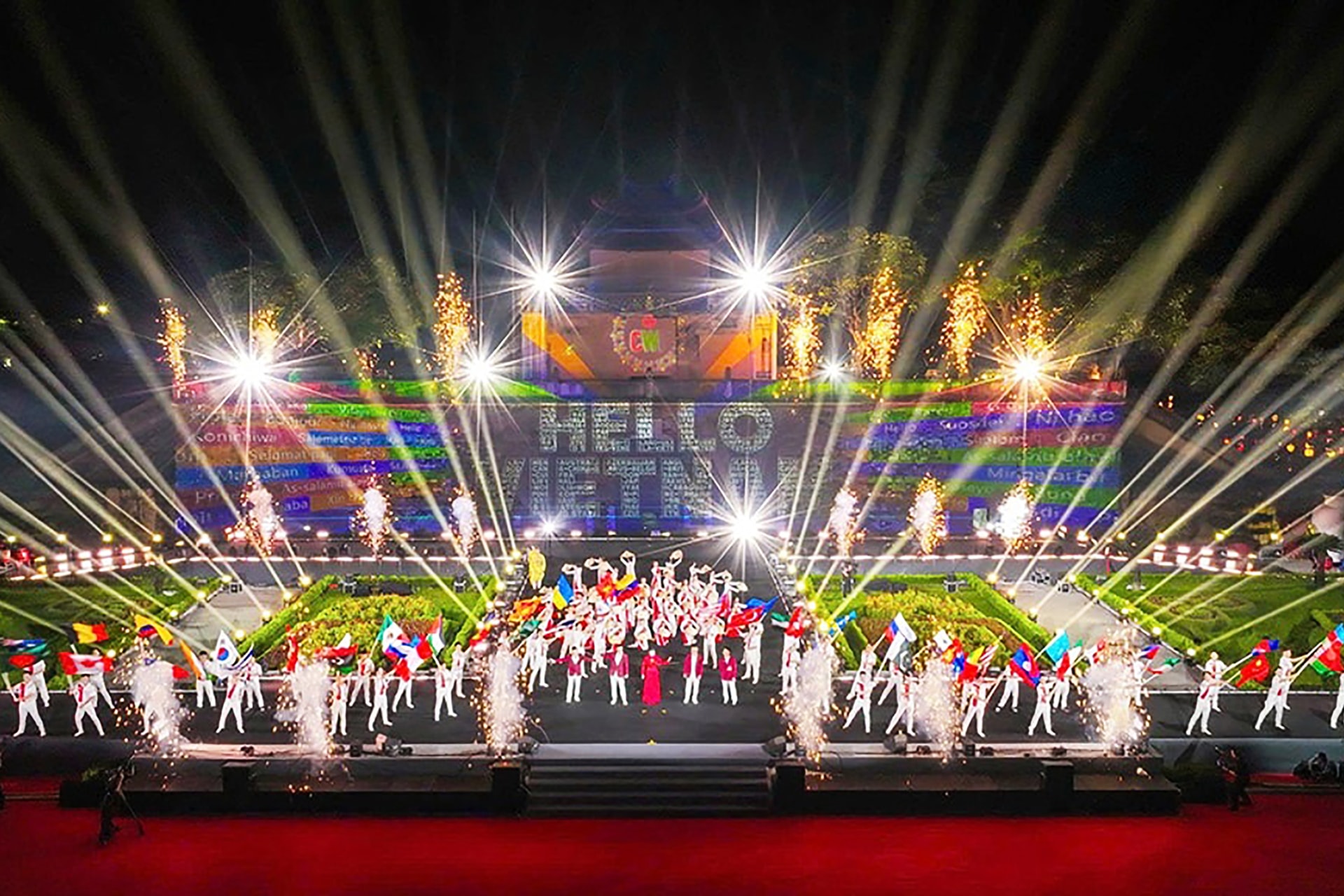
Shaping national "soft power"
In practice, after nearly 40 years of reform, Vietnam has achieved many great socio -economic accomplishments, and its international standing and prestige have continuously improved. However, alongside these achievements, the cause of building and developing Vietnamese culture and people still faces limitations, shortcomings, and numerous difficulties and challenges.
In the context of deep globalization, strategic competition between nations is increasingly shifting from "hard" to "soft" resources, from tangible to intangible resources. Culture is not only the spiritual foundation of society but also a resource for development, a crucial "soft power" for enhancing national competitiveness. A slow pace of innovation in cultural development thinking will put Vietnam at risk of falling behind on this very "soft power" front.
Therefore, Resolution 80 was issued at a particularly significant time when the country was entering a phase of accelerating the achievement of two centenary goals, while simultaneously facing the demand for rapid and sustainable development based on science and technology, innovation, and digital transformation. The Resolution clearly affirms that culture is the spiritual foundation of society, an intrinsic strength, and a regulator for sustainable development; it also emphasizes the organic relationship between culture and the economy, politics , society, and international integration.
A key new feature of Resolution 80 is that, for the first time, culture is placed in close relation to the market economy and cultural industries. Cultural products not only possess spiritual value but are also recognized as unique commodities, resources for development, and important components of national "soft power." This approach reflects a strong shift from a purely cultural management mindset to a mindset of creating, developing, and sustainably exploiting cultural values.
Many experts believe that Resolution 80 directly points out the core "bottlenecks" of current cultural development, from institutions, resources, and human resources to management methods. At the same time, the Resolution also opens a new legal framework, creating a basis for promoting innovation in the cultural field, linking cultural development with the creative industry, tourism, services, and the digital economy. Notably, the message "Culture is no longer an abstract slogan but has become a right and living space for every citizen" is emphasized by designating November 24th as "Vietnam Culture Day" and making it an official holiday with full pay for workers. Resolution 80 also clearly states: "Ensure adequate resources for cultural development; allocate at least 2% of the total annual state budget expenditure to culture and gradually increase it according to practical requirements."
Quickly put the Resolution into practice.
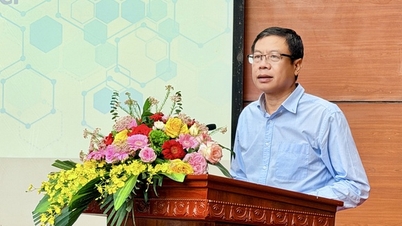
According to Associate Professor Dr. Nguyen The Ky, Vice Chairman of the Central Theoretical Council and Head of the Literary and Artistic Criticism Committee, the most cherished "keyword" of Resolution 80 is the development of cultural industries. The resolution emphasizes the development of cultural industries on the foundation of national culture, considering culture as both a spiritual and a crucial material resource, contributing to enriching the country, enriching the intellect and soul of the Vietnamese people, and improving the material life of society. This represents a harmonious combination of ideals and reality, of cultural depth and economic efficiency.
For Resolution 80 to truly come to life, the key issue lies not only in the content of the resolution, but also in the political will, the methods of organization and implementation, and the capacity of all levels, sectors, and localities to execute it. First and foremost, it is necessary to unify understanding and innovate thinking about cultural development. Party committees and governments at all levels must thoroughly grasp the view that culture is the spiritual foundation, an endogenous resource, and a driving force for development. Culture should not stand "on the sidelines" of the economy, but must be placed on par with and closely linked to socio-economic development strategies, sectoral planning, regional planning, and urban planning.
Next, the central task is to quickly institutionalize Resolution 80 into specific strategies, programs, projects, and policy mechanisms. Priority should be given to perfecting the institutional framework for the development of the cultural industry, creating a transparent and favorable legal environment to attract social investment, and encouraging businesses, artists, and creators to participate in the cultural value chain. There should be a strong shift from a subsidy mechanism to a system of commissioned projects, competitive bidding, and support based on products and social impact, ensuring transparency, openness, and healthy competition.
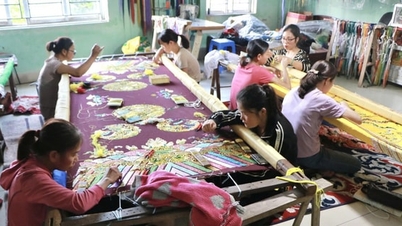
Another crucial requirement is the synchronized development of the cultural market and cultural industries. Ministries, sectors, and localities need to proactively develop high-quality, distinctive cultural products linked to local advantages; promote regional and inter-sectoral linkages; and establish creative centers, cultural spaces, and cultural industrial zones linked to tourism, services, and creative cities.
Furthermore, special attention must be paid to building a comprehensively developed Vietnamese people. This is both a goal and a driving force for cultural development. Cultural policies need to focus strongly on the grassroots, caring for the spiritual life of the people, and narrowing the gap in cultural enjoyment between regions. It is necessary to promote education in ethics, lifestyle, cultural conduct, and digital skills; and to build a healthy cultural environment from the family and school to society and the online space.
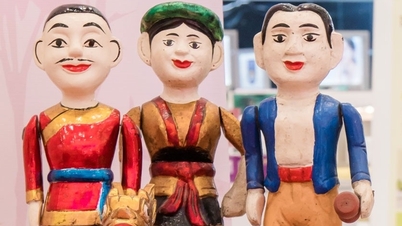
In the digital age, digital transformation in the cultural sector is an essential requirement. All levels and sectors need to invest in building a national cultural database; developing digital libraries, digital museums, and digital theaters; and applying new technologies in the preservation, promotion, and exploitation of cultural heritage. This will both preserve traditional values and expand access to culture for the public, especially the younger generation. Furthermore, international cultural integration needs to be implemented proactively, systematically, and selectively. The role of cultural diplomacy should be promoted, bringing Vietnamese culture to the world through events, festivals, cultural products, and creative industries; while simultaneously absorbing the best of human culture to enrich national identity and increase national "soft power."
Finally, for Resolution 80 to be truly effective, it is necessary to strengthen inspection, supervision, and evaluation of its implementation; promptly address obstacles and adjust policies to suit practical realities. Each level and sector must clearly define responsibilities, tasks, deadlines, and expected results; using the satisfaction of the people, businesses, and the creative community as a measure of the effectiveness of cultural policies. Only then can we achieve the goals set out in Resolution 80, which is to build and develop a socialist Vietnamese culture by 2045, in which people are the center, subject, goal, and driving force of development; cultural values play a fundamental role, serve as standards, and permeate all aspects of social life. Vietnam will be an attractive destination for regional and international cultural and artistic events; becoming one of the dynamic centers of the cultural and creative industries.
Source: https://hanoimoi.vn/phat-huy-suc-manh-mem-van-hoa-732133.html


















































































Comment (0)