

From a mobile application that allowed users to "mine" cryptocurrency for free, Pi Network has grown into a massive ecosystem with tens of millions of users. After more than 6 years of waiting, the Open Mainnet has been activated, promising a future where Pi Coin has real value.
However, amidst the announced achievements and expectations surrounding GenAI technology, the specter of token dumps and skepticism about its practical application still looms large. Will Pi Network truly be a cryptocurrency revolution for everyone, or just a protracted and risky experiment?
Two parallel worlds : Festivals inside the "closed garden" and storms waiting outside the door.
One morning in late June, while the prices of most cryptocurrencies were in the red, an unusual signal flashed across blockchain tracking tools. Within just 24 hours, approximately 6.5 million Pi coins were massively transferred into the wallets of major exchanges such as Gate.io, Bitget, and OKX.
In the financial world, this is a classic sign, a "red flag" that often foreshadows a large-scale sell-off by holders. This influx of funds brings the total number of Pi tokens "sitting" on exchanges to over 359 million, a ticking time bomb that could be triggered at any moment.
Ironically, this "undercurrent" is unfolding right after the Pi Core Team, the project's development team, solemnly announced its "100 Days of Open Mainnet" report, boasting a series of impressive achievements.
It's like two parallel worlds exist, completely unrelated to each other: one world of growth figures, new projects, and promises of a "utility-based" future, and another world of harsh market pressures, where the value of an asset is determined by the unforgiving laws of supply and demand, not by pronouncements.
This stark contrast has pushed Pi Network into one of the most sensitive and crucial phases in its more than six-year history. On one side is the effort to build a digital economy from scratch, and on the other is the pressure to sell off from the very people who believed in the project.
Will the ecosystem of cryptocurrency utilities grow strong enough to "cushion prices" before the wave of sell-offs hits? This is the multi-billion dollar question that not only the 13 million users who have completed KYC (Know Your Customer) verification but also the entire crypto market are holding their breath to answer.
Calculated patience: Decoding the Pi Core Team's "Utility First" strategy
To understand the unwavering commitment of the Pi Core Team, we must step back and look at their long-term strategy: "Utility First." Instead of rushing to list their token on exchanges to create a speculative frenzy like thousands of other projects, they chose a more challenging path: building an ecosystem with real-world value first. They believe that "everything worthwhile takes time and patience."
The "100 Days Open Mainnet" report, which covered the period since February, summarizes Pi Network's development strategy, showcasing impressive figures and a remarkable rate of expansion.
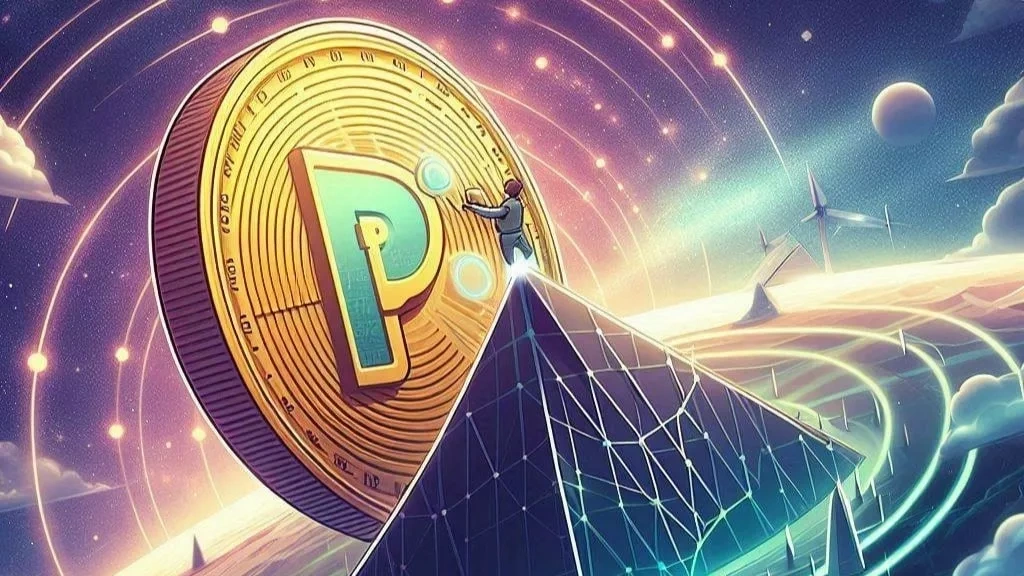
Pi Network has just announced a major update, reviewing the achievements made in the 100 days since the network officially launched (Illustration: The Currency Analytics).
The Mainnet community has grown significantly, with over 3 million new users completing KYC and transferring Pi to their Mainnet wallets, bringing the total number of "citizens" in the Pi economy to over 13 million. This milestone confirms the network's undiminished appeal since its official launch.
On the technical infrastructure side, Pi's decentralized network is also robustly built. Over 400,000 active nodes worldwide create a stable, highly distributed blockchain system that is virtually immune to external attacks.
The ecosystem of utilities surrounding the Pi coin is also beginning to take shape. Notably, the PiFest 2025 event attracted over 125,000 registered sellers, demonstrating the real-world demand for Pi transactions. Simultaneously, the exclusive *.pi digital domain name service also generated significant interest, with over 57,000 participants bidding, totaling over 3 million Pi, thus contributing to the significant depletion of the supply in circulation.
Another highlight is Pi Network Ventures, a $100 million investment fund announced to support startups building applications on the Pi platform, with a particular focus on the gaming sector. A prime example is the game FruityPi, developed by the Pi team itself, which spearheaded the gamification of the Pi Network ecosystem.
The Pi Core Team's argument is clear: launching an "Enclosed Network" for an extended period was a deliberate strategic decision. It allowed the community to build and test applications without being affected by the frenetic fluctuations of the market. It helped verify the identities of millions of people, ensuring a "clean" and legally compliant network.
Essentially, they are trying to "create jobs" for Pi before officially "releasing" it to the public. They want Pi, when listed on exchanges, not to be an ownerless token for speculation, but an accepted means of payment in an established digital economy.
The wall of skepticism and selling pressure: When the market loses faith in promises.
While the Pi Core Team is painting a rosy picture of the future of utilities, the outside financial world views Pi Network through a completely different lens – a lens of skepticism and numbers that speak for themselves.
Cem Dilmegani, an expert from the analytics firm AIMultiple, offered a scathing assessment, stating that Pi Network operates as an "affiliate marketing" system where users are lured by promises of future rewards to invite new members. According to him, the main beneficiaries are not the users, but the founding team through the sale of advertising on the app's massive traffic.
He warned that once the token becomes tradable, a wave of sell-offs could cause the price to collapse, diminishing user motivation to log in and thus reducing the app's value to advertisers.

The centralized Pi Network app has reached 13 million verified accounts, but critics argue that this doesn't offer clear benefits to users (Illustration: Beincrypto).
The market figures seem to support this argument:
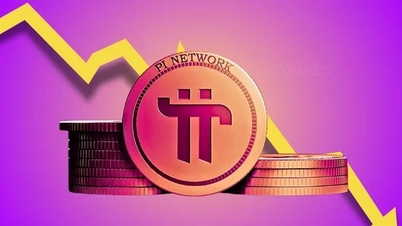
The 70% Drop: Since its peak in May, the value of "Pi IOU" (an unofficial trading version on some exchanges) has evaporated by 70%. Ironically, this drop began shortly after co-founder Nicolas Kokkalis appeared at a major AI conference, suggesting the market is increasingly wary of unsubstantiated claims.
The GenAI "hoax"?: The recent 5% recovery was entirely based on a vague "teaser" about the integration of artificial intelligence (GenAI), scheduled for June 28th. However, many investors suspect this is merely a "buy the rumor, sell the truth" tactic to distract public attention ahead of a much bigger event.
The 268.4 million Pi "bomb": This is the most terrifying number. According to the schedule, 268.4 million Pi tokens will be "unlocked" and released into the market in July. This is the largest unlock ever, and in the history of cryptocurrencies, large unlocks often trigger devastating sell-offs, powerful enough to sink any asset if market confidence is wavering.
The influx of 6.5 million Pi onto major exchanges is part of this larger picture. It shows that a significant portion of Pi holders have lost patience. They don't want to wait for the utility; they just want to take profits. Data from Google Trends also shows that public interest in the keyword "Pi Network" has dropped to very low levels, signaling community fatigue.
The final gamble: Will practical utilities be able to "save prices" in time for the floodgates to close?
Following a sharp 6.68% surge earlier this week, Pi's price is holding firm at a key support level. As of the morning of June 25th, Pi was trading at $0.54. Despite a slight correction, Pi is still holding firm at the crucial psychological support zone around $0.50, which lies above the short-term uptrend line connecting the lows of May 17th, May 31st, and June 18th.
The biggest driver behind the recent attention on Pi Network is the rumor about its integration of generative artificial intelligence (AI) technology.
Pi Network is at a crossroads. Undeniably, its efforts and achievements in building a massive community and a sophisticated technological infrastructure are commendable. However, the ironclad rules of the financial market cannot be ignored.
The project is in a nail-biting race against time. On one side is the speed of building practical applications, payment-accepting stores, and Pi-integrated games. On the other side is the countdown clock to massive token releases and the dwindling patience of millions of users.
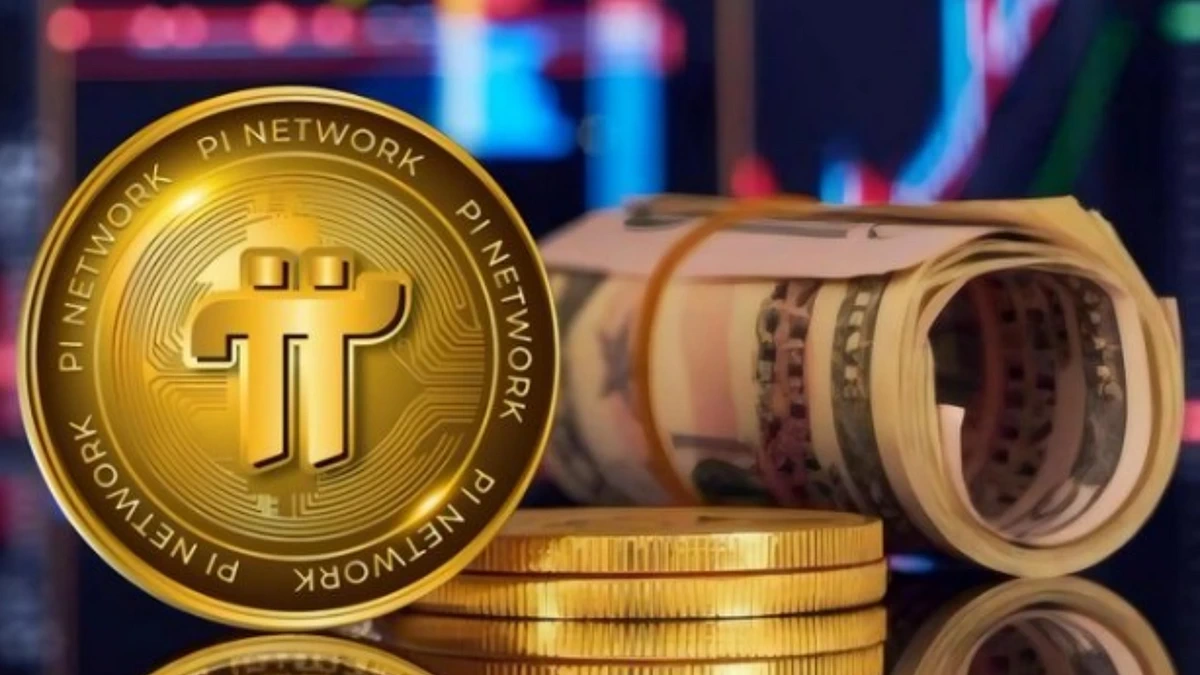
Pi is at a historic turning point. Strengths such as its massive community, user-friendly mobile mining mechanism, and widespread adoption give Pi a competitive advantage. However, weak trading activity, post-Mainnet volatility, and legal risks pose serious challenges (Illustration: The Philox).
The Pi2Day announcement and the July unlock will be two ultimate tests of the Pi Network's resilience.
Positive scenario: If the Pi Core Team actually announces a groundbreaking GenAI product, or a clear Mainnet Open roadmap with the backing of major partners, they could revive confidence and absorb some of the selling pressure.
Negative scenario: If the Pi2Day announcement turns out to be another vague promise, combined with pressure from the July unlock, the market could witness a mass sell-off. The value of Pi could quickly erode, and the dream of a "people's currency" would face the risk of collapse.
Ultimately, Pi Network is no longer just a story about a free-mined cryptocurrency, but a bold test for a new economic model: can community strength and long-term trust withstand the increasing wave of speculation and profit-taking pressure? The answer will not be found on paper, but will be evident in every price fluctuation on the exchange.
Source: https://dantri.com.vn/kinh-doanh/pi-network-giua-tiec-mung-va-lan-ranh-sup-do-20250625102431809.htm





































































































Comment (0)