


Besides providing a valuable product, the swiftlet farming industry has also contributed to the reputation of "agarwood forests and swiftlet seas" throughout the long history of building and developing Khanh Hoa province.
Proud of our traditional craft.
Every time I meet people involved in the swiftlet farming industry in Vinh Nguyen and Vinh Truong wards (Nha Trang City), the folk songs "Inside and outside, the sea waves surge/Swifts come from all directions/They give birth to their young, build nests/For the strength and beauty of the land" resound. The people of Khanh Hoa have always passed down the story of the tiny seabirds sent down to earth by Bodhisattva Avalokiteshvara to befriend the fishermen. Swiftlets are unlike other birds, from their appearance to their ecological habits, building nests from their own blood on steep cliffs in remote islands. Most importantly, these tiny birds provide people with a precious product: bird's nests. During the Nguyen dynasty, the swiftlet farming industry flourished, and the small, opaque white nests, about the size of a teacup cut lengthwise, were one of the strategic export items of the Dang Trong region.
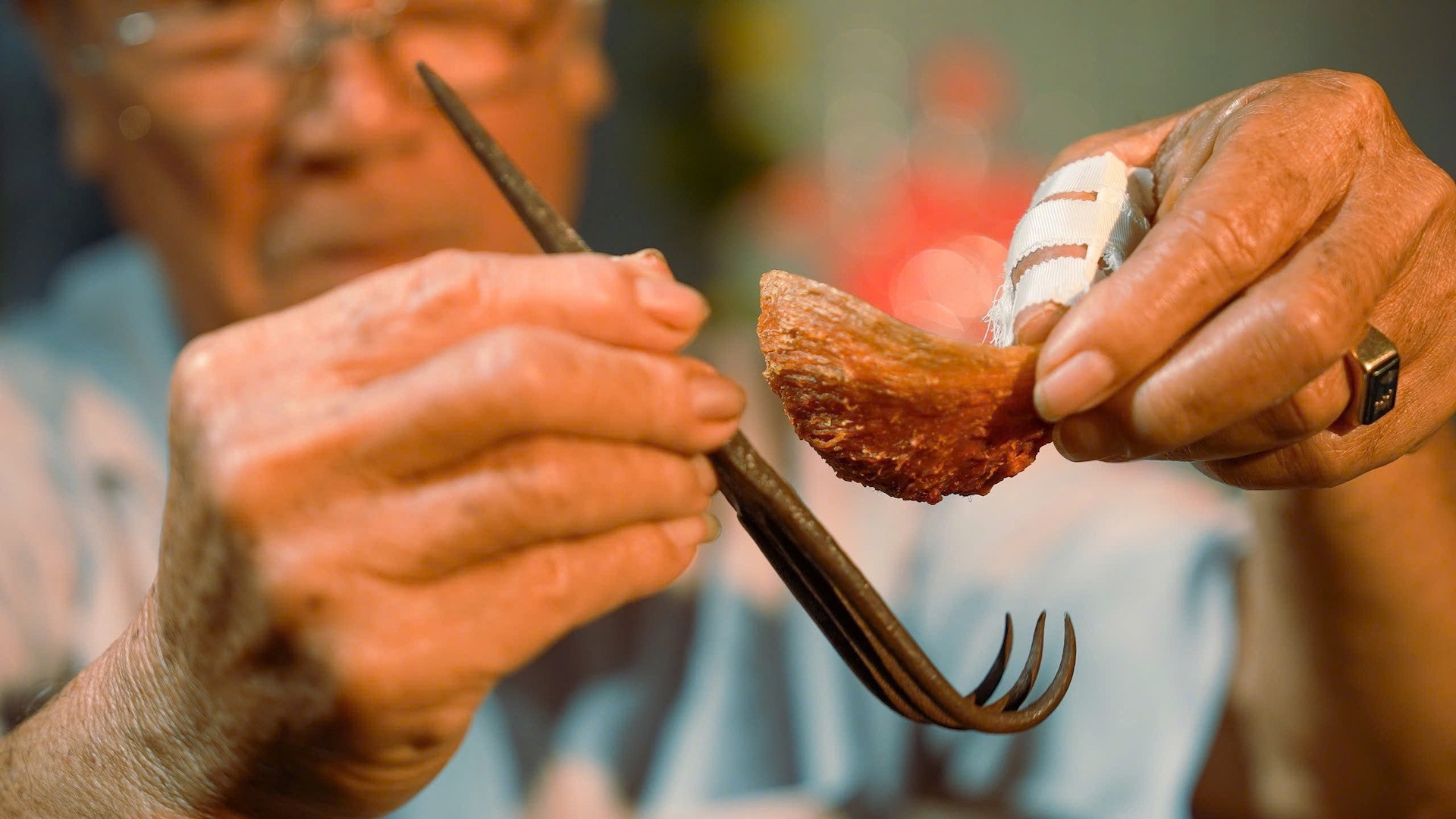
According to some folklore, the swiftlet farming industry has existed for nearly 700 years. The story begins with General Le Van Dat of the Tran Dynasty arriving in the Hon Tre island area in 1328. That year, Admiral Le Van Dat's ship was hit by a storm and drifted ashore on Hon Tre island. He and his soldiers established Bich Dam village, explored the surrounding islands, discovered swiftlet colonies, and devised ways to harvest swiftlet nests. Therefore, Admiral Le Van Dat was revered by the people of Bich Dam village as a benevolent deity and worshipped in the village temple; the swiftlet farming community considers him the founder of the swiftlet farming industry in Khanh Hoa.
Later, the 21st-generation descendant of Admiral Le Van Dat, the An Phu Su of Binh Khang, Le Van Quang, along with his daughter, Grand Admiral Le Thi Huyen Tram, made significant contributions to the protection and exploitation of swallows' nests. According to ancient accounts, on May 10th, 1793 (the year of Ky Suu), Grand Admiral Le Thi Huyen Tram and her father bravely sacrificed their lives in the battle to protect the sovereignty of the territorial waters and the swallows' nest islands. Since then, the people have revered Le Thi Huyen Tram as the Holy Mother of the Swallows' Nest Islands, and erected temples in her honor on the islands.
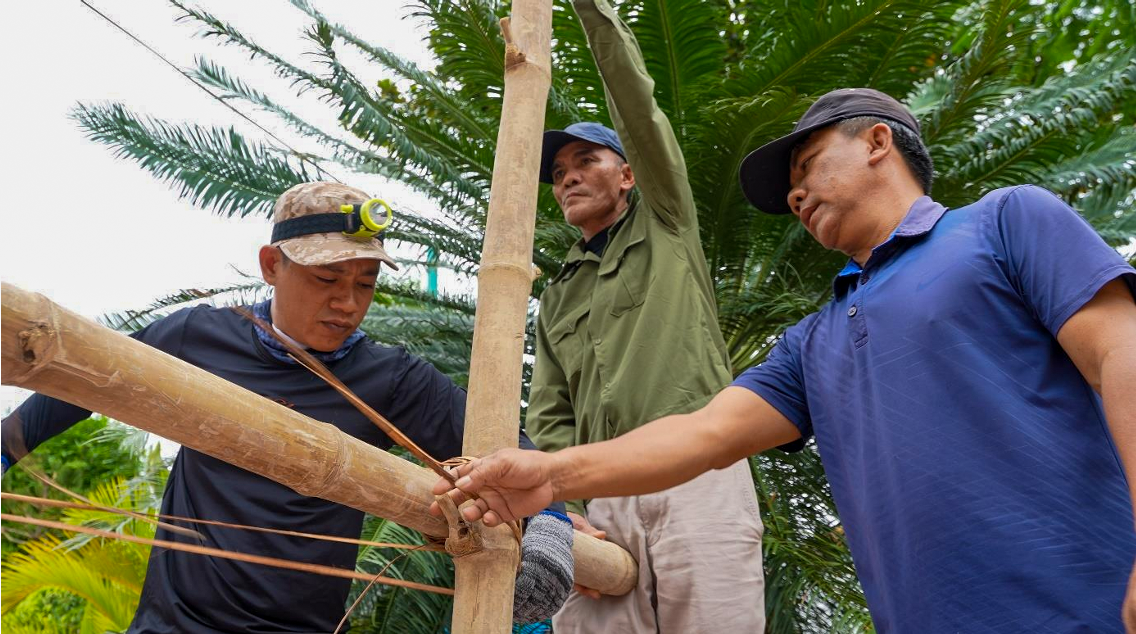
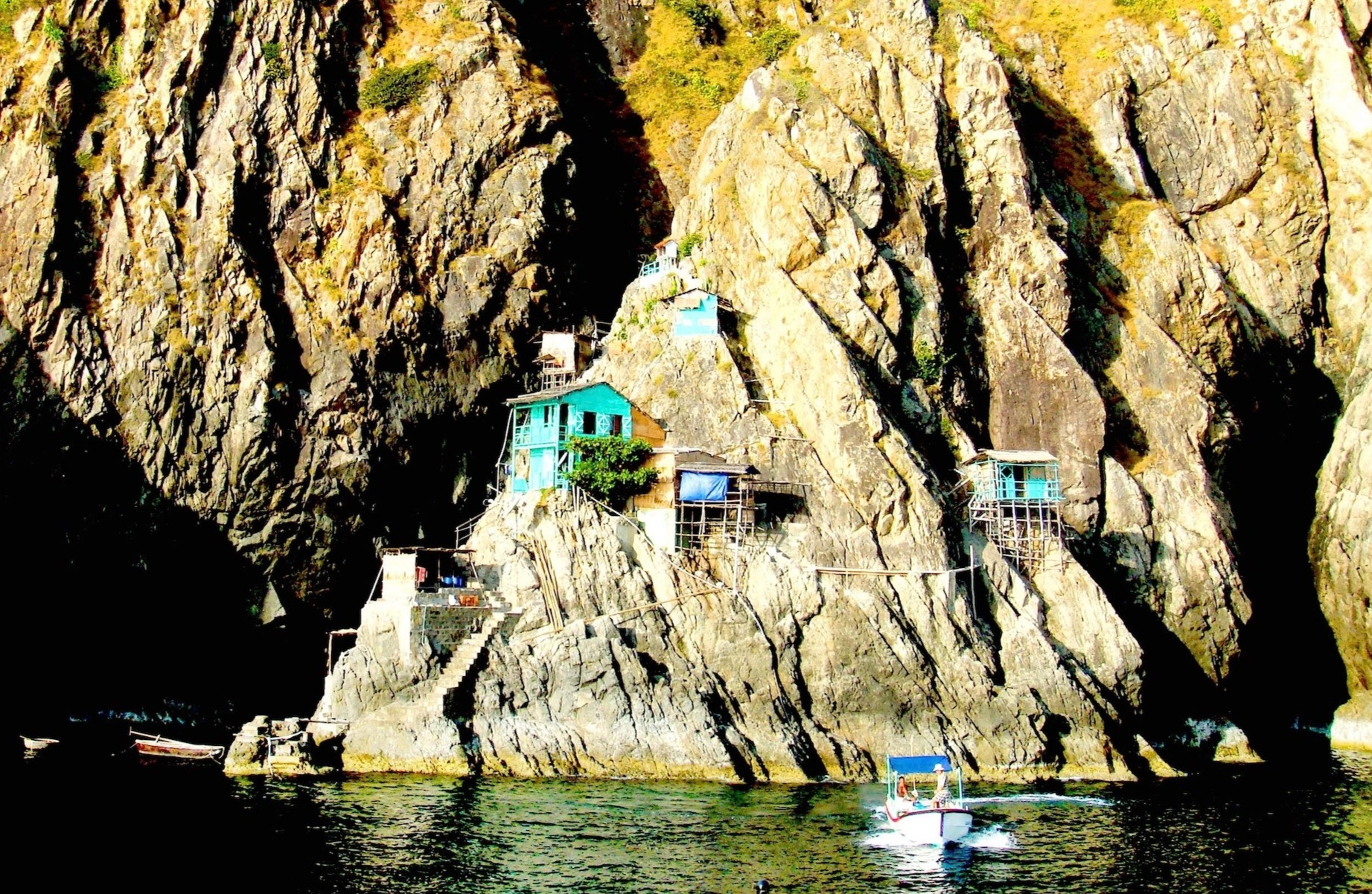
For nearly 700 years, generations of people involved in the swiftlet farming industry have silently passed down their knowledge from father to son, guarding the swiftlet islands, coexisting with and protecting the ever-growing swiftlet population. In the past, when access to the islands was difficult, the population sparse, and few people ventured there, swiftlets typically nested in natural caves. The tools used for harvesting were rudimentary, consisting only of bamboo scaffolding, poles, and temporary shelters, rafts, and boats for transporting necessary supplies during the harvesting season and for the livelihoods of those who harvested and guarded the islands. Today, the swiftlet nest harvesting and processing industry has reached a new level, a source of pride as a unique traditional craft of the land and people of Khanh Hoa.
To become a national heritage site
Recently, the Ministry of Culture, Sports and Tourism issued a decision to include "Knowledge of exploiting and processing swallow nests in Khanh Hoa" in the list of national intangible cultural heritage. After many efforts to preserve and develop, the long-standing traditional swallow nest farming of the people of Khanh Hoa has received recognition and honor. This news has brought joy, pride, and emotion to those who have been involved in the swallow nest farming profession for many years. "After so many ups and downs, joys and sorrows with the profession, finally, the swallow nest farming profession has truly been honored," said Mr. Vo Van Cam (Nguyen Van Thanh Street, Vinh Nguyen Ward).

According to Mr. Cam, stories about the swiftlet farming profession before liberation depicted the lives of those involved as extremely difficult and precarious. In November 1990, Khanh Hoa Swiftlet Company was established, and is now a state-owned limited liability company. Through this, the swiftlet farming profession has not only been preserved and elevated but has also made a positive contribution to the socio-economic development of the province.
According to Mr. Le Van Hoa, Deputy Director of the Department of Culture and Sports, the cultural space related to the swiftlet farming profession is not concentrated in one location but spans 33 islands and 173 swiftlet caves. The cultural space of swiftlet farming also includes religious structures. In addition, there are swiftlet nest production and processing sites throughout the province. The knowledge and experience gained during the practice have created a traditional local occupation that has been maintained and survived for centuries, contributing to the diversity and richness of intangible cultural heritage in Khanh Hoa.
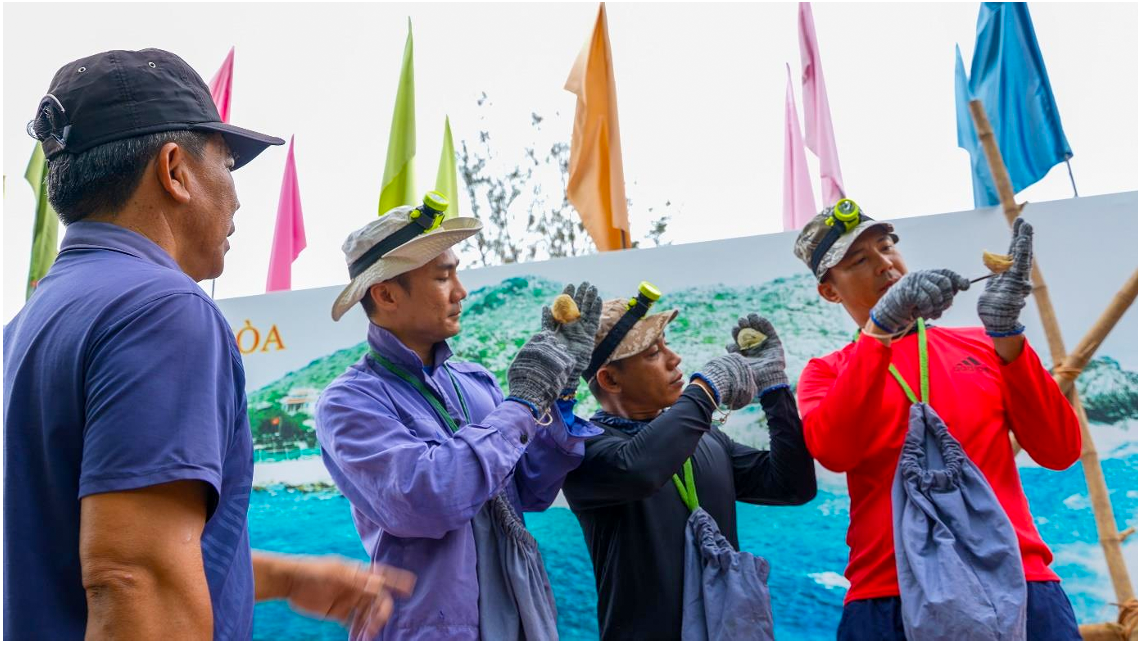
The swiftlet farming industry has left behind valuable historical relics in many aspects, giving rise to the swiftlet nest festival, which is practiced annually. Including the swiftlet farming industry in the national list of intangible cultural heritage is a way to protect and preserve this traditional craft for sustainable development.
Human Heart
Source: https://vietnamnet.vn/rang-danh-nghe-yen-khanh-hoa-2368425.html

![[Photo] General Secretary To Lam meets with and extends New Year greetings to the Central Party Office.](https://vphoto.vietnam.vn/thumb/1200x675/vietnam/resource/IMAGE/2026/02/23/1771822040571_a1-bnd-6844-9653-jpg.webp)

![[Photo] Nhan Dan Newspaper's New Year's gathering in the year of the Horse 2026](https://vphoto.vietnam.vn/thumb/1200x675/vietnam/resource/IMAGE/2026/02/23/1771825639110_gap-mat-dau-xuan1-8272-jpg.webp)
![[Photo] Prime Minister Pham Minh Chinh working with the Vietnam Academy of Science and Technology](https://vphoto.vietnam.vn/thumb/1200x675/vietnam/resource/IMAGE/2026/02/23/1771832245861_image-2-6431-jpg.webp)








































































Comment (0)