


Following the previous round of negotiations in Brussels (Belgium), both sides were very optimistic and hopeful that this round of negotiations in Osaka would successfully conclude the five-year-long process of negotiating a free trade agreement between the EU and Australia.
The two sides only had a slight disagreement regarding the content of opening the EU market to Australian agricultural products. Therefore, the EU was taken aback when Australia suddenly made higher demands, knowing full well that the EU could not meet them, or that even if a compromise could be reached, it would require more time (because the EU needs to unify the views of all its members).
Moreover, Australia unilaterally terminated the negotiations when the EU refused to make concessions. Neither the EU nor external parties can dismiss the feeling that Australia deliberately altered its demands on the EU during the negotiations to force more concessions or to justify unilaterally ending the Osaka talks.
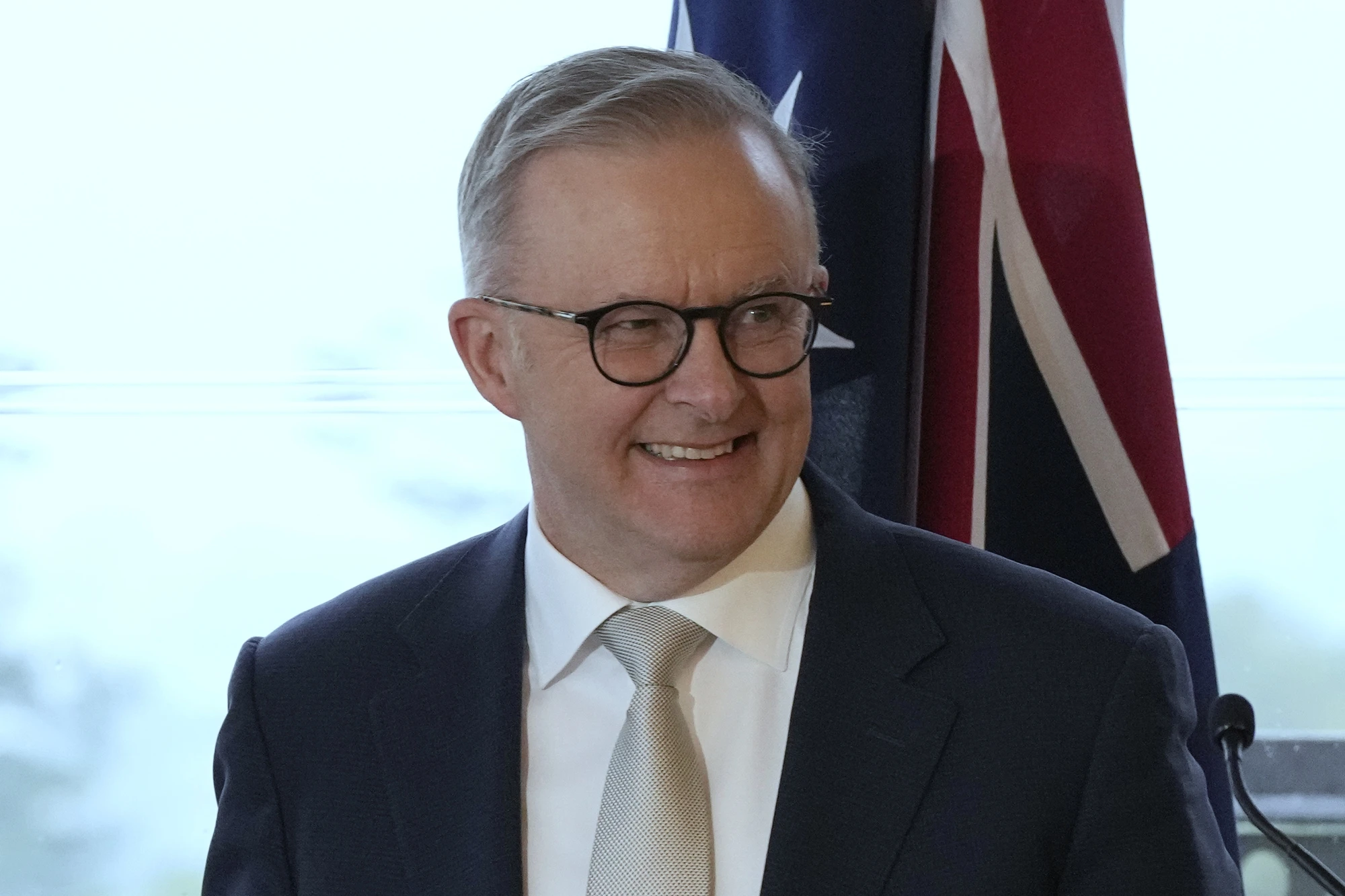
Australian Prime Minister Anthony Albanese
There are two reasons for this from the Australian side. Firstly, the ruling party in Australia wants to use the display of special attention to agriculture, farmers, and the agricultural economy to neutralize one of the opposition's trump cards, especially after the ruling party's recent defeat in the referendum on Indigenous people.
Secondly, the Australian government deliberately avoided making China feel like it was being two-faced by simultaneously promoting the normalization and improvement of relations with China (the Australian Prime Minister recently visited China) while also seeking to distance itself from China by establishing a free trade area with the EU.
Source link






























































































Comment (0)