

Thorough understanding of the monument
Last weekend, Ms. Nguyen Thi Tuyen from Viet Hoa ward (Hai Duong city) had the opportunity to take her child to visit the Khuc Thua Du temple (Ninh Giang). When her daughter saw the picture of the "giant turtle" hanging in the front hall, she wondered about it, but Ms. Tuyen didn't know how to explain. Mr. Bui Van Trinh, the temple caretaker, then introduced it: This is the giant turtle that appeared in the Luoc River in front of the temple on July 21, 2008 (lunar calendar), during the ceremony to enshrine the statues of Khuc Thua Du, Khuc Hao, and Khuc Thua My. The turtle was brought into the temple by the local people.
Historian Duong Trung Quoc, along with a working group, bought the turtle and released it into the jade well. "What's special is that the turtle's shell has many details believed to be related to Lord Khuc Thua Du: the number 905 represents the year he ruled the country; the image of a graceful, beautiful girl is still believed by the locals to be the embodiment of his daughter," Trinh further explained.
During his time as a caretaker at Kiet Bac Temple (Chi Linh City), 86-year-old Mr. Nguyen Quang Phuc once met a Japanese visitor. This visitor, upon seeing the altar dedicated to the National Mother (the wife of Tran Hung Dao), mistakenly thought it was Tran Hung Dao's mother. "I explained that it was an abbreviation of her title, Nguyen Tu Quoc Mau, and that she was actually Tran Hung Dao's wife," Mr. Phuc said. Mr. Phuc was also the one who proposed to the Department of Culture, Sports and Tourism that the nameplate of the National Mother's altar be amended to include "Tran Hung Dao's wife."
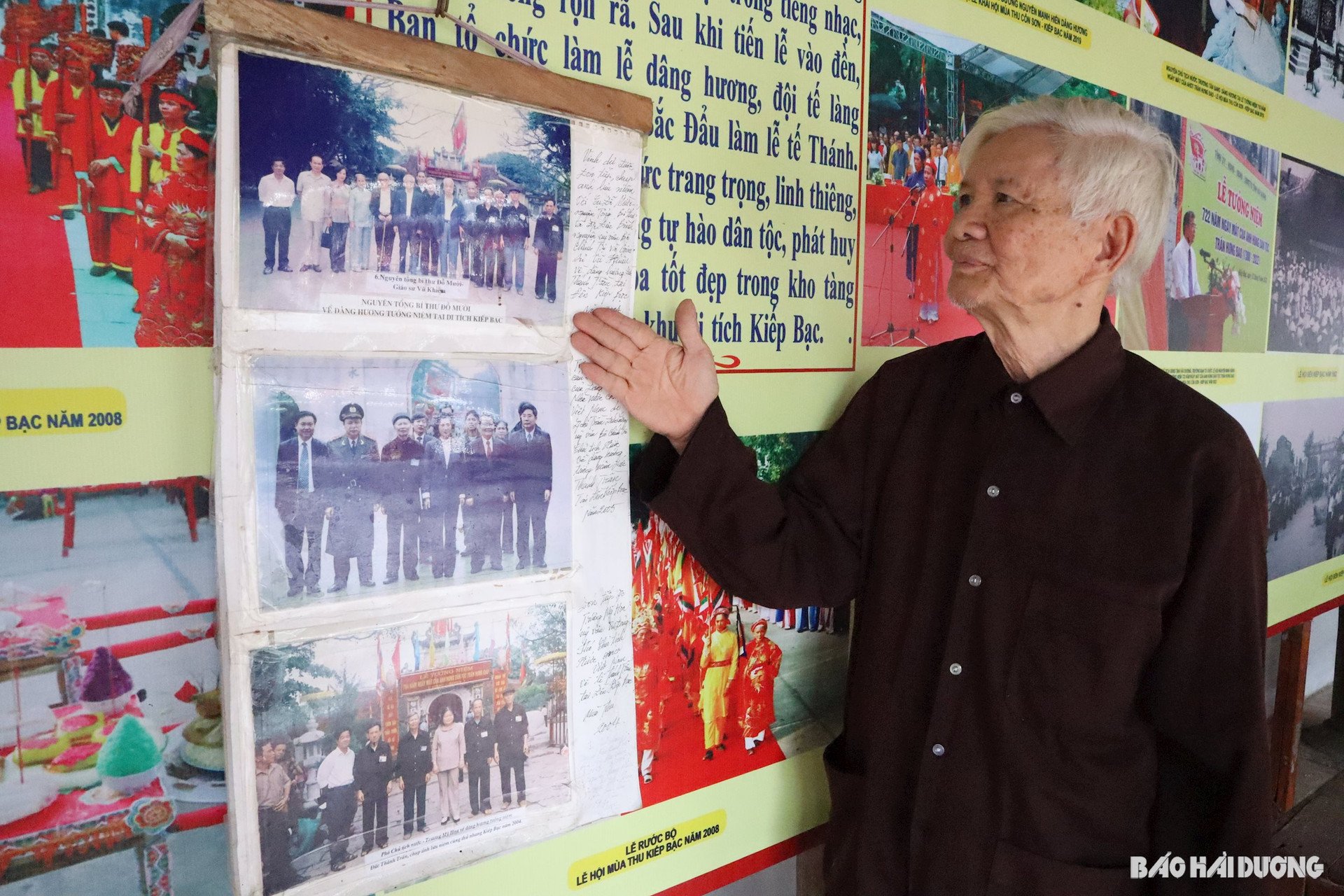
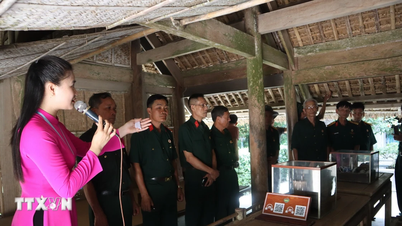
In 2004, during a visit to Kiet Bac Temple with General Secretary Do Muoi, Mr. Pham Khac Hong, head of the Kiet Bac historical site team, introduced the site: "In 1947, the French burned down the central temple of Kiet Bac Temple…" The General Secretary asked: "So, which invaders burned down the Tran Dynasty temple?" Mr. Hong whispered to Mr. Phuc: "You know, please introduce them to the delegation." Mr. Phuc replied: "As far as I know from my studies and reading, in the 15th century, the Ming invaders invaded our country and occupied Thang Long (around 1407). About two years later, the Ming invaders reached Kiet Bac and burned down the temple dedicated to Saint Tran." Hearing this, Professor Vu Khieu, who was accompanying the delegation, said: "Mr. Muoi, the Ming invaders not only burned down the temple but also destroyed the stone steles in an attempt to eradicate the culture of Dai Viet." After hearing this, General Secretary Do Muoi shook hands and invited Mr. Phuc to take a commemorative photo with the delegation.
Mr. Phuc believes that a thorough understanding of the historical site he is in charge of is essential. "It's not just about knowing the site, the historical figures, and the location of each altar, but also about expanding his knowledge to answer visitors' questions immediately," Mr. Phuc said.
Strict selection
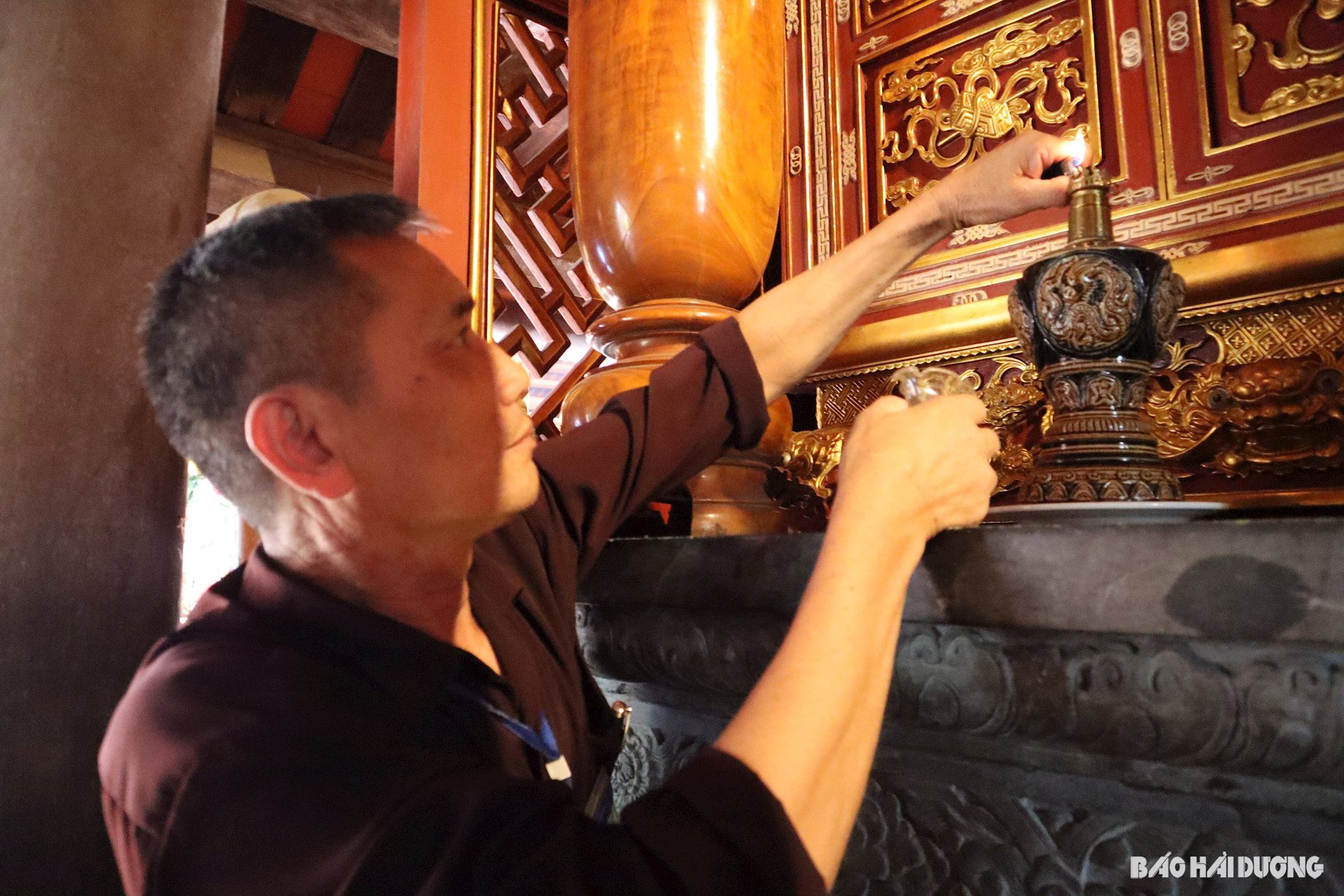
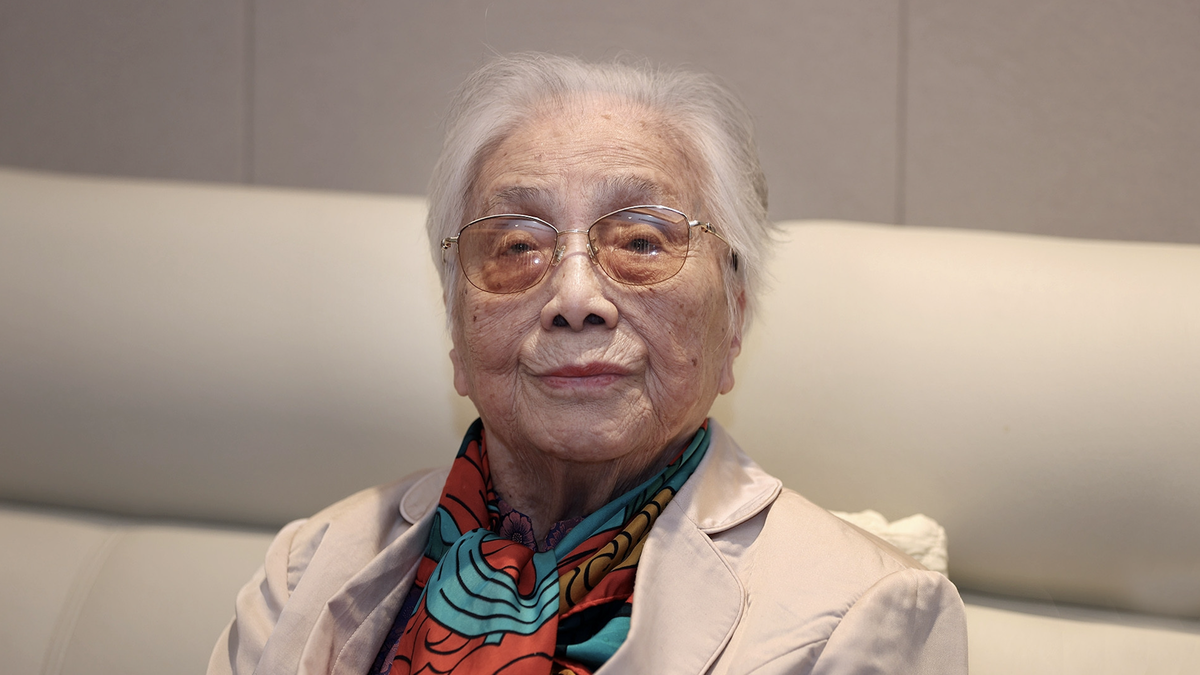
For 28 years, 72-year-old Mrs. Tran Thi Voi has served the sacred at Tranh Temple (Ninh Giang), waking up at 4 a.m. every day to light incense, lamps, and candles, change the water, and clean the altars. "Even in stormy weather, it's still the same," Mrs. Voi said.
After the area around the temple is cleaned, Mrs. Voi resumes her work of welcoming and guiding visitors, assisting with rituals, and even performing prayers on behalf of others when needed. During festivals and Tet (Lunar New Year), temple caretakers like Mrs. Voi are responsible for preparing offerings for all the altars in the historical site and participating in important ceremonies. In her 28 years working at Tranh Temple, she has also made significant contributions to mobilizing donations from visitors, helping to transform the temple from a simple three-room bamboo structure into its current magnificent state.
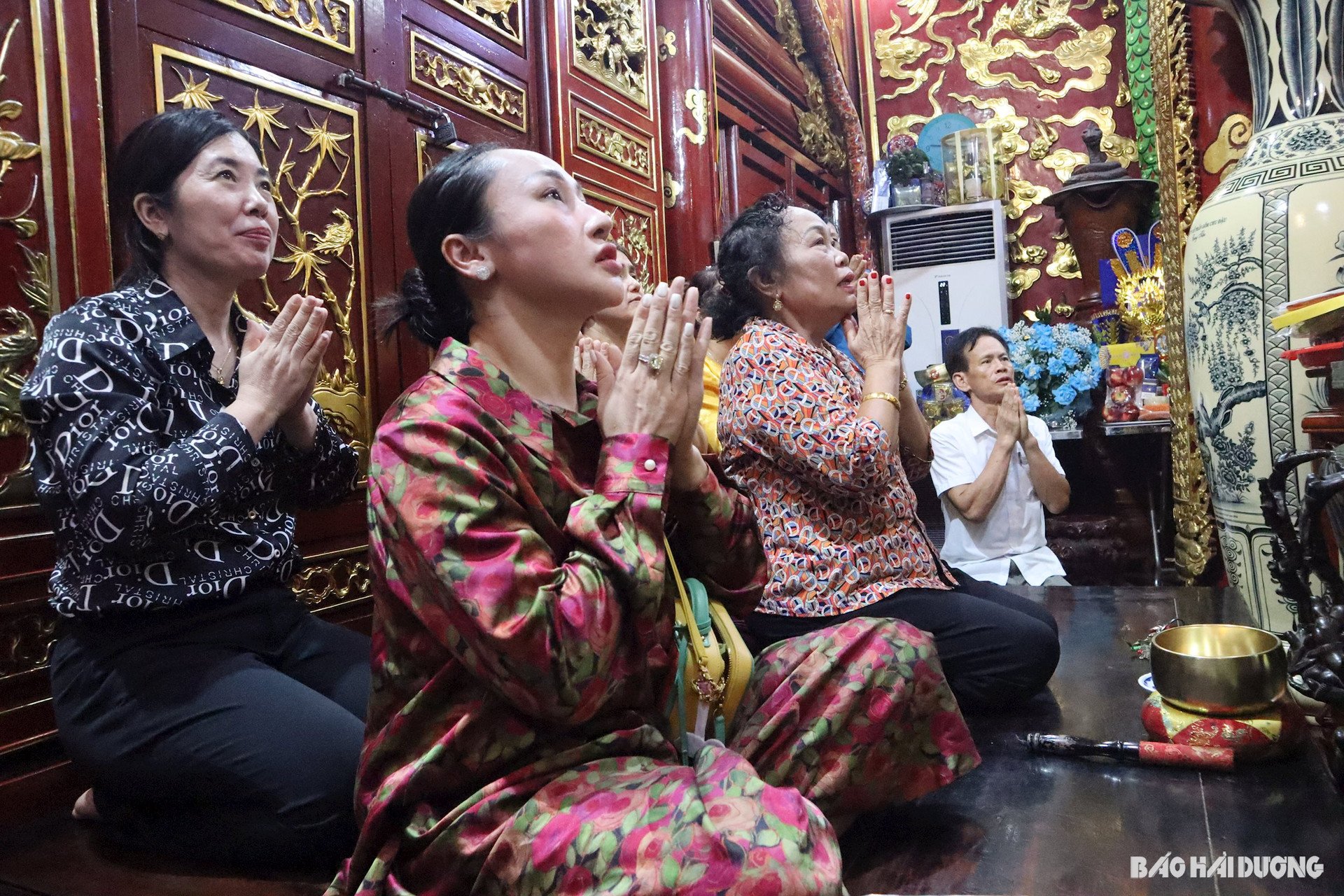
Previously, when she was a young girl, Ms. Voi worked as a factory worker at the Ninh Giang Mill, but thanks to fate and the trust of the local government and people, she was elected as the caretaker of the temple.
Most temple keepers are elected by the local community or villagers based on various criteria such as: being 60 years of age or older, good health, having a pleasant appearance, a benevolent face, being reputable and virtuous, coming from a cultured family, and possessing a certain level of knowledge…
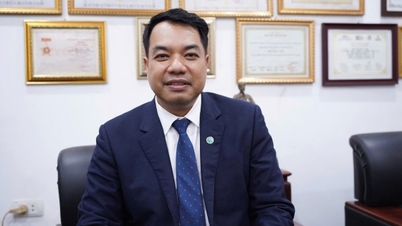
At Kiet Bac Temple, the selection of temple caretakers is organized as a competition with clear rules and regulations. Four caretakers are selected for each term. The selection process is held before the Lunar New Year every year. A selection committee is established for each competition. “Previously, the chairman of the selection committee was a representative from the Department of Culture, Sports and Tourism . Since 2021, the department has assigned this responsibility to the Con Son-Kiep Bac Relic Management Board. We, along with the Hung Dao commune government, will be responsible for selecting the caretakers,” said Dr. Le Duy Manh, Deputy Head of the Con Son-Kiep Bac Relic Management Board.
According to Dr. Manh, the candidates will take three parts: a written test demonstrating their understanding of the historical site, lasting 60 minutes; an oral exam on regulations regarding what the caretaker is allowed and not allowed to do, and supplementary questions; and a written petition. For the written petition, candidates must achieve a score of 5 points to pass…
The reason the selection of temple caretakers is so rigorous, meeting many criteria, is because, according to folk beliefs, serving the sacred cannot be done carelessly. Furthermore, temple caretakers are people who frequently interact with visitors from all walks of life, so they need to be highly qualified.
Currently, there are no specific statistics on the number of temple caretakers, but there are nearly 200 temples in Hai Duong province. In addition, there are nearly 400 shrines and other religious sites. These places of worship usually have elderly caretakers or temple attendants who look after them and maintain the incense offerings. The work is quite demanding, but currently, the caretakers' salaries depend heavily on the income generated by the religious site itself.
LE HUONGSource











































































Comment (0)