

Speaking of drought-prone areas, Ham Thuan Nam is perhaps one of the localities in the province most severely affected. Since the province has invested in irrigation systems and canals, the lives of the people here, especially the ethnic minority communities, have changed significantly thanks to the utilization of water resources for production.
High-value specialized farming areas
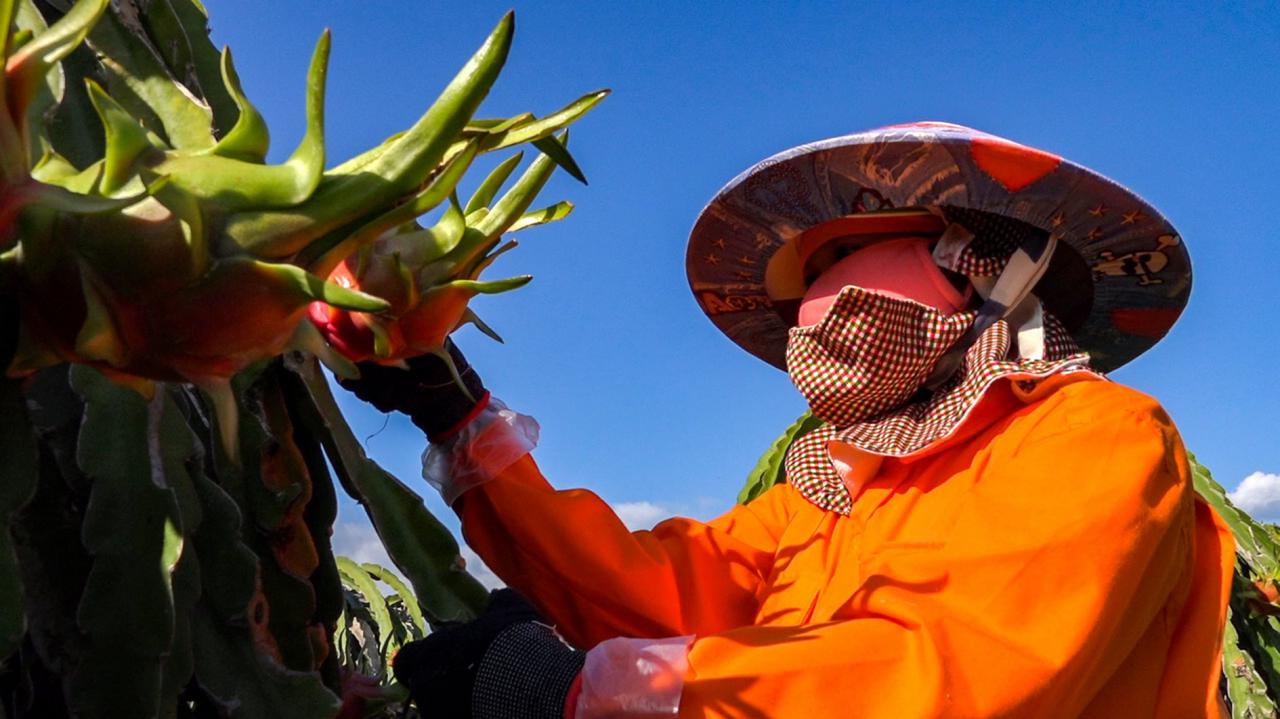
Visiting Ham Thuan Nam district in early December, you'll hear farmers everywhere discussing the high price of dragon fruit. This is the time when farmers are using artificial lighting to prepare for the Tet (Lunar New Year) market, so the yield is usually lower than the main crop. However, the rising price of dragon fruit has made the market in what is considered the largest dragon fruit growing area in the province more vibrant than ever. Currently, the price of white-fleshed dragon fruit sold in bulk at the farm is between 14,000 and 18,000 VND/kg depending on the variety. Red-fleshed dragon fruit, purchased by export businesses, ranges from 25,000 to 40,000 VND/kg depending on the variety. With these prices, most farmers are making a profit, so they are investing in careful cultivation to serve the market before, during, and after the 2024 Lunar New Year.
This hope is well-deserved for the persistent farmers who have persevered with the "green dragon fruit," despite the market fluctuating like a sinusoidal curve in recent years, causing the area under dragon fruit cultivation in many places to shrink. Moreover, to become the "capital" of green dragon fruit, the Ham Thuan Nam district government has overcome numerous difficulties, transforming what was once arid land into a key dragon fruit growing area of the province. It's worth remembering that every March, during the peak of the dry season, the people of Ham Thuan Nam district would worry about the lack of water for daily life and production. But in recent years, thanks to the repair and construction of irrigation reservoirs alongside water transfer projects, the water supply for both daily life and agricultural production has been ensured. This has led to the formation of specialized dragon fruit growing areas, contributing to increased income for the people.
Thanks to this, people's lives have gradually improved, and the poverty rate in the locality has decreased year by year. According to the District People's Committee, over the 5 years (from 2016 - 2020) of implementing poverty reduction policies throughout the district, 700 households have escaped poverty. During this period, the Social Policy Bank disbursed more than 178 billion VND to 5,256 poor and near-poor households to support their production and business development needs. Thanks to irrigation, the district's agricultural sector has developed rapidly, contributing positively to poverty reduction, ensuring food security, and rapidly increasing the number of farmers who have become legitimately wealthy.
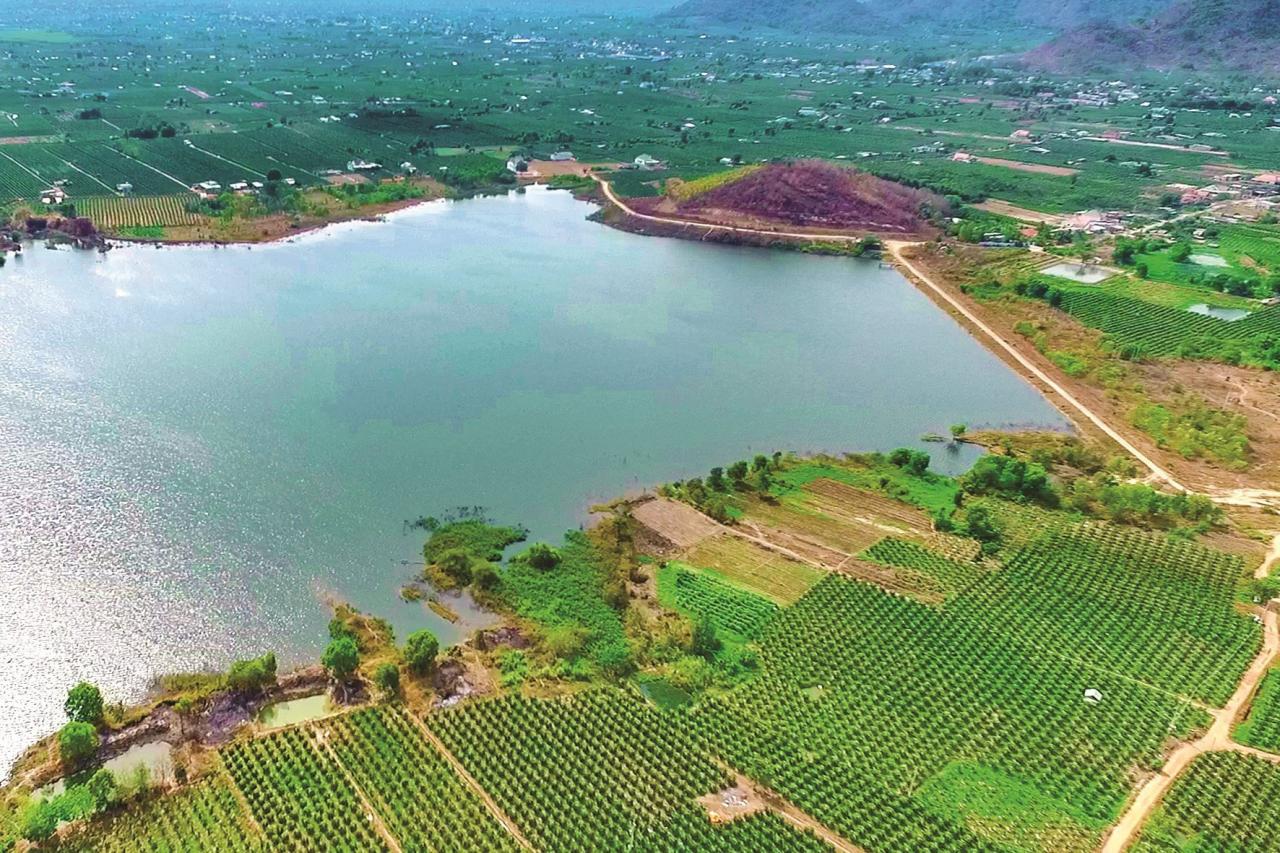
It can be seen that, from a district with no significant irrigation works, the irrigation system has now received significant investment in large-scale projects, with a total annual water storage capacity of over 49 million cubic meters and a total irrigated area of over 6,500 hectares. However, currently, the irrigation system has not been extended to two highland communes, Ham Can and My Thanh, causing considerable difficulties for the local people.
The desire to have a Kapet lake.
Returning to this highland region in the final days of the year, one can glimpse patches of green from the dragon fruit, rubber, and acacia plantations of the local people, and even mango orchards laden with fruit. That being said, this area is not blessed with abundant water resources; the issue of irrigation remains a major concern for this highland region. Besides one corn and one rice crop per year, the local government has guided the people to switch to suitable crops and apply scientific and technical advancements to utilize groundwater and spring water most effectively during the dry season. The issue of water for both production and daily life is a burning desire of the people in these two communes, so their eagerness for the construction of the Ka Pet reservoir to provide water for production and a better life is understandable. When the Ka Pet reservoir project, with a storage capacity of over 50 million cubic meters of water, is implemented, it will become a crucial driving force for the development of agriculture in the district and transform the lives of the people in these two highland communes.
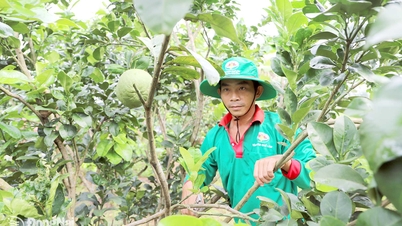
Starting with a precarious corn crop, Ms. Nguyen Thi My Bong (Ham Can commune) diligently applied proper farming techniques, resulting in consistently high annual yields. Over the years, after water became readily available in the area, she borrowed capital and additional funds from family to purchase a plot of land for growing high-yield dragon fruit. She actively sought out production knowledge and applied technology to reduce costs, conserve water, and minimize labor. As a result, her family's living standards improved significantly, allowing her to invest in her children's university education.
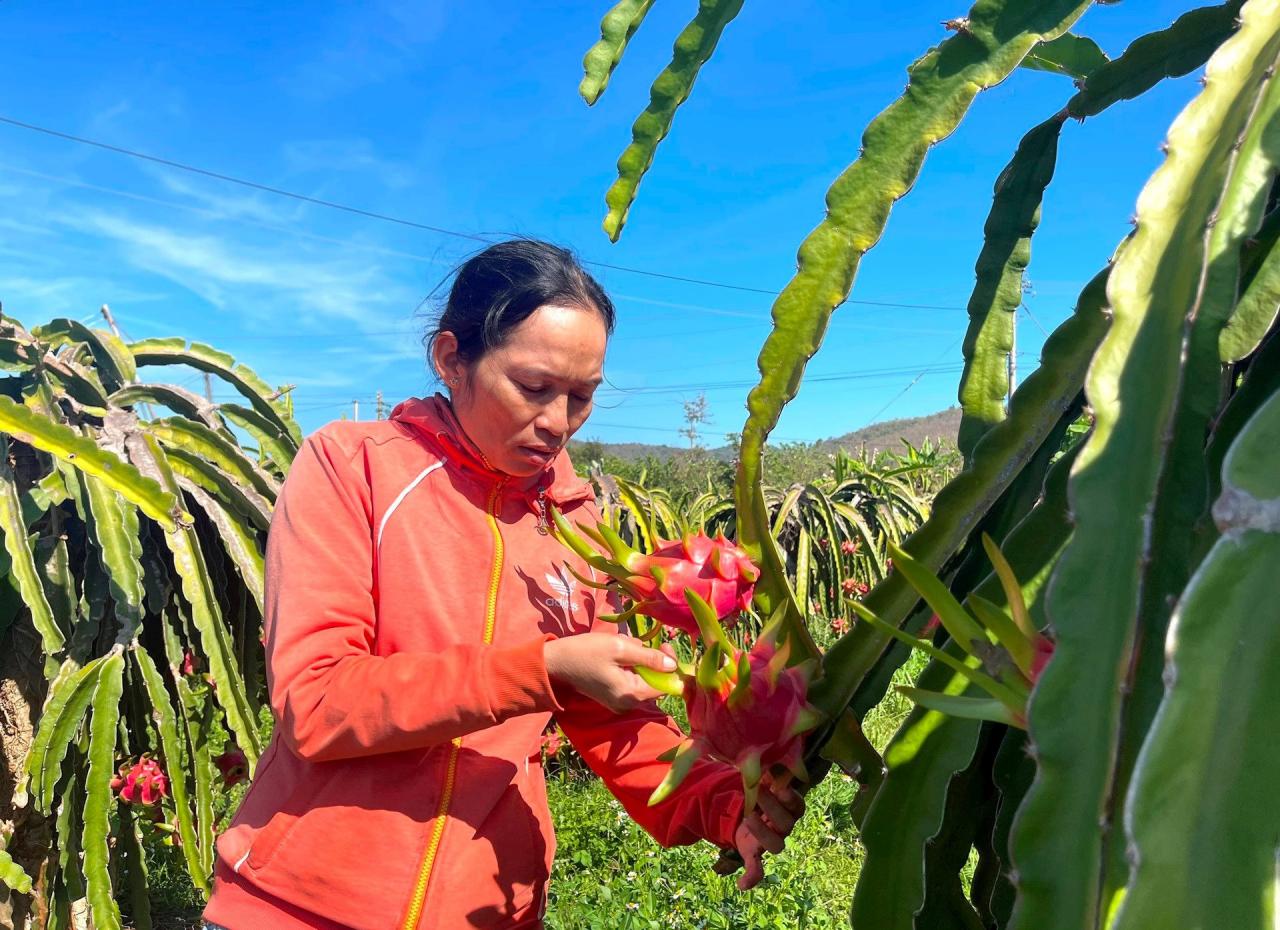
According to the People's Committee of Ham Can commune, as of now, the entire commune has more than 547 hectares of dragon fruit being cultivated according to VietGAP standards. In 2023, the locality coordinated with the Department of Agriculture and Rural Development to implement the SACCR project of Binh Thuan province for 325 households benefiting from the project, including poor and near-poor households, ethnic minorities, people with difficult circumstances, and elderly people living alone. Accordingly, many households received support for water-saving irrigation systems with 3,900,000 VND/household; support for agricultural supplies of 22,000,000 VND/household; and support for building and digging ponds ranging from 24,000,000 to 35,000,000 VND/household. Of these, a total of 24 households benefited from pond construction, and a total of 301 households benefited from agricultural supplies. As a result, the lives of the local people have become less difficult, they can focus on production, and many households have risen out of poverty.
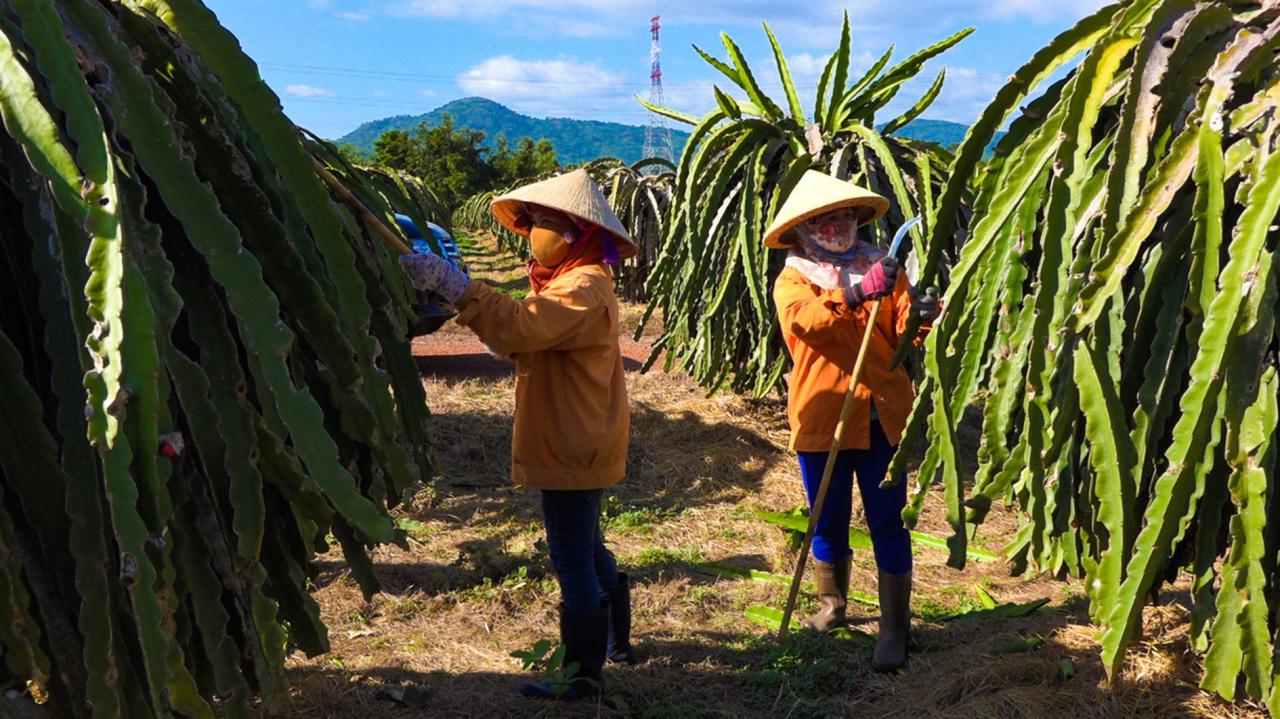
Once the necessary conditions are met, meaning having arable land and a stable water supply for irrigation, the local households must strive to produce and work diligently to stabilize their lives as soon as possible, through loan support from the Social Policy Bank. From the beginning of the year until now, the Social Policy Bank has provided loans to 1,757 households with a total loan amount of over 58 billion VND, including 45 poor households borrowing capital for production (2,883 million VND); 142 near-poor households borrowing capital for production (9,790 million VND); 1 newly escaped-from-poverty household borrowing capital for production (70 million VND); and 9 households in difficult areas borrowing capital for production and business with a total loan of 420 million VND. In addition, loans for clean water and sanitation have been provided to 994 households with a total capital of 18,960 million VND; and 45 ethnic minority households have borrowed over 4 billion VND to support production development…
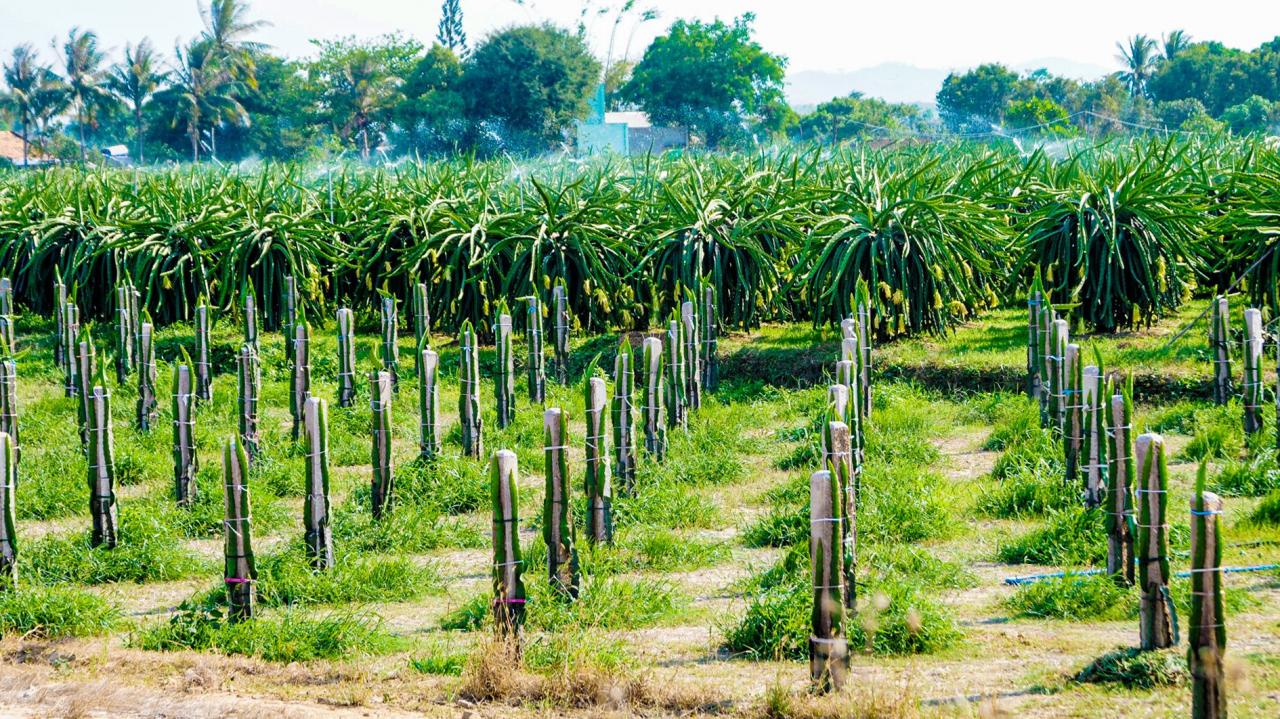
With numerous policies for poor and near-poor households in ethnic minority areas, it is believed that the lives of the people and the rural landscape of the district will increasingly improve. In particular, when the irrigation system, especially the Kapet reservoir project, is put into operation, the story of greening the two mountainous communes will no longer be a distant dream.
According to the results of the comprehensive review of poor households in the district for the period 2022-2025, there are 839 poor households, accounting for 2.73%, and 1186 near-poor households, accounting for 3.87%.
MINH VAN, PHOTO: N. LAN
Source




![[Photo] General Secretary and President To Lam receives Amazon's Senior Vice President David Zapolsky](https://vphoto.vietnam.vn/thumb/1200x675/vietnam/resource/IMAGE/2026/05/22/1779466547770_a1-bnd-3513-6601-jpg.webp)











































































Comment (0)