


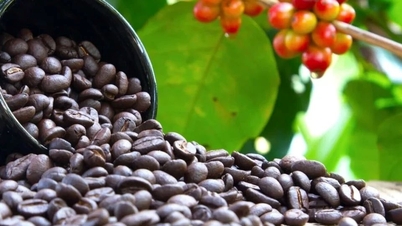
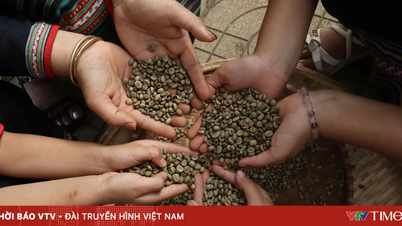
Specific gene variations inherited from parents will affect the amount of coffee a person can consume - Photo: iStock
The study also revealed a complex relationship between coffee consumption, certain health conditions, and the environment.
Coffee drinking habits are hereditary.
Researchers from the Schulich School of Medicine & Dentistry and the University of California San Diego (UCSD) used genetic data as well as self-reported coffee consumption figures to assemble a genome-wide association study (GWAS).
These types of studies utilize large volumes of genetic data to help researchers identify genetic, gene, and biological variations associated with a specific disease or certain health traits.
Researchers compared genetic traits related to coffee consumption from the 23andMe database in the United States with an even larger record in the United Kingdom.
Hayley Thorpe, lead researcher and postdoctoral researcher at the Schulich School of Medicine & Dentistry, said: "We used this data to identify regions on the genome associated with how likely someone is to consume a lot or a little coffee, and then identified the genes and biology that may be underlying coffee drinking."
The results showed the influence of genetics on coffee consumption.
In other words, specific gene variants inherited from parents will affect the amount of coffee a person can consume.
The study was published in the journal Neuropsychopharmacology .
Differences in results between the UK and the US
However, the results regarding the health effects of a cup of coffee are not entirely conclusive. A genome-wide correlation study of 130,153 participants at 23andMe in the United States was compared to a similar UK Biobank database of 334,649 residents in the United Kingdom.
Comparisons revealed a consistent positive genetic association between coffee and adverse health outcomes such as obesity and substance use in both groups.
This doesn't mean that coffee drinkers will use other substances or develop obesity, but rather that a genetic predisposition to drinking coffee is somehow linked to these traits, Thorpe says.
The findings become more complex when considering mental health conditions. "For example, look at the genetics of anxiety, or bipolar disorder and depression. In the 23andMe dataset, they tend to have a positive genetic correlation with the genetics of coffee consumption. But in the UK Biobank, you see the opposite pattern, where they have a negative genetic correlation. This is not what we expected," Thorpe said.
Researchers noted other differences between the groups. Thorpe said: "We found positive associations between the genetics of coffee consumption measured in the 23andMe data and mental disorders, but these associations tended to be negative when considered in the UK Biobank."
These differences may stem from a variety of reasons, such as variations in the preference between tea and coffee consumption among Americans and Britons.
According to Thorpe, while research adds to the existing literature and helps to better understand how coffee might impact an individual's health, more work needs to be done to understand the relationship between coffee, the use of other substances, and health issues in distinct environments.
 Coffee addiction: Beware of overdose and poisoning.
Source: https://tuoitre.vn/tai-sao-chung-ta-them-ca-phe-20240622182130435.htm

![[Photo] General Secretary and President To Lam presides over a meeting with the Central Organizing Committee.](https://vphoto.vietnam.vn/thumb/1200x675/vietnam/resource/IMAGE/2026/06/03/1780482764658_a1-bnd-4741-3342-jpg.webp)

![[Photo] Secretary of the National Assembly Party Committee, Chairman of the National Assembly presides over the meeting of the Standing Committee and Executive Committee of the National Assembly Party Committee.](https://vphoto.vietnam.vn/thumb/1200x675/vietnam/resource/IMAGE/2026/06/03/1780480353201_ndo_br_bnd-2585-jpg.webp)





















![[Photo] First session of the 14th Congress of the Vietnam Trade Union](https://vphoto.vietnam.vn/thumb/1200x675/vietnam/resource/IMAGE/2026/06/03/1780465947883_ndo_br_img-3852-jpg.webp)


















![[Video] Sunset at Lap An Lagoon – Where the sun sets over the fishing nets](https://vphoto.vietnam.vn/thumb/1200x675/vietnam/resource/IMAGE/2026/05/31/1780192137701_beach-landscape-sea-water-nature-grass-745871-pxhere-com.jpeg)





























Comment (0)