

Do you feel like you've gained weight after Tet? Did you eat too much junk food during Tet and find your clothes noticeably tighter? Is your face rounder too?
Because there are many opportunities to gather and chat with relatives and friends during the Lunar New Year, snacks and drinks are unconsciously consumed. If you're not careful, you might lose control of your calorie intake, even consuming double your usual daily calorie consumption.
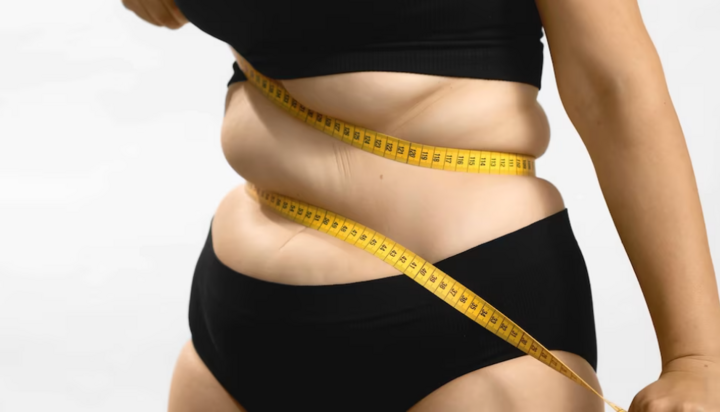
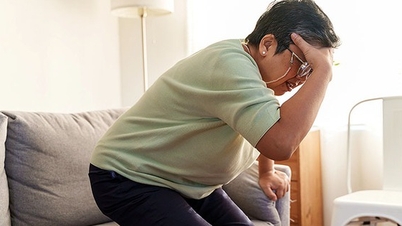
Many people gain weight after the Lunar New Year. (Illustrative image)
According to a survey by Taiwan's (China) health agency, 30% of people gained 1.7 kg after the Lunar New Year holiday, and about 50% of people became less active, so weight gain was a common phenomenon.
The calorie trap of snacking during Tet (Lunar New Year).
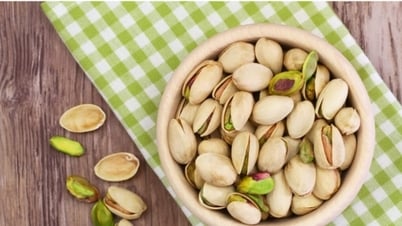
Nutrition expert You Weiming of St. Martin's Hospital in Taiwan (China) advises that common calorie sources in snacks include: soft drinks, soda and fruit juices, dried meat and biscuits, junk food and items made from nuts and dried fruit.
Therefore, if you haven't finished all your leftover snacks from Tet, don't enjoy them alone. Share them with your friends as quickly as possible to avoid obesity.
Health risks associated with being overweight or obese.
Obesity significantly impacts health. Maintaining a normal weight and waist circumference is crucial for good health. Nutrition expert Hou Minyi from St. Martin's Hospital in Taiwan (China) recommends that people measure their waist circumference and weigh themselves after the Lunar New Year.
If your waist circumference exceeds 90cm for men and 80cm for women, it means your waist is too large. To achieve an ideal weight as an adult, you can calculate your current height and weight using the BMI formula to see if your BMI falls between 18.5 and 24.
Studies show that being overweight or obese (BMI ≥ 24) is a major risk factor for chronic diseases such as diabetes and cardiovascular disease. If you find yourself overweight or obese, you should consult a nutritionist to manage your diet and gradually return to a normal eating pattern.
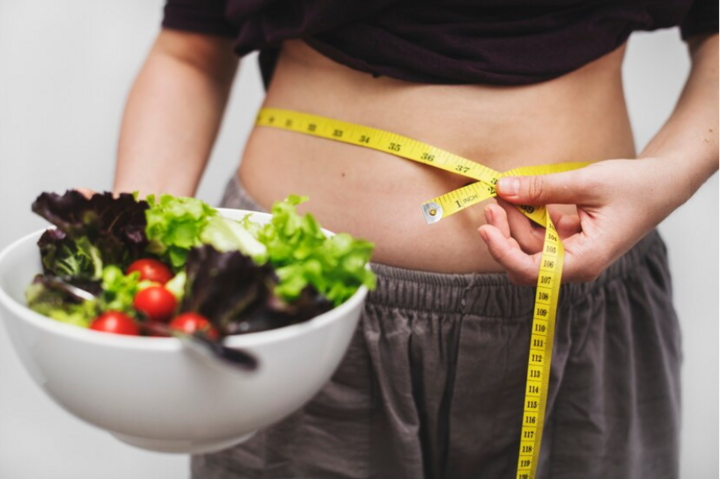
The period after the Lunar New Year is the best time to control your weight (Illustrative image).
3 tips for controlling weight after Tet (Lunar New Year)
So, what kind of diet is best for healthy weight loss?
Nutritionist Cai Yuqi from St. Martin's Hospital in Taiwan (China) points out that the daily calorie requirement for adults is: 25-30 calories per person based on body weight (this calorie intake is recommended for people with light physical activity), such as office workers.
For example, Mr. A, who is 170cm tall and weighs approximately 63kg, would need about 1575-1890 calories per day.
Additionally, nutritionist You Weiming shared three tips for managing weight after the Lunar New Year, enabling even those unfamiliar with calorie counting to lose weight easily and healthily:
A low-calorie, high-fiber meal in small portions.
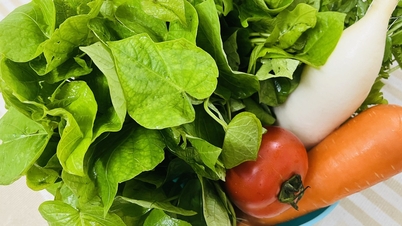
A three-meal meal plan designed for calorie control includes: about half a bowl to one bowl of whole grains (carbohydrates), a main course about half a palmful (tofu, seafood, eggs, and meat), and one to two side dishes (mushrooms, pickles, and vegetables...) prepared by steaming, blanching, or boiling.
The diet should be maintained for more than two weeks to achieve noticeable and desired results.
Drink water and tea between meals; they contain zero calories.
Healthy adults should drink boiled water to maintain a healthy body weight (half of which could be unsweetened tea). For example, a healthy adult weighing 60kg should drink 1800-2400ml of boiled water.
Drinking water helps circulate fluids in the body, provides a temporary feeling of fullness, and contains no calories. Drinking water regularly between meals can reduce hunger and prevent impulsive eating between meals.
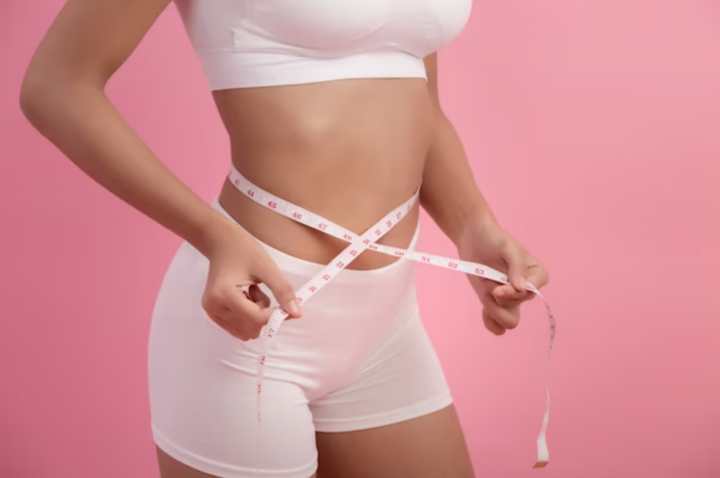
Maintaining healthy eating habits is essential for keeping a healthy weight (Illustrative image).
Maintain a proper work-rest schedule and avoid late-night snacking.
Evening is when people are least active, so they burn fewer calories. If you don't exercise and consume calories from late-night snacks, these excess calories will accumulate as fat in the abdomen, buttocks, and thighs. Over time, this can lead to weight gain while sleeping, resulting in obesity (due to excessive body fat).
Therefore, after dinner, you can take a short walk of 5 to 10 minutes to increase physical activity, and it's recommended to go to bed before midnight to avoid late-night snacking cravings.
Source

![[Image] Leaked images ahead of the 2025 Community Action Awards gala.](/_next/image?url=https%3A%2F%2Fvphoto.vietnam.vn%2Fthumb%2F1200x675%2Fvietnam%2Fresource%2FIMAGE%2F2025%2F12%2F16%2F1765882828720_ndo_br_thiet-ke-chua-co-ten-45-png.webp&w=3840&q=75)
![[Photo] Prime Minister Pham Minh Chinh receives Lao Minister of Education and Sports Thongsalith Mangnormek](/_next/image?url=https%3A%2F%2Fvphoto.vietnam.vn%2Fthumb%2F1200x675%2Fvietnam%2Fresource%2FIMAGE%2F2025%2F12%2F16%2F1765876834721_dsc-7519-jpg.webp&w=3840&q=75)

![[Live] 2025 Community Action Awards Gala](/_next/image?url=https%3A%2F%2Fvphoto.vietnam.vn%2Fthumb%2F1200x675%2Fvietnam%2Fresource%2FIMAGE%2F2025%2F12%2F16%2F1765899631650_ndo_tr_z7334013144784-9f9fe10a6d63584c85aff40f2957c250-jpg.webp&w=3840&q=75)
![[Photo] Prime Minister Pham Minh Chinh receives the Governor of Tochigi Province (Japan)](/_next/image?url=https%3A%2F%2Fvphoto.vietnam.vn%2Fthumb%2F1200x675%2Fvietnam%2Fresource%2FIMAGE%2F2025%2F12%2F16%2F1765892133176_dsc-8082-6425-jpg.webp&w=3840&q=75)













































































Comment (0)