

Norway – considered the electric vehicle capital – is entering a normalization phase as the government announces a roadmap to remove tax incentives for electric vehicles over the next two years. For a best-selling model like the Tesla Model Y, especially the standard version, this is a direct test of the pricing structure and value for money of a popular electric SUV as purchase costs rise again.
Finance Minister Jens Stoltenberg stressed: “We have achieved our goal that all new passenger cars will be electric by 2025. So now is the right time to start phasing out incentives.” New car registration data shows electric vehicles accounted for 98.3% of sales in September 2025, compared to 89% for the whole of 2024.
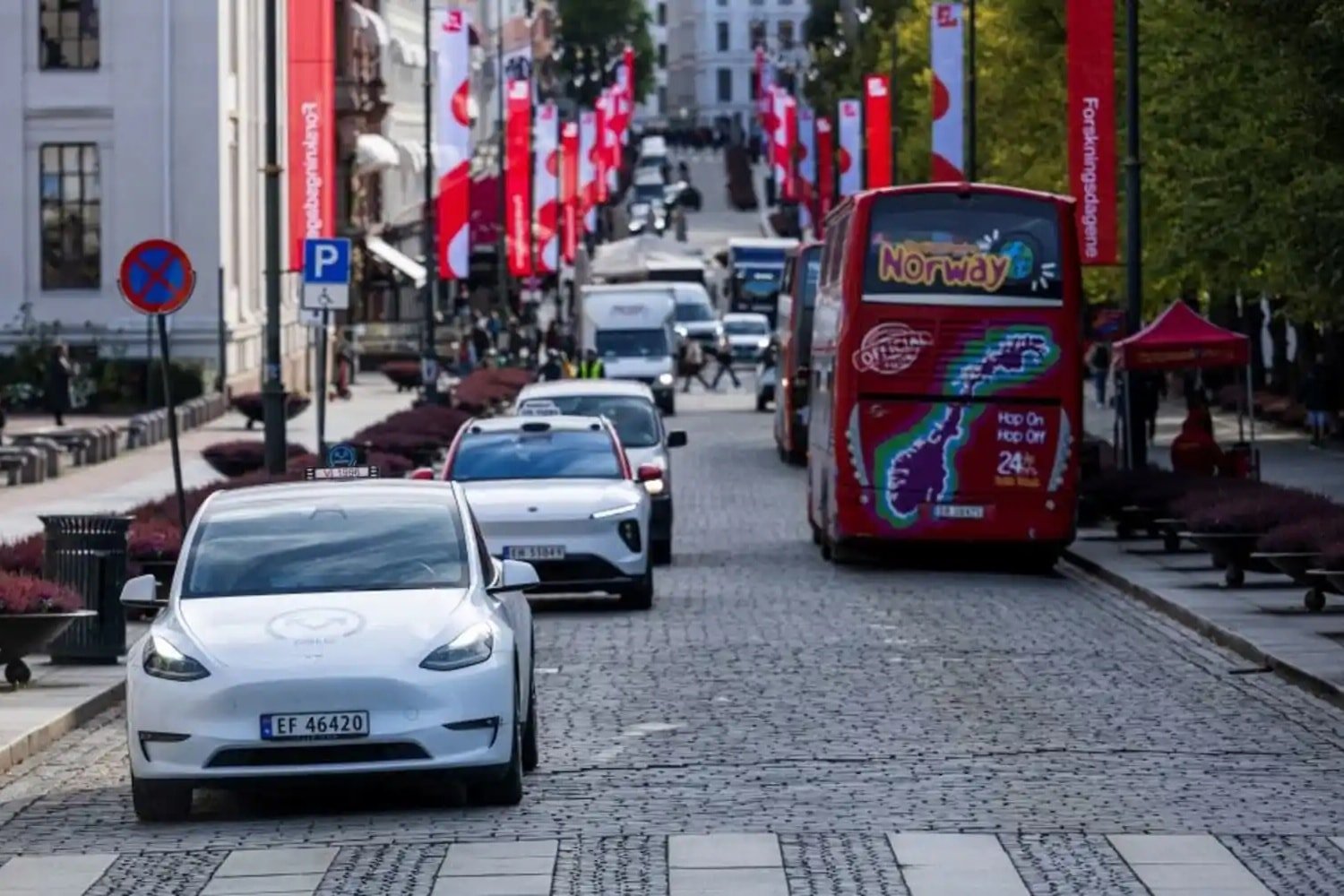
Context and key points: Values are challenged by taxes.
According to the new budget plan, Norway intends to:
- Reduce the VAT-exempt price threshold for electric vehicles from 500,000 to 300,000 kroner in 2026 (equivalent to approximately US$29,700 according to the source).
- The VAT exemption for electric vehicles will be completely abolished from 2027, if the parliament approves it.
Currently, only the Tesla Model Y Performance exceeding 500,000 kroner (approximately $49,600) is subject to VAT. When the exemption threshold drops to 300,000 kroner, buyers of the standard Model Y priced at 422,000 kroner (approximately $41,800) will incur an additional cost of approximately 30,500 kroner ($3,000). By 2027, when the exemption is eliminated, the cost could increase by approximately 75,000 kroner ($7,400).
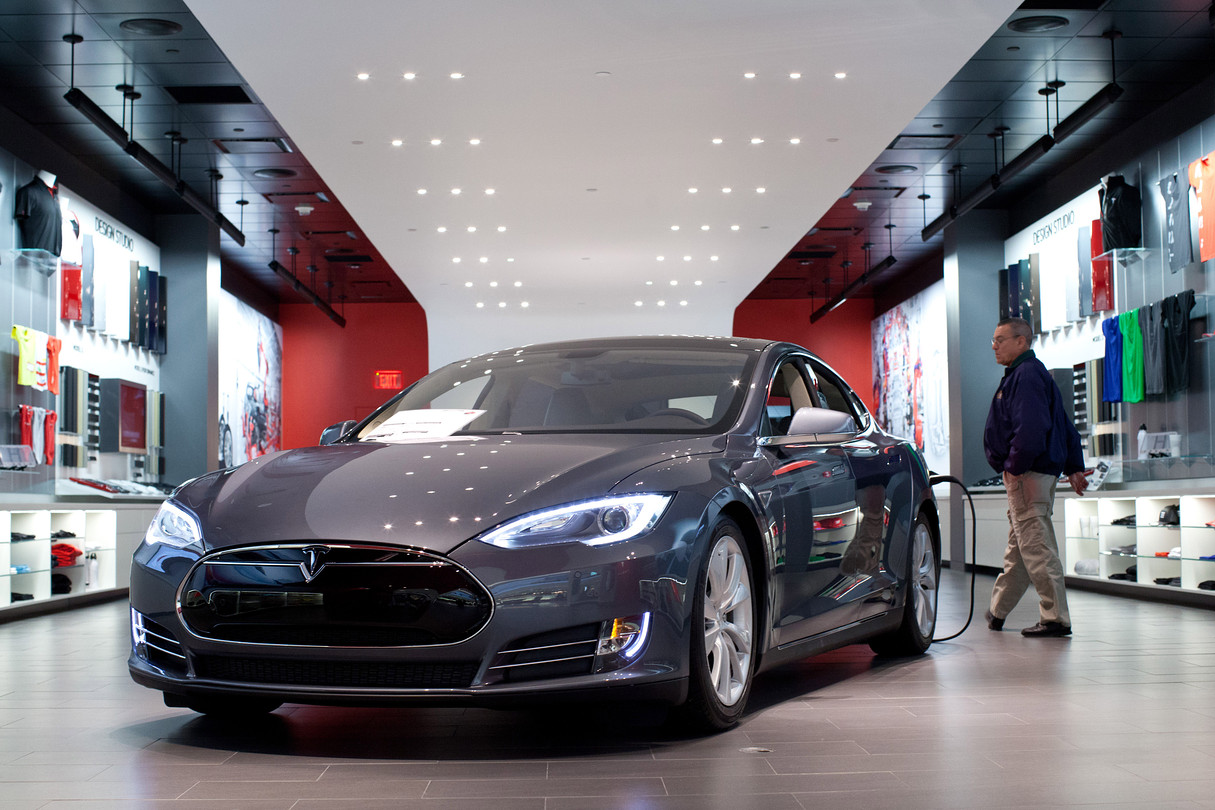
Design: Pragmatic thinking under cost pressure
No design changes were mentioned in the policy announcement. However, a notable point for Model Y buyers in Norway during the 2026–2027 period is the increased initial ownership cost. Compared to competitors such as the Volkswagen ID.4, the Model Y will face a similar situation, falling below the VAT-free threshold of 300,000 kroner in 2026.
With an already saturated electric vehicle market, design is no longer the biggest differentiating factor as the total cost of ownership. The list price after tax has become a central part of the purchasing decision.
Interior and experience: The advantage of clean charging infrastructure.
Specific information about interior materials or configurations is not mentioned in the source data. Conversely, the daily user experience of the Model Y in Norway is still supported by the existing hydroelectric and wind power infrastructure. Clean energy helps maintain the sustainability of the charging-running cycle, an advantage that gasoline-powered cars do not have.
However, as car purchase costs increase, consumers will weigh the technological features against depreciation over time. This is where the new policy inadvertently pushes buyers back to comparing value, features, and actual needs.
Performance and driving feel: No data available, decision based on needs.
The data source currently does not provide technical specifications or performance metrics for the Model Y. Therefore, the driving experience described in this article should not be speculated upon. The decision to purchase a vehicle in the current context will depend heavily on personal needs, local infrastructure, and cost differences compared to gasoline-powered vehicles, especially after the government simultaneously plans to increase the one-time registration tax on internal combustion engine vehicles.
Safety and technology: No updates yet, focus on policy.
The issue in Norway right now isn't about adding safety features or driving technology, but rather adjusting the tax structure. The data source doesn't mention specific safety ratings or driver assistance systems for the Model Y. Buyers should seek further information from the manufacturer and independent review agencies before making a decision.
Pricing and positioning: Direct impact on the standard Model Y.
| Mold | VAT exemption threshold for EVs | Impact on the standard Model Y | Increased estimated costs |
|---|---|---|---|
| Present | 500,000 kroner | VAT not included (price 422,000 kroner) | 0 |
| 2026 | 300,000 kroner | Exceeding the limit results in VAT. | ≈30,500 kroner (>3,000 USD) |
| 2027 | Remove the exemption. | Full VAT included. | ≈75,000 kroner (>7,400 USD) |
While Tesla continues to grow steadily in Norway, its price advantage may narrow with the reintroduction of VAT. Conversely, the government plans to raise the one-time registration tax on gasoline and diesel vehicles to maintain the favorable price differential for electric vehicles during the transition period. This means that the overall cost of ownership for EVs may not necessarily lose its advantage, even with an increased initial purchase price.
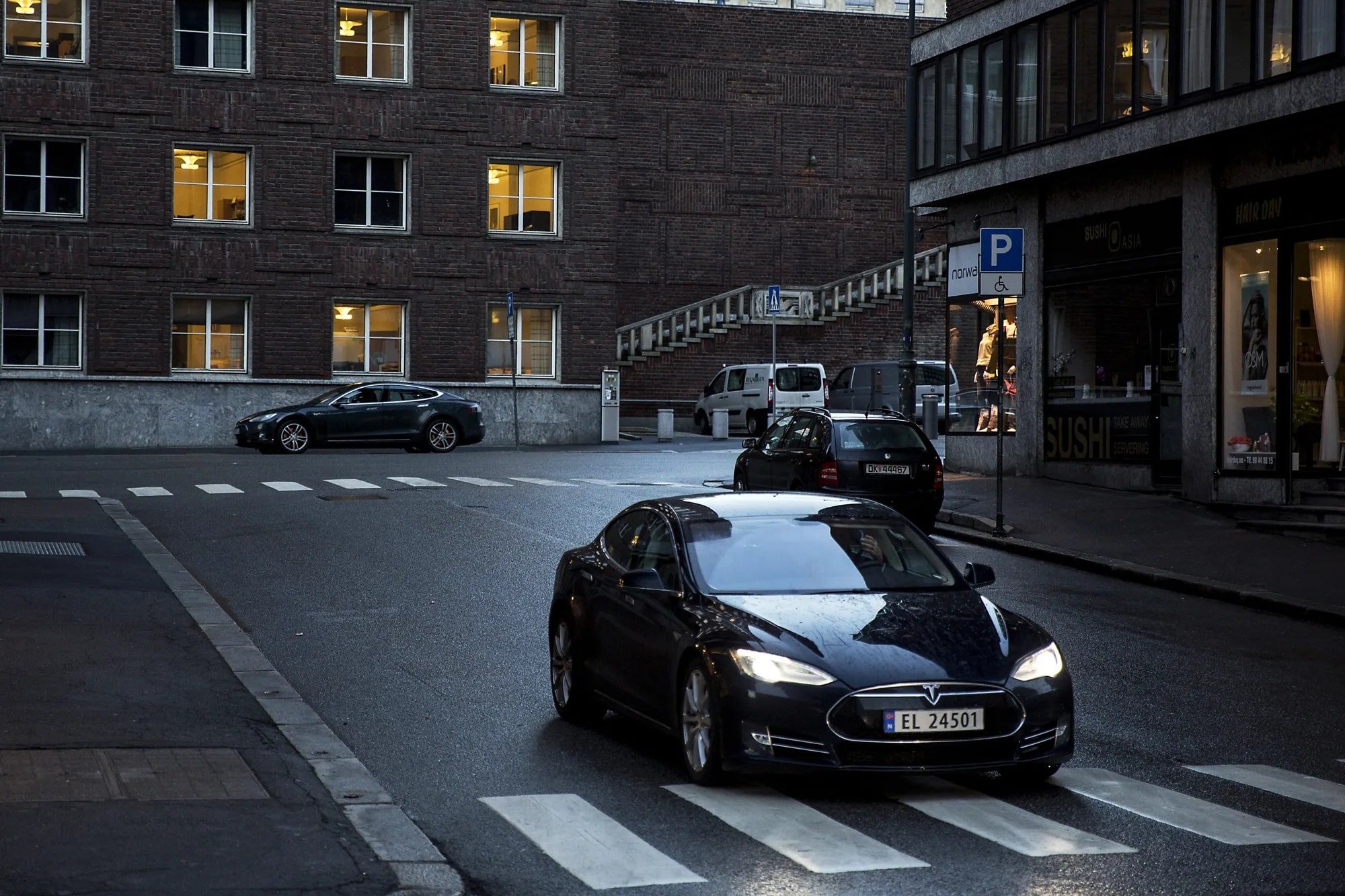
Conclusion: The standard before the “post-preferential” test.
Christina Bu, president of the Norwegian Electric Vehicle Association, expressed her concern: “I worry that these big and rapid changes will cause many people to revert to gasoline-powered cars. Nobody wants to go back to that time.” However, this is an unavoidable process as the EV market matures: from encouragement to normalization.
Advantage
- Clean energy infrastructure supports a sustainable user experience.
- The policy of increasing taxes on gasoline and diesel vehicles could keep the total cost of ownership difference favorable to EVs.
- The market is already familiar with EVs, and charging networks are well-developed.
Limit
- The initial purchase cost of a standard Model Y is expected to increase by approximately 30,500 kroner from 2026 and around 75,000 kroner from 2027.
- There is a risk of a short-term drop in demand when the incentives disappear.
- The policy decision still needs to be approved by parliament; there is a risk of policy changes.
For Norwegian consumers, the decision to purchase a standard Tesla Model Y in 2026–2027 should be based on a calculation of total ownership costs under the new VAT schedule, commuting needs, and anticipated changes in gasoline and diesel vehicle taxes. This will be a true measure of the EV's appeal once it leaves the preferential tax buffer zone.
Source: https://baonghean.vn/tesla-model-y-tieu-chuan-tai-na-uy-2026-truoc-them-vat-moi-10308337.html

































































































Comment (0)