

Ca Mau , a land that thrives on the rhythm of the tides, the mangrove forests, and the shrimp that grow in brackish water, feeding on silt. Ca Mau shrimp are not large or ostentatious, but they are firm, sweet, and flavorful. From these fresh shrimp, through the hands of the locals, dried shrimp are shaped like bird claws. Their simple yet refined form seems to have been reshaped by time.
The people of Ca Mau call them "bird claws" not because of any elaborate shaping, but because after boiling, peeling, and sun-drying, the dried shrimp naturally curve, their bodies gently bending, and their tails closing like small bird claws. This curved shape is the result of sun and wind, experience, and patience. No molds are used, no machinery is employed; everything follows nature, allowing the dried shrimp to retain its form and essence.
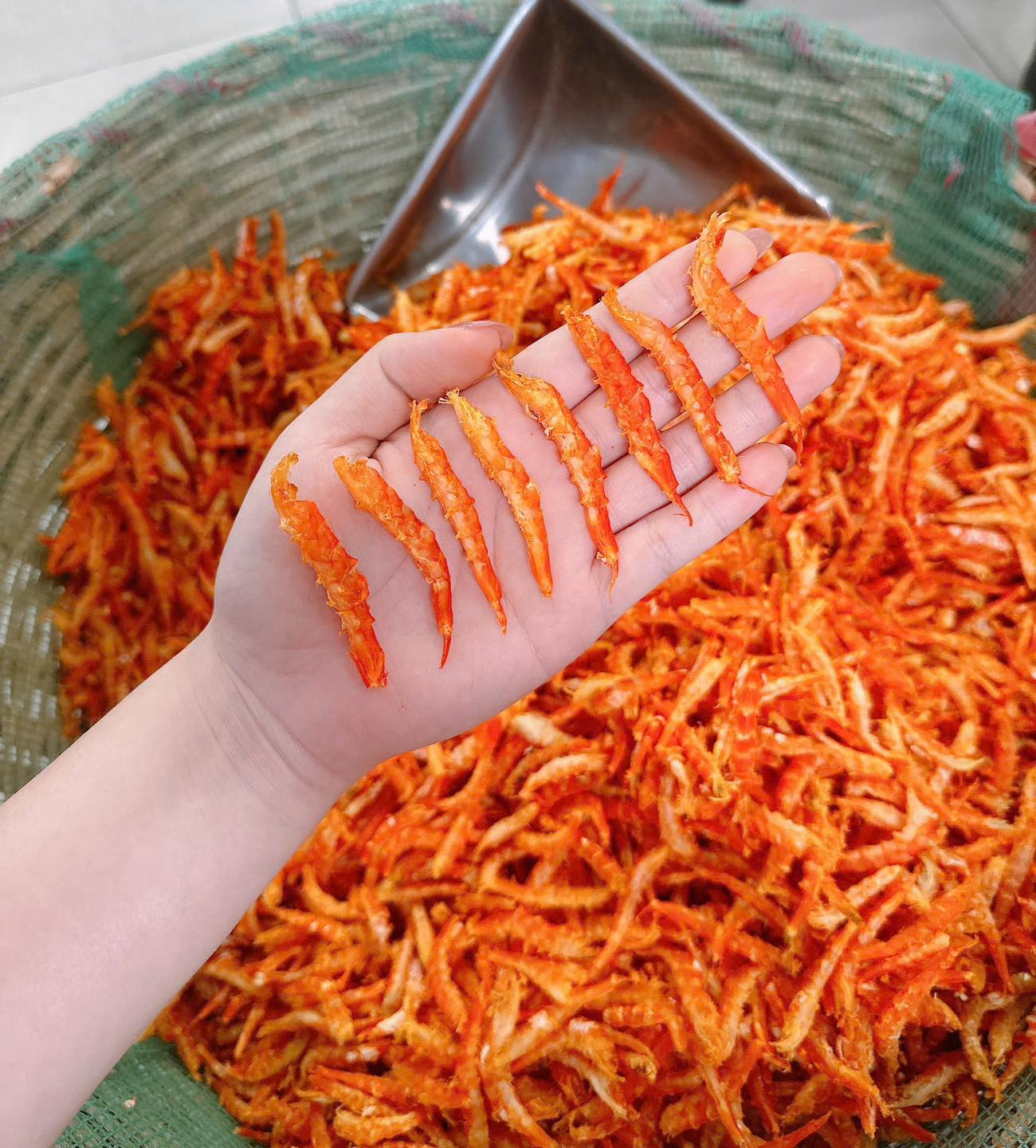
The season for making dried shrimp usually falls on sunny, dry days. Early in the morning, when dew still clings to the mangrove leaves, shrimp are harvested from the ponds and washed clean with clear, salty water. They are then boiled until just cooked, not overcooked, to preserve their sweetness. Afterward, they are peeled by hand, one by one. This seemingly simple task requires skill and perseverance. Peeling too forcefully will crush the shrimp; peeling too quickly will ruin their shape. Only experienced hands can keep the shrimp intact, evenly curved, and bright red.
The trays of shrimp are then dried in the sun. The Ca Mau sun is not harsh, but persistent. The sun dries the shrimp slowly, causing the meat to firm up and develop a natural orange-pink color, without the need for any additives. Every midday, the shrimp are turned over so that the sun touches both sides evenly. In the evening, the shrimp are gathered together to protect them from the night dew. This process continues for several days until the dried shrimp reach the right consistency: not crumbly when broken, not hard to chew, and fragrant from the inside out.
The best dried shrimp, shaped like a bird's claw, are those that feel light yet firm to the touch, not too dark in color, with a mild, pleasant aroma and no fishy smell. When you eat one, the sweetness spreads across your tongue and lingers for a long time. It's the sweetness of sunshine, water, and alluvial soil – a sweetness that needs no seasoning to be truly flavorful.
In a typical rural meal, dried shrimp from Ca Mau often accompanies simple dishes: a bowl of sweet and sour pickled shallots during Tet (Lunar New Year), a plate of refreshing cucumber, or a light and refreshing bowl of gourd soup with dried shrimp. That's all it takes to make a complete meal. For those far from home, dried shrimp is something to "ward off nostalgia." Every time dried shrimp is brought back, it's like bringing the whole southern land back to their small kitchen.
The women of Ca Mau wrap dried shrimp in old newspaper, tie it with string, and send it by bus to their children and grandchildren far away. It's a small gift, but full of meaning. It contains the sweat of the shrimp farmers, the sun and wind of the land, and a silent, heartfelt longing.
Today, amidst a plethora of luxuriously packaged specialties, Ca Mau's claw-shaped dried shrimp still retains its inherent rustic charm. It makes its way into Tet gift baskets, accompanying those returning from afar to the city, carrying with it a touch of sunshine, wind, and the salty flavor of home. And when the package of shrimp is opened, in the heart of the city, people feel that Tet is very near.
And perhaps, just by seeing the plate of bright red, claw-shaped dried shrimp on the tray, the people of Ca Mau know: Spring has arrived, the old year has ended, and love begins again from simple things.
Source: https://baolangson.vn/tom-kho-hinh-mong-chim-5077946.html




























































Comment (0)