Over 70 ancient ceramic artifacts are on display in a special exhibition on ancient Vietnamese ceramic sculptures, from April 22nd to August 30th at the National Museum of History in Hanoi . The artifacts, dating from approximately 4,000 years ago to the early 20th century, are divided into three groups: realistic ceramic sculptures, religious and belief-related sculptures, and architectural decorative sculptures.
|
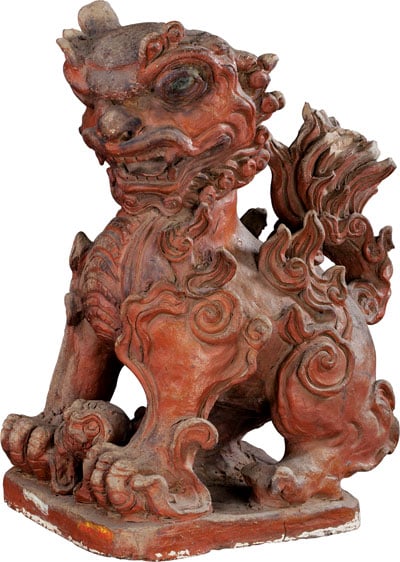



The realistic ceramic sculptures are applied art products serving the needs of the community. This group also represents the most complete range of ceramic materials such as earthenware, stoneware, porous ceramics, and glazed ceramics. The religious sculptures include statues of Quan Am in various forms such as Quan Am Cam Lo, Quan Am Tu Tai, and Quan Am Nam Hai. This group also includes statues of Tam Da, Tao Cong, Tho Dia, and Than Tai. Artifacts in this group generally originate from the South. This is explained by the National Museum of History as being due to the stronger development of religion and belief in the South. The architectural decorative ceramic sculptures mainly consist of statues of mythical creatures such as dragons, unicorns, and mythical beasts, still associated with ancient palace, religious, and folk architecture.
On April 22nd, the National History Museum also began offering the public an automated audio guide system consisting of 50 introductions to the museum's exhibits.
Trinh Nguyen
>> Exhibition of Ancient Vietnamese Ceramic Statues in Hanoi
Ancient pottery awaits revival.
>> Artisans of the ancient pottery village



Source: https://thanhnien.vn/trung-bay-tuong-gom-co-4000-nam-18578962.htm








![[Video] Weather forecast for tonight and tomorrow, July 4, 2026: The remnants of Typhoon No. 1 will cause widespread and prolonged heavy rain in Northern Vietnam.](https://vphoto.vietnam.vn/thumb/402x226/vietnam/resource/IMAGE/2026/07/03/1783083905760_thum-dem-png.webp)