

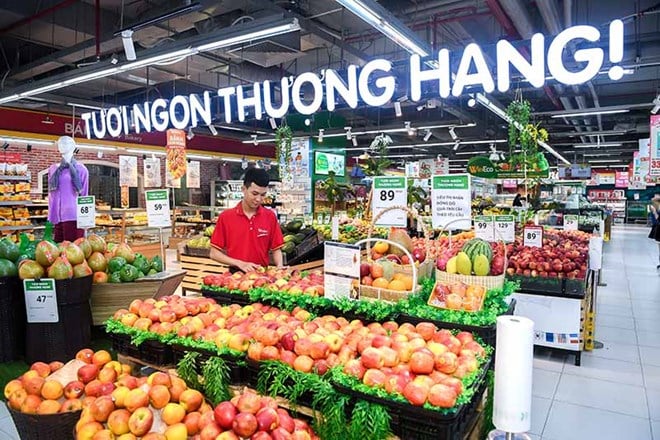
The $350 billion "pie"
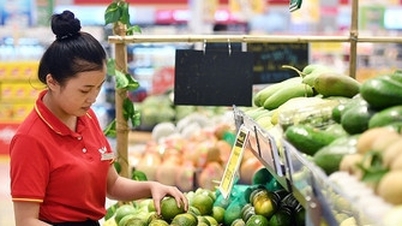
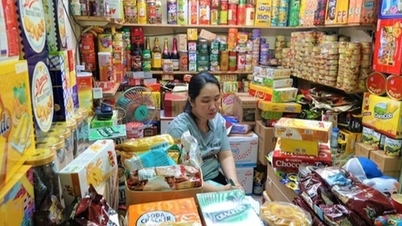
According to the Ministry of Industry and Trade , Vietnam's retail sector currently has a market size of $142 billion, projected to increase to $350 billion by 2025, contributing 59% of the total national GDP.
However, the retail sector still lacks strong linkages between parties in the supply chain (manufacturers, distributors, transporters, consumers), especially for essential food items, making the market vulnerable to fluctuations due to consumer sentiment.
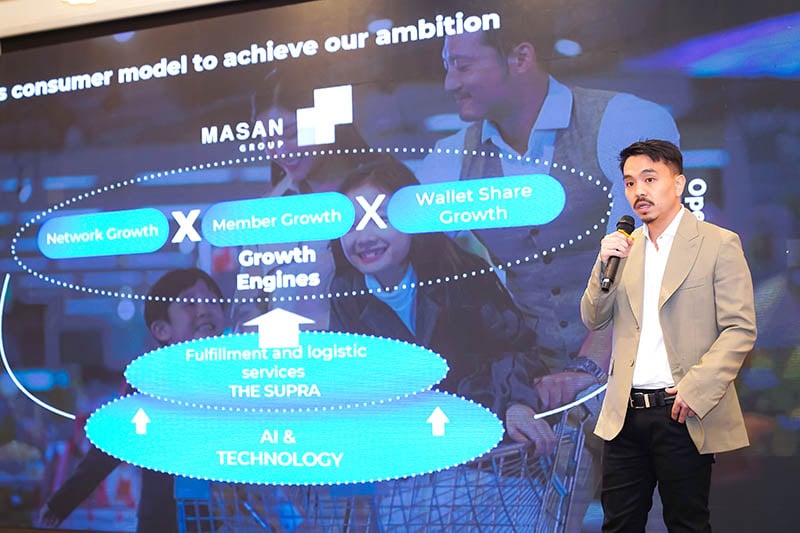
Therefore, retail businesses need to adapt to market trends to easily reach and create value for consumers. Digital transformation and the application of AI (Artificial Intelligence) and ML (Machine Learning) technologies are crucial factors for consumer retail businesses to capture a share of this $350 billion market.
As a leading enterprise in modern consumer retail with a top-tier system, Masan has accelerated its digital transformation, turning itself into a consumer-technology conglomerate since 2021, and has been rapidly expanding from 2022 to the present.
Consumer technology platforms solve the market's difficult "problem".
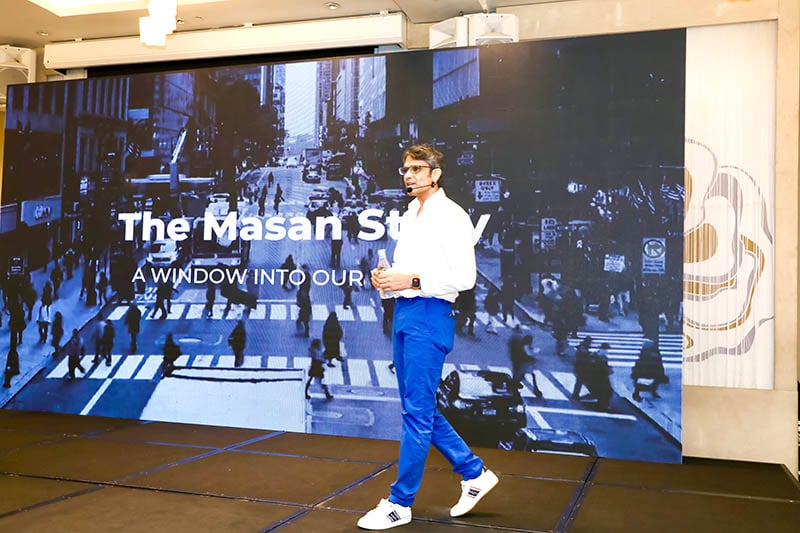
According to a recent report by JP Morgan, Vietnam is one of the most compelling retail consumer growth stories in Asia.
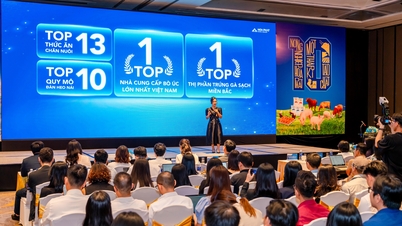
With over 27 years of experience in the consumer sector, Masan understands the challenges of the market. At the event "Applying AI, ML, and Data Science in Consumer and Retail," the company highlighted the difficulties throughout the consumer value chain.
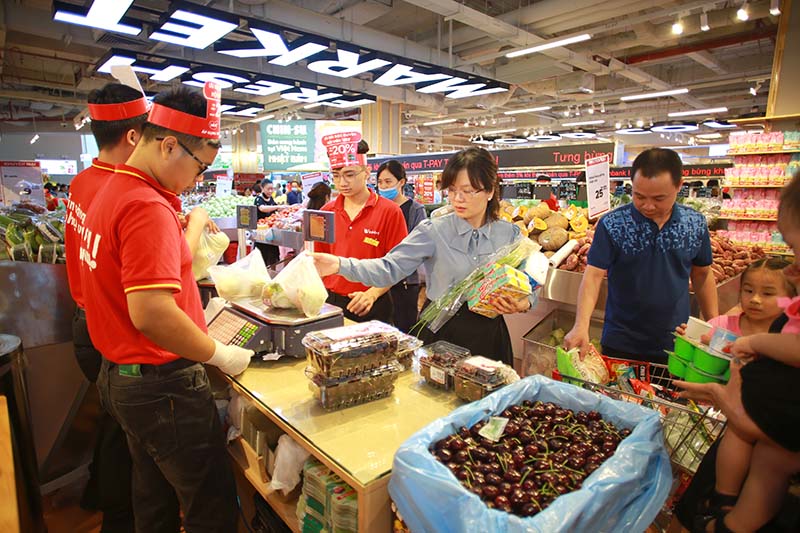
Firstly, for brands, products, and services: The first and most important challenge is the lack of data needed for innovation and adding value to users.
For example, when changing product packaging, businesses need data such as the colors, materials, and patterns preferred by consumers in order to come up with the optimal solution.
In addition, high procurement costs are also a major challenge for businesses. Businesses can control these costs by creating a purchasing list based on market demand data for the products they sell.
The final, but equally important, challenge is the risk of lost sales due to inventory shortages at the point of sale. This is a consequence of businesses lacking proper inventory planning at their consumption points.
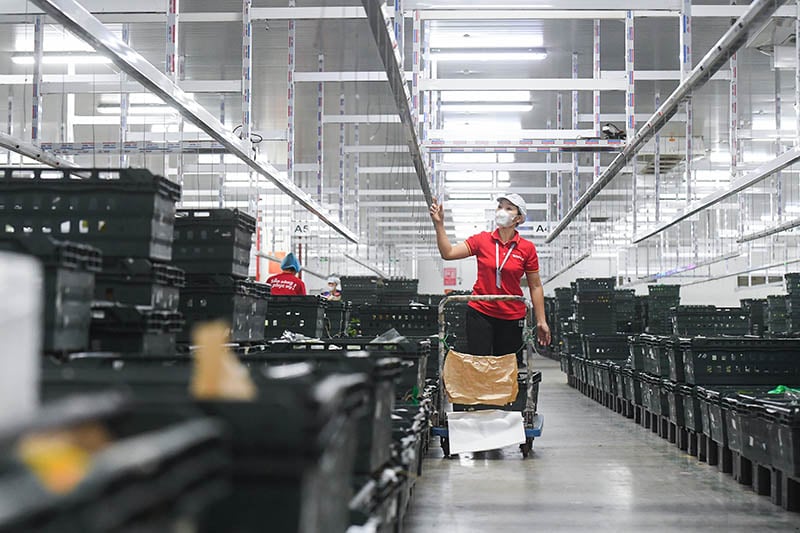
Secondly, for retailers: Inefficient inventory management is one of the problems many businesses face. Monitoring the flow of goods and inventory across different sales channels is also a significant challenge in the operations of retailers.
In addition, to increase sales, businesses often implement marketing programs, and these activities can affect profits if marketing costs are not used effectively.
Thirdly, for customers: Customers will have to pay higher prices for products and services if businesses fail to optimize their operating costs.
Customer experience is also a key concern as the trend towards personalization continues to grow. To gain consumer trust and increase sales conversion rates, businesses need to understand their customers by recommending products that truly suit their individual needs, based on data such as purchase history.
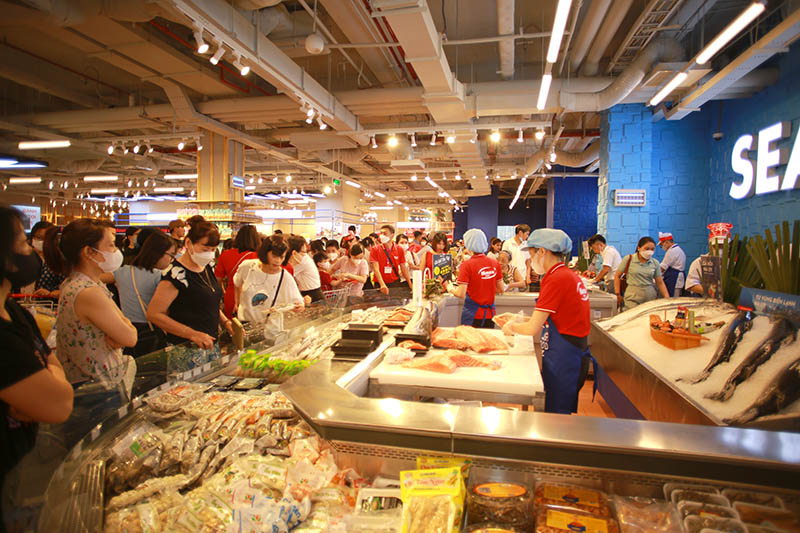
To address these challenges, Mr. Danny Le, CEO of Masan Group, outlined Masan's strategy for building its Point of Life (POL) network. Accordingly, the POL consumer-technology ecosystem is an offline-to-online ecosystem comprising three main elements: products and services provided by Masan; a commercial infrastructure connecting all partners within the ecosystem; and a technology platform capable of analyzing data through AI and ML, as well as the combined efforts of Masan's people and organization.
Masan's POL ecosystem will address many key issues, optimizing business operations across the entire consumer value chain. Specifically, integrating over 3,600 WinCommerce stores and supermarkets into the Supra logistics system will create a nationwide platform, reducing costs and enhancing consumer accessibility.
Currently, Supra owns a distribution center system comprising 10 warehouse clusters (including both dry and cold storage) across all three regions of Vietnam. Supra is responsible for delivering 60% of WinCommerce's total product output. The company is also applying AI technology in order placement, delivery, warehouse sorting, centralized quality control, and ensuring consistent quality and quantity of goods delivered to the system while optimizing costs.
Source
![[Photo] Prime Minister Pham Minh Chinh receives Lao Minister of Education and Sports Thongsalith Mangnormek](/_next/image?url=https%3A%2F%2Fvphoto.vietnam.vn%2Fthumb%2F1200x675%2Fvietnam%2Fresource%2FIMAGE%2F2025%2F12%2F16%2F1765876834721_dsc-7519-jpg.webp&w=3840&q=75)
![[Live] 2025 Community Action Awards Gala](/_next/image?url=https%3A%2F%2Fvphoto.vietnam.vn%2Fthumb%2F1200x675%2Fvietnam%2Fresource%2FIMAGE%2F2025%2F12%2F16%2F1765899631650_ndo_tr_z7334013144784-9f9fe10a6d63584c85aff40f2957c250-jpg.webp&w=3840&q=75)

![[Image] Leaked images ahead of the 2025 Community Action Awards gala.](/_next/image?url=https%3A%2F%2Fvphoto.vietnam.vn%2Fthumb%2F1200x675%2Fvietnam%2Fresource%2FIMAGE%2F2025%2F12%2F16%2F1765882828720_ndo_br_thiet-ke-chua-co-ten-45-png.webp&w=3840&q=75)

![[Photo] Prime Minister Pham Minh Chinh receives the Governor of Tochigi Province (Japan)](/_next/image?url=https%3A%2F%2Fvphoto.vietnam.vn%2Fthumb%2F1200x675%2Fvietnam%2Fresource%2FIMAGE%2F2025%2F12%2F16%2F1765892133176_dsc-8082-6425-jpg.webp&w=3840&q=75)






















































![[Photo] Prime Minister Pham Minh Chinh attends the Vietnam Economic Forum 2025](https://vphoto.vietnam.vn/thumb/402x226/vietnam/resource/IMAGE/2025/12/16/1765893035503_ndo_br_dsc-8043-jpg.webp)























Comment (0)