

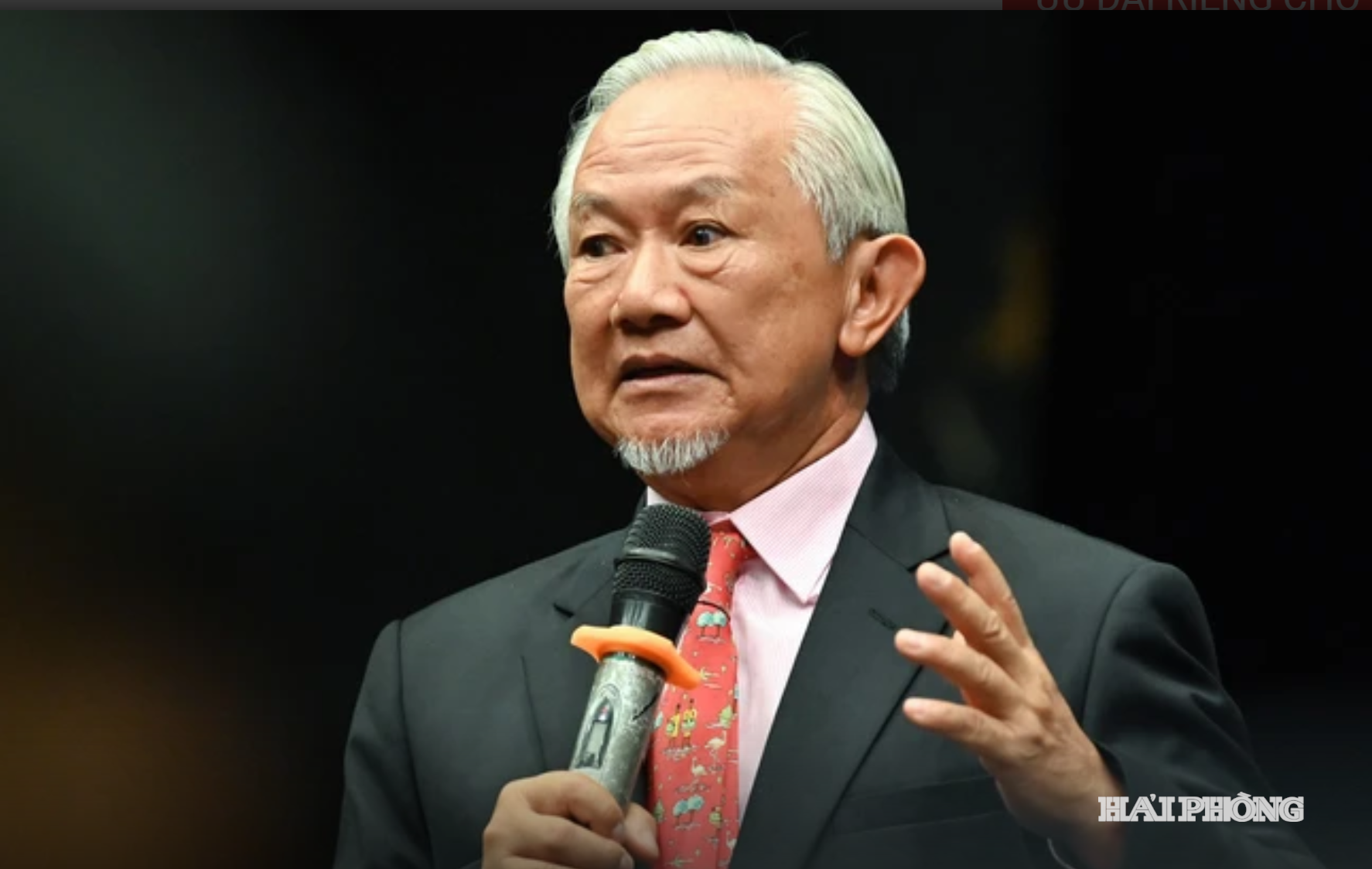
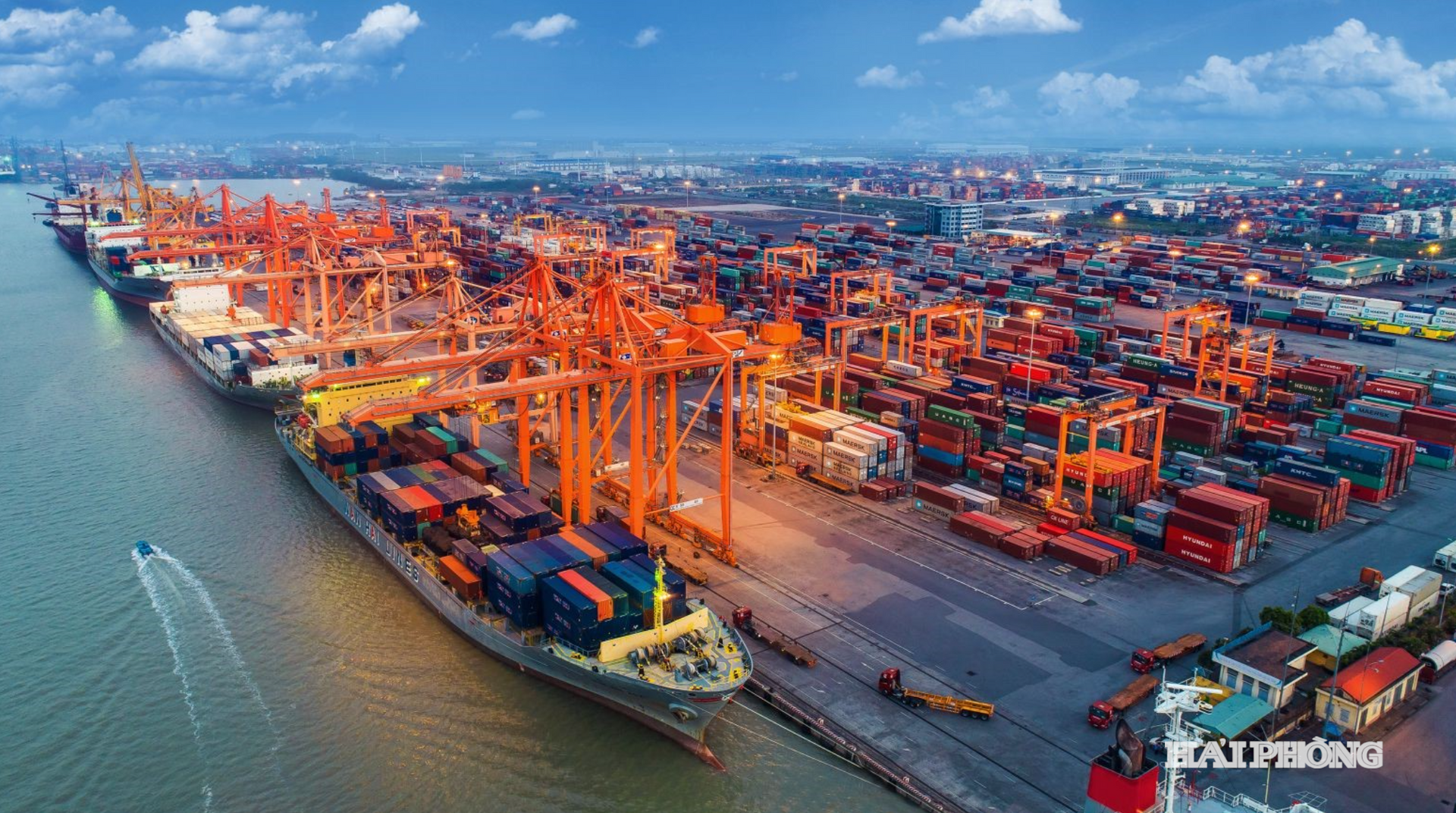
Each spring, the country opens a new chapter. This year's Spring of the Year of the Horse is even more meaningful for Hai Phong city as the Free Trade Zone, one of the pioneering models in the country, has been officially established. On this occasion of the beginning of Spring, reporters from Hai Phong Newspaper and Radio & Television interviewed Professor Phan Van Truong, an international trade expert who has been involved for many years in national strategies for the first free trade zone in the port city.
- Many believe that Hai Phong city is currently in a "golden moment." How do you assess the establishment of a free trade zone at this time?
- I believe that assessment is not an exaggeration. After years of preparation in terms of infrastructure, investment environment, organizational capacity, and development scale, Hai Phong city is now facing a major transformation. The city has all the favorable conditions to experiment with new models. However, great opportunities always come with significant responsibilities. The free trade zone is a new model for the city, and it is pioneering in the system of free trade zones that Vietnam is currently developing. To succeed, every element must be carefully reviewed, from the management apparatus and personnel to the operating mechanism. A good start will determine the long road ahead.
- The spirit of "dare to think, dare to act" is frequently mentioned in resolutions related to this model. According to the professor, what is the key to transforming that spirit into results?
- That means building the right and sufficient investor ecosystem. Vietnam has many strong businesses, but not all of them immediately see the advantages of joining a free trade zone. Businesses located far from cities or not heavily involved in exports will consider it carefully.
Conversely, international investors from China, Taiwan, South Korea, Japan, the United States, Australia, etc., will be more interested. But for them to choose the city's free trade zone, the investment environment must be truly good and distinctive. In my opinion, instead of waiting for investors to come, the city needs to proactively approach them, understand each group's needs, and closely monitor each case. It is this proactive approach that truly reflects the spirit of "dare to think, dare to act."
- When implementing the new model, Hai Phong city is expected to create a different approach. According to the professor, where does that difference lie?
- The biggest difference will come from the management structure of the free trade zone. A free trade zone cannot operate in the old way. Investors need transparency, understanding, and speed. In this model, a delay of one day in processing an application can set a business back a month. Therefore, the management structure needs to be empowered effectively, enough to handle work quickly and efficiently for smooth operation. More importantly, inter-agency coordination must be truly close and effective. When I say "privilege," I mean the management board must be able to connect directly with relevant ministries and agencies, without being hindered by unnecessary layers of bureaucracy. Achieving this is not easy, but it is a prerequisite for creating a sustainable difference.
- In the new policies planned for the free trade zone, which factor, in your opinion, will bring about the most significant change?
- In my opinion, it's the operational method that matters. Tax incentives, land subsidies, or simplified procedures are just the "shell." What gives the model its vitality is the service spirit of the system and the professionalism in every step of implementation. A free trade zone will only become truly "free" when investors perceive a transparent environment, clear procedures, and a top-priority accountability. The new model requires a new culture, and that culture must be built by the staff, those at the forefront of reform and who determine the model's success.
- Based on international experience, what do you see as the biggest risks at the beginning of this model?
- The biggest risk is the quality of human resources. We currently lack internationally qualified personnel. Managing a free trade zone requires extensive knowledge of international trade, the ability to analyze and handle situations quickly, and especially professional ethics. These qualities cannot be developed overnight. Therefore, training must be prioritized. Training should focus on professional skills, but also on ensuring that each officer understands transparency, honesty, and responsibility in every decision. This is crucial for the sustainability of the model.
I witnessed the early stages of Singapore's nation-building, when the British were deeply involved in the governance system, and later, Singaporeans assumed similar roles in smaller countries in the field of port management. The presence of these experienced personnel not only accelerated the work process but, more importantly, contributed to the formation of a high standard of ethics and governance discipline, a fundamental condition for the sustainable development of the free trade zone.
Professor, where will free trade zones bring about the most noticeable changes in the next 5-10 years?
- I believe the most significant change will be the maturation of the business system and environment. As the operating model and work style change, they will become more coherent, disciplined, and efficient. A new standard of management will be established, gradually spreading to many other areas. The second change is the emergence of a new generation of professional personnel, familiar with international standards, possessing an integrated mindset and a high sense of responsibility. This workforce will be a valuable asset not only for the free trade zone but also for the entire city.
- The city of Hai Phong hopes that the free trade zone will spread to neighboring localities. How do you view this possibility?
- This is entirely justified. When a new development center is formed, service industries, logistics, human resource training, supporting production, etc., will naturally spread to the surrounding areas. However, for strong and sustainable spread, localities must clearly understand their responsibility for regional linkages. If each place goes in a different direction, the development space will be fragmented. If we share a common vision, we will create a new growth axis for the northern region.
- If you were to send a New Year's message to Hai Phong, what would you like to say, Professor?
- I would like to send my best wishes for success and resilience to the Port City. The city is facing a rare opportunity to break through through its own capabilities and innovative thinking. But opportunities only become valuable when accompanied by discipline, thorough preparation, and an administration that prioritizes long-term interests over short-term conveniences.
If Hai Phong maintains its inherent pioneering spirit, persistently builds a highly skilled workforce, and fosters a culture of transparent work, respect for commitments, and responsibility, I believe the free trade zone will not only be a successful project but will also become a landmark development model for the entire process of reforming the country's development model.
Thank you very much, Professor!
LAN ANH (compiled)Source: https://baohaiphong.vn/van-hoi-moi-cua-thanh-pho-cang-535884.html

![[Photo] Reception to welcome General Secretary and President To Lam and his wife on their State visit to the Philippines](https://vphoto.vietnam.vn/thumb/1200x675/vietnam/resource/IMAGE/2026/06/01/1780295488620_vna-potal-chieu-dai-chao-mung-tong-bi-thu-chu-tich-nuoc-to-lam-va-phu-nhan-tham-cap-nha-nuoc-toi-philippines-8798060-7855-jpg.webp)
![[Photo] General Secretary and President To Lam and the President of the Philippines hold talks.](https://vphoto.vietnam.vn/thumb/1200x675/vietnam/resource/IMAGE/2026/06/01/1780286997787_anh-man-hinh-2026-06-01-luc-11-09-43.png)























































Comment (0)